Latest Posts

Talk to Trip Expert
+977 9704823980 (Whatsapp)


Talk to Trip Expert
+977 9704823980 (Whatsapp)The Everest Base Camp Trek is on many bucket lists for good reason! This trek isn’t just about the destination; it’s about the journey and everything you experience along the way. Each moment is worth it, from the breathtaking views of the Himalayas to the rich culture of the Sherpas. Whether you’re seeking adventure, personal growth, or just want to tick it off your list, 2025 is the year to do it. You should consider adding the Everest Base Camp Trek to your travel plans.
I still remember the first time I even heard about Everest Base Camp. It happened during a lazy afternoon when I was flipping a travel magazine on my sofa. Suddenly, I saw a photo of a small group of trekkers standing in front of these vast, snow-covered peaks. They looked both excited and tired, and something about that scene made me think, “I want to be there one day.”
A few years after that, I finally flew to Nepal. Honestly, it felt like I was walking into a daydream. The Himalayan mountains do something to you, not just your body but also your mind and spirit. The air was crisp and cool, and everywhere I turned, the views were just incredible. I also met people from all over the world, each on their adventure. Now that 2025 isn’t too far off, I can’t help but tell anyone who will listen: if you can make it happen, you should add Everest Base Camp to your travel plans. Coming up, I’ll share some of my reasons, tips, and personal stories to help you make the most of it. Let us explore 10 Reasons to Add the Everest Base Camp Trek to Your List.
Let’s start with what I believe is the most compelling reason: personal growth. People often think of treks as purely physical challenges, but I’ve learned that the Everest Base Camp trek is just as much a mental journey. You spend daily on the trail, walking anywhere from four to eight hours (sometimes even more) while dealing with factors like altitude and unpredictable weather. It’s not always easy. Some days, your lungs feel like they can’t get enough oxygen, or your legs ache from the constant uphill climb.
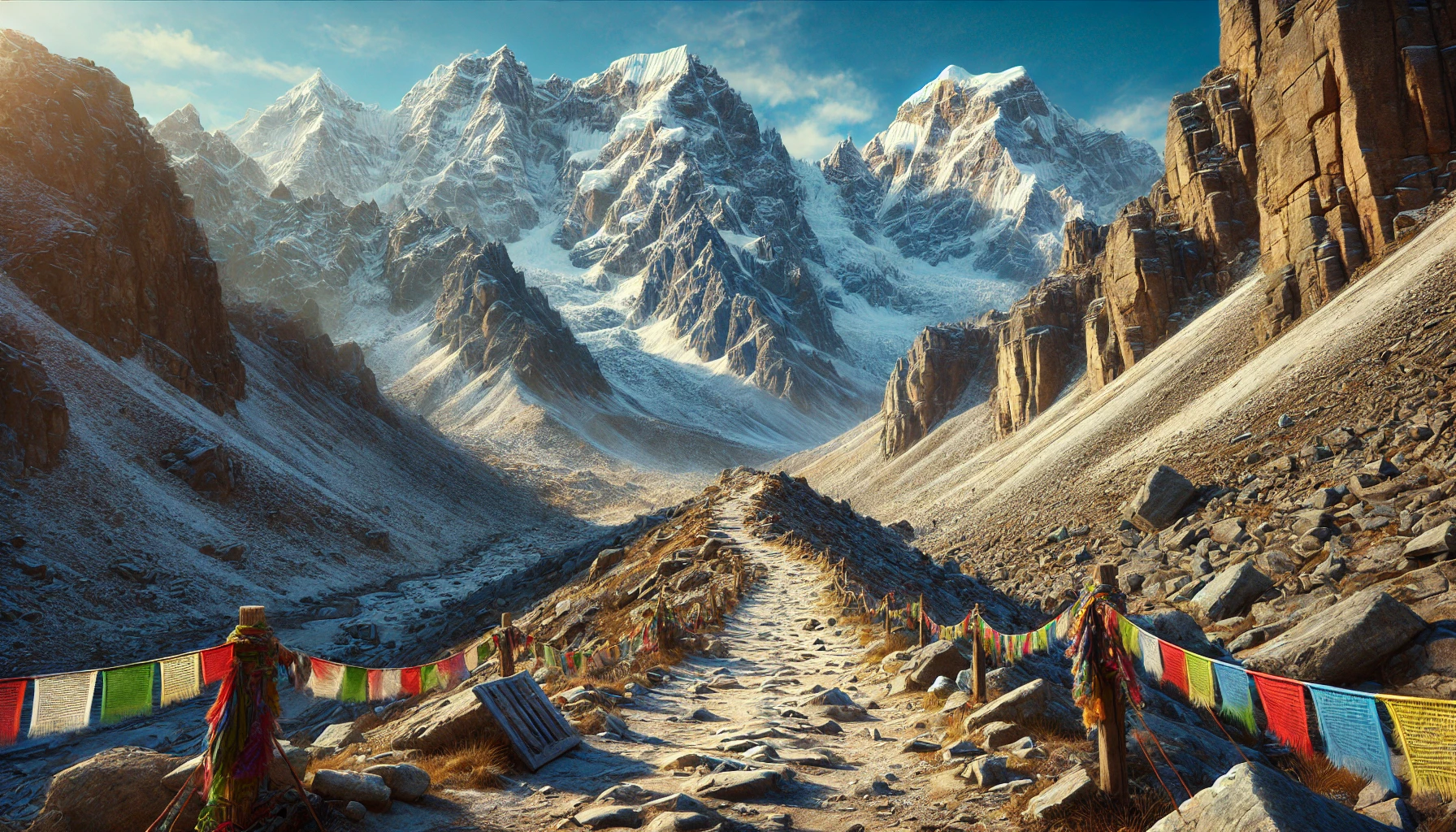
But here’s the flip side: the moment you push through those difficulties, you discover how strong and determined you can be. In my own experience, I found a sense of resilience I never knew I had. There was a point around halfway through the trek where I wanted to throw in the towel. My muscles were sore, and I was tired of the cold. Yet I’d wake up each morning, lace my boots, and keep going. When I reached the base camp area, I felt like I’d conquered a challenging trail and self-doubts.
I’ve noticed that many trekkers come home talking about this very thing. They say the trek taught them more about patience, determination, and grit than almost anything else they’ve ever done. When surrounded by towering peaks and living a simple, day-to-day life (walk, eat, sleep, repeat), you learn to focus on the essentials. You learn to appreciate small comforts, like a hot tea or a cozy sleeping bag. You also understand that you can achieve hard things, which can carry over into other parts of your life, like your career, relationships, or personal goals.
While the trek is undoubtedly a test of physical and mental endurance, it’s also a spiritual experience, even if you’re not religious. There’s a hushed majesty in the Himalayas that invites you to reflect. During my time there, I’d often pause to take in the sheer scale of everything around me, the sharp ridgelines, the icy blue glaciers, and the way the sun painted the peaks gold each morning. It was impossible not to feel a sense of wonder in those moments. The Himalayas have that invites reflection often paused.
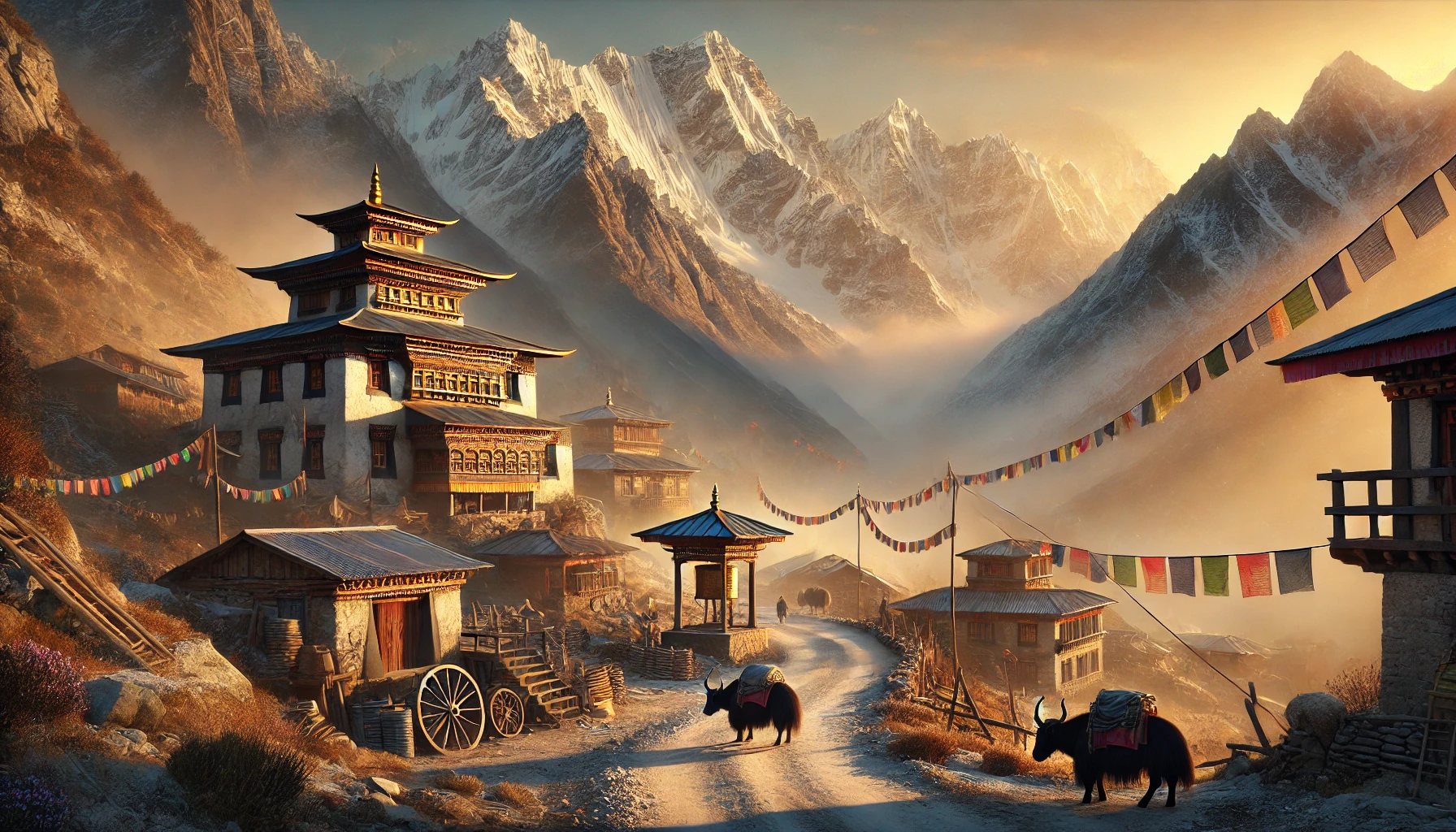
In many Sherpa communities, Buddhism is practiced, and the trek takes you past prayer wheels, monasteries, and colorful prayer flags that flap in the wind. This region’s spiritual side is woven into everyday life, and travelers are often welcome to step inside small gompas (monasteries) or spin the large, ornately decorated prayer wheels. Even if you’re not formally praying, the rhythmic spinning and the gentle murmurs of monks chanting can be calming.
I spent a morning in a small village known for its monastery, and I remember sitting outside, watching the sun rise behind the mountain ridge. A soft breeze carried the faint sound of a gong from within the monastery. Several local villagers passed by, heading to the fields or leading yaks along narrow paths. For once, I wasn’t thinking about emails, deadlines, or anything from my usual routine. Instead, I was fully present in that place and time, feeling more at peace than I had in a long while. I realize now how precious that feeling is when the mountains quiet all that mental chatter and remind you that life is more than just checking off to-do lists.
Some people worry that the trek might feel too “touristy” or overdone since Everest Base Camp has become quite popular. It’s popular for a reason, but that doesn’t mean the experience is stagnant. In fact, every year, local communities and trekking companies develop new ideas to keep the trek engaging. These can be new side trails or cultural activities that help you learn about Sherpa customs.
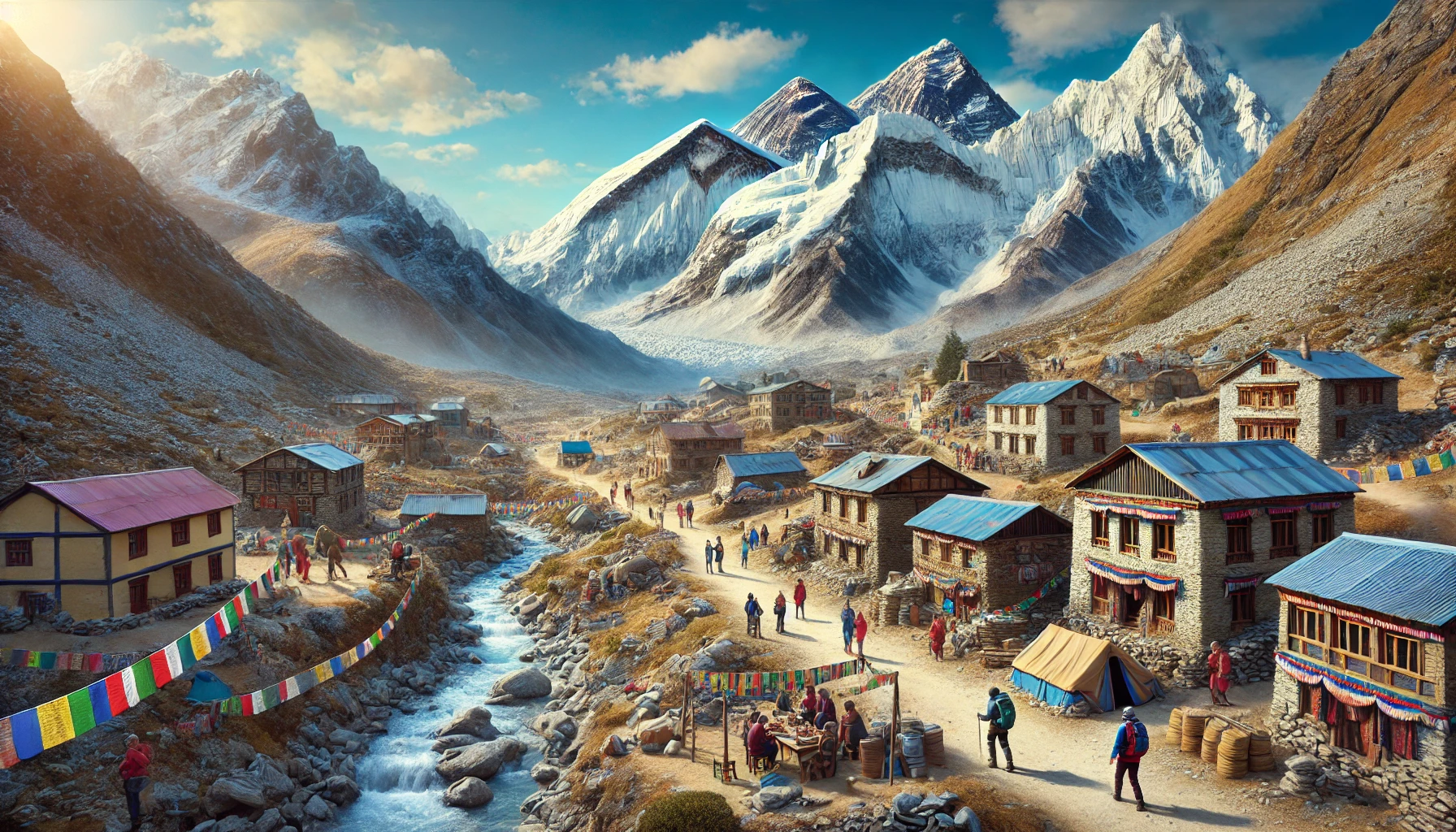
What I love about these changes is that they keep the route fresh. If you visit in 2025, you might find a slightly altered path that offers a quieter route, or you might hear about a new cultural program where local families welcome trekkers for a traditional meal. Maybe you’ll get to join a small local festival or witness a regional celebration that wasn’t as accessible to tourists before. You’ll likely discover something new even if you’ve read older guidebooks or blog posts.
If you like a bit of surprise, you’ll appreciate these evolving aspects. Some trekkers say each person gets a unique version of the Everest Base Camp journey, shaped by timing, weather, and the local happenings at that particular moment. That idea is appealing: the trek might be famous, but it can still surprise you at every turn.
I can’t talk about trekking to Everest Base Camp without emphasizing the social aspect. You’ll meet people worldwide in Europe, North America, Asia, Australia, and beyond. In a single teahouse dining area, you might share a table with a Canadian solo traveler, a group of friends from Germany, and a couple from Japan. Everyone bonds quickly because, let’s face it, you’re all facing the same trail and fundamental challenges: altitude, weather, and the excitement of nearing Everest.
Strangely enough, the simplest parts of the day often bring people together. You might be huddled around a small wood stove in the evening, sipping on tea or hot chocolate and sharing stories of what you saw that day, like a rare wild animal or an especially striking mountain view. Laughter comes when everyone is in the same boat (or on the same path, to be literal). And since you’re all somewhat disconnected from your usual routines, conversations often become more open and genuine.
Some of the best friendships I’ve formed while traveling were forged in these high-altitude teahouses. Something about hiking all day in the cold and warming up together at night makes you connect on a deeper level. A few of us even planned future hikes together after returning home, keeping in touch over social media and comparing notes on other mountains we wanted to tackle. If you’re considering this trek, be prepared to form bonds that might last far beyond your flight home.
Whenever I talk about trekking in the Himalayas, I often get questions about accommodations and comfort. The good news is that, by 2025, you’ll likely find even better facilities along the route. While Everest Base Camp is still considered a remote and challenging trek, local teahouses and lodges have stepped up in recent years. Many now offer private or semi-private rooms with comfortable bedding, and some even have hot showers, though you may have to pay a small fee for the extra luxury at higher altitudes.
Internet connectivity has also improved. In the past, it was almost impossible to get online after a certain point on the trail, but nowadays, many teahouses offer Wi-Fi (again, sometimes at a small cost). While I enjoy disconnecting from the digital world, I understand that some people want to stay connected with family or share pictures of their journey in real time. If that’s you, you’ll appreciate the option for internet access.
Trail safety has also been a focus. New signs and path markers have been added in areas where trekkers used to get confused. The main routes are straightforward, but the extra signposts are reassuring when you feel tired or if clouds roll in. Naturally, you should still keep a map, a guide, or a reliable GPS app on hand, but every improvement helps make the trek a smoother experience.
I’ve traveled to quite a few places, but there’s nothing like the scenery on the Everest Base Camp trek. Imagine waking up just before sunrise and stepping outside your lodge to see a ring of jagged, snow-laden peaks catching the first pink rays of sunlight. The air is cold enough to see your breath, but you can only imagine how beautiful it looks.
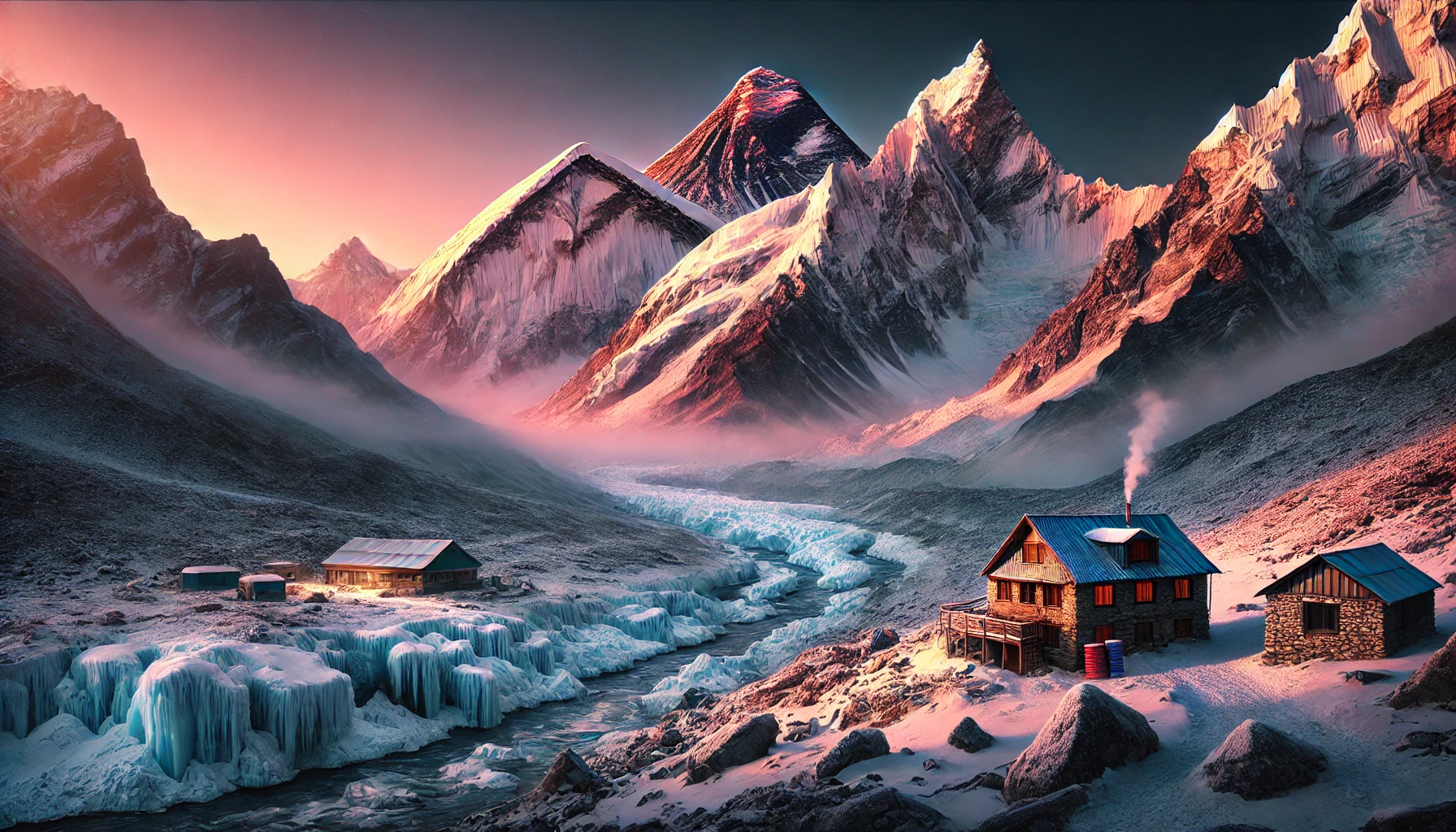
One of the iconic spots is the Khumbu Icefall, a frozen river of ice and crevasses tumbling down from the higher sections of Everest. Climbers attempting the summit have to navigate this challenging stretch, and even from a distance, it’s both eerie and mesmerizing. You’ll likely find yourself snapping dozens of photos, but no picture truly captures the scale or atmosphere of seeing it in person.
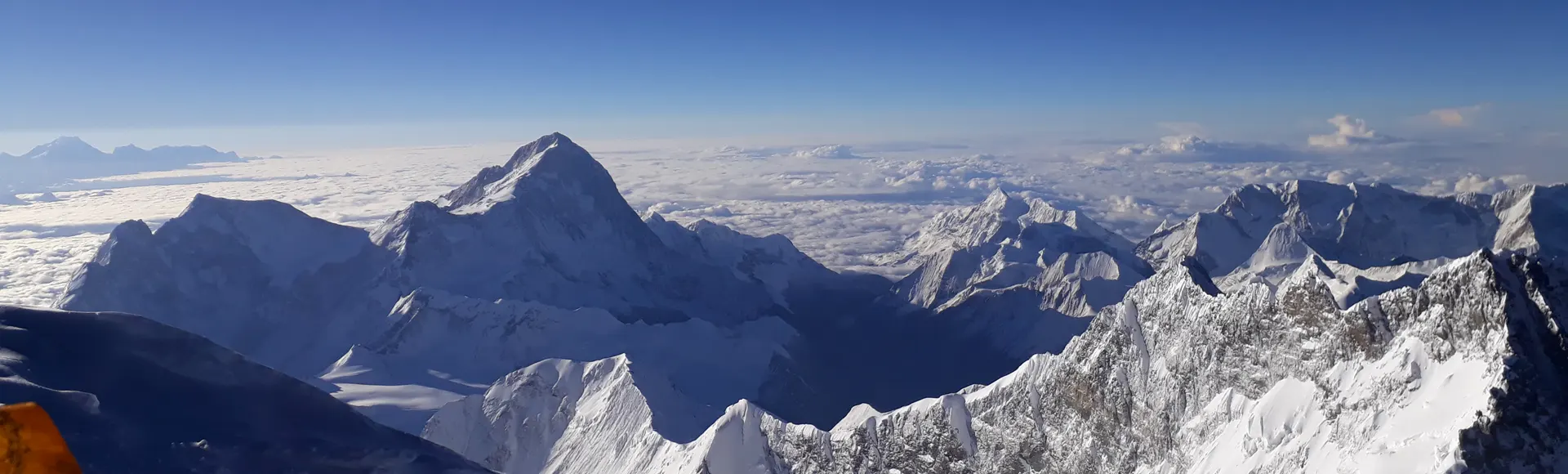
Another highlight is Ama Dablam, a peak many describe as the most beautiful in the region. Its pyramid-like shape stands out against the backdrop of other mountains. Each mountain has its character. Some look massive and imposing; others appear slender and graceful. You can spend whole days just gazing around in awe. When you reach Kala Patthar, a famous viewpoint near Everest Base Camp, you get this 360-degree panorama of the Himalayan giants. The wind can be fierce up there, but it’s worth braving the chill to watch Everest shine in all its glory.
One aspect of the trek that doesn’t get enough attention is the chance to immerse yourself in Sherpa culture. The Sherpas are well-known for their mountaineering expertise, but they also have a fascinating way of life shaped by centuries of living in these high valleys. As you travel through villages like Phakding, Namche Bazaar, and Tengboche, you’ll see colorful homes, fields of potatoes, and yak enclosures (yaks and their hybrids, known as dzos, are common pack animals here).
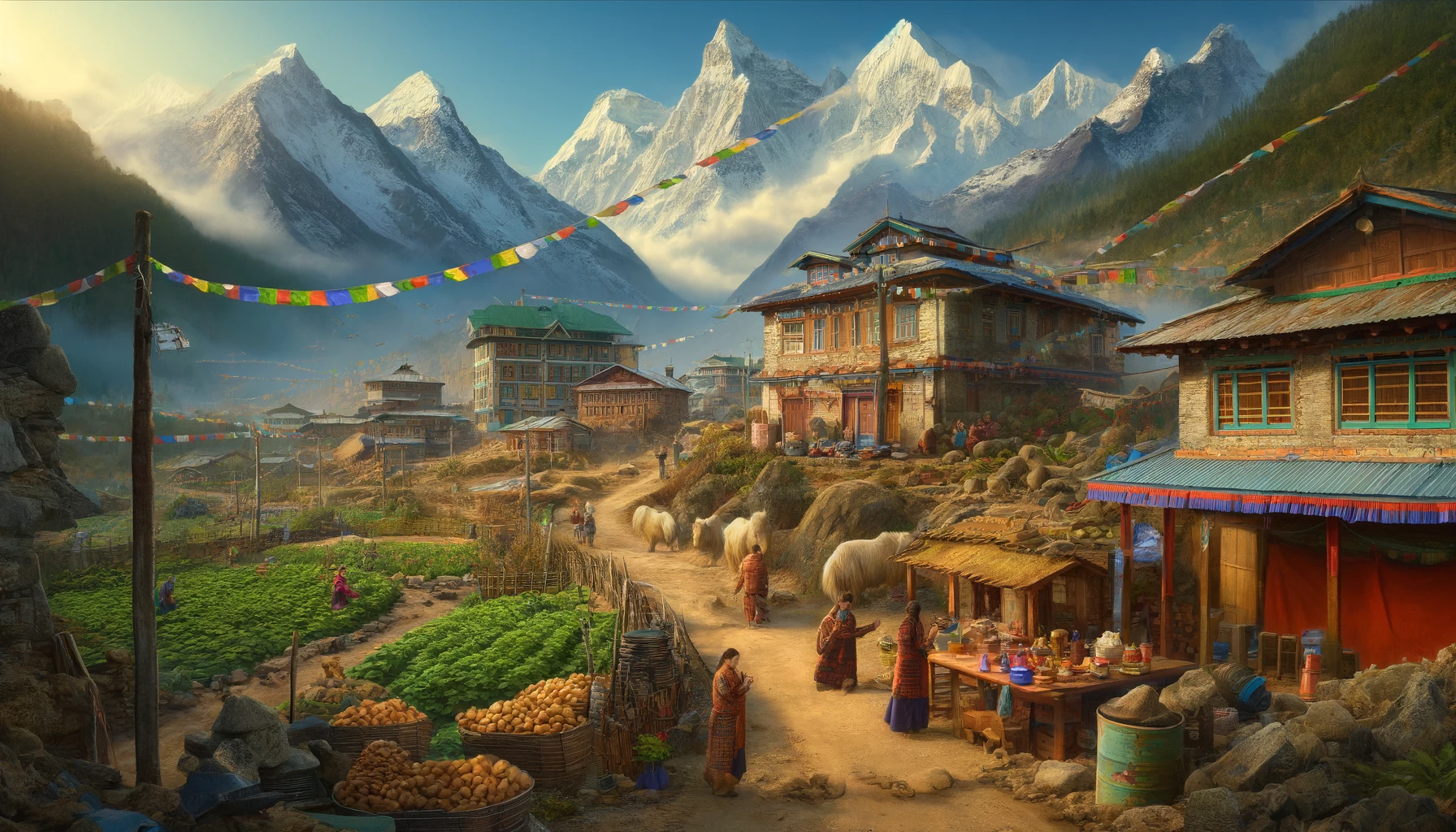
You might also notice how deeply Buddhism is woven into the community. Prayer flags flutter on high passes, sending blessings out with each breeze, and mani stones (carved with prayers) line parts of the trail. If you’re curious, you can pop into monasteries like the one in Tengboche. I visited it on a quiet afternoon, and a friendly monk told me a bit about its history. He also explained the daily rituals that keep the monastery alive. Experiences like that have stayed with me more than any souvenir ever could.
And then there’s the everyday rhythm of life in the Khumbu region. Sherpas tend to be incredibly hospitable. They often greet you with a warm smile, and if you’re lucky, you might join a local family for dinner. Don’t be surprised if you are served endless cups of butter tea. It’s a salty, creamy drink that might be an acquired taste for some people, but it’s a staple in many Himalayan communities. Suppose you approach these cultural experiences with an open heart. In that case, you’ll come away with a deeper appreciation for how humans adapt and thrive in some of the most challenging environments on Earth.
It might surprise some people, but the Everest Base Camp region isn’t just icy peaks and barren rocks. The lower elevations feature forests of rhododendrons that burst into pink, red, and white blooms in the spring. These forests are home to numerous bird species whose songs add a cheerful soundtrack to your hike. The further you ascend, the sparser the vegetation gets, but you may still come across hardy plants clinging to life in the rocky soil.
If you keep your eyes peeled, you might spot Himalayan tahrs, goat-like creatures that nimbly scale cliffs. Musk deer are known for their distinctive scent glands, and if you’re fortunate, you could even see a snow leopard. While they’re incredibly elusive, just the possibility of spotting one adds a layer of excitement. The ecosystem here has evolved to endure harsh winters and limited oxygen, which I find fascinating. Every small flower or creature you see feels like a minor miracle, adapted perfectly to the high-altitude setting.
Observing these details became part of my daily routine. Instead of rushing through the trail, I paused and looked around. Sometimes, I’d see bright Himalayan pheasants darting between bushes or tiny alpine flowers peeking out from cracks in the stone. Each discovery felt like a reward for paying attention.
If I had to sum up the Everest Base Camp trek in just a few words, I’d call it “the adventure of a lifetime.” It’s not just about one big moment like finally stepping onto the base camp area where expedition tents are sometimes pitched. It’s about all the little moments that add up throughout the journey. You start as a stranger to these mountains, possibly feeling intimidated by their scale. Day by day, you inch closer and grow more familiar with the rugged paths, the altitude, and the culture. By reaching the iconic vantage points, you’ve traveled physically and transformed.
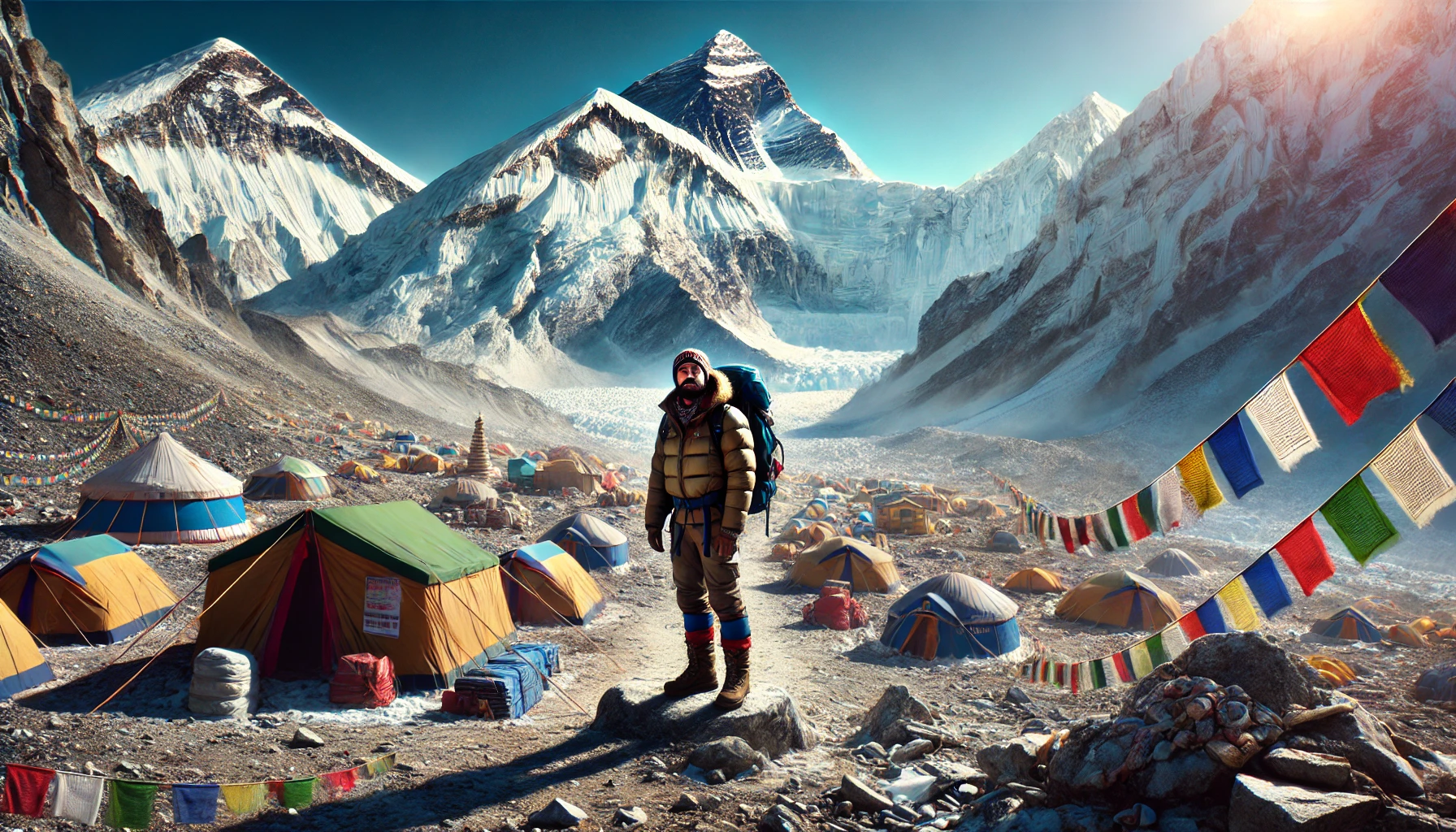
I remember the day I left Lukla (where the famous airport is located) to start the trek. Everything felt new: the crisp Himalayan air, the sight of porters carrying heavy loads, and the colorful prayer flags lining the trail. I was excited but uncertain, wondering how my body would handle the thin atmosphere up there. Over the next ten days, I encountered countless ups and downs both on the terrain and in my mood. But I pushed forward, rested when needed, drank gallons of ginger tea to stay warm, and let the mountains set my pace.
Finally, standing at Everest Base Camp, I felt pride, relief, and genuine happiness. Sure, I was tired, and I knew I had to trek back down. But in that moment, none of that mattered. I realized I’d done something a younger version of me only dreamed about. That feeling, knowing that I followed through on a big goal, still motivates me in other areas of my life today.
If you’re still on the fence, let me share a few of the most memorable highlights you can expect:
Each of these moments is a puzzle piece in the larger tapestry of the trek. When you put them all together, you get an experience that feels complete and meaningful.
Let’s talk about the practical side of planning for 2025. If you’re serious about trekking to Everest Base Camp, here are a few pointers to keep in mind:
You might wonder why I keep mentioning 2025. Minor (and sometimes major) improvements are made to the region’s infrastructure and facilities each year. By 2025, some planned expansions in local villages, potential trail upgrades, and better waste management programs will likely be in place. It’s also possible that more cultural initiatives, like local homestays or community-based festivals, will be open to trekkers.
Beyond that, the world keeps changing, and there’s always a chance that regulations might shift or that visitor caps might be introduced to protect the environment. If Everest Base Camp is on your list, sooner is better. Plus, after the global disruptions in recent years, a 2025 target date gives you enough time to train, save up, and plan the kind of trek you genuinely want.
If you made it this far, you’re intrigued by trekking to Everest Base Camp. As someone who once stared at a magazine photo and dreamt of being in that scene, I can tell you that the real thing is even more awe-inspiring. Yes, it’s challenging. Yes, it might push you out of your comfort zone. But that’s part of why it’s so meaningful. You’ll come away with stories, friendships, and unexpected insights.
Whether you’re in it for the stunning vistas, the cultural immersion, the spiritual clarity, or the sheer adventure, the Everest Base Camp trek has a way of delivering all of the above and more. So, if you’re looking ahead to 2025 and considering what big, bold move you can make, consider packing your bags for Nepal. The mountains will be there, ready to greet you with breathtaking sunrises, soul-stirring trails, and warm smiles from people who call this place home.
Trust me when I say it’s a journey you’ll treasure for the rest of your life.
It’s not a walk in the park, that’s for sure. You’ll be dealing with steep trails and thin air. But as long as you train a bit, go slowly, and take rest days, it’s doable for most reasonably fit people.
Most itineraries run between 12 to 14 days. That includes days to get used to the altitude and some wiggle room in case of weather delays.
Teahouses along the trail offer a range of meals. Dal Bhat (lentil soup with rice and veggies) is widespread. You can also find pasta, noodles, soups, pancakes, and eggs. As you climb higher, the choices get fewer (and more expensive), but you won’t go hungry.
In most cases, no. The teahouse system means you’ll sleep in simple lodges. You would consider a tent only if you plan an off-route adventure or a more remote trek.
Yes, in many teahouses. It may be slow or occasionally unreliable, and you pay a small fee. But it’s still a big step up from years past.