Latest Posts

Talk to Trip Expert
+977 9704823980 (Whatsapp)


Talk to Trip Expert
+977 9704823980 (Whatsapp)At 5,732m, Yala Peak is a well-liked hike in the Lantang region and is designated as an easy and accessible trekking peak. Yala Peak is known for its spectacular Himalayan views and non-technical route which offer trekkers a rewarding experience. As a non-technical peak, Yala is a great option for those new to mountaineering and adventure seekers alike. However, Weather and seasonal variations can affect the safety and enjoyment of the entire trip, even as you gain familiarity with Yala’s simple climbing route.
Yala Peak is ideal for beginner to Himalayan mountaineering. The route involves trekking through pleasant forests, Tamang villages, and the Kyanjin Monastery. Therefore, by summiting Yala Peak, trekkers get some of the cultural and scenery impact. Even though it is not technical, the fluctuating weather in higher elevations requires good planning and Mountain Time for a successful summit.
The Langtang area can expose climbers to extreme weather with temperatures that drop far below freezing, while there can be continuous snowfall above 4,000m. This trend might harm trail conditions, clarity of the projected summit, and general safety. Therefore, choosing the correct season ensures you have an enjoyable trip.
This guide aims to help climbers decide on the best season to climb Yala Peak. We present weather patterns for each season, give the pros and cons of climbing each season, and explain what to expect in weather, conditions, and trails.
Yala Peak is classified as a non-technical climb and is achievable for trekkers with a basic knowledge of mountaineering and good physical fitness. Although the climb is considered non-technical, climbing above 5,500 meters does require good physical condition because the risk of altitude sickness may increase. Nevertheless, climbers may find the overall summit experience for Yala Peak to be quite reasonable and rewarding with good preparation.
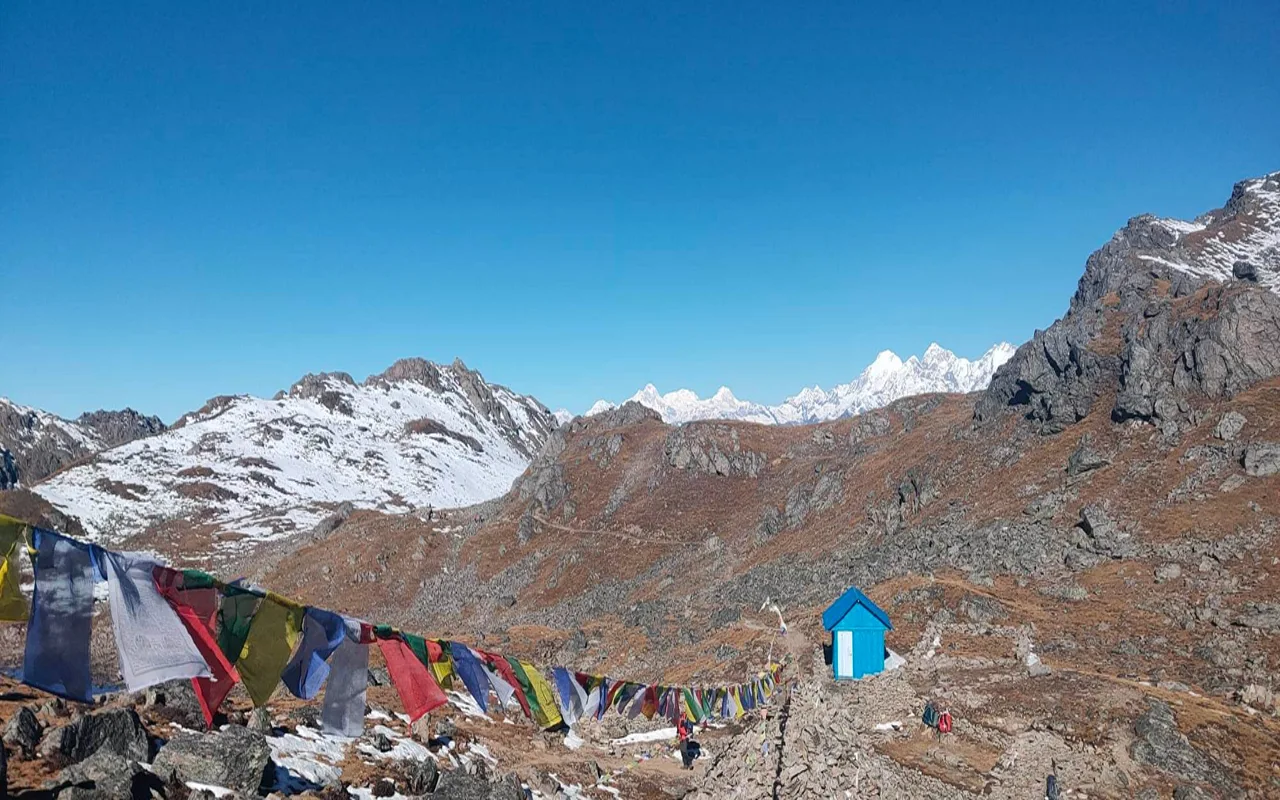
Successful and safe attempts to arrive at the summit of Yala Peak rely heavily on clear weather. Weather at high altitudes is often unpredictable and can create difficulties while navigating. Conditions such as snow, high wind, and rapid cold can impact navigation and create an increased risk of developing hypothermia and frostbite. Bad weather, decreased visibility, potential accidents, and opportunities for remaining lost are all much greater when the weather is not clear.
Different variables will all have a major play in determining climbing conditions: visibility, air temperature, wind, snow condition, and trail access. Spring (March to May) and fall (October to November) will experience better visibility, moderate lower elevation temperatures, and stable dry trails.
Upper elevation temperature may still be below freezing, and the summit wind may be enough to knock you over, thus to be dressed appropriately and equipped with the right climbing gear. The upper slopes may still have snow, ice, and glacial conditions, especially when climbing in the winter and late fall, and thus will require the use of crampons and ice axes for safety and climbing stability.
One of the best times to climb Yala Peak climbing is during spring. Spring has dry, clear skies, and moderate temperatures. This season offers the best visibility with an unobstructed views of majestic Himalayan ranges including the Langtang Lirung and Dorje Lakpa.
With a predictable weather window, this weather reduces the risk of snow while climbing with sudden storms and freezing nights. The trek trails are accessible with less likelihood of weather-induced challenges, and the amount of snow build-up on the summit can be moderate, good for photography, and 360 panoramic views of the surrounding peaks.
Another draw of spring is the opportunity to see incredible rhododendron forest displays in full bloom, adding additional beauty to the complete trekking experience. Additionally, moderate snow conditions at altitude, provide the authentic tone of the experience of climbing in the Himalayas, but with less of the burden similar to climbing peaks in the winter.
Autumn is the second-best season for climbing Yala Peak with post-monsoon clarity and stable skies. The air feels sharp and clear with incredible clear views of the Yala Peak with the Langtang range and surrounding peaks. With the monsoon rain behind us, all trails are dry, safe, and visible. Such conditions also reduce the chance of encountering landslides or slippery paths. Autumn is also known for its reliable weather, as anything is better than the unpredictability of storms or heavy spring snowfalls.
The pleasant temperatures and dry conditions make autumn an ideal time for acclimatization and very comfortable trekking. The landscape is lush from the recent monsoon, but the trails are not overly muddy or unstable. With the lower chance of weather responsibilities for delays, climbers are more likely to reach the summit as planned, with limited impediments to the overall experience.
The winter season is a challenging but rewarding opportunity to climb Yala Peak. It is a time for solitude seekers or those craving adventure. Winter is the coldest time of the year and depending on the weather, there may be heavy snow at the summit and on the trails. Because of the conditions, there are fewer crowds, and a great opportunity to create a unique sense of wilderness. Snow will likely block many of the trails, is possible there will be higher, windier, and colder conditions.
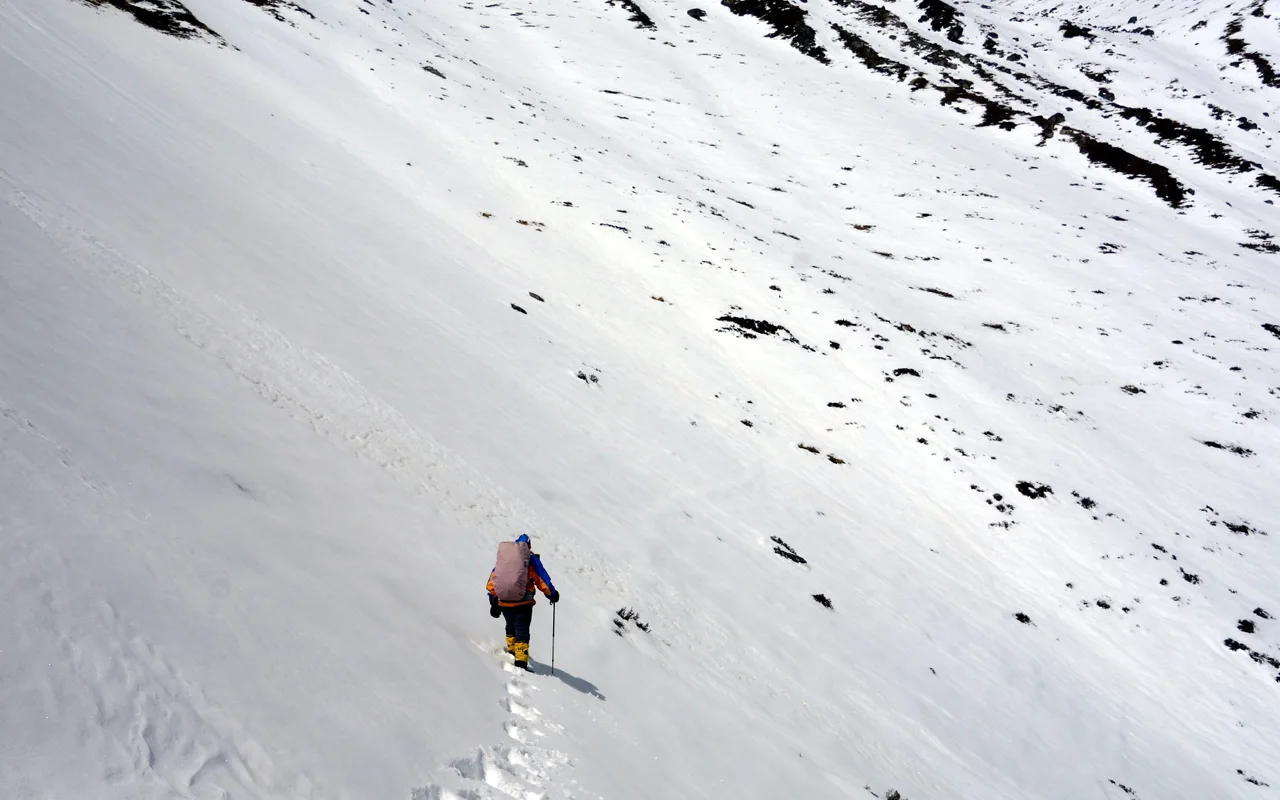
Having the proper gear is vital such as insulated clothes, crampons, and ice axes. Due to the extreme conditions experienced trekkers should only consider an ascent in winter as the risk of frostbite, hypothermia, and difficulty in navigation is high. With the cold and crisp air, bright clean snow will create a wilderness backdrop for any inclined traveler looking for an adventure.
Yala Peak is normally not advised to be climbed during the monsoon season because of the high levels of precipitation. It brings heavy rain, deep cloud cover, and the risk of landslides. Visibility is impaired, as the mountains are generally totally obscured in very cloudy weather. With mud and rain, decent trail conditions are more challenging and a little unsafe. Also, leeches will be present on the lower trails, and clambering over muddy ground with leeches adds to the misery of climbing Yala Peak.
Nonetheless, the monsoon season offers some nice green, lush, and off-season prices on accommodation and guides. The scenery is often very impressive, but the challenges and risks are considerable. Some days, the trails may be blocked by landslides or swollen rivers, while every day you will have to deal with the damp cold that makes camping and trekking difficult.
Green and often lush landscapes with colorful plant life.
Reduced lodge and guide prices in the off-season.
Fewer trekkers, and thus fewer people, lead to a quieter retreat.
The temperatures are cooler at higher elevations than the heat of the lowlands.
Rain is frequent, with cloud cover leading to poor visibility.
The trails will be slippery with less rugged trails and mudslides present a higher risk.
Lower trails will have leeches on them.
Weather is unpredictable which increases the chances of trek disruptions.
| Season | Weather and Visibility | Trail Conditions and Difficulty |
| Spring | Spring offers clear skies and mild temperatures, making it one of the best seasons to enjoy outdoor activities. Visibility is great. | Trail conditions are dry and stable, making it relatively easy and safe to trek and climb through the landscape. It’s suitable for moderate difficulty levels, which will be just fine for those assisting a variety of fitness levels. Ideal for most climbers in particular beginners and intermediates are open for cool weather and safe trails. |
| Autumn | Autumn favors crisp air with relatively stable long-range forecasts. Visibility is good, with very few clouds, and quite little haze. | Trail conditions are generally dry and temperatures will be moderate on average. The climbing activities are enjoyable, as it is less strenuous work. Autumn offers vibrant foliage for photography and hikers will have more enjoyable trails free of crowds and a range of trekkers. |
| Winter | Weather is cold, the weather is unpredictable and usually has constant snow. Visibility is good but limited to the situation if it is snowing. | Trails have become icy and would present a dangerous trek, the difficulty increased significantly. Because of a wide range of temperatures and precipitation and the need for equipment, best suited for experienced climbers ready to deal with extreme cold and difficult trails. |
| Monsoon | The Monsoon season is heavy rain and cloudy skies. That’s three strikes for visibility discomfort. | Trails will typically become muddy and slick, resulting in possible issues at a minimum awareness of movement and worst injuries. The difficulty goes up with wet conditions. |
Yala Peak is a rewarding Himalayan journey almost any time of the year, as long as climbers are prepared and constantly aware of ever-changing mountain conditions. Spring and autumn are undoubtedly the safest and most beautiful seasons due to good stability, clear skies, and amazing views; all of which create the most fun and much less risk of trekking through the unique beauty of the Langtang region.
No matter when you join us to summit Yala Peak, always check the latest weather forecast and local guides to get up-to-date trail and safety information. If you are ready to take the spectacular Yala Peak journey, email us for custom itineraries and additional planning services to create a memorable and safe journey.