Latest Posts

Talk to Trip Expert
+977 9704823980 (Whatsapp)


Talk to Trip Expert
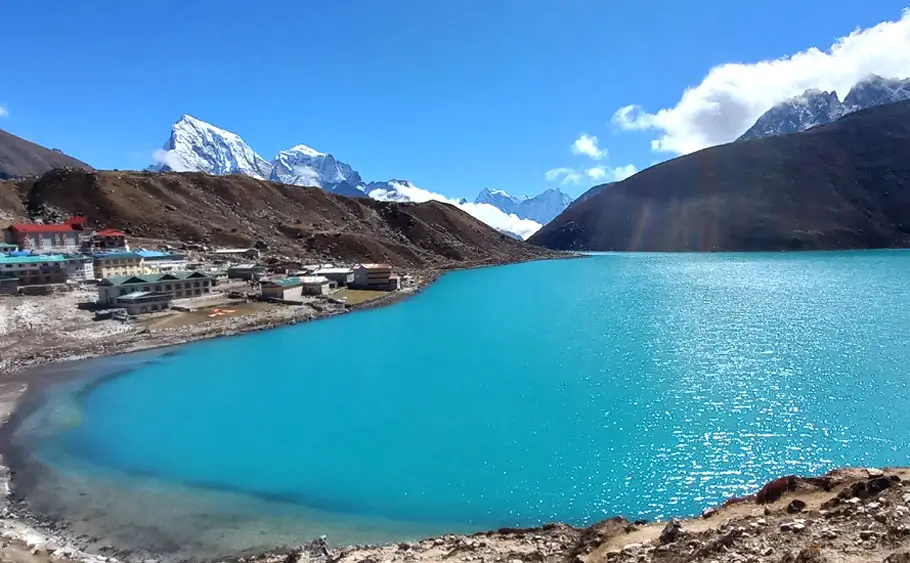
+977 9704823980 (Whatsapp)The Gokyo Lake Trek is a trip through Nepal’s Everest Region that offers rich cultural experiences and stunning natural beauty. It is home to serene blue lakes that are a part of the highest freshwater lake system in the world.
Next up is Gokyo Ri (5,357 meters), which offers a sweeping view of Makalu, Cho Oyu, Lhotse, and Everest. The calm atmosphere of the Gokyo Lake trek is what makes it unique.
You will experience that tranquility during your journey. When it comes to enjoying your trek, timing is crucial. Given the difficult terrain and high altitude paths you’ll be trekking on, weather is one of the most important considerations.
The weather is steady and the temperatures are ideal in the spring and fall. That’s when you can see the Himalayas at their most beautiful: snow-capped mountains, brilliant colors across the landscape, and no risk of heavy rainfall or freezing temperatures.
Trekking during the summer and winter seasons brings challenges for slippery and/or dangerous trails, not to mention visibility and temperature. Therefore, the spring and autumn months (March to May and September to November) set the benchmark as the threshold for the appropriate seasons for trekking, and that is usually determined by stable weather, bright skies, and comfortable temperatures.
This guide presents a comprehensive summary of the best times for Gokyo Lake Trek based on weather, hiking routes, and personal preferences, to ensure a comfortable trek, here is a detailed analysis of temperature ranges, tail conditions, crowds, and seasonal highlights.
Additionally, this guide has preparation tips that would be helpful for Gokyo Lake trekking. If you are searching for trekking that is an adventure, with beautiful Himalayan views, you’ll have all the information you would need to plan a successful and great journey by the end of this guide.
Gokyo Lake is in the Everest region which has seasonal changes due to the geography. Spring (March to May) and autumn (October to November) are the best times to trek Gokyo Lake as the weather is consistent, with clear skies and temperatures. Autumn has the best views of the snow-capped peaks and clean trails. Spring has blooming rhododendrons and vibrant landscapes that are exciting to hike.
During the Gokyo Lake trek, altitude has a big impact on the weather. Trekkers may experience extreme temperature drops and varying climates as the trek goes from Lukla (2,860m) to Gokyo Ri (5,357m). Even in the good seasons, the high altitude of Gokyo Valley creates sub-arctic conditions. Autumn and spring are generally mild in lower elevations and freezing at night as you go higher.
At higher elevations like Gokyo, temperatures can fall below freezing even during the busy seasons. So, effective planning should be made before the trek starts including the requiring packaging materials and permits. Above 3,500 meters Winter season has increased challenges due to extreme cold and heavy snowfall.
Meanwhile, summer rains can lead to slippery routes and increase the risk of flooding in lower elevations. So, for a successful trek in the Gokyo region, weather and altitude-related dynamics are essential to understand.
In spring, the Gokyo Lake trek is the most popular season and has a diverse and marvelous experience. At this time, the day temperature is between 1 degree and 15 degrees. Moreover, there is much exposure to daylight during this time as compared to other seasons.
Spring brings stunning views of the snow capped mountains with blue skies. The best parts of spring trekking are the colorful surroundings, where rhododendrons and other wildflowers are in full bloom and provide an appealing contrast to the snow-capped peaks.
With its bright flora and the chance to meet mountaineers training for the Everest ascent, Gokyo Lake Trekking in the spring offers a chance to observe nature’s rebirth from winter.
However, additional gear like crampons and ice axes is required because steeper trails may still have winter snow on them in the spring. The majority of trekkers choose spring because of the stunning scenery on the routes and the views of the mountains, which makes it the perfect season for nature lovers and photographers.
Autumn (September to November) is regarded by many hikers as the ideal season because of the pleasant weather and moderate temperatures. Clear skies in the fall allow trekkers to take in the Himalayan views.
Additionally, autumn offers a more comfortable trekking season due to its dry paths and lower rainfall. Autumn also adds a touch of culture to the trip by falling during festivals like Dashain, Tihar, and Tengboche’s Mani Rimdu festival.
Trekking Gokyo Lake in the fall offers the advantage of seeing the local harvest and the foliage falling on the ground. But because of its popularity and the drastic drop in temperature that occurs when November arrives, warmer clothing is required. Even so, a lot of hikers favor autumn because it offers the best trekking conditions and cultural experiences.
Winter (December to February) treks to Gokyo Lake offer beautiful adventure, turning the region into a snow-covered paradise. Daytime temperatures range from 5 to 10°C and nighttime lows drop to -10°C. Despite these conditions, winter provides quiet paths with fewer people, which is ideal for those looking for seclusion and to meet the local Sherpa people.
Experienced trekkers ready for severe cold and snowstorms will find Gokyo hiking this season most appropriate. Winter brings challenges, including frigid paths that call for extra equipment and lack of accommodation as many teahouses close because of severe weather.
Moreover, the danger of altitude sickness rises and less daylight calls for thoughtful trekking safety planning.
All things considered, Gokyo Lake winter trekking is not for those with weak hearts; rather, it offers an experience you will never forget for those who are ready to fight bad circumstances.
Gokyo Lake trekking during monsoon (June to August) is an off-season choice with several challenges. The area experiences heavy rainfall, which makes the trails slippery and increases the risk of accidents and injuries. Trekkers should bring water-resistant equipment and take additional care while walking because of wet and muddy routes, especially at lower elevations.
Due to monsoon rainfall, landslides are more likely to occur and pose significant safety risks. Poor visibility causes frequent cancelations of flights to Lukla, the starting point of the trek which may extend the trekking durations.
However, it is not a good option for those seeking panoramic views of the Himalayas because visibility is frequently impeded by dense fog and clouds. Monsoon season is best for nature lovers as it’s full of abundant foliage and greenery. During this time, leeches are very common in lower elevations, so must take insect repellents. For most people, the benefits of trekking during other seasons overcome the challenges of monsoon travel.
January is one of the coldest months to trek Gokyo Lake since higher elevations often drop below -10°C. The walking paths are snowy and icy, requiring crampons and ice axes. The difficulty level is high because of cold and potential snowstorms. However, the trails are less crowded during this time of the year.
February has low temperatures and frequent snowfall, difficulty level remains high due to icy paths and potential avalanches. Despite the challenges, the panorama is beautiful with a snow-capped landscape and fewer trekkers. This time is perfect for experienced hikers looking for winter landscapes and solo travels.
In the Gokyo region, March marks the beginning of spring with temperatures gradually rising from 1°C to 8°C. The weather has clear skies and longer daylight hours. This month has traces of winter snow at, a moderate difficulty level, and the trails have started to become more accessible. Rhododendrons begin to bloom, adding color to the landscape. Crowds are smaller compared to peak spring months.
With warm temperatures between 7°C and 10°C and clear skies, April is among the finest months for the Gokyo Lake Trek. Wildflowers, including rhododendrons, cover the paths, so enhancing the scenery. Peak trekking month means moderate to large difficulty levels and crowds. One of the joys of hiking is meeting mountaineers preparing for the Everest ascent.
With temperatures ranging from 10°C to 15°C, May ends the spring season. Though pre-monsoon rains can begin in the lower areas, which will make paths wet and slick, the weather stays consistent. Crowds are still there and the difficulty level is moderate. The next monsoon brings sporadic rain with fully blooming Rhododendrons on the way.
The monsoon season begins in June, with frequent rainfall and rising temperatures up to 16°C. The difficulty level increases with muddy and slippery trails. During June, visibility is low due to fog and clouds, Landslides and leeches are common. The trek is perfect for solo trekkers not for those looking for clear mountain views.
The monsoon season peaks in July, when there is a lot of humidity and rain. Mud and the possibility of landslides make the trails difficult. The temperature ranges from 12°C to 16°C, although it can drop considerably at night. Although there are few people and poor visibility, the landscape is verdant. For most trekkers, it is not advised unless they are ready for the difficulties.
The monsoon season ends in August, a temperature similar to July. The humidity remains high but the weather is clear. The trails are still wet, and visibility is low. However, it’s a time for religious pilgrims to visit Gokyo Lake during festivals like Janai Purnima. Crowds are small, and the trek is not ideal for those seeking clear views.
September is marked as the beginning of autumn, with clear skies and stable weather. The temperatures range from 10°C to 15°C. The difficulty level of the trail is moderate with less crowd as it’s a popular trekking month. The scenery is beautiful, with clear mountain views and colorful foliage on the ground.
With warm temperatures and clear skies, October is regarded as one of the best months to hike Gokyo Lake. At lower elevations, temperatures range from 12°C to 15°C, but at night, they can drop considerably. The crowds are big, and the difficulty level is moderate. The trek’s allure is increased by cultural celebrations like Dasain and Tihar.
November has mild weather with little precipitation. Daytime highs are between 10°C and 13°C, while nighttime lows can be as low as -7°C. There are fewer people than in October, and the difficulty level is moderate. Although winter is coming with colder winds and the possibility of snowfall at higher elevations, the scenery is still stunning.
Winter begins in December, bringing with it the possibility of snowfall and chilly temperatures. Because of the extremely cold temperatures and icy trails, the difficulty level is high. Nonetheless, there aren’t many people and the scenery is stunning with snow-covered landscapes. For seasoned hikers looking for a winter adventure, it’s perfect.
Layers of clothes for varying temperatures, warm clothing for chilly nights, and waterproof gear are essential during winter. Also, remember to bring crampons and ice axes for early spring snow. Autumn has cooler mornings and evenings, bring warm clothes with waterproof gear for occasional rainfall.
Winter in Gokyo trek is cold, insulated heavy-duty warm clothing, gloves, hats, and crampons should be brought for icy trails. For monsoon bring waterproof gear, insect repellants, and trekking poles for slippery trails.
If severe weather is predicted, check the forecast every day and modify the schedule. The itinerary should account for additional days because unforeseen weather conditions can arise during the trek. It is advantageous to trek early to avoid snowstorms or afternoon rain.
Avoiding altitude sickness, which can worsen with increasing elevation, requires proper acclimatization. Additionally, since sunlight is strong at high altitudes, protection from UV rays is crucial. To shield your body from the sun’s damaging rays, pack hats, sunglasses, and sunscreen. Carrying a first aid kit and emergency contact information is also essential in case you need to respond to a medical emergency.
The best time to trek Gokyo Lake depends on your view, difficulty level, and crowd. Autumn (September to November) and spring (March to May) are the best seasons if you want stable weather and clear views of the mountains. Autumn and spring are the best seasons to see snow-capped peaks and rhododendrons in bloom. Most trekkers prefer these seasons as the trekking routes are pleasant, with less rainfall, and moderate temperatures.
Winter (December to February) is peaceful and quiet if you are looking for a less crowded and easy adventure. But if you want to be alone and prepared for a muddy and slippery path then monsoon (June to August) is the best time.
Also, by checking local weather forecasts and trail conditions, adjust your schedule if needed. By considering these and planning ahead hikers can have a safe and memorable trip to Gokyo Lake. Every season is different, whether you like spring colors or winter scenery. With the right planning and attitude to take in the mountains, Gokyo Lake will be a lifetime experience.