Latest Posts

Talk to Trip Expert
+977 9704823980 (Whatsapp)


Talk to Trip Expert
+977 9704823980 (Whatsapp)Yala Peak is one of the remarkable journeys in Nepal’s Langtang regions that combine both adventures and cultural immersion. Yala Peak is located in Langtang National Park which is filled with rhododendron forests, alpine meadows, and Tamang local villages. Yala Peak is different from most Himalayan peaks because you do not need any advanced mountaineering skills, so it is the perfect choice for climbers who are attempting to summit for the first time or for climbers who want to explore new possibilities without the technical obstacles faced on higher peaks. However, the best time for climbing Yala Peak is important for enjoyment due to the seasonal fluctuating climate in the Himalayas. Attempting to climb at the right time provides a safer and more enjoyable experience.
In the spring (March to May) climbers will find stable weather, clear skies, and fragrant rhododendron blooms along the trails. Temperatures are milder, days are longer, and snow conditions are generally manageable to easy, which means everyone will have a safer, more enjoyable climbing, regardless of prior experience level. The autumn (September to November) also has some of the best conditions for climbing, with the calm, dry weather, sparkling mountain views, and pristine trails. During the post-monsoon period, climbers will be completely immersed in the beauty of the Peak. Comparatively, the monsoon (June to September) is characterized by torrential rain and ensuing landslides and virtually zero visibility, and the winter (December to February) will bring extreme cold, avalanche risk, and shortened days, creating highly challenging conditions during these periods for climbing.
This guide will help to plan the best time for climbing Yala Peak in 2025, by summarizing the mountain and its distinctive features, when is the best season to attempt the climb. This also provides details regarding the best timing for the summit, including the pros and cons of each season and advice for making it safe and fun. Whether it’s your first time as a climber looking for an easy Himalayan peak or an experienced trekker keen to take on a new challenge, this seasonal guide allows you to be ready and have a successful Yala Peak expedition. You will develop an awareness and understanding of Himalayan weather and trail conditions which can guide you in choosing your best options, and leave you with the best opportunity to have a safe and memorable experience Langtang region.
Due to the distinct weather pattern of Himalayan peaks, there are two major periods of climbing—spring (March to May) and fall (September to November). This climate has the most favorable environment during the time to reach the summit safely and enjoyably. Spring has mild temperatures, stable weather patterns, and longer days, allowing climbers to have a safe climb and trek. During the initial days of spring, temperatures are moderately stable and the trails are covered in blooming rhododendrons and wildflowers, adding beauty to the surrounding Langtang. When the skies are clear, the views of the other peaks are also incredible. Spring introduces mild temperature ranges 10 – 15 °C during the day, and night temperatures are more chilled. Similarly, the fall is regarded with crisp, dry weather and post-monsoon clarity. The plants are lush, the landscape is clean, and the weather is stable and dry after the summer rains. Daytime temperature ranges 15 – 20 °C with nights tend to be cold, but the trails are clean and dry suitable for climbing and trekking.
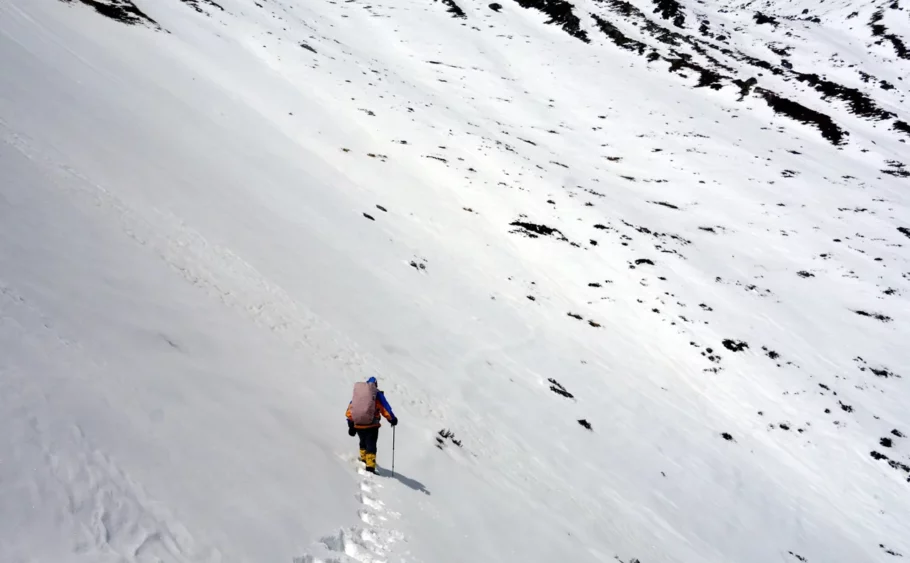
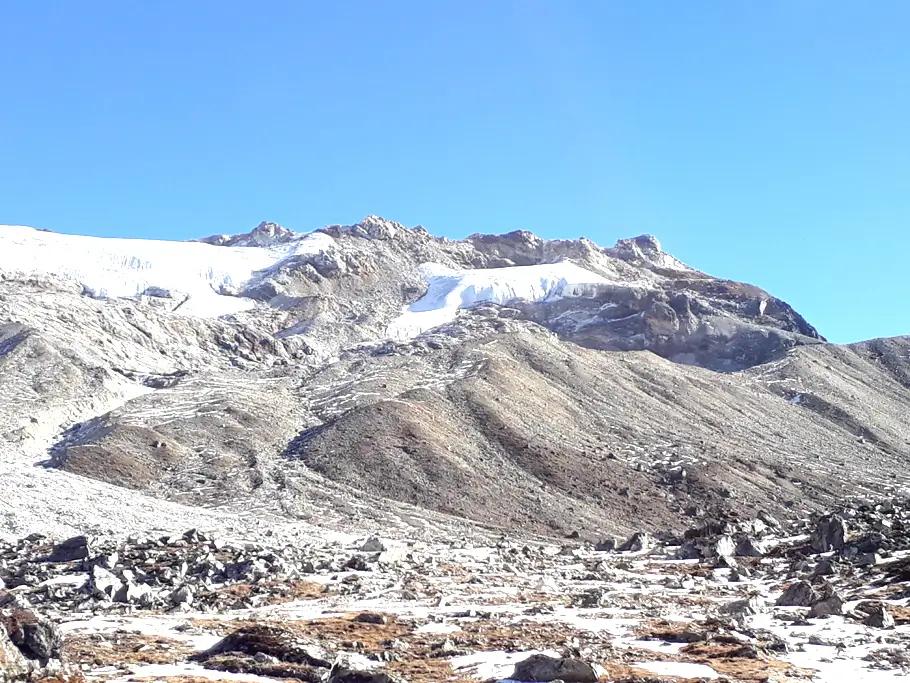 In contrast, winter (December to February) and monsoon (June to August) have significant challenges in climbing Yala Peak. Winter is characterized by extreme cold, snow, and the risk of avalanches. The night temperatures the altitude often fall below -20°C with shorter daytime. Climbing in such challenging conditions is dangerous, and requires a comprehensive amount of preparation and experience. The monsoon season (June to August) is marked by heavy rain and muddy trails which increase the potential for landslides. Due to constant clouds and heavy storms, the visibility of the area is low, making it difficult and dangerous to navigate with an increased risk of accidents. Yala Peak is not often advised to climb during these climatic conditions, especially for inexperienced climbers due to compounding risks and limited rescue options.
Ideal for: Spring is one of the best times for climbing Yala peak for beginners and people who are interested in the beauty of the Himalayas with blooming rhododendrons. The mild temperatures and stable weather create a safe and beautiful trekking environment for people not used to trekking in higher elevations and snow conditions. Also, it is the best time for climbing Yala Peak to observe clear views of the mountains. The rhododendron forests and views provide unbelievable experiences that people will remember for the rest of their lives.
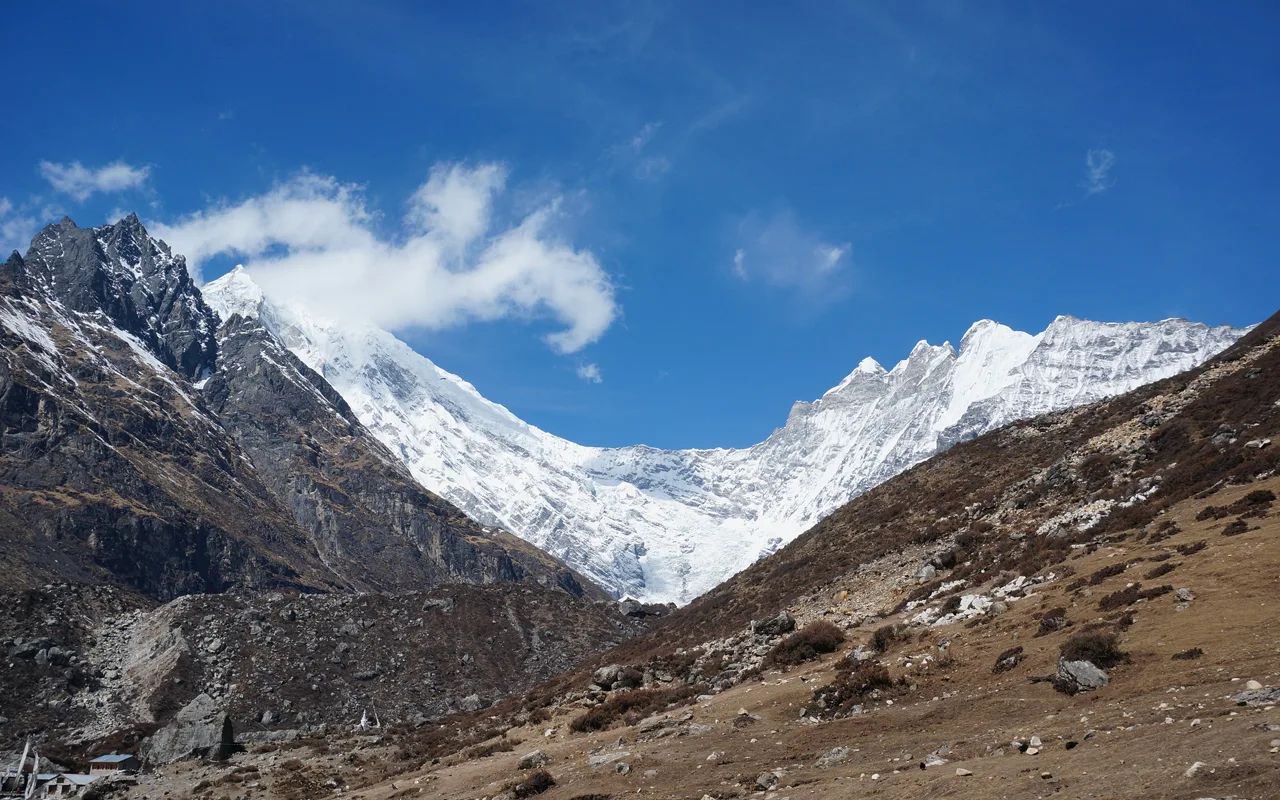
Ideal for: Autumn is the dream season for photographers wanting clear views, for peak baggers who want to summit successfully and safely, and for those who appreciate stable and predictable conditions in the Himalayas. Autumn presents post-monsoon scenery with stable weather and excellent visibility. These features allow for real rewards, whether you want to photograph Yala Peak and the Langtang range or whether you are aiming to summit with minimal headaches caused by weather. Autumn offers the best of both worlds for fellow climbers/trekkers, an unblemished, picturesque natural spectacle with reliable for safe climbing.
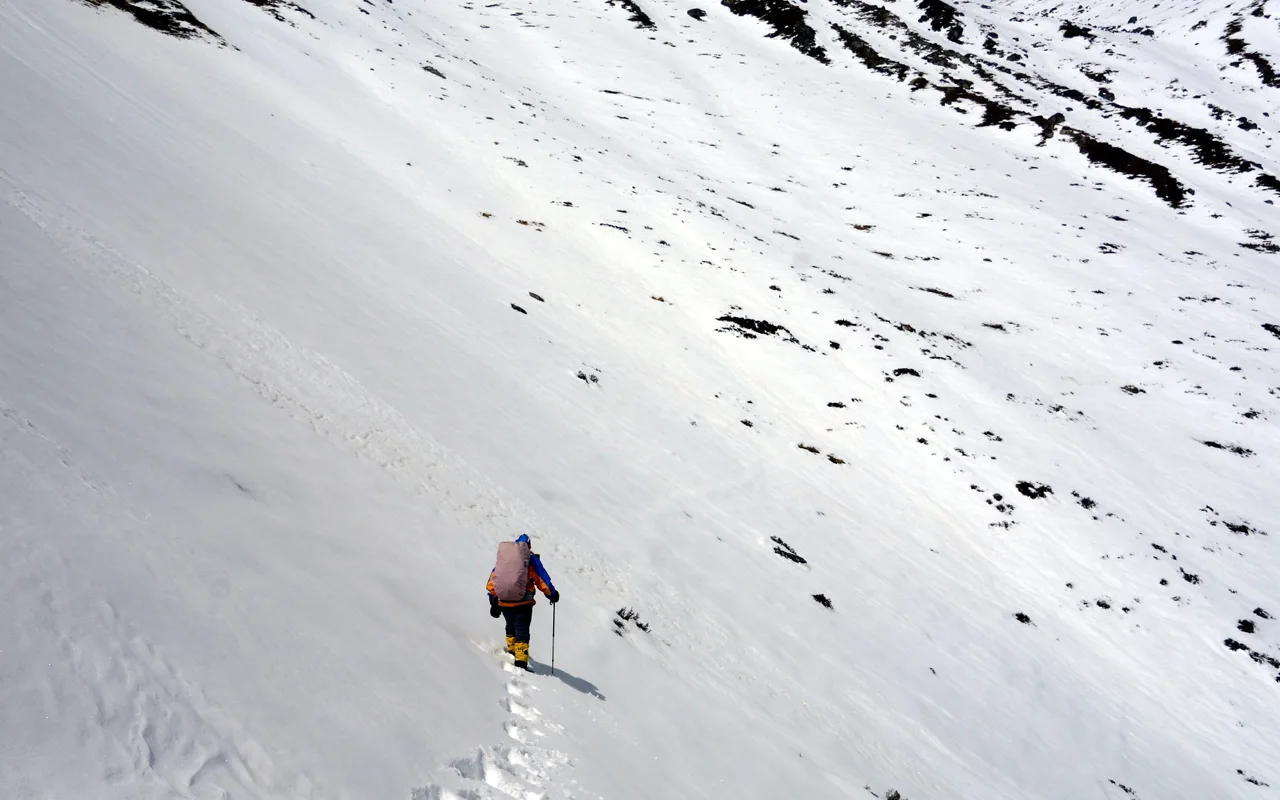
Ideal for: One of the Yala peak climbing best seasons is winter suitable for climbers with considerable experience. However, quite a lot of preparation is needed for a winter climb of Yala even if you have professional staff and guides in support. The severe cold and high risk of avalanche danger contribute to the difficulty of climbing Yala in winter, requiring advanced planning, fitness, and experience with winter mountaineering. No climbers should attempt an ascent in winter without knowing the possibility of rapid weather changes and route closures. Only those comfortable with solitude and serious alpine adventures should attempt a winter ascent.
Ideal for: In the monsoon season due to heavy rain, bad visibility, wet trails, an increased risk of landslides, and other dangers Yala Peak is not climbable. These factors increase the risk and danger of the ascent and can lead to a less enjoyable experience for climbers who may not have extensive Himalayan climbing experience during inclement weather. Therefore, for safety, and to maximize experience, Yala Peak’s best climbing season is in the spring or autumn when weather and trail conditions are substantially improved.
The best time for climbing Yala Peak in 2025 will be the springtime, which occurs in late March to mid-May, and the autumn which is late September to early November. These months have the most reliable weather and are likely to have clear skies and comfortable temperatures creating the best conditions for trekking the Langtang Valley route to Yala peak summit. Spring represents wonderful scenery with blooming rhododendrons and vibrant greens, while the autumn period is enticing with post-monsoon freshness, crisp air, and beautiful mountain visibility. Both spring and autumn are favored by climbers due to their predictability and relatively low risk of weather interruption for making a summit push, especially for those who are new to Himalayan climbing and for experienced climbers.
However, if you are planning to climb Yala Peak in 2025, then be aware of the annual major festivals in Nepal including Holi in March, Dashain in October, and Tihar in November. Booking should be done as early as possible during these festivals as these festivals affect local transport, accommodation, and permits if you are planning to visit during these times. Additionally, as Yala Peak is highly popular during these best seasons, the permits like the Langtang National Park Permit and TIMS Card should be obtained early, otherwise, you may find it complicated. Guide and porter services are also in high demand, so if you think you will need an experienced guide or support then make sure to do your research and book in advance and/or on arrival, as group departures or solo expeditions get booked fast during peak months.
Selection of the Best time for Climbing Yala Peak in 2025 is an important step to ensure a safe, enjoyable, and memorable Himalayan experience while spring and autumn are considered to have suitable weather and trails with beautiful mountain views. Spring and autumn have an ideal temperature and good visibility, making the climb technically easier for climbers of varying experience and ability levels. Because of the beautiful scenery with refreshed environment, climbing Yala Peak during the spring or autumn seasons improved the overall trekking experience.
Also, while determining the perfect season for climbing, it is necessary to consider personal preferences and goals for the expedition. Climbers attracted to colorful landscapes and blooming rhododendrons should choose the spring season. Climbers prefer fresh air, clear views, and post-monsoon landscape cleanliness, there is no better time to visit than in the autumn. Climbers who prefer to seek solitude might choose to climb in the winter and monsoon but can expect less reliable weather and fewer support facilities.
However for a smooth expedition plan and book the climb ahead. Peak seasons are filled with permits, guides, and lodges quickly, so planning is essential. Guided climbing packages tailored to the needs of added expertise, logistical support, and assurance of safety – make climbing so much more enjoyable and stress-free. Feel free to reach out if you have any questions related to guidance for Yala Peak in 2025. Join us on this once-in-a-lifetime experience to explore the beauty of the Langtang region in comfort.