Latest Posts

Talk to Trip Expert
+977 9704823980 (Whatsapp)


Talk to Trip Expert
+977 9704823980 (Whatsapp)Standing at the height of 7129 meters Baruntse becomes one of the dream destination to the climbers who are seeking for intense climbing experience. Baruntse lies at the most stunning part of Nepal, eastern part home to many of the stunning mountains like including Baruntse, Everest and Makalu. Khumbu region is known to be the place of Himalayas. Among all the mountains Baruntse stands out the most to the climbers as it offers you challenges as well as reward that can be never forgotten. Even though Baruntse is smaller than other 8000 meters Himalayas the challenges it offers is no joke. Without any preparation of both your physical and mental ability this climb is no near to be succeed.
It is very important to know about the seasons, challenges and weather condition before considering Baruntse as your next climbing destination. Weather conditions are unpredictable in the mountains like Baruntse risk are fluttering like a siren in every footsteps of yours. This blog will let you know about the weather conditions, challenges that comes with the seasons and what type of seasons brought you what kind of retreats and threats. Al together travelling to Baruntse is amazing experience that climber should feel once in their life period.
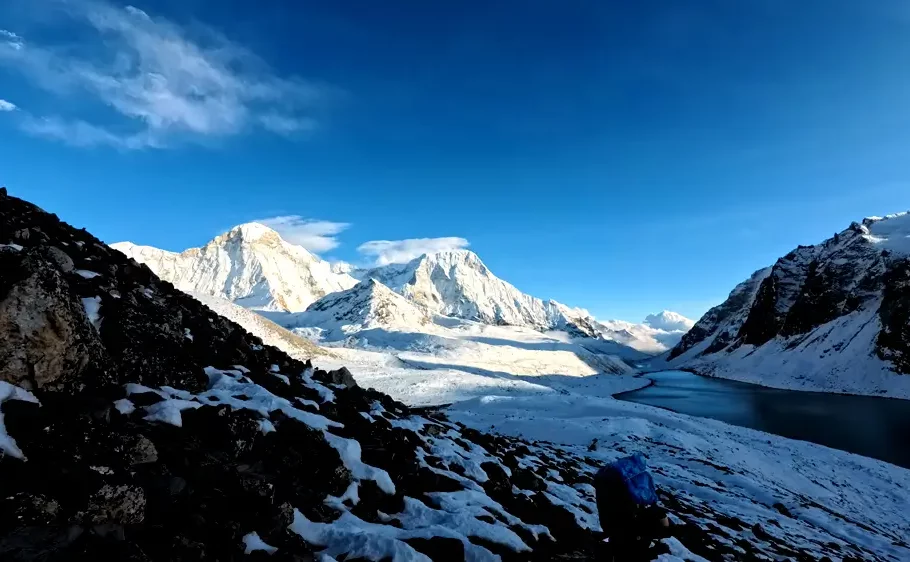
Nature of a certain place can be derived from its geographical area, its origination and most of all its biodiversity and habitat. South Asian monsoon highly influence the climate condition in Himalayan region. Baruntse is located near Makalu Barun National park that mostly faces mix of two weather conditions they are alpine and high mountains. Climbers have to face snow storms and sometimes burning sun. Snow storms can be faced during day time also.
Weather condition offered by this season is typically dry and stable. Weather is clear and can be predictable.
During summer monsoon Baruntse faces heavy rain fall, cloudy skies and the risk of avalanches.
Brauntse’s temperature is colder during this season also offering you dry and clear weather conditions.
Weather condition is harsh as the landscape faces heavy snowfall, strong wind and extreme cold.
Baruntse is a remote valley lies near other mountain peak as a result this place faces frequent snow falls especially near glacier areas and ridgelines you might acclimate on frequent snow fall sections. Weather change are rapid and unpredictable especially during winter season. At the altitude of 6000 meters you will feel extreme and rapid wind situation.
Spring and autumn are considered the best seasons for climbers and trekkers. Similarly, most climbers prefer these peak seasons for the Baruntse Expedition, as they offer clear weather, stunning views of the Himalayas, and ideal route conditions that make trekking easier. However, these seasons also tend to be more crowded compared to others.
Spring season is an ideal season to attempt climbing in Baruntse as the weather condition is more favorable than other season offering you with clear vision and clear skies with predictable weather as well as favorable temperature. No matter which season writes what for you there is always a high hope for spring season.
Spring season offers you favorable weather condition, predictable weather conditions, moderate temperature, better route condition, clear skies and clear views of Himalayas. Picking spring season is itself an amazing choice you can imagine your climb being success.
This season is the most favored season by climbers so expect the routes to be filled with climbers and trekkers. You will encounter slippery routes as the snow rapidly melts during this season. No matter which season you prefer risk of altitude sickness is high planning a better acclimatization is very much important. If you want to seek peace then this season should not be on your bucket list.
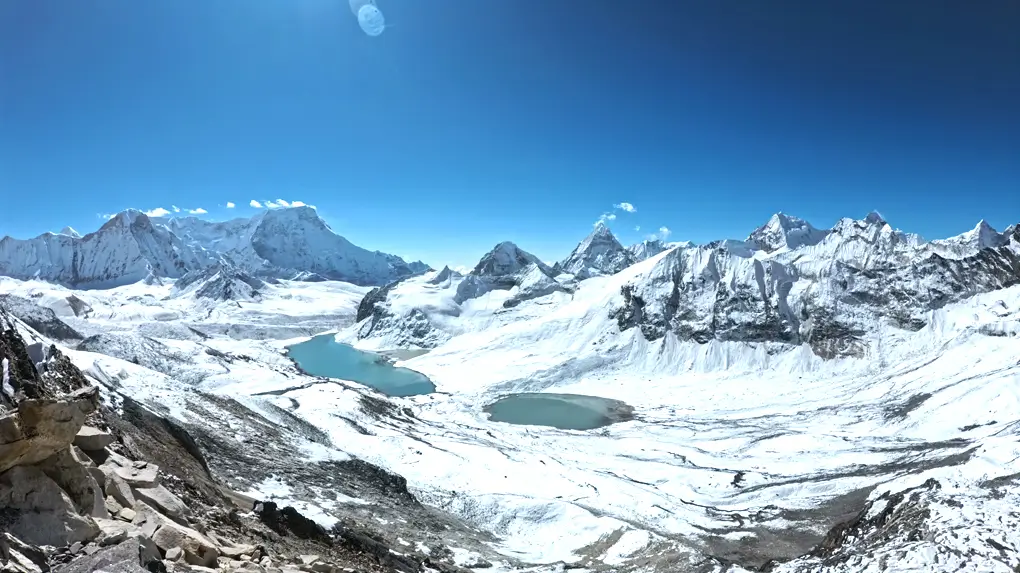
During this season air becomes crisper as well as dry weather conditions. This season is more familiar like spring season making it the best choice of trekkers. As autumn begins pollution on the air wipes away. This season is still cold but the condition is a good cold situation with cool air. Visibility is crystal clear. Having its own advantage and disadvantage this season stands out the most.
During this season skies are clear and visibility is crystal clear offering you best sights of Himalayas and dramatic landscapes. Weather is very predictable and stable also the level of snow fall is low. You can expect less crowd than spring season you can enjoy peaceful experience through your climb and acclimatization days.
Especially in the late November you will feel colder as the temperature drastically drops. You might not complete your expected climb as the day light is shorter. Risk at glacier section are high due to early snowfalls.
There are two main seasons you should avoid and they are monsoon and winter season. These seasons are one of the risky season to perform climbing in any mountains. Avoiding this season can be good for your safety.
Monsoon season is all about rainfall Nepal faces high rainfall during this season especially at the lower and mid zone. Himalayan region faces high snow fall with rain during this season making trials slippery and impossible for climb. Temperature is warm which ac cause high risk of avalanches. Overall weather conditions is unpredictable.
Route is slippery and highly infected by leeches. Visibility is poor due to smokes and heavy rain or snow fall. As the temperature is warm causing high risk of landslides and avalanches.
Cold at the mountain region is extreme. Winter brings thick snow and frequent snow storms at the night time temperature can drop up to -25 degrees. Making this season challenging and unbearable. You cannot expect available of teahouses as well.
One of the major challenge of this season is its temperature along with cold temperature here are some other challenges and they are strong wind, deep snow and other technical challenges like hard to climb.
No matter which season you are preparing to climb Baruntse there is always a challenge awaiting for you. To take all the challenges related to climb and your experience you should be fully prepared to make your climb success.
Snow storms are sudden causing less visibility throughout your climb which makes you lose track of your route. Temperature during the day and nights are different and can switch up to 20 to 30 degrees. Risk of avalanches are high especially when snow falls are new and fresh. Above the height of 6500 meters winds are very strong causing shortness of breath and lack of oxygen.
Before setting foot on track check weather condition or listen to weather forecast. Use satellite weather apps to forecast weather some of the examples of satellite weather apps are windy, mountain forecast and MeteoEarth. Stay connected with weather and local expertise contact in Lukla or Kathmandu if anything arises. Weather condition is harsh so hiring a guide is very essential as they can predict the mountain condition well.
Climbing to Baruntse is everyone’s dream and an adventure to the most amazing Himalayan landscapes. With the proper preparation climb to Baruntse will be success. You should be physically fit, mentally stable, your packing should be proper and light, gares should be correct the agency you choose should be trust worthy and can assure your safety. Guide and porters also plays a vital role for your successful climb as they guide you from the route to submit. After this trek you will get a rewarding feeling which is unforgettable.
Training for at least 3 to 6 month before climbing is mandatory. You should train yourself by performing cardiovascular activities as it helps you to cope up with long days walk focus on your legs more than other parts of your body. Carry weight bags and walk through the high elevation arrears or do hills or stairs climbing. Focus of legs and core you can try doing swimming, cycling, spiking, rope climbing and rock climbing. With that you should do altitude training to keep yourself free from the risk of altitude sickness.
You should learn about gears and how to use the specific gadgets at the specific time period. As the weather is unpredictable remember to pack clothes based on four layer which can handle any kind of weather conditions. Sleeping bag is essential as teahouses are may not be available at the routes. Carry sleeping bag which can cope up to night freezing temperature up to -20 degrees. Carry mountaineering boots which have a good grip and other essential gears like ice axe, helmet, sunglasses and crampons. Ropes, carabineers, ascender and pulley are important during glacier travels.
Baruntse is located at the remote valley of Nepal. As it is the mountain valley risk of travelling alone is high so travelling solo and individually is restricted from this area so be with your guide and the group of people with you even if you have one person by your side then you are ready to go. Baruntse falls under restricted area as well as you have to obtain three kinds of permits and they are Baruntse ClimbingPermit, Makalu – Barun National Park Permit and TIMS Card ask your travel agent for the permits. Hire trustworthy porters. You should arrange base camp services yourself by building tents, cooking food and communication.
If you ever feel unease in climbing or recognized the symptoms of altitude sickness try communicating with your guide and establish evacuation protocols to reduce the risk of altitude sickness. Invest in insurance if you ever have health conditions then you can easily access helicopter facilities which will be lifesaving for you. Carry satellite phones or GPS trackers in case any emergency arises. Carry first aid box as medical facilities are not even close to miles prevention is better than doing nothing be prepared to fight with any injuries.
Baruntse is the trip to adventure and life changing journey through challenges and struggles. This trek is not for non-experienced climbers if you really want to achieve Baruntse then try from the scratch trek on low elevation and build it more and more. As this place is in remote area it’s complicated as well. The more you try to find a way the more you feel like you are going down the snow. But with good preparation strategies trip to Baruntse is success. Travelling according to seasons and weather condition is a great move. As you can predict what is coming next.
In short spring March – May and Autumn September – November is the ideal season to climb Baruntse mountain as it provides you with crystal clear views of mountains, dry trials, predictable weather condition and moderate temperature. Monsoon and summer season should be avoided as monsoon brings the risk of avalanches, slippery trials and leech infected routes and winter brings the risk of snow storms, heavy snow falls and risk of altitude sickness. Every season have its advantage and disadvantage but in the mountain region it’s not easy to say but it’s just an assumption no season is safe until you are self-prepared
If you are eagerly planning to visit Baruntse or this climb has always been your dream destination then you should give a call to your trust worthy agency. So are you ready for your adventurous climb? Baruntse is waiting for you.