Latest Posts


Talk to Trip Expert
+977 9704823980 (Whatsapp)


Talk to Trip Expert
+977 9704823980 (Whatsapp)The City of Temples, Kathmandu, is not just famous for its culture and history. It has architectural beauty in the forms of gorgeous Himalayas, traditional cheer, and exciting festivals including ethnicity.
Being the entrance of the Himalayas, it contains a lot of activities for both locals and tourists throughout the year, but in this case, the fun largely depends on the period of the year. These experiences are greatly influenced by factors such as weather, climate, and possibly most importantly local events.
In this blog, we will be discussing one of such things when it is the right time of the year to visit Kathmandu considering such factors helping you to decide when to head on for the journey.
The capital city of Nepal – Kathmandu is an exquisite destination full of age-old traditions, beautiful mountain ranges, and colorful festivals. Knowing the best time when to go, one can maximize the entire visit to this multi-cultural and spatially integrated city.
From the clear skies of autumn temperatures appealing for trekking and embracing sites of readable history, to exuberant festivals that decorate the city such as Dashain and Tihar, each chapter in your travel write-up will come together intensely.
While the flowers bloom in spring with warm prone temperatures, the winter months, in turn, offer a much forced time with sunny clear days, although there are very few distractions and events during this time. For those who love exploring places on a budget within their close ranges, even the rains and monsoons have a way owing the greenery.
This guide will assist you in understanding the seasons and the weather that accompany them in terms of public holidays and the best views of the Himalayan regions which will aid in mapping out your tour to the city of Kathmandu.
As Kathmandu is located within the subtropical areas, it has four seasons experienced throughout the year – spring season, summer (also known as monsoon season), autumn, and winter. These seasons are experienced differently with each of them having their own specific original capturing aspect, however, it is essential to what sort of weather will be certainly experiencing to prepare yourself.
Spring is the most favorable season that attracts so many visitors to make inbounds into Kathmandu. Though this period ranges from mid-March to mid-April, the temperature seems mild and pleasant, wherein the maximum and minimum daytime and nighttime temperatures respectively range from 16 to 25 degrees Celsius. This period reawakens of warm sunny with flowers making it perfect for trekking and outdoor activities.
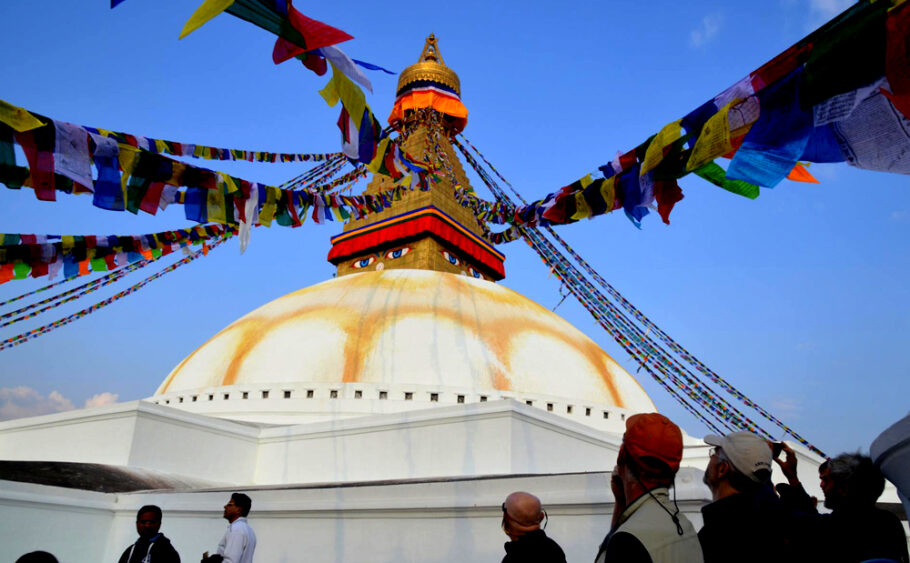
a. Weather: Gentle weather allows for extensive sightseeing of Kathmandu and its valleys, enjoyable walks, and time spent at World Heritage sites such as Pashupati temple, and Boudhnath Stupa.
b. Clear Skies: At this time of the year, the spring season of the hills is also an advantage since there is less fog. These clearer views of Mount Everest are obtainable, particularly round the start of March and April.
c. Flower Blooms: The beauty of the scenery is further enhanced by the blossoming of rhododendrons, the national flower of Nepal, which covers the valleys and hills.
Crowds: Spring is the busiest season for visitors as the weather is pleasant which is the main reason why the spring season is most popular in Kathmandu. Similarly, other trekking zones, like Annapurna, and Everest Base camp trekking routes are also very busy this season.
There is a rainy season during the summer in the city of Kathmandu. During this period, from June to September, the city witnesses heavy rainfall which may put a halt to some travel activities. The summer heat lasts between 20 degrees Celsius to 30 degrees Celsius. While the rains are plentiful, this season has its benefits as well.
a. Lush Greenery: Thanks to the rains, the Kathmandu Valley is verdant with green Hills and green valleys masked with thick bushes. This is a perfect period for those interested in the outdoors as well as photography.
b. Fewer Crowds: The streets, temples, and trekking trails are much less crowded with a great number of tourists, offering a different side of Kathmandu that is more close-knit.
c. Discounted Rates: During the off-peak season, you will find the accommodation, the itineraries, and the airfare all appreciably lower.
Heavy Rainfall: For most of the tourists, the monsoon rains were a source of trouble since they made their ground travel difficult, caused flight cancellations, and some of the trails around the Kathmandu valley, where most of the explorations were carried out, were quite muddy.
Humidity: For those people who are not familiar with this type of weather, the high humidity during the monsoon season may not be favorable.
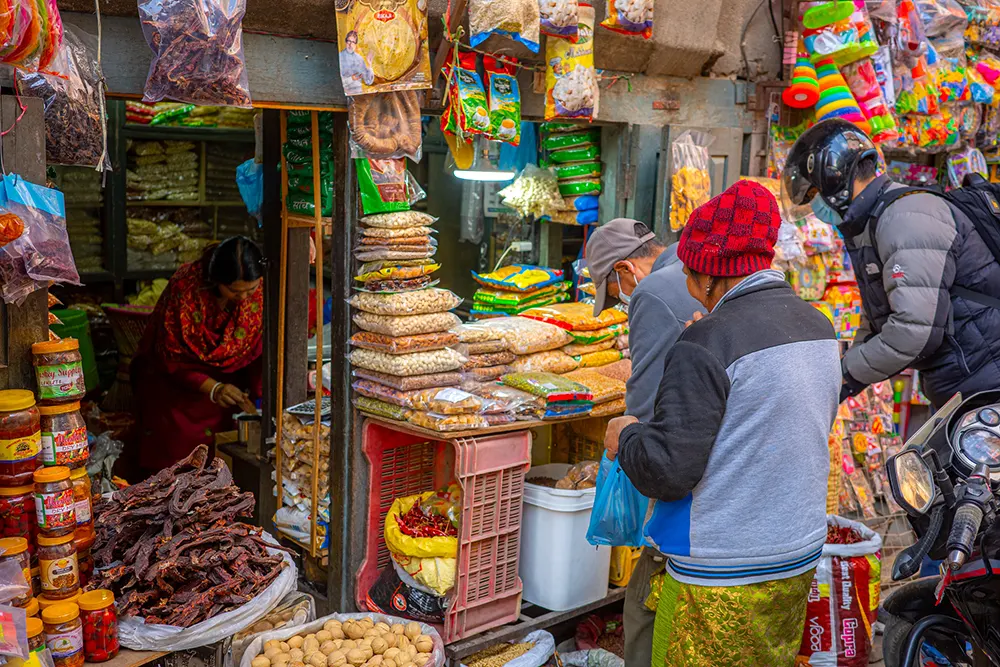
Kathmandu is worth visiting during the autumn months. The climate is ideal – blue skies, pleasant temperatures (10-25 degrees Celsius), and little precipitation are great for being outside and exploring the beauty of the area. This is the season for trekking in Nepal as thousands of tourists come to this place.
a. Ideal Weather: There is a bright sun in the afternoons which makes it easier for sightseeing, trekking, and other cultural activities. Morning and evening show cooler temperatures which are favorable for activities.
b. Crisp Views of the Himalayas: If one wishes to see the ranges of the Himalayas from Kathmandu, autumn is the season to put that desire into action. At Nagarkot and Dhulikhel, sunrise and sunset views of the ranges are exceptional.
c. Festivals: Simultaneously with such peaceful times, this time of the year is accompanied by some of the largest upspringing festivals in Nepal – Dashain and Tihar are the opportunities available for tourists to enjoy the decoration of streets.
Challenges in Autumn:
Crowds and Higher Prices: Autumn is usually the busiest period for travelers in Kathmandu. These facilities are always mostly overbooked, and even if there happens to be some capacity left, that will most likely be very overpriced.
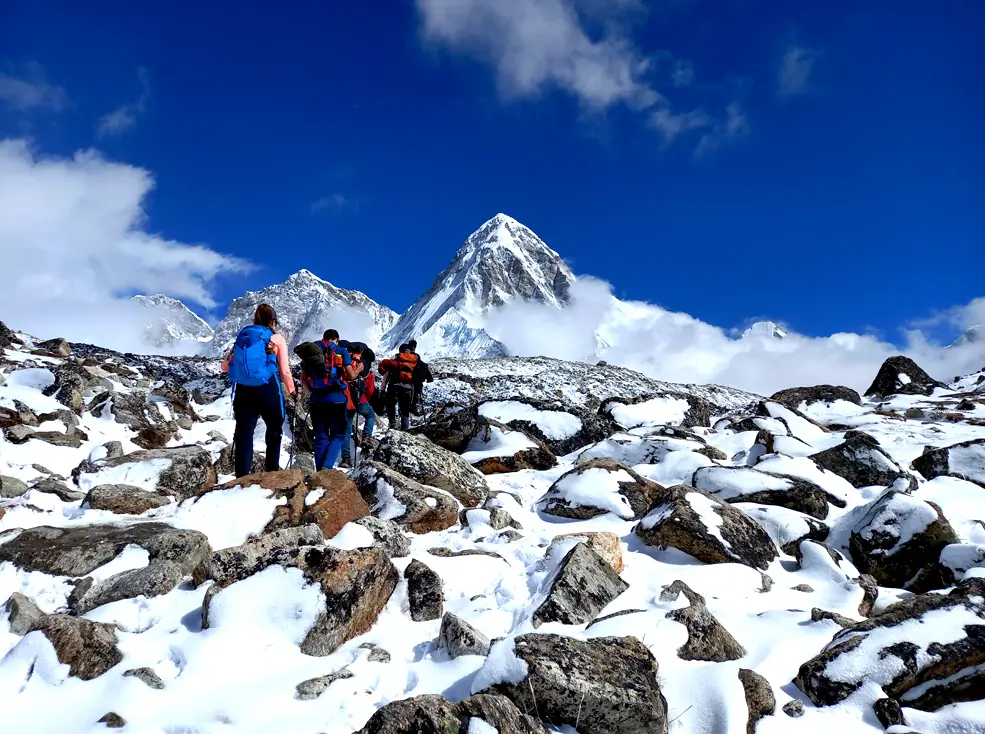
Kathmandu is cool during the winter. It gets almost cold during the mornings and evenings. During this time, temperature ranges anywhere between 2 ° C and 15 ° C, while fog and mist usually occur in the early parts of the day. And although cold, winter is a good time to visit if you wish to avoid overcrowded places.
a. Clear, Crisp Days: Although mornings and nights can be chilly, the remnants of the day often reveal blue skies. The uninterrupted views are therefore favorable for mountain viewing.
b. Fewer Tourists: It is amongst the least populated seasons to explore the city. As such you can freely visit all the places of interest within the city without the inconveniences caused by a tourist rush.
c. Lower Prices: The majority of the hotels and tour operators do offer lower prices where there are few tourists in the winter season.
Cold Weather: Low temperatures, particularly during the night can be disheartening for some holidays. Due to the geography of many cities in Nepal, very few people get heating systems in their hotels or houses so one has to wear thick clothes.
Limited Trekking: Certain trekking areas may be hard to reach because of winter and the chill, especially on higher grounds.
Nepal boasts an abundance of cultural heritage, and nowhere else can its delights be felt deeper than in Kathmandu. Being present at such a festival in Kathmandu is, in fact, quite uplifting. Some of the major festivals in the capital city are described as follows:
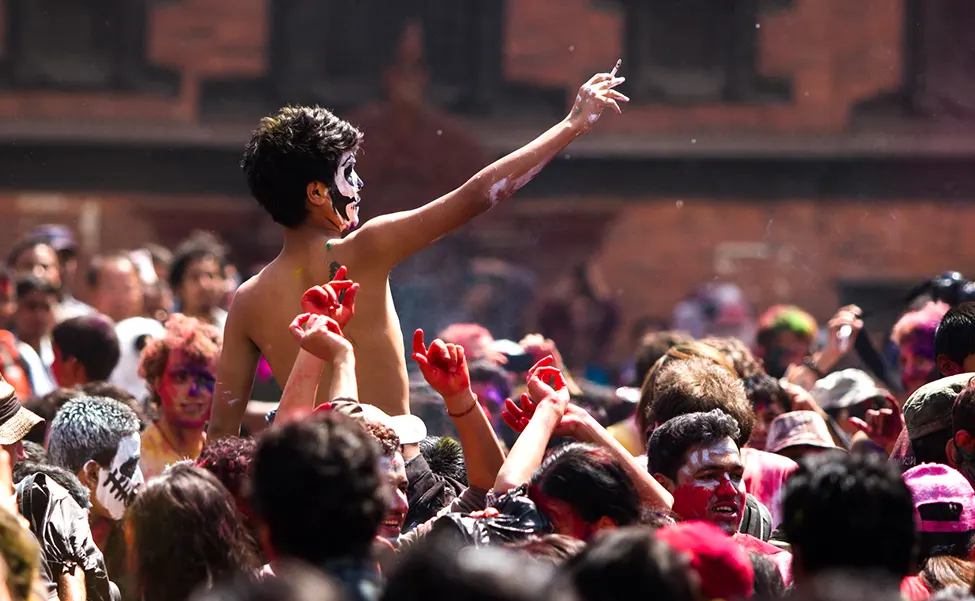
Holi, the festival of colors, is held in March and is intended to welcome the season of spring. It is a carnival where the visitors join in open places to smother each other in colored pigments, meaning the triumph of virtue and the warm season.
Bisket Jatra is organized on the new year’s day in Bhaktapur town of Nepal. Chariot pulling, rituals, and tug of war are some of the activities.
Among many festivals that are celebrated in Nepal, Dashain can be said to be the most grand. There are several occasions for observation and participation within 15 days when the goddess of Durga is being worshipped which celebration also symbolizes the triumph of the good power over the evil one. During this festival, family members come together, enjoy traditional food, and make and fly kites.
Tihar, the ‘festival of lights’ or quite commonly known as Deepawali. Most of the festivals mentioned will take place during the festival that occurs after Dashain. This is the five-day festival to be honored along with the animals which include crows, dogs, and cows.
Indra Jatra is one of the grand occasions in Kathmandu. It pays tribute to Lord Indra, the king of Heaven and the god of water rains, through odysseys, masked dances, and exhibitions of the living goddess Kumari.
The best time to visit Kathmandu will depend entirely on the kind of experience the traveler is interested in. If one tends to like nice sunny weather, post-monsoon season or say September to November makes an ideal visit for stunning views of the Himalayas in addition to important festivals such as Dashain and Tihar taking place.
For those who would rather travel in a lesser mass as well as at low costs, the winter period and the rainy season can also be quite fruitful with some daunting weather conditions. Lastly, summer is the best season for lovers of nature with lots of flowers, greenery, and moderately warm weather.
To summarize, no season can be termed as boring in Kathmandu since there is something for everybody from culture during the festival seasons to breathtaking views of the mighty mountains. Organize your travel according to your likes, and in this amazing city, you are bound to have memories that will last a lifetime.