Latest Posts

Talk to Trip Expert
+977 9704823980 (Whatsapp)


Talk to Trip Expert
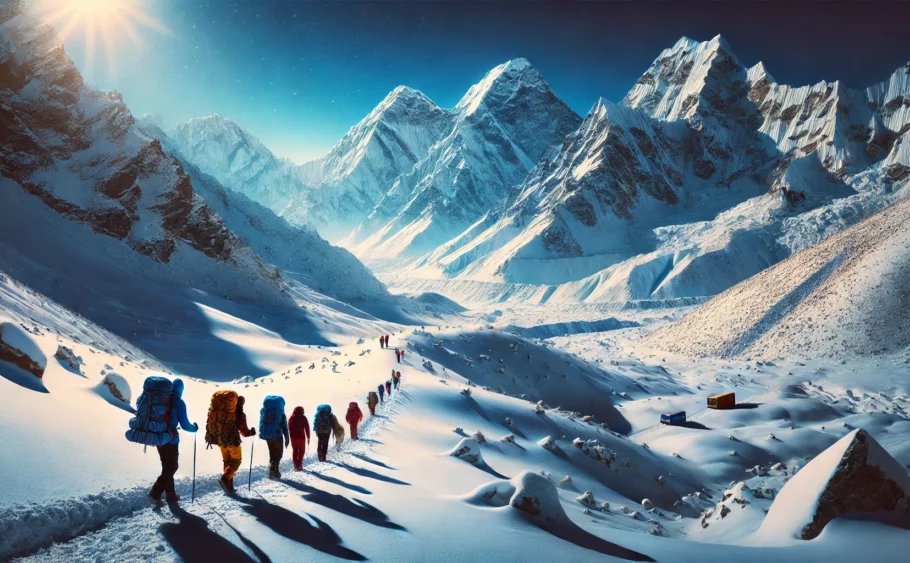
+977 9704823980 (Whatsapp)December is a magical time for winter treks in Nepal when the Himalayas turn into a snowy wonderland under clear blue skies. The crisp daytime air makes hiking comfortable, and with fewer trekkers on the trails, you’ll find plenty of quiet moments to soak in the breathtaking mountain views fully. Nights can be chilly at higher elevations, so packing warm clothing is essential.
Beyond its pristine landscapes, December also highlights Nepal’s rich mountain culture. Warm teahouses dot the routes, offering cozy refuge and a glimpse into local traditions. Friendly villagers welcome trekkers, sharing homemade meals and life stories in the highlands.
Despite cooler temperatures, the lower foot traffic during December allows you to explore Nepal’s natural and cultural beauty at your own pace. Whether you’re a seasoned hiker or a first-time adventurer, the blend of snowy peaks, tranquil trails, and genuine local hospitality promises an unforgettable Himalayan experience.
Winter is a very special time to trek in Nepal. Unlike other seasons, the trails are much quieter, and soft snowfall offers unbeatable views of the majestic Himalayas.
The peace of chilly winter and the clear sky are perfect for those looking for adventure and undisturbed nature. Winter’s snow-covered places provide a beauty that is hard to find in any other season.
Winter trekking offers adventure enthusiasts and nature lovers a unique and rewarding experience. Here’s a detailed breakdown of why winter is an ideal season for trekking:
Winter trekking in Nepal offers a unique blend of adventure, tranquility, and natural beauty. With proper preparation, the challenges become manageable, and the experience becomes one of the most rewarding journeys for adventure enthusiasts.
December is a magical time for winter treks in Nepal when the Himalayas turn into a snowy wonderland under clear blue skies. The crisp daytime air makes hiking comfortable, and with fewer trekkers on the trails, you’ll find plenty of quiet moments to soak in the breathtaking mountain views fully. Nights can be chilly at higher elevations, so packing warm clothing is essential.
Beyond its pristine landscapes, December also highlights Nepal’s rich mountain culture. Warm teahouses dot the routes, offering cozy refuge and a glimpse into local traditions. Friendly villagers welcome trekkers, sharing homemade meals and life stories in the highlands.
Despite cooler temperatures, the lower foot traffic during December allows you to explore Nepal’s natural and cultural beauty at your own pace. Whether you’re a seasoned hiker or a first-time adventurer, the blend of snowy peaks, tranquil trails, and genuine local hospitality promises an unforgettable Himalayan experience.
Winter trekking in Nepal is something different, as it offers pathways of snow, crystal clear skies, and breathtaking views of the Himalayas. This season is considered best as this is the time when the famous trails see fewer crowds, and the trekkers can enjoy the quiet beauty and culture of Nepal. Some of the finest winter treks to be done in Nepal are mentioned below:

The Everest Base Camp Trek is at the foot of Mount Everest, the highest peak in the world. It’s a great trek with marvelous views of Everest, Lhotse, and other towering peaks. Added is the Sherpa culture, which provides valuable insight on the way. During winter, the trails are less packed; thus, solitude and tranquility can be spotted on the way.

This is the best time of the year in which unhindered views of the snow-capped peaks at the time can be visualized perfectly. The serene atmosphere and the quiet trails present a picture of beauty; this adds to the glory of trekking. A moment for one of the most unforgettable winter adventures.

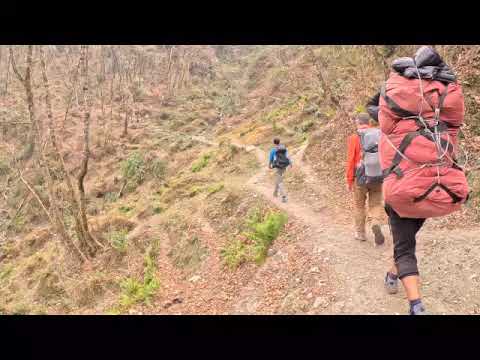
The Annapurna Base Camp Trek takes one through varied landscapes to arrive at the Annapurna Sanctuary, surrounded by towering peaks. During winter, these trails look better with a layer of snow and quiet the surrounding ambiance. Exceptionally few trekkers along this path provide complete solitude and enjoy nature.

The crisp, fresh air and clear skies offer stunning views of Annapurna, Machhapuchhre, and surrounding peaks. This trek also provides insight into local culture as you pass through charming villages, making it one of the finest winter treks for nature enthusiasts and cultural adventurers.
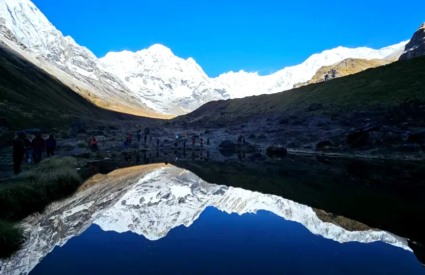
The Langtang Valley Trek offers cultural richness and incredible Himalayan scenery. During the winter season, the snowy cover provides quiet trekking without crowds. This trek passes through the Langtang Valley, a native place of the Tamang ethnic tribe, and offers a chance to observe the culture of the locals.
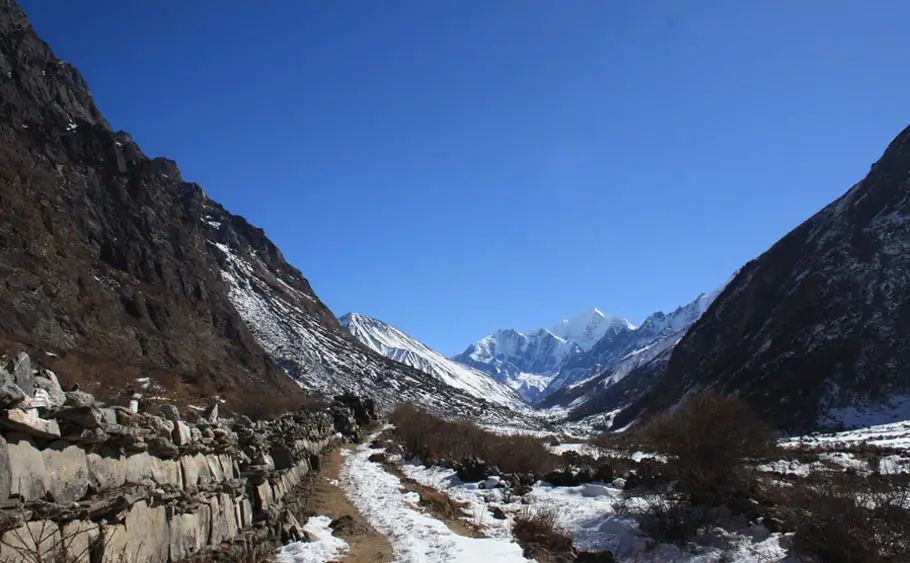
The clear skies of winter add beauty to the peak, Langtang Lirung, along with other surrounding peaks. Since few trekkers go this route during winter, the peaceful journey will take place while enjoying the warmth among the locals. Beautiful landscapes and cultural encounters make Langtang Valley an ideal winter trek.
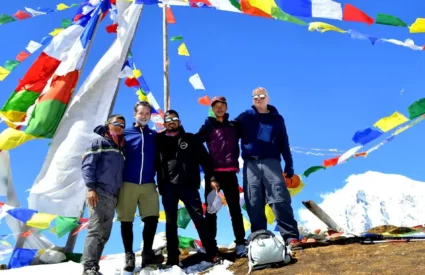

The Ghorepani Poon Hill Trek is a short and famous trek for panoramic sunrise views over the Annapurna and Dhaulagiri ranges. This is perfect for those seeking a quick yet rewarding adventure. In winter, clear skies provide stunning morning views of the snow-capped peaks from Poon Hill, making it a magical experience.
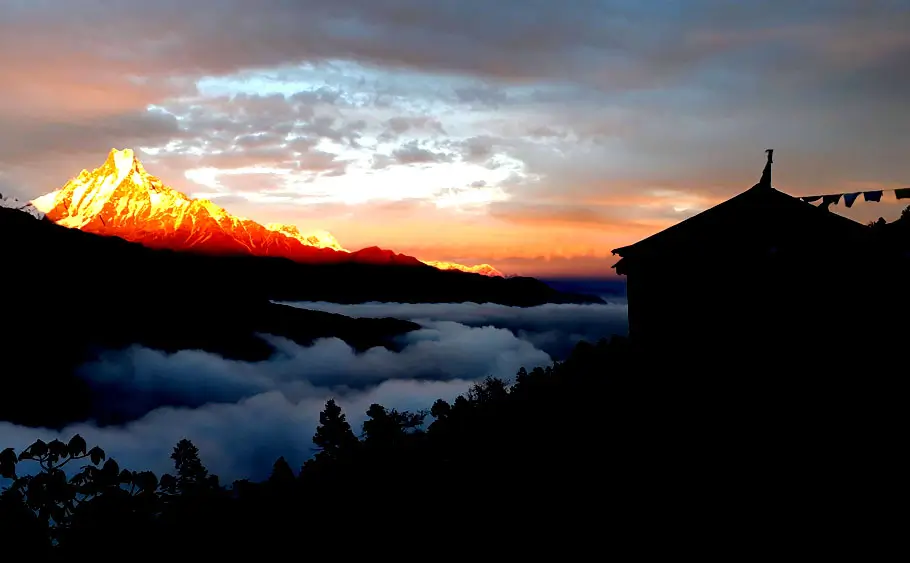
The trails are less crowded, providing a peaceful atmosphere for trekkers. Along the route, you’ll pass through traditional villages and forests, adding a cultural touch to the natural beauty. Crispy air, serenity in the surroundings, and awesome views make winter the perfect choice for this small winter trek.
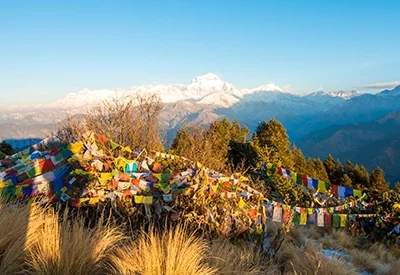

Mardi Himal Trek is one of those hidden gems for treks. It offers spectacular close-up views of Machhapuchhre and the Annapurna range. It is less crowded in winter, so this route should provide a quiet, more intimate time with nature for trekkers. The pathways will be covered by snow in this trek, offering adventure and beauty.
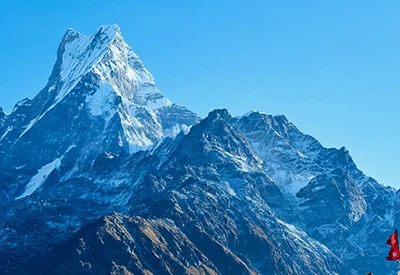
The sharp mountain air and clear winter skies represent this peak’s majesty. During the winter season, it is a haven for introverts. The trek can lead to the cultural richness of the small villages and forests. Mardi Himal can be one of those perfect winter treks, offering the quiet serenity, adventure, and magnificent views one seeks.
Trekking in Nepal’s winter months requires careful preparation to enjoy the snow-covered mountains without complications. Cold temperatures, snow-blanketed pathways, and high altitude require a trekker to be prepared and well-equipped with all the gear.
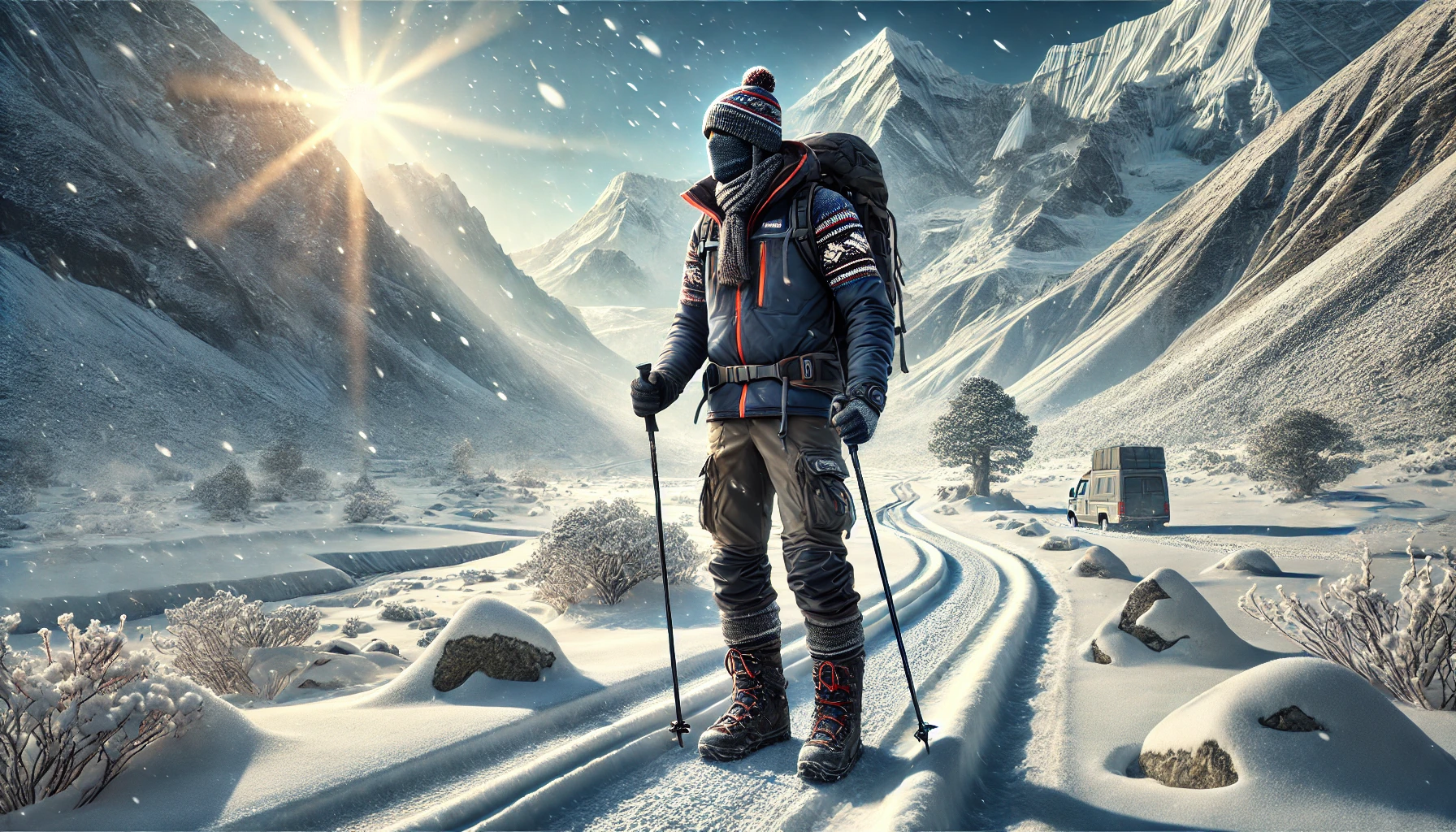
For winter treks, dress in layers. This approach allows you to easily adapt your body to the changing temperatures throughout the day. Start with a base layer that wicks away sweat from your skin. Next, include an insulating thermal or fleece mid-layer, and complete your outfit with an insulated jacket to help trap body heat.
Then, an outer and windproof layer will keep off snow, wind, and rain. Let’s not forget a warm hat, gloves, and scarf to protect those places exposed to the cold and prevent frostbite.
Waterproof, insulated, and good-gripping trekking boots are a must. The trails could be slippery with snow; waterproof boots with insulation, support, and stability will keep you safe and comfortable. The addition of gaiters will block the entry of snow in your boots.
Key trekking gear includes poles for stability on icy trails and crampons for enhanced traction on snow and ice. Moreover, a high-quality sleeping bag designed for sub-zero conditions is essential at higher altitudes due to significantly lower temperatures.
When trekking in the Himalayas, it’s essential to acclimate gradually. This slow ascent and proper hydration help prevent altitude sickness. Be mindful of symptoms such as dizziness, nausea, and shortness of breath, and consult a doctor if necessary.
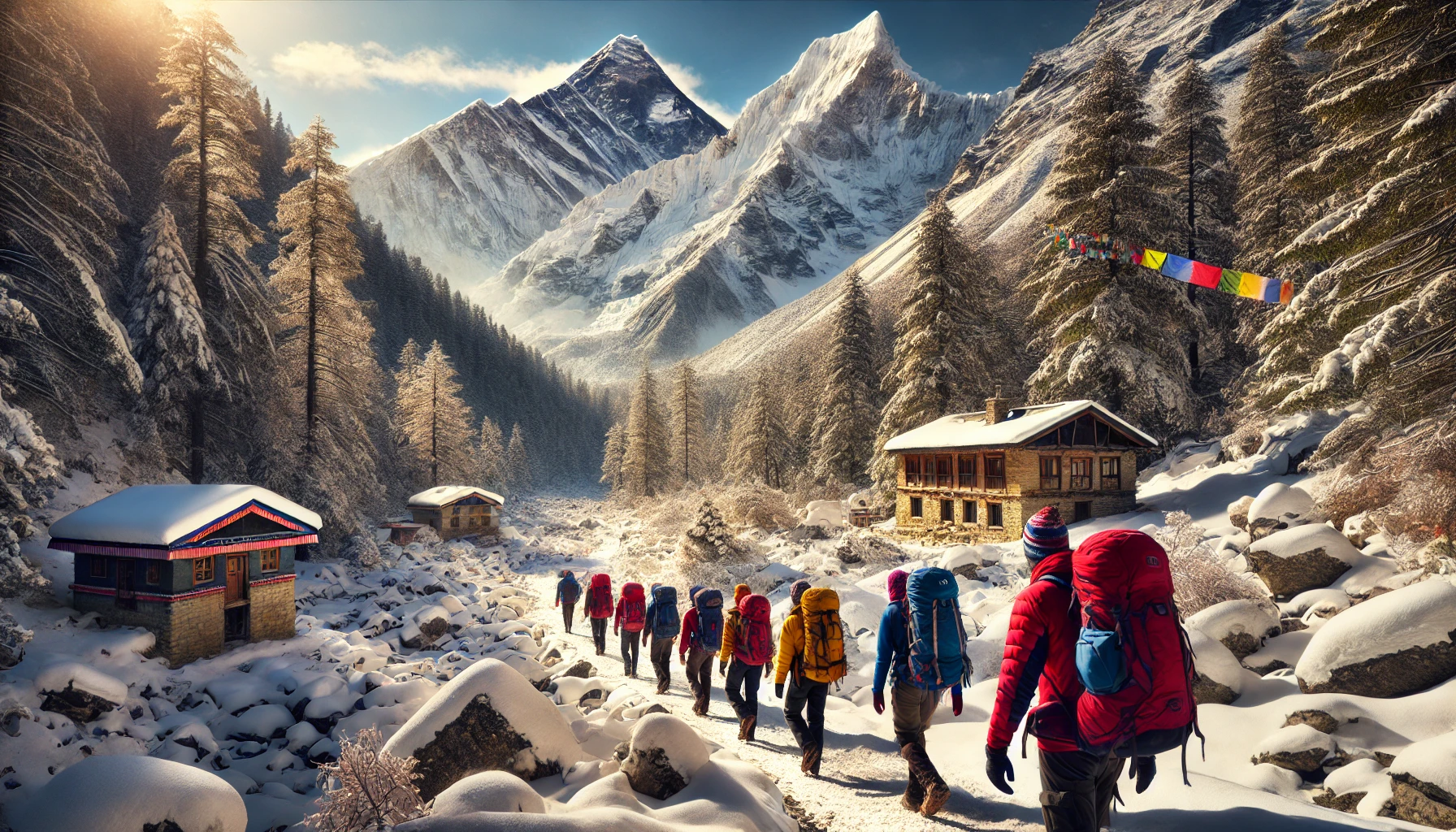
Check the weather forecasts before venturing out, and be alert for unexpected changes in weather patterns. Trekking with experienced guides who are familiar with the winter landscapes significantly increases the chances of safe passage. Having a first aid kit on hand and familiarizing yourself with emergency evacuation procedures is also advisable.
With proper preparation and the right equipment, you can confidently experience the snow-covered splendor of the Himalayas.
Apart from the breathtaking scenery, winter trekking in Nepal presents a unique opportunity to experience the culturally rich lifestyle of mountainous communities. During your journey, you might be lucky enough to observe or participate in local winter festivals indigenous groups celebrate. Often filled with music, dance, and traditional rituals, these festivals offer glimpses into the customs and traditions passed down through generations.
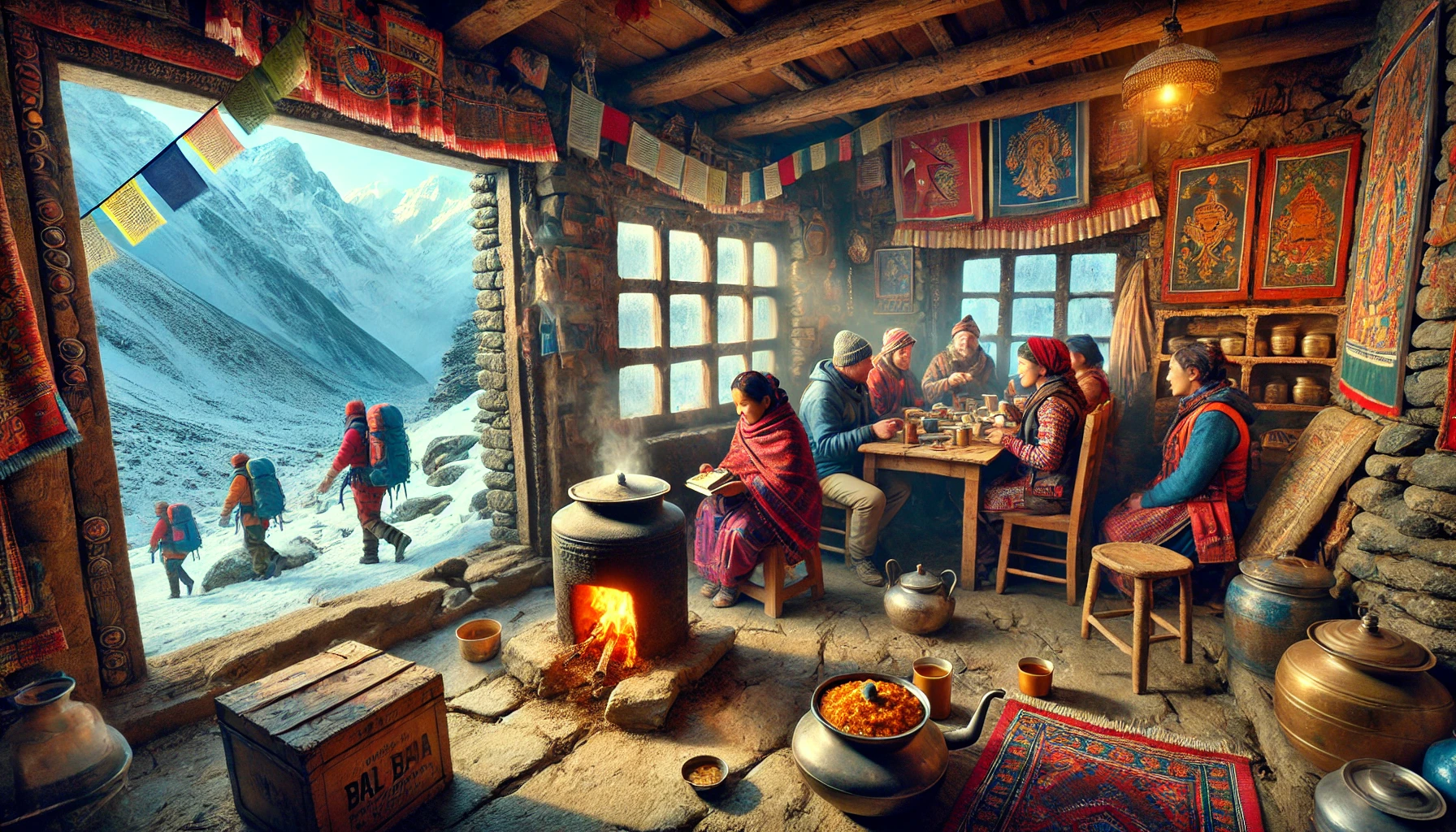
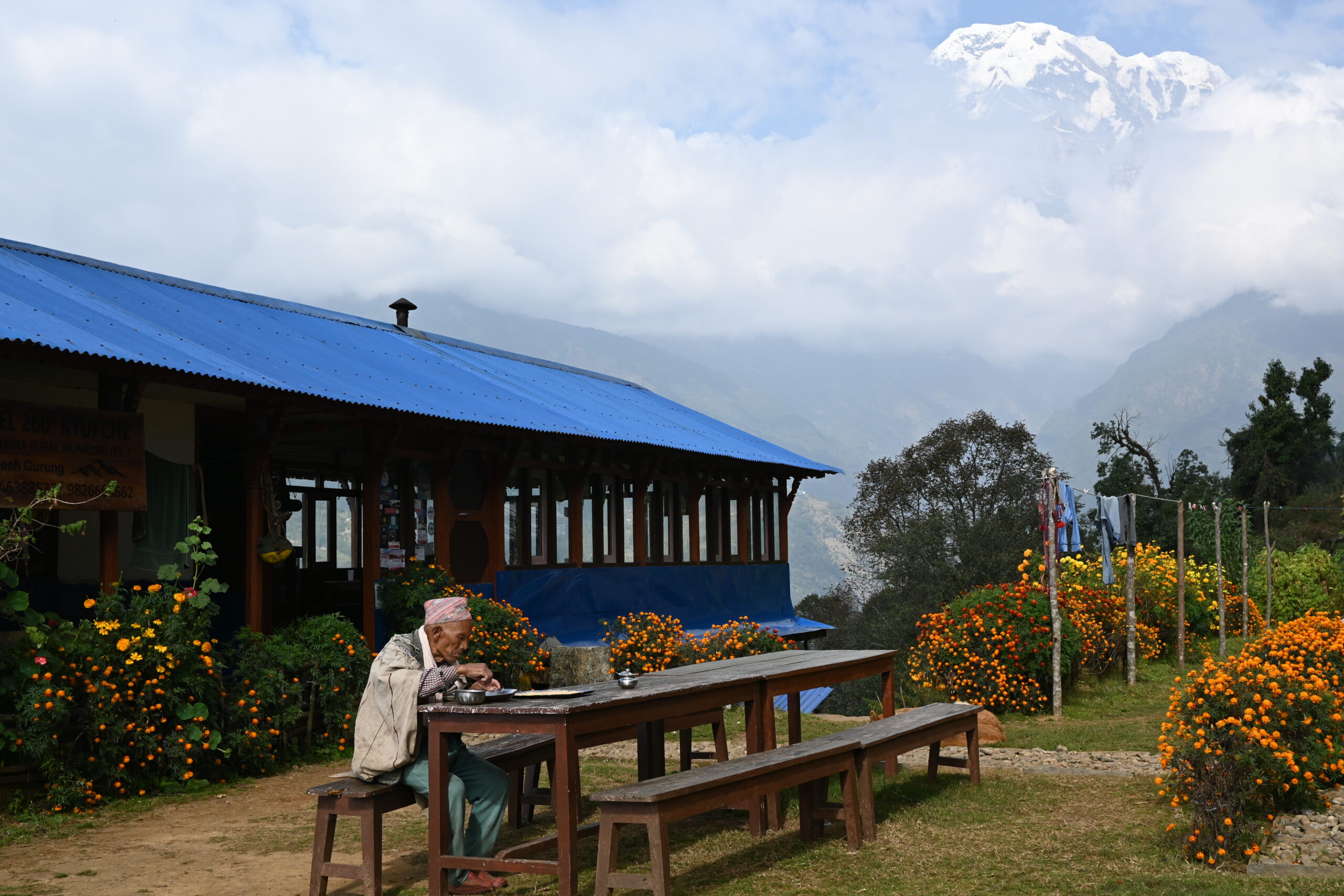
Homestays and teahouses along the trek routes are warm and friendly. The locals’ hospitality is especially soothing during cold winter months. These traditional dwellings give trekkers ample opportunity to meet the locals, understand their culture and way of life, and enjoy simple but delicious meals.
Winter trekking also provides the opportunity to enjoy delicious local cuisine. Eating foodstuffs like dal bhat, momo, thukpa, and hot tea will properly maintain energy within the body during the entire trek and warm the trekkers. The heat of food and the real hospitality of the people add to the memorability of such cultural interactions.
Therefore, cultural encounters during the winter treks in Nepal lend meaning to the journey, which is not just a mere physical trip but a cultural one.
Winter trekking can be an exhilarating yet demanding experience, especially in regions like the Himalayas. Here’s a breakdown of the key challenges and ways to overcome them, ensuring your adventure is safe, rewarding, and memorable.
Nighttime temperatures in winter can plummet, especially at high altitudes, making it essential to prepare adequately. Invest in high-quality, insulated clothing, sleeping bags rated for sub-zero temperatures, and layers that trap body heat while wicking away moisture.
Snowfall can obscure or block trails, requiring trekkers to alter their planned routes. Be flexible with your itinerary and have alternate paths mapped out. Hiring a knowledgeable guide familiar with winter conditions can also make a big difference.
Shorter daylight hours during winter may restrict trekking time and increase the risk of being stranded after dark. To extend your trekking hours, start your day early and bring a headlamp and extra batteries.
Cold weather can worsen symptoms of altitude sickness, such as fatigue and breathlessness. It’s crucial to acclimatize properly, maintain hydration, and avoid rushing your ascent.
Winter trekking in Nepal is a different world and an experience worth undertaking. The fabulous views of the snow-blanketed trails, crisp air, and clear sky make it the best time to tour the mountains. Quiet, serene solitude away from crowds; quieter trails will hook trekkers much closer to nature. Whether one crosses the quiet forests with snowy ridges or participates in holiday festivities, winter hikes give it an added aesthetic and adventurous feel.
Alongside breathtaking landscapes, winter treks provide immersive cultural experiences. Staying in teahouses, interacting with friendly locals, and savoring wholesome meals in remote villages enrich the trekking adventure. This season presents a fantastic chance to deeply engage with the culture set against the tranquil backdrop of towering mountains.
If you’re considering an adventure in the Himalayas, now is the ideal time to start. The exciting experiences, stunning landscapes, and vibrant culture make winter trekking in Nepal truly one-of-a-kind, offering unforgettable memories and a deep sense of accomplishment.
Winter treks in Nepal offer stunning mountain views, but you must be ready for cold conditions. The weather is typically clear from December to February, showcasing a beautiful snowy landscape. With fewer trekkers on the paths, you can enjoy a more tranquil experience. However, be mindful of the colder temperatures at higher altitudes and ensure you pack for warmth and comfort.
December is one of the good months to trek in regions like Everest, Annapurna, and Langtang, as the weather remains stable during this month, and the sky is clear, which permits great views of snow-capped peaks. Ghorepani Poon Hill Trek will be apt for beginners, while Everest Base Camp and Annapurna Base Camp Treks are for seasoned trekkers. These are indeed beautiful winter landscapes with relatively less crowded trails.
Yes, the Annapurna Circuit can be trekked in December; however, this is considered a high-altitude trek. The weather will be cold, and there will be snow at high altitudes like Thorong La Pass. Be well prepared with your clothes for the warmth, proper gear, and knowledge about the conditions for winter trekking. This is a great adventure for experienced trekkers during December.
Yes, winter is a great time to visit Nepal if you’re ready for cold weather and want to experience the beauty of the Himalayas in a quieter, more serene setting. December to February brings clear skies, amazing mountain views, and fewer tourists, making it ideal for trekking. Just make sure to pack appropriately for the cold temperatures at higher altitudes.
January is generally considered the coldest month in Nepal, especially in high-altitude towns. Regions like Everest and Annapurna experience a notable decrease in temperature during this period. Thus, it is crucial to prepare for frigid nighttime conditions and higher elevations while trekking. Essential preparations include insulated clothing, appropriate sleeping bags, and readiness for winter weather.