Latest Posts

Talk to Trip Expert
+977 9704823980 (Whatsapp)


Talk to Trip Expert
+977 9704823980 (Whatsapp)While Nepal attracts countless trekkers drawn to its world-famous routes for expeditions to Everest Base Camp and the Annapurna Circuit, the real trekker’s paradise lies far off the beaten path and beyond the well-known trekking circuits. The Dhaulagiri trek is a remote and untamed trekking adventure, hidden in the northwestern Himalayas, which demands serious commitment and offers solitude and an authentic mountain adventure trekking experience. Trekking through towering Himalayan peaks, massive glaciers and crossing high mountain passes is pure adventure in its most raw form, unspoiled and truly pure.
This trail goes beyond the popular trekking circuits, which start to become busy and crowded with crowds. The Dhaulagiri Circuit trek is for the serious trekker looking for the wild solitude of nature and the uncompromising wilderness, which brings high altitude trekking and remote rock strewn landscapes. This trek offers Nepal’s most rewarding trekking experience.
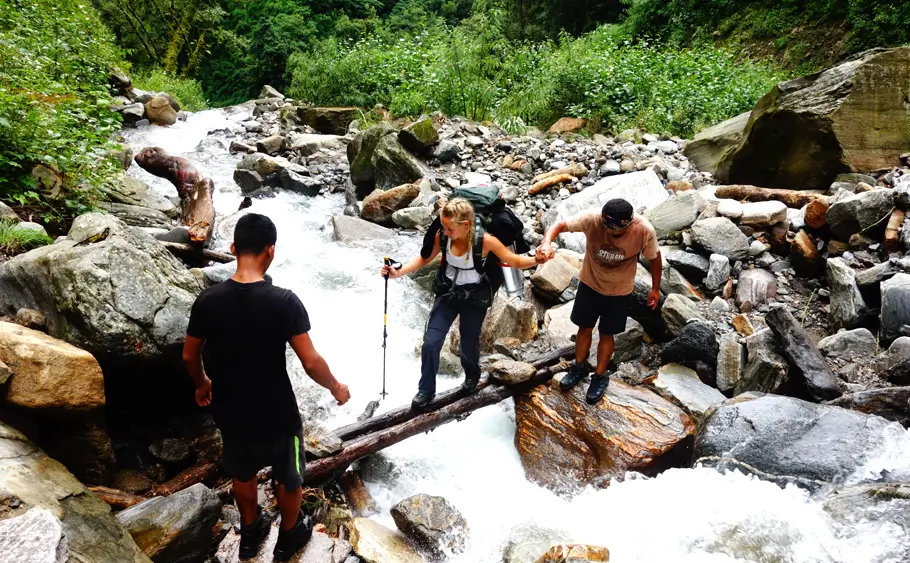
The Dhaulagiri trek is an expedition to the high Himalayas. It is an endurance trek through some of the most breathtaking and raw wilderness on the planet. It requires serious commitment with long altitude hiking days, crossing glaciers and the high passes of the Himalayas. Each day brings huge rewards with the most dramatic and breathtaking changes in the wilderness, from deep glacier gorges to towering spires and endless glaciers and ice fields, overflowing with deep blue glacial slides. This trek is about exploring some of the most breathtaking and raw wilderness on the planet.
When it comes to trekking routes, isolation and minimisation of commercialisation are the standout features of the Dhaulagiri Trek. There are no chai houses to crowd, as you can immerse yourself in the adventure and the raw Dhaulagiri wilderness. There are no chai houses to crowd, as you can immerse yourself in the adventure and the raw Dhaulagiri wilderness. Activities such as camping on glacial moraines and ice walls are treks that bring about confidence and feelings of achievement that are unmatched by most treks.
The mountain stands at a staggering 8,167 meters, being the seventh highest mountain in the world. The mountain is also named the white mountain. Dominating the trail, the mountain also holds a great deal of ice and snow, leading to a great deal of attraction during the trek. Dhaulagiri is one of the least trekked mountains in the world. Other major mountains that are part of the same central hydrolitic basin as Dhaulagiri are Tukuche and Churen Gurja Himal. Dhaulagiri is surrounded by other major mountains that are part of the same central hydrological basin as Dhaulagiri.
The fact that it combines extreme wilderness and technical trekking is one of the things that makes it distinct. in addition to being extreme, the remoteness of the trek is also distinct. In addition to the classic routes, the Dhaulagiri Circuit Trek stands out as being a fully serviced trek that requires clients to carry all camping gear and their own food beyond Sallaghari. French Pass stands at an altitude of 5,360 meters and is one of the highest points you will go on the trek. There is also the exploration and hiking of the remote Hidden Valley, which is an expansive alpine wilderness surrounded by high jagged mountains.
The Dhaulagiri trek is diverse in landscapes, featuring everything from steep gorges, and glacier valleys to lush forests, snow-covered passes, and even barren trans-Himalayan landscapes. It’s fully adaptable, and every day feels different, making it an ever-evolving adventure.
The Dhaulagiri trek is best done in spring (March to April) and autumn (September to November) as the weather is more stable, the skies are clearer, and conditions are safer for crossing the passes. Spring features blooming forests of rhododendrons and autumn sees the air crisp and the mountains more visible.
Winter in Dhaulagiri brings snow, extreme cold, and even more dangers of avalanches, while the monsoon brings constant rains and the more dangers of landslides.
The trek is incredibly demanding and every day you have to walk 6-8 hours. The cold nights and isolation break even the more seasoned trekkers. The trek takes you up to 4500m of altitude (and above) before you go into the next level of altitude and above to higher levels.
Taking your time to adjust to the altitudes, drinking water, and maintaining a positive attitude are the best ways to prepare for the trek.
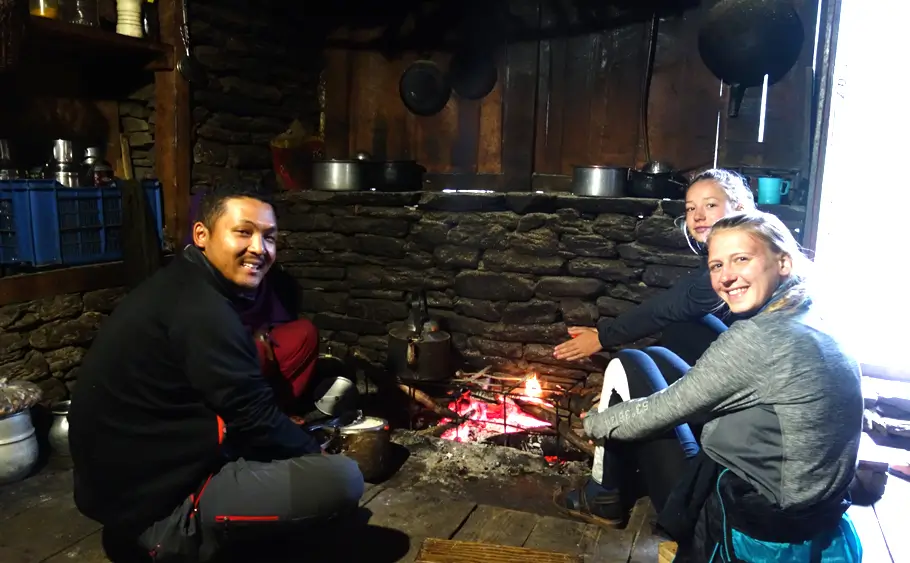
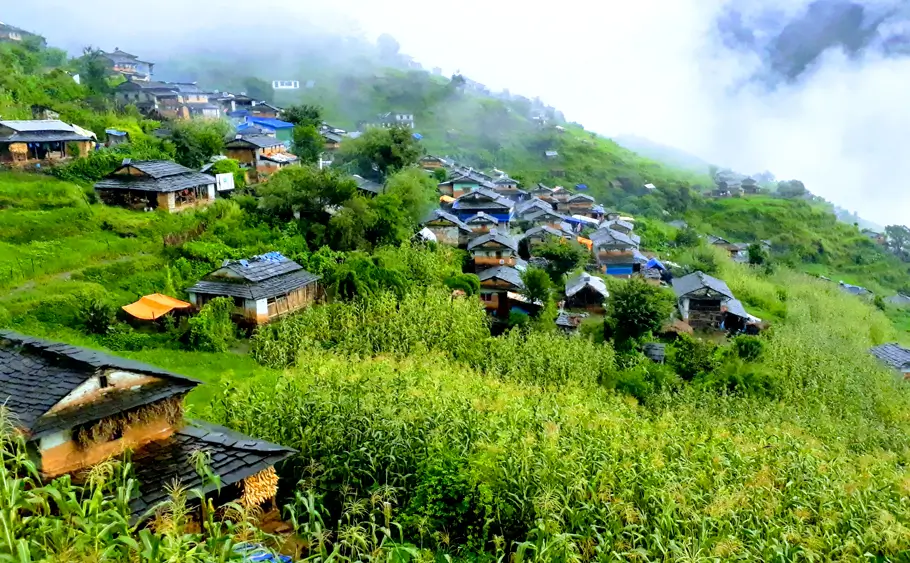
The trail showcases traditional Magar villages, such as Darbang, Dharapani, and Jugepani, before arriving at the high alpine zones. These villages present the real experience of the rural lifestyle, terraced farming, and hospitable stone houses. The trek becomes more rich when experiences like these remind trekkers that life still flourishes in the harshest conditions of Nepal.
Dhaulagiri region has plenty of biodiversity. Its lower elevations present oak, pine, bamboo, and rhododendron forests. The resident wildlife includes blue sheep, Himalayan pheasants, and elusive snow leopards. As altitude increases, the vegetation shifts to lichens and alpine shrubs of the harsh mountain environment.
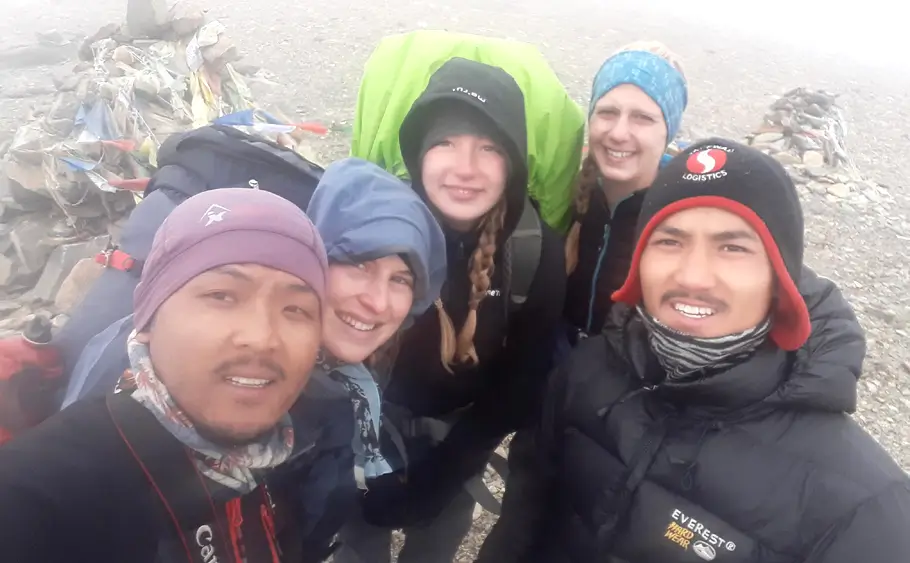
Italian Base Camp and the Japanese Base Camp provide views of massive glaciers and towering ice cliffs. These provide views and a true sense of expedition life. Dhaulagiri base camp is settled below the massive peak and feels like a natural amphitheater of ice and rock.
Perhaps the most rewarding, as well as the most difficult, experience of the trek is crossing French Pass. Hidden Valley, which lies beyond it, is a sprawling high-altitude basin that has an almost surreal silence. This is a true highlight of the entire trek.
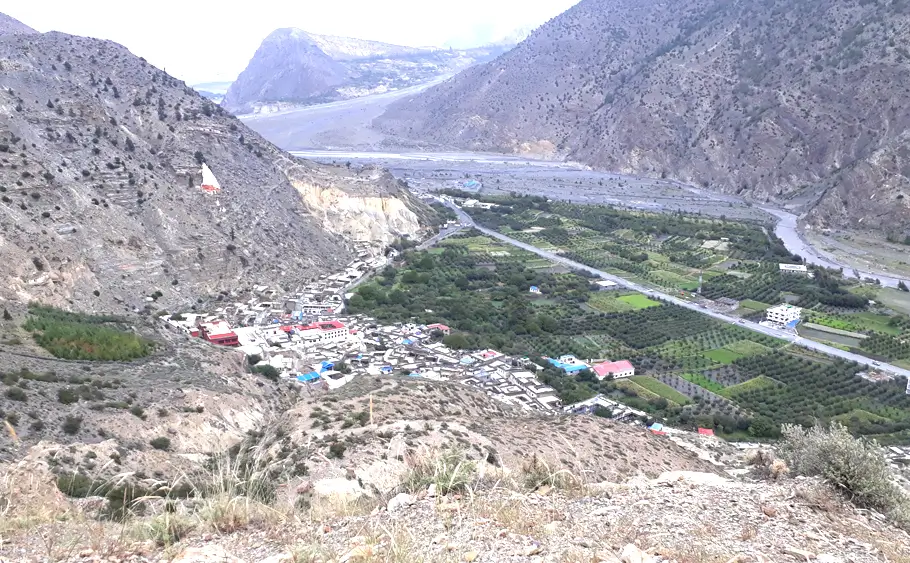
Returning to Yak Kharka after days of walking through the harsh and cold alpine terrain of the Dhaulagiri trek feels like coming back to life. As the trail begins to soften, yaks gently graze on the meadows. The trek ends in Marpha, celebrated for its traditional stone houses and apple orchards, the perfect ending to an intense adventure in the mountains.
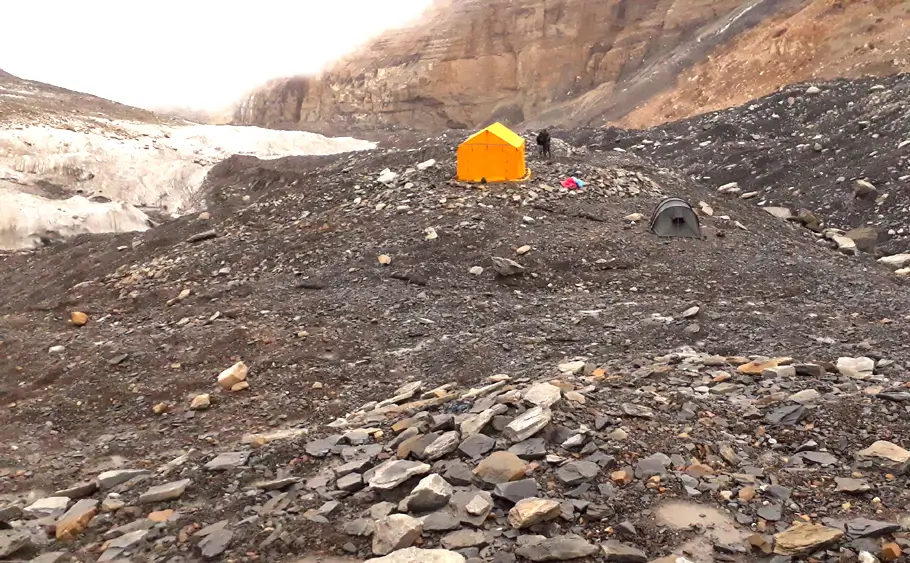
Since the trek to Dhaulagiri is remote, there is an emphasis on camping. Experience the remoteness of the trek, sleep in tents, and enjoy cooked meals made by your team under the starlit sky. There are simple lodges at the lower sections of the trek, which offer a balance of comfort and adventure.
While trekking on Dhaulagiri, the necessary permits include the TIMS card and the Annapurna Conservation Area Permit (ACAP). It is strongly advised to have a guide and a team because of the isolation, high passes, and glaciers. Take proper acclimatization, good gear, and have awareness of the weather.
Experiencing the Dhaulagiri Trek is an adventure one would not want to miss. This trek not only pushes one’s physical limitations but also strengthens mental fortitude, rewarding one with mountain ranges and other landscapes that only a handful of people have seen. This trek provides soft meadows, to desolate high-altitude deserts, to glacial passes, to icy valleys, and to upper glacial valleys.
For trekkers who want to experience authenticity and, most importantly, solitude, the Dhaulagiri trek is not just a trek, but it is a true experience in the Himalayas.