Latest Posts


Talk to Trip Expert
+977 9704823980 (Whatsapp)


Talk to Trip Expert
+977 9704823980 (Whatsapp)The Dudh Kunda Trek is an incredible trek located in the lower Solukhumbu region of Nepal. It is one of the few treks that offer an incredible blend of culture, spirituality, and incredible landscapes. In comparison to famous trails like the Everest Base Camp Trek, Dudh Kunda is quiet and still untouched allowing trekkers to appreciate the fine details of the beauty that is the Himalayas.
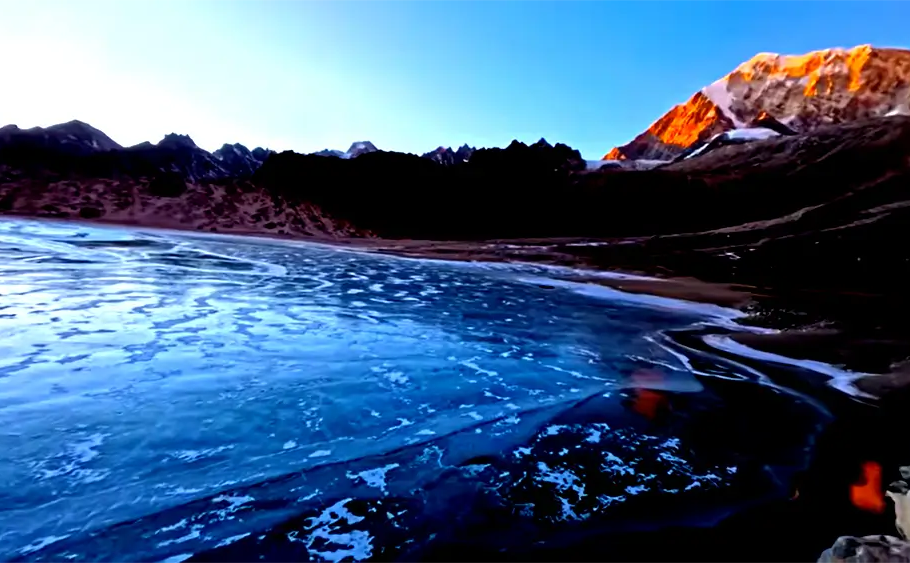
It ends at the base of the illustrious Numbur Himal (6,958 m) and is one of the most respected sites by both Hindus and Buddhists. It is an adventure that combines culture and spirituality and is something not many have. It is located in the remote Dudh Kunda Lake, and on the way to completing the trek, the traveler passes through rhododendron forests, meadows, and glacial streams.
The Dudh Kunda Trek is ideal for those travelers interested in exploring and experiencing the Himalayas in a slow, unique, and tranquil manner. Since the trails are comparatively less traveled, the trekkers are able to engage in more serene beauty and obtain deeper, more meaningful relations with the local Sherpa, Tibetan, Gurung, Magar, and Khaling Rai peoples.
This trip has an excellent cultural component, as the Dudh Kunda Trek includes ancient monasteries, traditional village walks, and many sacred sites for pilgrimage. This trek is moderately difficult, as it is designed for beginner trekkers who are accustomed to hiking for many hours a day. This trek is a great option in contrast to the highly commercialized trails.
The Dudh Kunda Trek is normally 7-9 days, spanning around 40-55 kilometers, depending on the trekker’s chosen route. This trek starts off in Ringmo or Phaplu, gently increasing in altitude while navigating vegetated valleys, alpine pastures, and yak grazing lands. This route has been designed to provide a gentle slope to allow trekkers the opportunity to acclimatise to the altitude so as to ensure their safety, especially when they reach the hallowed Dudh Kunda Lake, sitting at a whopping 4,560 m. Trekkers will be walking for 4-7 hours on a daily basis, so they will have the opportunity to enjoy the sights as they pass by cultural settlements, large mountaintops and unspoiled stretches of nature.
The Dudh Kunda Trek is best undertaken in the spring, March to May, and in the autumn, September to November. Spring is the season where the rhododendron trees and bushes in the forests are blooming and presenting the many valleys with an assortment of vibrant red, pink, and white colors. The weather in spring is also stable and pleasant. Autumn is also a great season for the trek due to its clear and crisp weather, great visibility, and for the great photo opportunities as the many mountains are greatly visible.
For trekkers willing to hike in winter, they should know that the winter high altitude paths can be cold and slippery due to the potential snow. The months of winter, June to August, is monsoon season and is not recommended for trekking due to periods of heavy rain, landslides, and obstructed views of the mountains.
The trek has been classified as gentle/moderate, meaning the trek is achievable for beginners with a decent level of fitness. Trekkers will be walking for 4-7 hours on a daily basis. Walking for this distance may be quite challenging in some of the steeper sections close to the glacier at the finishing point. This trek will not have large scale technical climbing needed, however, be mentally prepared for some difficult and rocky terrain such as lumpy and uneven ground, fast flowing rivers, and in some parts, slippery ground.
This route has been designed with a gentle slope grade so that the trekkers have a safer chance of altitude acclimatization and so a lower chance of altitude sickness to ensure a safer and enjoyable trek.
Detailed of itinerary day by day |
|
|
|
|
|
|
| The itinerary focuses on altitude, sightseeing, and adventure with cultural immersion, with slotted for rests for safe acclimatization. |
For those without trekking experience, altitude, and trekking for the long days is expected over the days itinerary, but the condition of walking with a steady incline for of the trek is considered to be of moderate experience. The steep Himalayan Trek through the Dudh Kunda route is expected to gain altitude and will have a day of acclimatization. Family run tea houses and homestays will be provided for trekkers on the Dudh Kunda route.
Each home will include the warmth & clean bedding, with local meals to be prepared. Dal bhat, noodles, soups, momos, and Tibetan bread are expected from the home meals. Meals from home meals will remind the trekkers of the traditions of Karnataka.
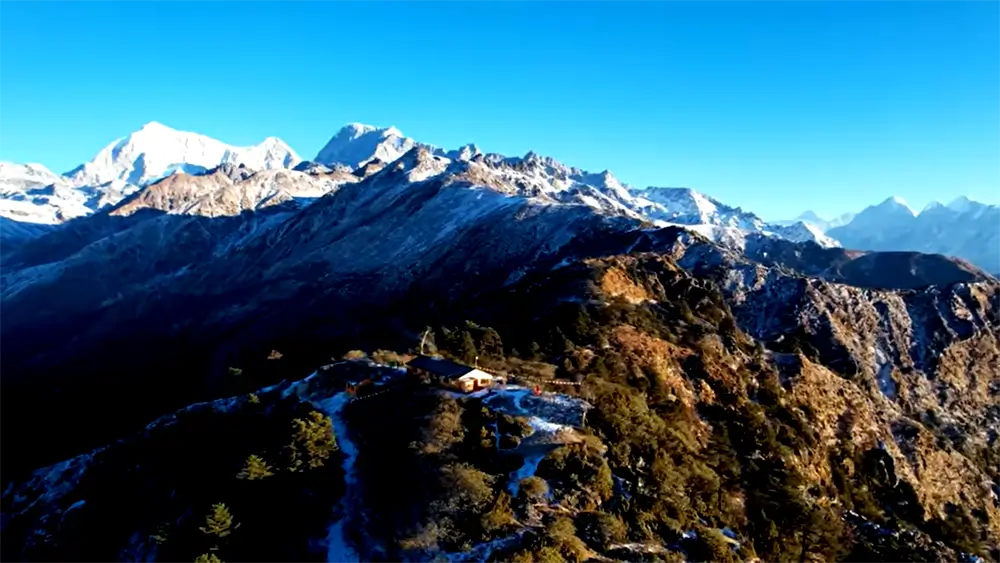
The Dudh Kunda Trek is also regarded as a moderate one and thus it is advised even to those who have minimal or no previous experience in trekking as long as they do not rush and allow ample time to acclimatize. The route moves slowly up through rich alpine forests, terraced agricultural lands, and classic Sherpas and Tibetan villages that provides an ideal combination of both nature and culture.
As a reward, Trekkers are given panoramic scenes of the magnificent Himalayan peaks, and among them are the Numbur Himal (6,958 m), and other surrounding summits of the lower Solukhumbu area. The path of it is woven through the quiet valleys, running rivers, rhododendron forests and offers beautiful landscapes to all seasons, though in the spring there is the burst of floral colours.
The expedition also has the use of classical stepped paths and relaxing glacial sceneries, which end at the holy Dudh Kunda Lake (4,560 m), a glacial lake that is worshipped by both Hindu and Buddhist pilgrims. In general, this expedition provides the optimal combination of adventure, spiritual journey, and breathtaking Himalayan views, making it an easy and at the same time a most fulfilling experience for moderate level trekkers.
On clear days you can see Karyolung and Everest and the other eastern Himalayan peaks.
There are opportunities to see Himalayan wildlife such as the Thar and yaks as well as black bears (though more rare) and pheasants. The alpine flora like junipers, rhododendrons and other wildflowers also adds to the beauty of the trekking. The soaring peaks that surround the wide valleys are equally beautiful. Nature lovers and photographers especially will enjoy the scenic sounds of nature such as birds and streams that are commonly heard on the trails.
There are many cultural experiences on the Dudh Kunda trek as well. The trail goes through the villages of the Sherpa, Tibetan and Magar people, demonstrating their way of life, old world farming, and traditional celebrations. Some of the more cultural experiences include:
Staying in family run guesthouses to enrich the experience and portray life in the Himalayas.
Our homestays and tea houses offer welcoming and friendly atmospheres. The rooms are unadorned but are well-kept and often fitted with wood stoves. We offer vegetarian foods and meals that are made fresh every day, and we feature traditional Nepali and Tibetan cuisine, which includes local breads, soups, noodles, and dal bhat. Partake in every day local life and customs which gives you the chance to appreciate the Himalayan culture.
Road transportation from Kathmandu to Ringmo or Phaplu takes 8-10 hours. The route passes by terraced hills, rivers, and small villages. For time sensitive travelers or those visiting in peak season, weather permitting, flights from Kathmandu to Phaplu are available, which greatly reduces travel time, but road transport should also be considered as it offers a more in depth experience of rural life in the Himalayas.
The Dudh Kunda Trek may be added or added to other trekking trails as a more fulfilling experience:
Such options allow trekkers to adjust the duration of hiking, scenery, and cultural experiences to their liking and their fitness level.
The Dudh Kunda Trek reaches an estimated altitude of 4,560m, and trekkers are likely to experience mild altitude symptoms. Therefore, trekkers should:
With all necessary precautions, altitude sickness is rare and manageable, and the gradual ascent makes the trek safe and enjoyable.
The Dudh Kunda Trek is much more than a simple hike. As a trek through Nepal’s eastern Himalayas, this trek is also a spiritual and cultural journey. It is remote and visually stunning while also being serene, offering some of the most authentic Himalayan experiences.
A Himalayan trek in the Eastern Range will Dudh Kunda Trek, is an offering of spirituality, nature and culture, and will provide a once in a lifetime experience while also avoiding mass tourist crowds. Whether you wish to spend your time in adventure, photography, or seek inner peace, this trek will provide numerous opportunities to create lasting memories of the people of the Himalayas.