Latest Posts

Talk to Trip Expert
+977 9704823980 (Whatsapp)


Talk to Trip Expert
+977 9704823980 (Whatsapp)The Everest Base Camp trek by road presents an alternative experience of Nepal’s premier adventure tourism. Normally, most people fly to Lukla. It is quick, easier, and arguably more fun. However, the unpredictability of flights has surfaced many people chasing alternative methods of travel in Nepal that are far less risky and ultimately safer.
The Everest Base Camp trek by road avoids the flight to Lukla, taking trekkers instead through scenic mountain roads and charming villages en route to Monjo. This gradual acclimatization may be a valuable experience, and it deeply and relatively pleasantly exposes trekkers to the beautiful local Sherpa culture along the way.
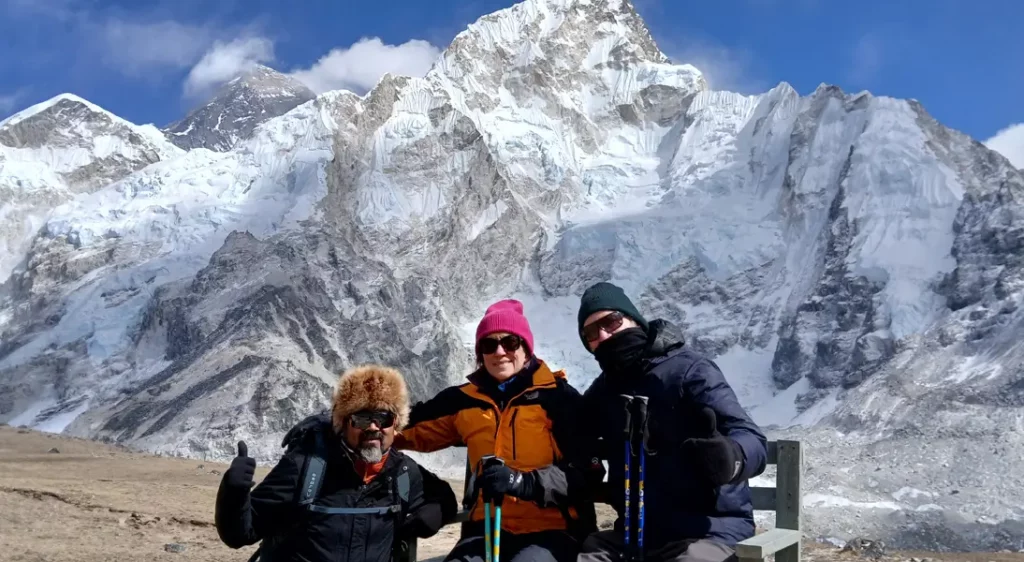
Travelers choose to trek to Everest Base camp by road instead of flying to Lukla due to concerns about flight cancellations at Lukla or flying in small aircraft. For those who value flexibility from day one, the Everest Base Camp trek by road is an excellent option
Budget-conscious trekkers often choose to trek from Jiri rather than take the flight since it gives them more control over their money and reduces reliance on the weather. For slow travelers and nature lovers, the road will potentially make this journey the greatest experience of their lives when approaching the Himalayas.
Choosing the road option to reach Everest Base Camp creates a reliable adventure without the unknowns of Lukla flights and last-minute weather delays. Your trip will be more reliable than flying when your chance of flights being delayed or cancelled is reduced.
The Everest Base Camp trek by road takes you through the beautiful Solu region. This lesser-known road will take you to wonderful Sherpa villages and pristine landscapes that you would otherwise never witness with the flying expeditions.
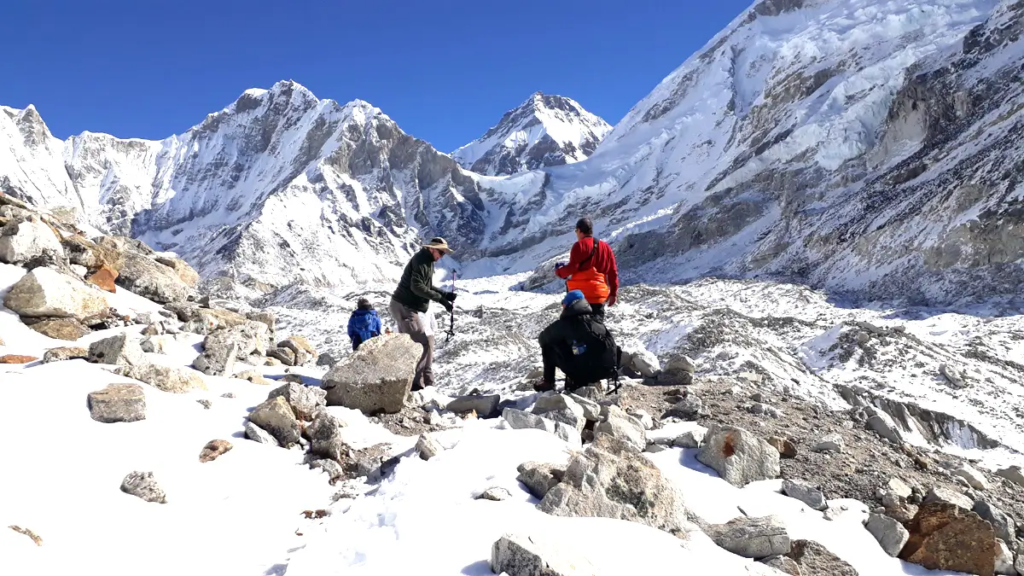
By trekking the Everest Base Camp trek by road, the trekkers will be able to adjust to the altitude at a steady ascent. As a result of the steady ascent, trekkers will have a better chance of slowly acclimatizing to the altitude, lowering the chance of altitude sickness compared to flying in and then changing altitude.
The Everest Base Camp trek by road is a good choice for budget travelers. More cost-effective than paying for flights, this will open up budgets and opportunities to reach Everest, thus widening the pool of adventurers.
The Everest Base Camp trek via road begins with a picturesque and bumpy journey by road from Kathmandu to Salleri, or Tham Danda. Be prepared for varying road conditions; the 8–12 hour (approximate) trip by either Jeep or local bus is both fun and unpredictable.
The most common route for the Everest Base Camp trek via road follows this path: Kathmandu → Okhaldhunga → Salleri → Tham Danda. This overland trip will take you through hills and villages, which reveal more about rural life on the way to the mountains.
When you realize that the start of treks to Everest Base Camp is overland, it is best to book your jeep or bus in advance. Generally, shared transportation, such as Jeeps, offers a little more comfort, while budget travelers would find buses the most affordable option for travel, or trekkers who are willing to be a little more independent to save money.
If you are planning the Everest Base Camp trek by road, or traveling further than a couple of hours in one shot, it would be a significant advantage to stay overnight in Okhaldhunga or Salleri. Both places have lovely guesthouses that are fairly basic and can offer some much-needed rest before you continue with your overland journey into the pristine higher Himalayan terrain.
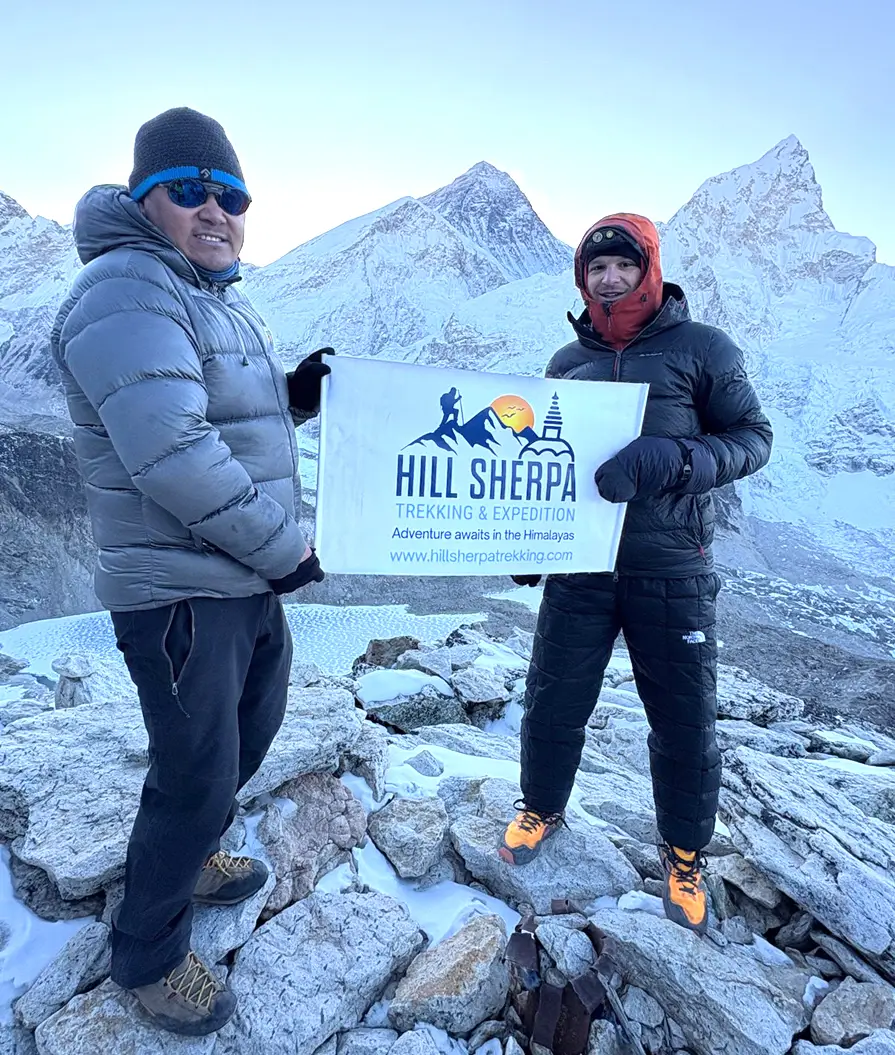
This trek starts from the Tham Danda, thus creating a different entry point into the Himalayas. This trek is truly unique as you progress along the trail through magnificent wooden and other remote settlements not frequented by most people on trekking in Lukla. Right from the start, this creates a completely different feeling of adventure.
Tham Danda, Paiya, and Phakding are the final stops on the road trip to Everest Base Camp. Each village has provided some exceptional local culture and hospitality, making the first days of the trek quite enjoyable. And the scenery has all been first class.
The Everest Base Camp trek by road will also eventually lead you to Namche Bazaar, a vivid Sherpa town serving as the acclimatization center for all base camp adventurers. After Namche, we started on the classic Everest trail by continuing to follow the Dudh Koshi river further north until ascending towards Tengboche.
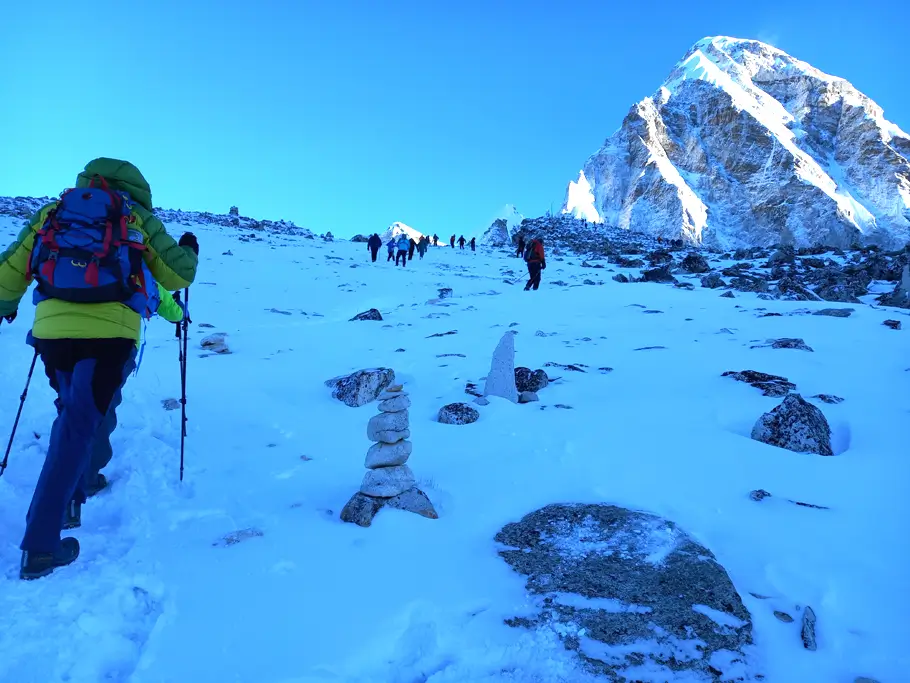
Once you join the Lukla route, the Everest Base Camp trek by road now becomes a lot more familiar, with well-known stops Dingboche, Lobuche, and Gorak Shep. Trekkers will share the extremely well-known high altitude trail with another large group going to base camp.
For the Everest Base Camp trek duration, this route typically is between 8 and 11 days in length, from Tham Danda to EBC, depending on pace and acclimatization. The first days are shorter (8-15km) because those villages are closer together. As you gain elevation and move towards base camp, you will start to add distance.
Trekking to the Everest Base Camp via road has many benefits. You will be immersed in the people and culture of the Solu region, and you will be exposed to Rai villages and Sherpa villages. Reveling in the rich culture of the Sherpa truly represents local customs, type of monastery, and type of hospitality from your first steps into the Himalayas.
Traveling to the Everest Base Camp trek via the road route will also allow you to lessen the crowd size on the path. You can reminisce about your journey where you were able to meet locals, explore alone, enjoy the views on quieter trails, and discover unspoiled communities where traditions have not changed.
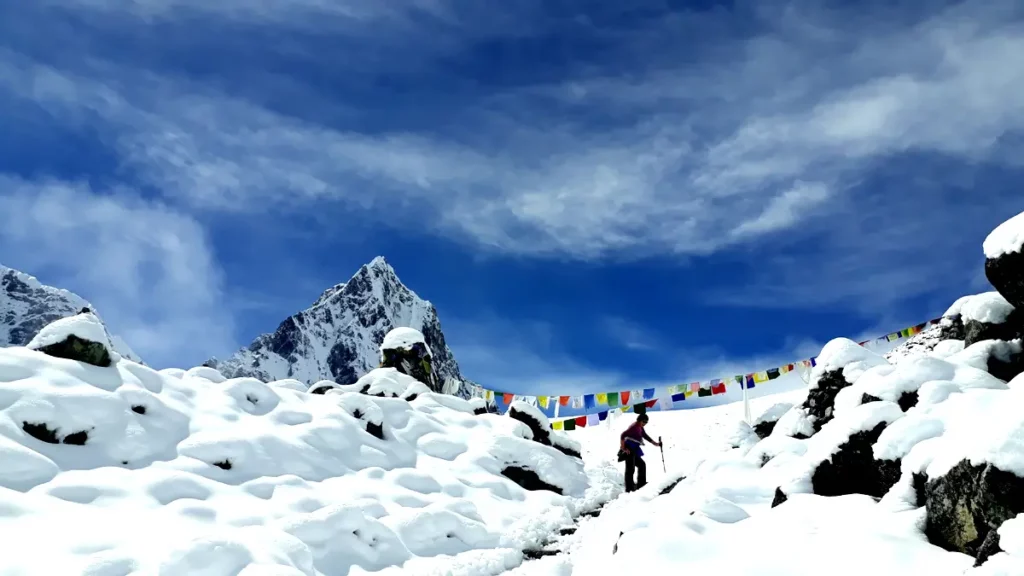
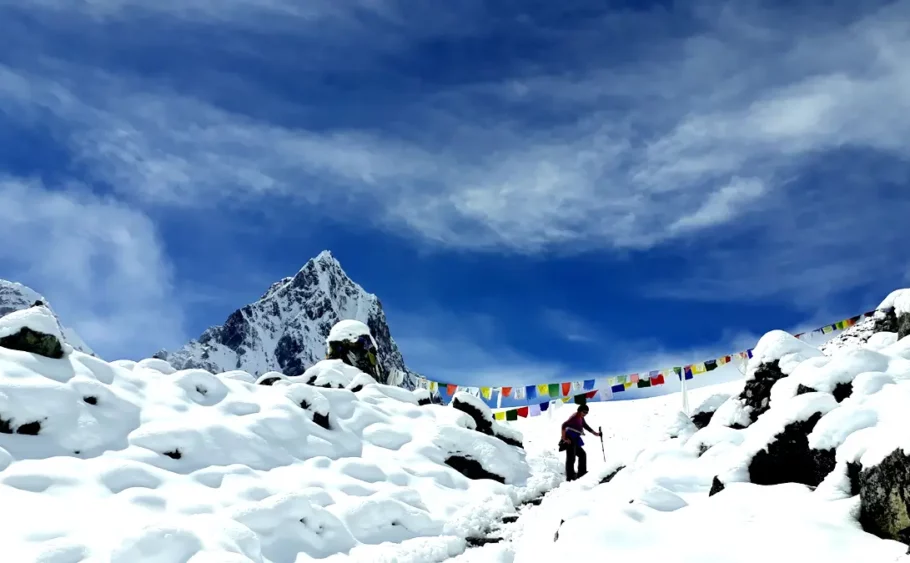
As you travel to the Everest Base Camp trek via the road route, the colours of jungles, waterfalls, and floating farm fields along the trek are incredible backdrops. This is greatly different than the standard Lukla route and everything else you have seen.
By taking the Everest Base Camp trek via the road route, the slow ascent maximizes the opportunity for your lungs, leg muscles, and heart to acclimatize. You will find this slower but gradual ascent allows you to navigate and adjust to the high, rugged alpine zone.
Day 1–2: Day one begins with a drive from Kathmandu to Salleri or Tham Danda by jeep. You won’t be walking as you’ll be visiting bright colors and towns, terraced hills, and lush river valleys along the way.
Day 3–5: On day three, we walk from Tham Danda on forest trails through beautiful forests to Phakding and colourful Namche Bazaar, gaining altitude gradually and experiencing the local culture of hidden. Remote Himalayan villages.
Day 6–12: You will continue up the classic Everest Base Camp trek by road route, through iconic stopping places like Tengboche, Dingboche, Lobuche, and Gorakshep.
Day 13: Trek back to Gorakshep to trek to the Everest Base Camp experience and trek back to climb Kala Patthar either for sunrise or sunset views to capture the awe of Everest and neighbouring Himalayan peaks.
Day 14–15: Descend back to Tham Danda or Salleri on the same track before heading back towards Kathmandu. Your adventure of the Everest Base Camp trek by road will be finished, and it will be time to relax in a jeep back to Kathmandu and reflect upon your adventure journey.
The Everest Base Camp trek overland is less expensive than the traditional, fly-in option. Regardless of whether traveling by jeep or bus, the bus or jeep fares to Salleri or Tham Danda will be much more affordable than the cost of a round-trip airfare to Lukla.
Once on the trail, both options will cost about the same for food, accommodation, and required permits. As you can travel overland, all domestic flights will be avoided, which is the key difference here with the overland option.
Depending on the number of trekkers and what you book, the trekkers traveling to Everest Base Camp by overland will save about $150-300 compared to the flying option, which may be attractive to some budget travelers wanting an Everest experience.
You will be travelling on the road for about 8 to 12 hours while being on the Everest Base Camp trek by road. Trekkers will encounter sections that are rough and bumpy. In monsoon or winter months, the weather is quite unpleasant, making the journey difficult.
If you are doing an Everest Base Camp trek by road, you will need to make a flexible schedule since there may be delays due to landslides, weather, or the poor condition of the road. You should include buffer days in your scheduling of your adventure to relieve any pressure.
The Everest Base Camp trek by road has fewer facilities in the early sections of the trek. Some sections of the trek offer tea houses and basic facilities, or very limited services. Trekkers must be prepared for functioning in more rustic conditions before joining other trekkers on the developed classic route.
Everest Base Camp Trek by road will offer a great experience in the spring and autumn seasons. This time has stable weather, good trail conditions, and clear views of the surrounding Himalayas.
We recommend that you avoid the monsoon season because the rainfall disrupts roads by causing landslides. Winter will bring heavy snowfall and cold conditions, making the trek more challenging.
Trekking to Everest Base Camp by road requires a permit from the Khumbu Pasang Rural Municipality and an entry permit from Sagarmatha National Park. The Sagarmatha permit can be obtained at checkpoints at Monjo or in Kathmandu.
The Khumbu Rural Municipality Permit contributes to local development. Both permits are to trek in the Everest area and are purchased in Nepali Rupees, either before or during the trek.
Trekking to Everest Base Camp, by road, is a remarkable journey that is so much more than simply an alternative to flights from Lukla. On-road trekking is travelling through the scenic valleys and authentic villages whilst adjusting to the elevation changes, which will provide a richer experience of the Himalayas.
This route is for trekkers wanting off the beaten path, experiencing different cultural levels, and the bonus of being able to go at their own pace. The Everest Base Camp trek, by road, will take you into the Nepal – Far-Western heartlands long before you arrive at the high-altitude tracks.
In the end, the trek itself is often a highlight. For many, the Everest Base Camp trek ‘by road’ makes the journey as valuable and memorable as arriving at the named base camp of the world’s best mountain.
Can you reach Everest Base Camp without flying to Lukla?
Yes, you can go to Everest Base Camp overland, starting from either Salleri or Tham Danda, rather than flying to Lukla.
How long does it take from Salleri/Tham Danda to EBC?
If walking from Salleri or Tham Danda, it usually takes 8–11 days to reach Everest Base Camp, depending on pace and acclimatization.
Is the road route suitable for beginners?
You can safely take this road route as a beginner who is comfortable with a multi-day trek and basic accommodation. Basic hiking experience is always useful.
How safe is the jeep ride to Salleri or Tham Danda?
Getting to Salleri or Tham Danda will be an adventure on a jeep ride with experienced operators, and it is safe. Just be aware that most roads are rough, and the risk is higher during the monsoon months.
Do I need a guide and porter for the road route?
Although it is not required, having a guide and porter for the Everest Base Camp trek by road is strongly recommended for reasons of route finding, safety, and comfort.