Latest Posts

Talk to Trip Expert
+977 9704823980 (Whatsapp)


Talk to Trip Expert
+977 9704823980 (Whatsapp)For hikers all over the world, trekking to Everest Base Camp (EBC) is a trip they want to take. This famous trip, which starts at the foot of the world’s highest mountain, provides stunning views, a rich Sherpa culture, and the feeling of being right at the foot of Everest. Most trekkers like to travel in October or early spring before the monsoon, but September is a great time to go that doesn’t get enough attention.
Emerging from the monsoon season, September marks the transition into Nepal’s autumn trekking season. It’s one of the best times to hike the trail since the weather is getting better, the people are becoming thinner, and the plants are getting greener. Just be ready for some surprises. We’ll go over everything you need to know about the Everest Base Camp trek in September in this guide, including the weather, the views, what to pack, the challenges, and some insider tips.
September is a month of change. The summer monsoon starts to go away, and the cool, dry air of fall starts to come back. The Himalayas eventually come into view as the rain stops and the sky clear. The trails, which were quiet during the monsoon, are starting to come back to life.
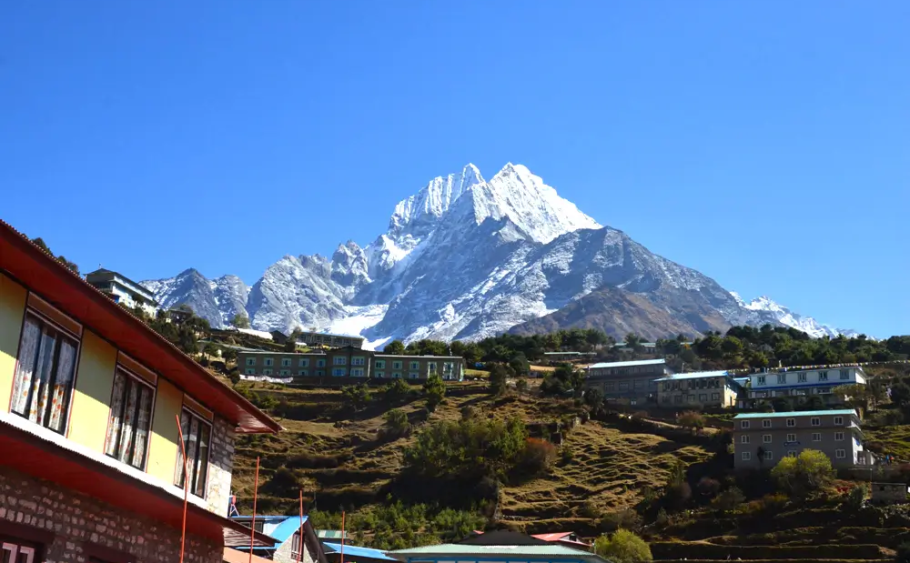
September is remarkable because it strikes a good balance: you get to enjoy the beauty of the environment after the rain without all the people walking about in October. The valleys are lush and replenished, waterfalls are still running, and the air is clear. In the second part of the month, visibility becomes a lot better, which is great for photographers.
On top of that, September typically coincides with lively Nepali celebrations like Teej (a women’s festival full of song, dance, and color) and Indra Jatra (a celebration of rain and harvest in Kathmandu). You could also see these cultural features if you go there a few days before your walk.
Weather in September may be a mixed bag, particularly in the first two weeks. The monsoon technically finishes in mid-September, but it doesn’t quit right away. It might still rain, especially in lower areas like Lukla, Phakding, and Namche. This may make certain areas of the route wet and slippery.
That said, the weather is usually nice throughout the day at lower elevations, with temperatures between 10°C and 20°C (50°F and 68°F). The temperatures drop a lot when you go up over 4,000 meters (13,000+ ft), particularly at night. Base Camp and Gorak Shep drop below freezing.
Most of the time, clouds cover the sky in the early afternoon. But in the mornings, trekkers often get great views of the mountains, especially later in the month. One downside: the weather is still unpredictable, which sometimes causes flight delays or cancellations to and from Lukla. If you’re flying from Kathmandu (or Ramechhap), give yourself an additional day or two just in case.
In September, the Everest path is only starting to reopen after the rainy season. Teahouses are getting new supplies, porters and guides are going back to work, and more people are walking on the path, but it’s still quiet compared to October.
Green landscapes: The valleys, hills, and forests are all very green and full of life.
Strong rivers and waterfalls: This time of year, when the monsoon rains come, the water features are at their best.
Flourishing flora: Rhododendron woods may not be in blossom (that’s spring), but there are still alpine flowers and lush foliage to view.
You are more likely to see wildlife after the monsoon, such Himalayan monals, yaks, mountain goats, and more.
Teahouses may not be as busy, particularly in early September, which might make walking more quiet. The villages are friendly, the trails are beautiful, and the air is clean. It’s a great place for people who want to experience both nature and culture.
After the monsoon, everything is fresh: the air is pure, the plants are lush, and the view is breathtaking.
Slowly clearing skies Views of Everest and the peaks around it are becoming better and better.
Not as many people: The trails are quieter now than they were in October.
Cultural events: You could observe local festivals in Kathmandu or along the way.
Availability in teahouses: It’s simpler to get rooms in early to mid-September.
Bad weather may still cause delays on Lukla flights.
Rain and mud, particularly at the start of the month when the altitudes are lower.
Leeches: They are found in wet areas of the woods, such Phakding and Monjo. They are not dangerous, although they may be annoying.
Trail condition: Some areas may be slippery or washed away due of erosion during the monsoon.
What to Bring for a September Hike
To pack well for September, you should be ready for a variety of weather, such as warm, wet, cool, and cold.
Wear a waterproof jacket, rain pants, and a backpack rain cover to keep dry in the rain.
A fleece or down jacket, thermal underwear, gloves, and a beanie are all good base layers that dry rapidly.
Footwear: waterproof hiking boots, a several pairs of thick wool socks, and gaiters to keep mud and leeches out.
Sunglasses (which protect against UV rays), sunscreen, a flashlight, and water purification pills are all extras.
Backpacks and dry bags keep your clothes and gadgets protected from sudden rain.
You don’t have to bring anti-leech spray, trekking poles, or a travel towel, but they are helpful.
Base layers that dry quickly, a fleece or down jacket, thermal underwear, gloves, and a beanie.
Footwear: Waterproof trekking boots, several pairs of warm/wool socks, gaiters (to keep mud and leeches out).
Sunglasses (which are important for UV protection), sunscreen, a headlamp, and water purification tablets are all accessories.
Backpack and dry bags: Keep your clothing and devices safe from rain that comes out of nowhere.
Anti-leech spray, trekking poles, and a travel towel are all optional but useful.
Get up early every day: Mornings are clearer; midday clouds and occasional rain might impact vision and mood.
Keep buffer days: Add at least one or two extra days to your trip to account for possible flight delays to or from Lukla.
You need travel insurance: Make sure it covers treks at high altitudes and delays with flights.
Hire a guide and/or porter: Very helpful during the shoulder seasons when getting around and planning can be hard.
Drink a lot of water and follow a suitable acclimatization routine.
You need to be in excellent shape and have a lot of mental strength to trek to EBC. You will be walking for 5 to 7 hours a day at a high altitude, even if you are with a guide or a group.
(Note: TIMS card is no longer necessary for the Everest zone as per latest restrictions.)
Independent trekking is permitted, but hiring a guide is strongly advised – particularly in September when the weather may be unpredictable.
A lot of travelers choose to go with local tour companies that offer guides, porters, transportation, and permits all in one package.
Photographers looking for bright, green landscapes with dramatic skies.
People who want to travel for adventure and don’t mind a little rain.
People who love culture and want to see Nepali festivals.
However, it may not be the best fit if you
Want weather that is absolutely dry.
Are particularly sensitive to being cold or damp.
Have stringent deadlines and can’t afford to miss them because of the weather.
The Everest Base Camp hike in September is a journey of opposites the lingering spirit of the monsoon meets the promise of fall. If you’re ready to take a few calculated chances with the weather, you’ll be rewarded with a lush, alive scenery, improved access, and rare moments of isolation on one of the world’s most popular hiking routes.
Put on your boots, grab your rain jacket, and head to the top of the world. Everest in September awaits, and it’s more gorgeous than ever.
Yes, September is a fantastic time to hike to Everest Base Camp. It heralds the beginning of the fall hiking season, giving beautiful vistas, increasingly clearing sky, and less people compared to October. But you should be ready for some rain, especially at the beginning of the month.
In the first two weeks of September, there may be light rain or afternoon showers. As the month goes on, the chances of rain go down. Starting early in the morning helps you stay away from the rainy sections of the day.
Flights to Lukla in September may be delayed or canceled because of bad weather, particularly in the first half of the month. You should definitely plan for at least one extra day in your itinerary and be ready to change your travel plans.
Yes, trekking in September is usually safe, however certain portions of the path may be slippery or muddy because of the weather after the monsoon. Hiring a guide or porter is recommended for added safety and support, especially if you’re unfamiliar with the terrain.
Even in September, temperatures at Everest Base Camp may drop below freezing (0°C or 32°F) at night. During the day, it may be between 10°C to 15°C (50°F to 59°F) at higher altitudes. To stay comfortable, you need to wear layers.
Yes, most teahouses open again in early September when the hiking season begins. Some people may still be getting ready for the flood of trekkers at the beginning of the month, but by the middle of September, hotels and other places to stay are usually functioning regularly.
Yes, regardless of the month, you need
Sagarmatha National Park Entry Permit
Permit for the Khumbu Pasang Lhamu Rural Municipality
You can get these in Lukla or Kathmandu before you start your trek.
Yes. Based on the Nepali calendar, you might see festivals like
Teej is a women’s event that includes dance and fasting.