
Govt. Tourism License 3195/080/81
plane-img
cloud-1
cloud-5 cloud-2 cloud-3

Everest Dudh Koshi Cultural Trail: A Journey to the Heart of the Himalayas. Where Adventure and Culture Meet

By Pasang

Everest Dudh Koshi Cultural Trail: A Journey to the Heart of the Himalayas. Where Adventure and Culture Meet

With the high traffic of the Everest Base Camp Trek long since forgotten, a more tranquil and richer route cuts across the foothills of the tallest mountain in the world-the Everest Dudhkoshi Cultural Trail. Recently opened to trekkers and cultural adventurers alike, this route offers more than just Himalayan vistas. It gives connection-to old traditions, resilient people, and the holy cycle of existence in the lower Solukhumbu area.

This is Nepal’s next great trekking experience for those who choose real experiences over comforts, cultural depth over Instagram vistas, and the sound of prayer flags in the breeze instead of the noise of trekking throngs.
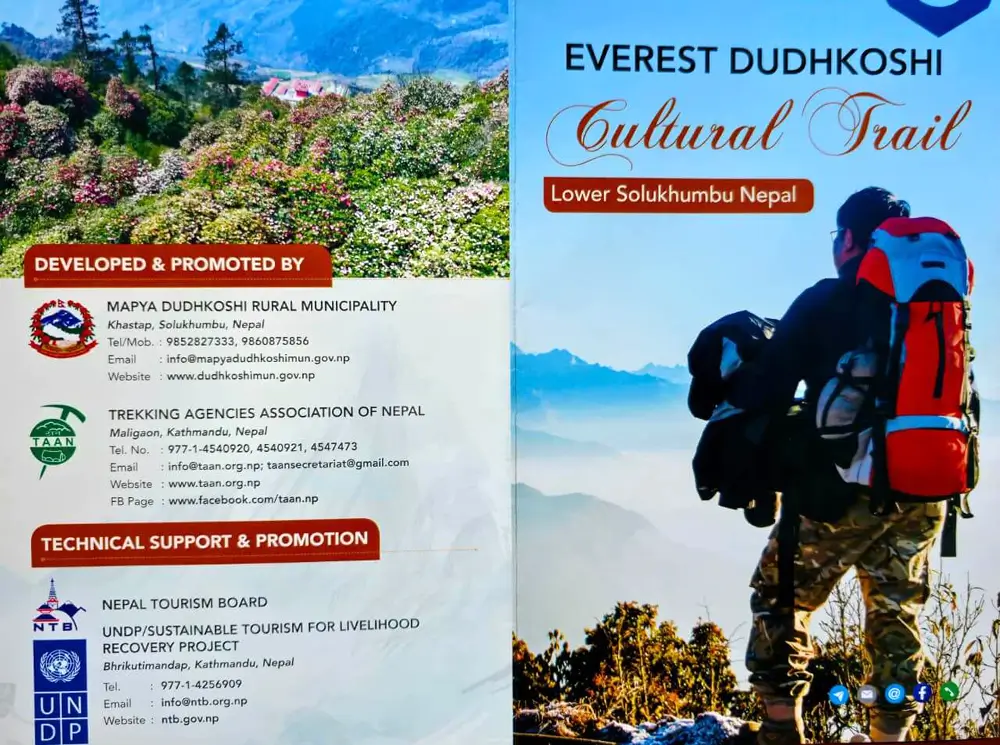
Everest Dudh Koshi Cultural Trail: A Journey to the Heart of the Himalayas
Everest Dudhkoshi Cultural Trail

Where the Trail Less Traveled Is

It is located in Solukhumbu District in the Mapya Dudhkoshi Rural Municipality in eastern Nepal. It lies south of the well known Everest Base Camp trail. The tour begins with a beautiful journey by car and Kathmandu to Silgudi hill (3,020m) instead of taking an expensive and often weather-caused flight to Lukla.

Here the road leads to

  • During spring rhododendron forests will bloom.
  • Terraced farmlands clinging to verdant slopes,

Alpine ridges and river valleys that have been shaped by wind and water for hundreds of years.

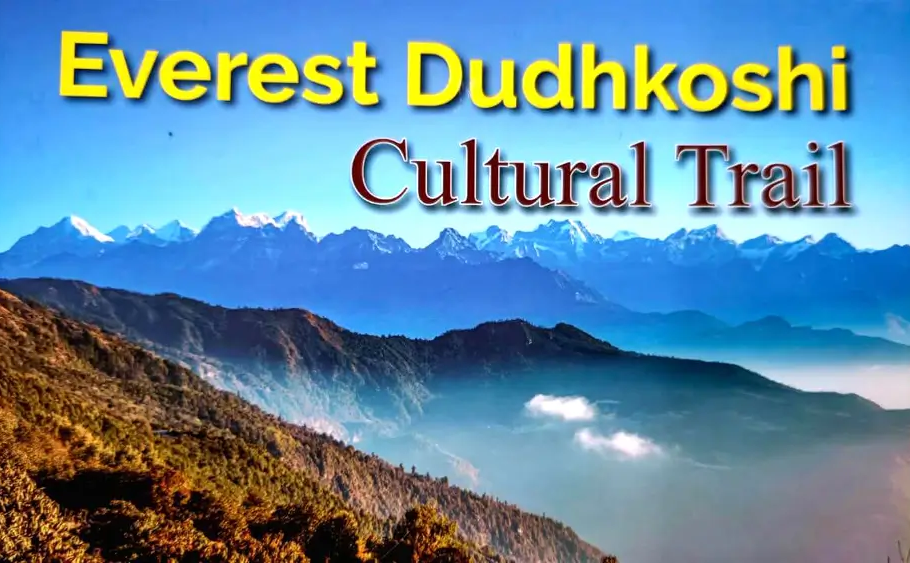
The crowning treasure of this route is Kudham Viewpoint (3,362m), affording continuous views of Everest, Lhotse, Makalu, Mera Peak, Kangtega, and more. Over the course of 6 to 7 days, hikers slowly make their way down from high-altitude areas to lush mid-hill villages, walking along rivers and ridgelines that seem to have been untouched by time.

A Living Tapestry: People, Culture, and Traditions

The people, not just the environment, make this path special.

You will meet Sherpa, Rai, Magar, and Tamang families who have lived in these hills for generations. Their houses become your homestays. Their kitchens are your dining rooms. Their story, your roadmap.
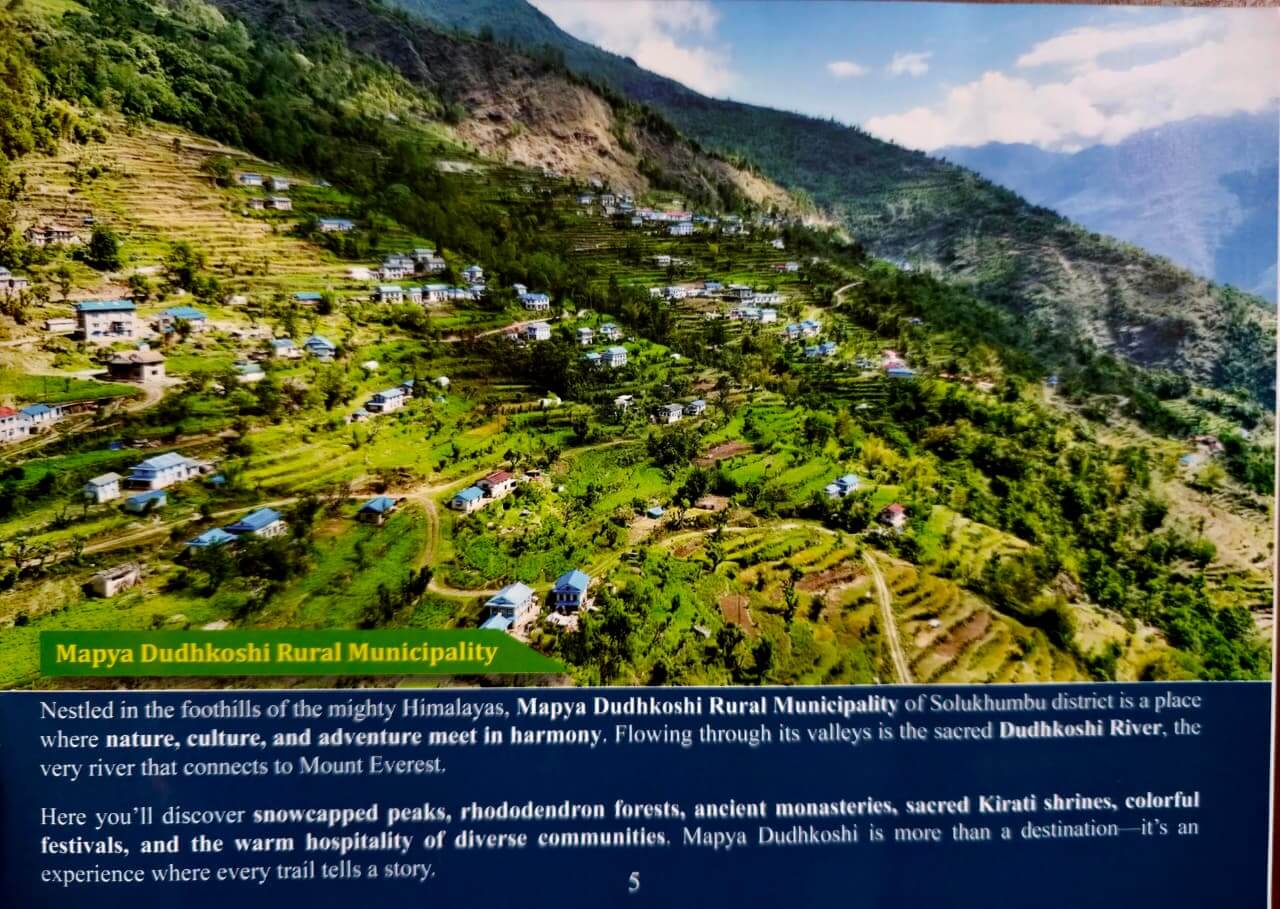
Everest Dudh Koshi Cultural Trail
Khastap Village

Villages That Welcome You

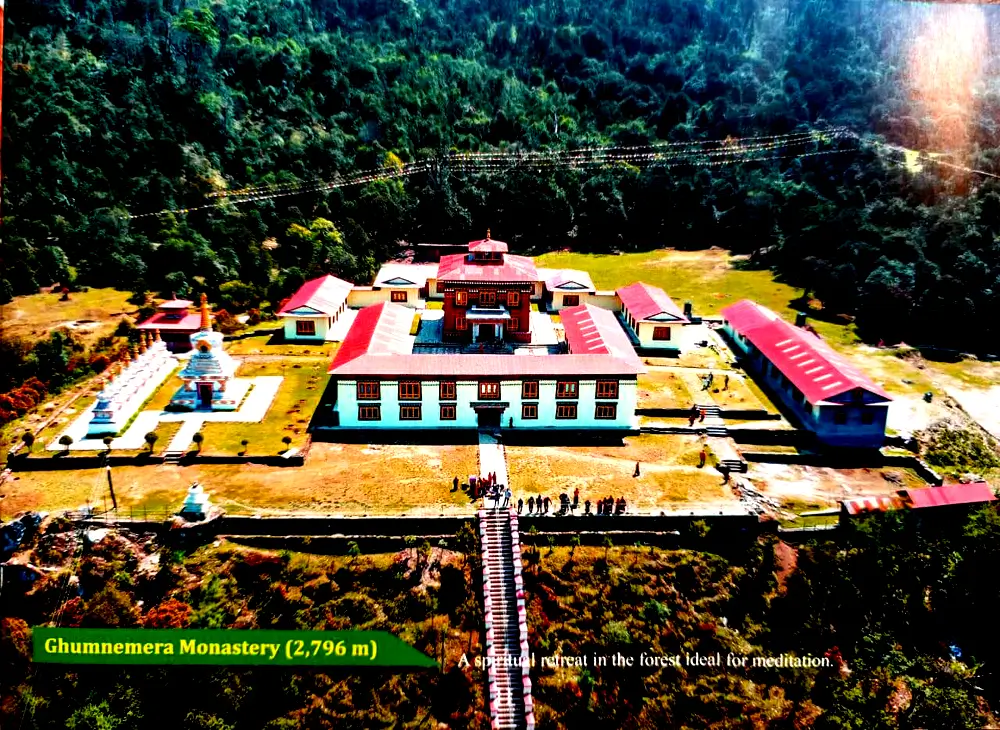
  • Ghumne Mera is a pastoral paradise famous for its mountaintop monastery, the Chyangmiten Gompa, whose prayers resound over the smoke of juniper trees.
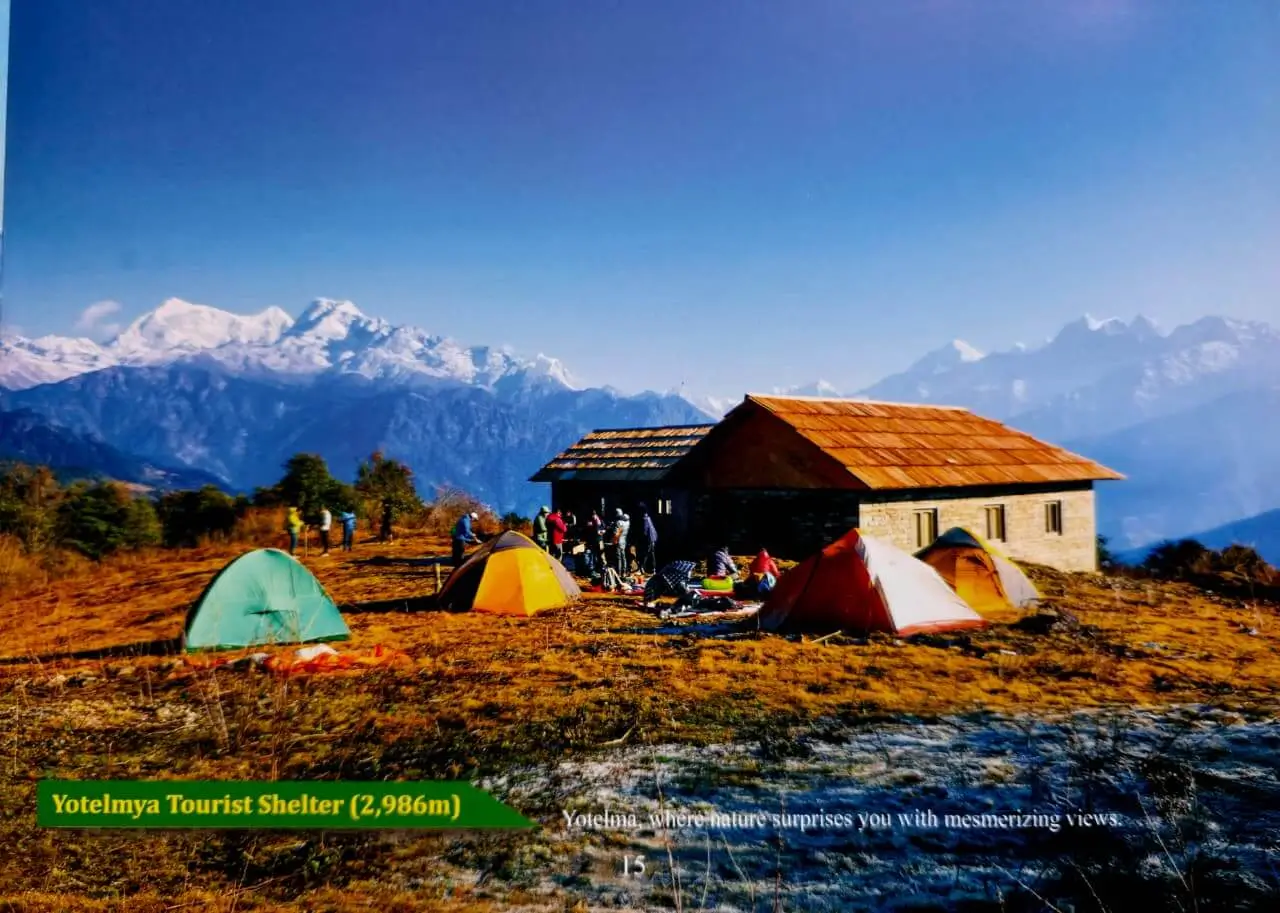
  • Yotemya & Rappchha: Villages that still preserve their ancestral architecture, seasonal livestock migration patterns, and community rituals.
  • From butter tea ceremonies to seasonal dances, and from the pounding of millet to the murmurs of oral history, every step is an immersion. You are not just walking through a place, you are becoming part of its story.

Sacred Spaces: Where Earth and Spirit Intertwine

There are monasteries, chortens, and spiritual sites along the trail, and many of them are still used by the people who live nearby.
Everest Dudh Koshi Cultural Trail

Key Highlights

Chyangmiten Monastery: A beautiful place on a hill that is full with Sherpa Buddhist rituals. You might see young monks chanting, locals giving butter lamps, or older people saying old mantras.

Prayer flags and mani walls are more than just symbols; they are prayers that are alive and fly between the visible and the unseen.

In the indigenous mythology, Everest (Sagarmatha) is not simply a mountain, it is a god, and each peak in view has its own spiritual meaning. As you travel, you’re repeating pilgrimage roads and shamanic trails that predate contemporary hiking by decades.
  • Nature’s Raw Grandeur: Wild and Unspoiled
  • This trail runs along the perimeter of the Sagarmatha National Park buffer zone, where
  • Nepal’s national bird is the Himalayan monal.
  • Musk deer, tigers, bear, various birds
  • Pine and rhododendron forests that kiss the clouds.

Natural Highlights

  • Sundar Jharna (Beautiful Waterfall): A cascading sheet of water that roars during the monsoon and glistens in winter frost.
  • Mahabhir Rock: A tall rock formation that is being turned into a rock climbing site run by the community, combining eco-tourism with getting young people involved.
  • Unlike more commercialized trekking areas, this region has largely escaped overtourism, making every vista feel private, every encounter genuine.
  • Community Impact: Tourism That Gives Back
  • This trail is all about giving people power. Built on a basis of community-based tourism, it feeds trekking earnings directly to local families and enterprises.
Everest Dudh Koshi Cultural Trail
Yotelmya

Trekking with a Purpose

  • Stay in historic cottages or Goths (seasonal herder huts) that have been made better for hikers.
  • Millet dhido, wild ferns, and local cow or buffalo milk tea are all good for you.
  • Hire local guides that know the area well and also know a lot about its culture.
  • This approach doesn’t have the disadvantages that come with tourism that isn’t long-lasting. It helps communities protect their own environment, keeps traditions alive, and helps young people find work.
  • Sustainable trekking is a new development in Himalayas trekking.
  • The Dudh Koshi Trail is showing what ethical hiking may look like at a time of cultural decline and climate calamity.
  • No flights necessary, decreasing emissions.
  • Waste management schemes led by the community.
  • Cultural sensitivity should be a core premise, not an afterthought.
  • Even the new rock climbing endeavor at Mahabhir Rock is intended with minimum environmental impact, focused on natural grips and safe, sustainable practices.
  • Local politicians, tourism boards, and youth groups are all working together to make this trail a model for responsible exploration.

The Future of the Dudhkoshi Trail: What to Look Forward to?

After it officially opens in late 2023, the Everest Dudh Koshi Cultural Trail will be one of the greatest walks in Nepal that isn’t well-known.

  • Things that will happen shortly include
  • Eco-lodges built using materials from the region,
  • More helpful signage and digital maps,
  • Programs that teach hospitality, conservation, and first aid.
  • There is even discussion of asking UNESCO to acknowledge the trail for its unique blend of cultural landscape and spiritual history. This may make the route popular around the globe while retaining its sacred heart.

Finally, there is a reason to walk, and stories to leave.

The Everest Dudh Koshi Cultural Trail is more than simply a hike; it’s a journey to find the real you. It’s for people who want more than just pictures. They want to talk around village fires, meditate at sunrise at cliffside gompas, and hear the quiet of snow under their boots.

You are picking this path when you choose

  • Connection over ease,
  • Community over crowds, and
  • A tale that’s yours-but shared with people who live it every day.
  • So, if you’ve ever dreamed of Everest but wanted to experience it differently, deeply, and deliberately-this is your path.

Quick Facts and a Guide for Trekkers

Duration of the trail 6 to 14 days
The highest point is Kudham Viewpoint (3,362m).
The starting point is Silgudi Hill, which you can get to by driving from Kathmandu.
Highlights: Local homestays, cultural immersion, panoramic Himalayan vistas, Chyangmiten Monastery, Mahabhir Rock, Sundar Jharna
Spring (March to May) and fall (September to November) are the best times of year.
Entry permission via Mapya Dudhkoshi Rural Municipality
Great for: eco-tourists, cultural trekkers, photographers, and adventurers who want to go off the beaten path.


Author Information
Table of Contents
    Free Travel Guide
    Get Expert Guidance from Experienced Sherpas
    dawa-sherpa
    Dawa Pasang Sherpa 15+ Years of Expertise in Himalayan Trekking & Climbing Start Live Chat
    Ang Dendi Sherpa
    Ang Dendi Sherpa 25+ Years of Expertise in Mountaineering Start Live Chat