Latest Posts

Talk to Trip Expert
+977 9704823980 (Whatsapp)


Talk to Trip Expert
+977 9704823980 (Whatsapp)The Everest Three High Passes Trek is one of the multiple treks to allow one the opportunity to also cultivate the full Himalaya experience. It is one of the more adventurous. It is the trek to the Everest base camp. We at Nepal Himalaya Treks also focus on other activities besides trekking. The three passes at Everest Himalaya allow multiple other activities. The trek is vast and for the cover the gets breathtaking. this covers vast
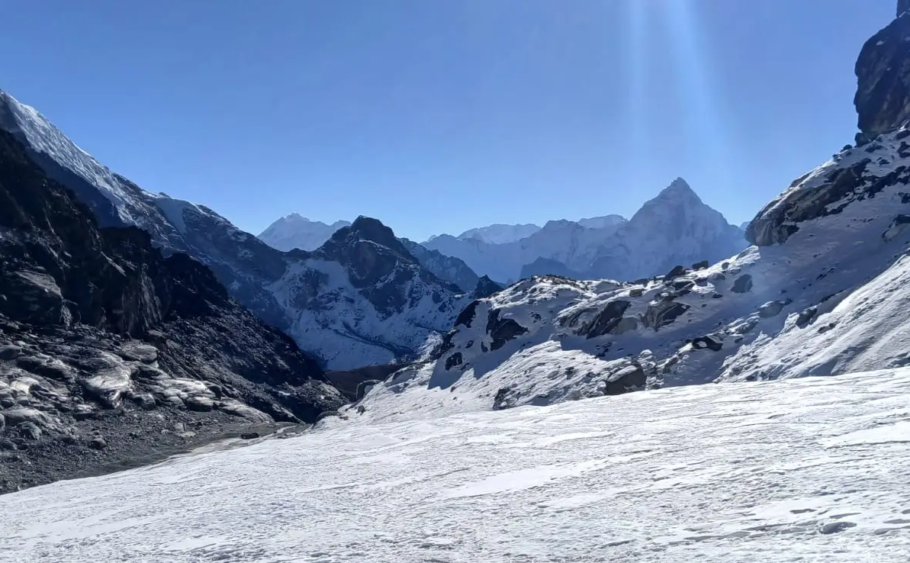
Choosing the Everest Three High Passes Trek allows trekkers to step into the unique. This trek is aimed toward trekkers who would like to dive deeper into the Everest region and prefer to step off the busy standardized route. It is an adventure in the true sense as you cross three 5,000-meter-plus high mountain passes, traverse glacial valleys, and scale elongated ridges that offer unparalleled 360-degree views of Everest (8,848 m), Lhotse (8,516 m), Makalu (8,481 m), and Cho Oyu (8,188 m).
Apart from the views, the trek provides a profound encounter with the Sherpa people as you enter and high-altitude spiritual and communal villages, ancient monasteries, and Mani walls. This route is for adventure seekers who want a tougher, longer, and more rewarding trek in the Everest region, as it is unmatched.
The Everest Three High Passes Trek consists of unforgettable highlights. The trek encompasses the three major passes, Kongma La, Cho La, and Renjo La, which are an accomplishment on their own both physically and emotionally, and each provides stunning views of the mighty Himalayas. The Everest Base Camp (5,364 m) and Kala Patthar (5,545 m) are also part of the hike, where you get the most beautiful sunrise views of Everest. The Gokyo Lakes are remarkable as well. They are among the highest freshwater lake systems and the hike to Gokyo Ri (5,357 m) provides views of four of the six highest mountains.
You will also get to experience the Sherpa villages of Namche Bazaar, Thame, and Dingboche, which are beautiful in their own ways, and Gokyo, which provides thier own hospitality and a unique Himalayan experience.
The trek is done in a period of 18 days. This period varies due to side trips and acclimatization days.
Your journey commences with a brief, exhilarating flight from Kathmandu to Lukla, followed by a leisurely trek to Phakding and to Namche Bazaar day 1-3, the hub of the Khumbu region. After acclimatizing in Namche, the trail continues through Tengboche day 4-5, famous for its monastery, and Dingboche, before tackling the first and highest pass, Kongma La (5,535 m). leading to Lobuche and Everest Base Camp day 6-9.
After exploring Kala Patthar for sunrise views of Everest, you’ll continue to Dzongla and cross Cho La Pass (5,420 m) to reach the stunning Gokyo Valley, day 10-12. From here, a climb to Gokyo Ri (5,357 m) provides spectacular panoramic views of Everest, Lhotse, and Makalu. The final challenge, Renjo La Pass (5,360 m), connects Gokyo to Thame, from where the trail descends back to Namche Bazaar and finally Lukla for your return flight to Kathmandu, day 15-18.
The Everest Three High Passes Trek is the first of the high passes you will take. It is best to have trekked at high altitudes before. This trek is physically challenging, which requires a certain level of fitness.
To guarantee optimal performance, cardiovascular activities (e.g., running, hiking, cycling), strength training, and endurance conditioning exercises should be performed three months prior to the trek. Mental preparation for the trek is vital. Adverse weather, altitude exhaustion, and lengthy, strenuous trek days will be the ultimate test of your endurance.
To enhance effectiveness, diligent adherence to the itinerary is crucial, particularly concerning designated rest days, as well as consistent hydration to aid acclimatization.
The period of March to May in spring and September to November in autumn are the most suitable for the Everest Three High Passes Trek.
In spring, the weather is comfortable, and the landscapes are filled with flowering rhododendrons. Autumn offers remarkable weather stability, pristine visibility for photography, and safe crossing of the high passes, as well as excellent acclimatization.
The winter months of December to February present extreme cold, and deep snow covers the passes. The June to August monsoon season is also unsuitable due to rain and dangerous, treacherous, slippery trails.
The Everest region requires two permits to trek:
The Sagarmatha National Park entry permits and the Khumbu Pasang Lhamu Rural Municipality Permit. The former can be obtained in Kathmandu or at the park entrance in Monjo, whereas the latter can be obtained in Lukla or Monjo.
At present, there is no TIMS card (Trekkers Information Management System) needed in the Everest region, though this may change in the future. Remember to carry several copies of your permits, as you will need to show them at various checkpoints along your route.
Accomodations along the route consist of tea houses, which are simple lodges run by local families. You should expect to be in twin-sharing rooms along with the other guests, and shared bathroom facilities, which may not be as warm as you expect.
Meals are typically Nepali or Tibetan in style. They will consist of dal bhat (a combination of rice and lentils), noodles, soups, eggs, potatoes, and momos. As you ascend, the menu will have fewer options, but the portions will still be filling. For your comfort, you will be offered hot drinks which may include tea, coffee, and ginger-lemon honey.
To prepare for success on the trek, it is important to pack the right items. For your clothing, you should include layering options (base, mid, and down layers). You should have a -15°C rated sleeping bag, warm trekking boots, thermal layers, gloves, a hat, sunglasses, and a headlamp.
In addition, you will need a good quality backpack, which should have a waterproof cover as well. You should also have trekking poles for assisting you on rough, uneven ground, and to help ease the strain on your legs.
Make sure to pack a small personal first aid kit, tablets to purify water, and altitude sickness medications like Diamox. A trek porter carries 10-15 kg for each trekker, so pack smart and don’t bring excess waste.
Climbing high passes and risking altitude sickness is a serious issue. You might first experience headaches, nausea, dizziness, and feel weak.
For the best prevention, drink lots of water, safely and slowly walk, and do not drink alcohol. Drink lots of water and slowly and safely walk. The itinerary takes rest days in Namche Bazaar and Dingboche for the trekker to adjust to the altitude. Follow your guides: if the symptoms get worse, the safest strategy is going lower.
Apart from the adventure, the Everest Three High Passes Trek has a rich cultural experience. This is the home of the Sherpas, and you will see the Sherpas. You will see lots of prayer flags, hear the spinning of Mani wheels, and see Buddhist monasteries like the century-old Tengboche and Thame.
Wildlife enthusiasts will be prepared to encounter Himalayan rarities like the musk deer, the Himalayan thar, and even the elusive snow leopard. One will also be able to appreciate the multiple forms the Himalayas can take, ranging from the pine and alpine meadows to the glacial valleys and finally, the majestic snow-covered ranges.
Generally, the price for the Everest Three High Passes Trek will be between USD 1800 to 2500, depending on the number of people in a group, duration of the trek, and the service level provided.
Costs will generally be inclusive of domestic flights, accommodation, meal provision, the required permits, a licensed guide, a crew of porters, and guide and crew insurance. Personal insurance, international flights, snacks, hot showers, and tips are the most common exclusions.
For better arrangements, and to guarantee the safety and responsible travel of your group, choose a trusted trekking company.
Trekkers will pay off their lack of preparation in high altitude areas. Invest in a good portion of your funds to lightweight and comfortable trekking footwear and carry only the most essential gear to appreciate your adventure.
Your travel insurance must be able to cover helicopter evacuation above 5000 meters.
Due to the nature of mountain ecosystem, altitude and temperature changes will require you to adjust your itinerary to allow for greater flexibility in your plans. Don’t forget your trekking etiquette – walk clockwise around Mani stones and greet with a “Namaste.”
The Everest Three High Passes Trek is the ultimate adventure for challengers of the Himalayan range. It is a test of stamina, a challenge of one’s will, and one of the few opportunities to see the tallest mountain on the planet. Every bit of this adventure, from the discovery of the region’s Everest to the marvel of Gokyo’s turquoise lakes, is filled with the amazement of all the beautiful things nature has to offer.
If you’re willing to fully embrace the challenges of the Everest region, the Three High Passes Trek will be a splendid adventure for you, and one that will remain with you for a long time after you retun.
Everest Three High Passes Trek is one of the most adventurous treks in Khumbu region of Nepal. The expedition includes three high mountain passes, Kongma La (5 535 m), Cho La (5 420 m), and Renjo La (5 360 m), through which geographically the trail on the Base Camp Everest and then the Gokyo Valley, and finally Thame Valley are connected. The grandeur of this journey cannot be compared in the beautiful Himalaya landscape and the great views of the Everest, Lhotse, Makalu, Cho Oyu and ama Dablam besides the Sherpa culture.
The trek is strenuous and is best suited for trekkers with reasonable physical fitness and some high altitude trekking experience. There are many long walking days, in addition to steep ascents and descents. Passing all three high-altitude mountain passes (5,000 m) will be physically demanding, but is attainable for fit trekkers with the right preparation and acclimatization.
The average duration for the Everest Three High Passes Trek is set to 18 days. This period varies depending on the chosen route, weather, and acclimatization days. There are trekkers who have completed it in about 17 days, whereas some extend their journey further to include side trips to Gokyo Ri, Everest Base Camp, or Kala Patthar.
Each pass demands careful acclimatization and steady pacing to enjoy the spectacular views of the passes and the surrounding Himalayan peaks.
The best seasons of the Everest Three High Passes Trek are spring (March– May ) and autumn (September-November). The weather is also predictable within these months and there is no rain and the skies are clear, which guarantee good visibility.
The winter months (December–February) are extremely cold, with the passes covered in snow. During the monsoon (June–August), heavy rain will make the trails dangerous.
Yes, prior high-altitude trekking experience is highly recommended. You will also need to be able to walk for 6–8 hours on a daily basis in steep, rocky, and uneven terrain. Beginners can do the trek as long as they have good fitness for the requirements, strong determination, and will undergo proper acclimatization and training.
These permits can be obtained in Lukla, Kathmandu, or Monjo. A TIMS card is no longer required for this area, but management does intend on reinstating it in the future.
Accommodation is in local tea houses. These are family-run lodges that provide basic rooms with twin beds, blankets, and shared bathrooms. Some tea houses in the more frequented areas, such as Namche and Gokyo, provide hot showers and charging facilities. Wi-Fi is available for a fee.
The food served in tea houses is varied and it consists of Nepalese, Tibetan and Western cuisine. The staple food is a lentil, rice and vegetables creation known as dal bhat, and there are noodles, sou pes, potatoes, eggs and momos as well. Consumption of warm and freshly cooked food, drinking of purified or boiled water is advised.
Yes, as the trek reaches and exceeds 5,000 meters, the chances of developing altitude sickness (AMS) are high. AMS is best prevented through a gradual ascent, acclimatization, hydration, and rest periods. Guides are trained to recognize the signs and symptoms, and if needed, a descent is the best solution. Bring some Diamox or prescribed altitude sickness medicine.
While it is true that solo trekking is allowed in the Everest region, the Three Passes Route entails complex, and in the case of Cho La and Renjo La, very remote trekking. The safety and navigational aspects alone should compel you to hire a licensed guide and a porter. The cultural aspects of the region will also enrich your trek. Organized treks also take care of your permits, flights, and logistical arrangements.
The answer depends on the season and the altitude. It can get as cold as –10°C to –20°C (14°F to –4°F) at night during the day in the higher altitudes. It can be very mild and sunny during the day. That is why it is important to have proper layering, a warm sleeping bag, and a down jacket, as it will be very cold at night.
The answer is to pack lightly, but also to pack smart. The trekking essentials are:
Yes. Most tea houses along the trail provide Wi-Fi and charging services at a nominal fee. You will be able to access mobile networks, primarily Ncell and NTC, at the larger settlements which include Namche, Dingboche, and Gokyo, although the signal is likely to be patchy in the more remote regions.
Depending on the trekking company, itinerary, and what is and isn’t included, the Everest Three High Passes Trek will cost approximately USD 1,800 to 2,500 per person. This includes flights, accommodation, meals, the guiding and porter services, permits, and insurance on staff. You will also need to factor in the cost of snacks and drinks, tips, and any personal equipment, which will be the main additional expenses.
Yes. You will need to have comprehensive travel insurance that includes high-altitude trekking up to 6,000 m, emergency evacuation, and medical costs. You must have a copy of your insurance policy and emergency contacts.
Many trekkers do tend to extend their trips to include the additional days to visit Ama Dablam Base Camp, Chukhung Ri, or Nangkartshang Peak. This trek is also able to be linked with climbing Island Peak or the Gokyo Lakes for a truly remarkable trek.
Unlike the Everest Base Camp Trek, which is mainly about arriving at the foot of the world’s tallest mountain, the Three High Passes Trek encompasses the entirety of the Khumbu region. It includes the crossing of different valleys, the crossing of high passes, and the highlights of both Everest Base Camp and the Gokyo Lakes, rendering this trek the crowning glory of the region.
Due to excessive air traffic, Lukla flights will peak during the trekking season and come from Ramechhap/Manthali Airport, which is a 4-5 hour drive from Kathmandu. Your trekking agency will coordinate this. Always plan for delays due to weather; an extra day is advisable.
Although you do not need to be an athlete, a reasonable level of fitness will be required. You will need to have good cardiovascular endurance and stamina and perform regular cross training activities for 4-6 weeks prior to the trek to prepare for a number of long walking days at high altitudes.