Latest Posts

Talk to Trip Expert
+977 9704823980 (Whatsapp)


Talk to Trip Expert
+977 9704823980 (Whatsapp)Every year, thousands of people go on the Everest Base Camp Trek (EBC), which is one of the most famous adventures in the world. As you climb higher through secluded Sherpa communities and get closer to the base of the world’s tallest peak, eating is very important for keeping your energy up and your spirits even higher. The hike has stunning views, and the food choices, although simple, are surprisingly varied given the environment. Knowing what food is available, how much it will cost, how good it will be, and how to organize your meals may make your travel much more enjoyable.
Teahouses, which are local lodges that serve as both eateries and places to stay for trekkers, supply much of the food on the Everest Base Camp trip. These teahouses are dispersed across the path and provide an established system of hospitality that caters to both local and foreign trekkers. Because it’s hard to obtain fresh meat to higher elevations, much of the food is vegetarian. The food is greatly inspired by Nepali, Tibetan, and basic Western cuisines. The higher you go, the fewer choices you have and the more costly the food becomes. This is mostly because porters or yaks have to carry all the supplies.
Breakfast is generally a big meal that gives you energy for the journey ahead. People often choose Tibetan bread (a fried flatbread), chapatis, pancakes (plain, banana, or apple), or porridge prepared from oats, rice, or semolina. You can get eggs almost anywhere, and you can prepare them in many ways, such as boiling, frying, scrambling, or making omelets. Tea, instant coffee, or hot chocolate are common hot liquids that come with the meal. These breakfasts are simple, but they provide you a good mix of carbohydrates and proteins that you need for the long trip ahead.
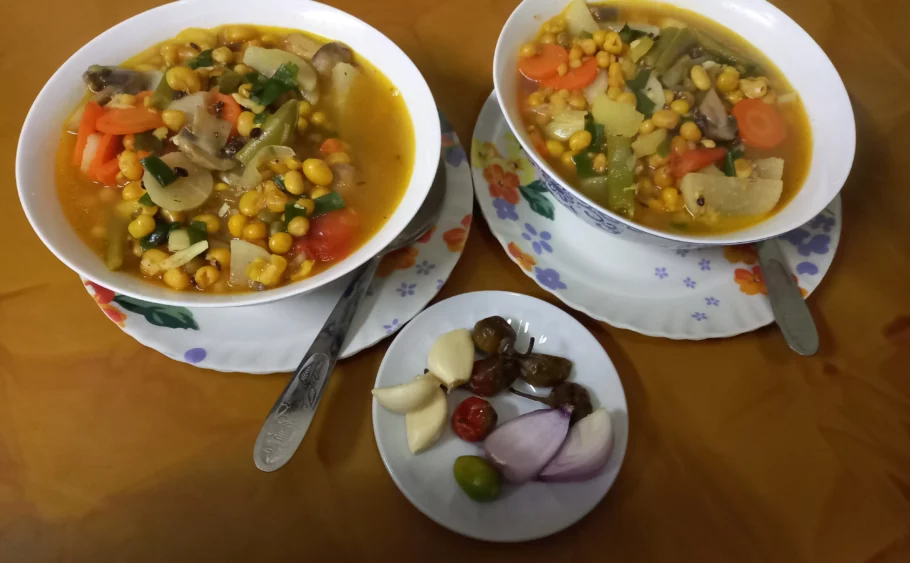
Lunch and supper menus generally include the same dishes, and the food is usually served hot and in big servings. Dal Bhat is the most popular and recommended dinner. It is a classic Nepali cuisine made with steamed rice, lentil soup (dal), and seasonal vegetable curries.
Dal Bhat is healthy, can be refilled at most teahouses, and is great for those who require a lot of energy. Other frequent meals include noodle soups, chow mein, fried rice, and pasta dishes like spaghetti. Momos are steamed or fried dumplings filled with veggies or cheese. Namche Bazaar and other larger villages may have certain Western dishes, including pizza or burgers, however, they are typically not real replicas of those cuisines.
Teahouses usually offer extra snacks like Pringles, chocolate bars, biscuits, and nuts, although they are expensive and not necessarily fresh. Most people who go on treks pack their own food to keep their energy up, such protein bars, trail mix, or jerky. You may choose from a number of teas (ginger, mint, masala, green), coffee, and soft beverages. You can get alcohol at lower altitudes, but it’s best to stay away from it since it makes you dehydrated and makes it harder to get used to the new environment.
Breakfast will usually be before your day’s trekking begins, and it sets the basis for your level of energy. Most tea houses offer:
Pro Tip: Start your day with warm liquids and carbohydrates, oatmeal or roti with eggs is a good combination for sustained energy.
Lunch is typically eaten midway through your day at a tea house along the route. You’ll find a mix of local and international dishes
Note: Meals are large, and most courses tend to be vegetarian by default due to the absence of refrigeration.
Dinner time is relaxation, warming up next to the fire, and interaction with fellow trekkers following a day on the trail.
Look forward to the same menu options as lunch – dal bhat, soups, noodles, and sometimes pastas or pizzas. Garlic soup, again, is a hit, especially at night. Some trekkers also enjoy
Avoid heavy or greasy foods at night, as digestion at altitude slows down.
There is food along the trail, but if you have special dietary needs, you may need to plan ahead. There are a lot of vegetarian alternatives, and many teahouses can provide vegan dishes on request, however, there is a chance of cross contamination.
It might be harder to stick to a gluten free diet since most of the things you consume every day are made with wheat or are processed in the same place as wheat. It’s better to bring your own snacks and let the lodge staff know what you need if you have allergies or need certain dietary adjustments, such halal, kosher, or diabetic-friendly cuisine. They may not speak much English and may not have all the ingredients you need.
In more developed villages, food hygiene usually gets better, but it can be very different depending on how high up and remote they are. Stick to hot, freshly prepared meals to lessen the risk of food-borne infections. Don’t eat raw veggies or unpeeled fruits unless you washed or peeled them yourself. Water is a big worry. Always boil it, use iodine pills, chlorine drops, or a portable filter to make it safe to drink. You can buy bottled water, but it’s pricey and bad for the environment. A lot of people who hike carry a SteriPEN or Lifestraw to clean their water every day.
As you gain height, anticipate food costs to climb gradually. In Gorak Shep, the final stop before EBC, anything that costs 200 NPR in Kathmandu may cost 1000 NPR or more. The price went up since it’s hard to move food by porters, mules, or helicopters. A day’s worth of food (three meals and several snacks) usually costs between $25 and $40. Stick to local foods like dal bhat, which often comes with free refills, to stay within your budget.
Eating healthy at high altitudes is much more than simply getting enough calories; it’s also about helping your body get used to the thin air. Concentrate on carbohydrates since they are simpler to digest and provide you continuous energy. People have long thought that garlic soup might aid with acclimatization. Avoid heavy, greasy meals or too much protein, which can make digestion harder at high altitudes. To lower your chance of getting altitude sickness, drink at least 3-4 liters of water per day and cut down on coffee and alcohol.
Dal Bhat- Full of calories, protein, and fiber. Hands down, the healthiest and most sustainable choice.
Meat – Not safe because of a lack of refrigeration; all meat is brought up from a lower altitude.
Vegan? Gluten-free? No worries – with some advance planning.
It’s a good idea to bring your own snacks. Trail mix, protein bars, jerky, dried fruits, and electrolyte powders are all light, high-calorie foods that may help you stay full and energized for lengthy periods of time. These are very beneficial between villages or when teahouse cuisine becomes repetitious. When packing snacks, note that Nepal has certain limits on importing fresh foods or animal products, so it’s better to carry sealed, packaged things that meet with customs laws.
In the Khumbu area, food is not simply something to eat; it’s a part of the culture. People typically eat together in teahouses, sharing food around warm fires after long hikes. If you don’t use utensils, eat with your right hand and thank your hosts. This shows that you respect local traditions. Please be patient. Meals are created to order, so they might take 30 to 60 minutes to make. When you can, try local foods and stay and dine at the same teahouse to help local businesses.
Food on the Everest Base Camp Trek is a mix of need, culture, and simplicity. As you get higher, your selections will become more restricted, but you’ll still be able to discover enough different foods to keep you full and happy on the trip. The meals are a big part of the trekking experience. They include hot bowls of dal bhat and the warm comfort of garlic soup. Be ready, eat well, and enjoy the chance to share delicious meals with other explorers in one of the most beautiful locations on Earth.
Yes, it’s usually simple to obtain food along the Everest Base Camp walk since there are several teahouses (small local lodges) that cater to hikers. There are teahouses in practically every settlement and rest stop along the path, from Lukla to Gorak Shep. There is a menu at each teahouse with a choice of hot meals, beverages, and snacks. You won’t spend a day without warm, substantial meals, even if you have to camp or take a long detour. However, your alternatives will get more restricted and pricey as you move higher.
Most of the time, the cuisine on the Everest Base Camp hike is a combination of traditional Nepali, Tibetan, and simple Western meals. The most popular and highly recommended food is Dal Bhat, which is a filling dinner of rice, lentil soup, and seasonal vegetables that many teahouses will keep serving you. You can also get noodle soups, fried rice, chow mein, spaghetti, pancakes, eggs, and Tibetan bread. You may also get dumplings (momos), basic pizzas, and dishes made with potatoes. The food isn’t gourmet, but it’s warm, filling, and surprisingly varied for a place that’s so far away.
Yes, vegetarian food is common on the EBC trip, and it’s frequently the safest choice. Many teahouses don’t sell meat at all or only serve preserved meat since it’s hard to keep meat fresh at high elevations (no refrigeration and extensive travel durations). Vegetarians who go trekking will discover a lot of good food, such as dal bhat, vegetable momos, fried rice with vegetables, soups, and potato curries. If you’re a vegetarian, you won’t have any problem obtaining food at any point along the path.
You may be vegan or gluten-free on the journey, but you need to prepare beforehand. certain vegan possibilities include dal (without ghee), steaming rice, chapati (without butter), simple veggies, and certain soups. However, you should be sure to let them know what you want, particularly if you want to avoid dairy, which is popular in many meals. It’s harder to find gluten-free foods since many breads, noodles, and baked items have wheat in them. People who are very sensitive to gluten or have celiac disease should bring their own snacks or dried meals. It’s also helpful to have a message in Nepali that explains your dietary limitations for clarity.
The more you ascend the Everest Base Camp trek, the costlier food is. The reason is that they require the services of porters, mules and helicopters to transport supplies, which is more expensive and difficult to achieve. As an example a dal bhat meal may cost 400-600 NPR (3-5 USD) in more rural areas, and it may cost 1000-1500 NPR (8-10 USD) in more affluent places such as Lobuche or Gorak Shep. Snacks, drinks, and hot drinks can be two or three times the price that it is in Kathmandu. You will spend between 25 and 40 dollars a day in the food and beverages; this is depending on the hunger and the type of food you like to eat.
Yes, for the most part. The food is safe, particularly if you stick to hot, freshly prepared meals. The cleanliness of teahouse kitchens might vary, so it’s best to stay away from raw vegetables, unpeeled fruits, and meat that isn’t fully cooked. You may wash these things with untreated water, which raises the danger of being sick in the stomach. Safe options include garlic soup and hot drinks. If you do become sick from food, it’s a good idea to have a basic medical kit with diarrhea medication, oral rehydration salts, and activated charcoal pills on hand.
You shouldn’t consume tap or stream water without treating it beforehand. Most people who hike utilize iodine or chlorine pills, UV purifiers like SteriPEN, or portable filtration bottles like LifeStraw to clean their water. Teahouses also sell boiled water, usually at a nominal price. You can buy bottled water along the way, but it’s pricey and the plastic debris it leaves behind is bad for the delicate alpine habitat. For ease of use and the environment, it’s preferable to have a reusable bottle and a dependable way to clean water.
No single diet can eliminate the effects of altitude sickness; however, certain foods may help the body adapt to higher elevations. For instance, many guides and teahouse owners recommend garlic soup as a home remedy, as garlic is believed to help with blood thinning and improving circulation. At high elevations, carbohydrates are critical because they require less oxygen to metabolize. Foods such as rice, potatoes, and pasta are excellent options. To lower the risk of Acute Mountain Sickness (AMS), it is important to drink ample water and eat regularly, even if a person at high elevations has no appetite.
Enjoying the outdoors does seem ideal with snacks that are light and high-energy. Teahouses provide some snacks that are quite limited and extremely overpriced. Protein bars, energy bars, trail mix, dried fruits, jerky and electrolyte powders are great sustenance between meals especially during long hike days and should be packed. For picky eaters or those with dietary restrictions, packing your lunch provides more control over your food. Lastly, to keep the area clean, remember to dispose your rubbish when you leave.
While some teahouses at lower altitudes, like Namche Bazaar, sell alcohol, it is not advisable to consume it during your trek, especially above 3,000 meters. High altitude mountaineering and alcohol do not mix well; alcohol can be extremely dehydrating and make your body less able to acclimatize to the hypobaric conditions.
This can lead to increasing your risk of altitude sickness. For these reasons, it is best to wait until after your walk, when you come down to lower elevations. Save your celebratory drink until you return to Kathmandu.
Usually meals served at teahouses take at least 30 minutes to an hour to be served since most meals made at teahouses are made fresh to order and, depending on how far the teahouse is, how busy the kitchen is or the time of the week, there could be a longer time to wait for the meals to be prepared. Unlike the cities, there are no pre made meals.
During the busiest trekking times, it is advisable to let the teahouse know ahead of time so that meals can be prepared and served quickly. Some trekkers even order meals in advance to guarantee that they will be served on time when they check in to the rooms, which is a part of the life in the mountain where the pace is a little slower.
Of course, but this practice is discouraged and may result inhigher lodging costs, and in some cases, you may be refused service altogether. It is customary for teahouses to offer complimentary or discounted lodging to patrons who dine with them. Since establishments usually depend on the sale of meals to profit, it is expected, and considerate, for guests to partake of food at their lodging. Such practices foster good relations with the hosts and economically sustain the community.