Latest Posts



Talk to Trip Expert
+977 9704823980 (Whatsapp)


Talk to Trip Expert
+977 9704823980 (Whatsapp)How do Sherpas maintain their strength along their summit attempts at Earth’s tallest peaks? The Sherpa people maintain their peak-conquering strength through their rich Himalayan Sherpa foods.
These Sherpa foods were developed to accommodate the extreme cold conditions and elevated heights which make them ideal for your trekking adventures. You can try these foods during Nepal trek not only in the Everest region but also through the Helambu, Rolwaling, Arun Valley, and Annapurna areas.
Sherpa cuisine for a typical meal consists of Tsampa roasted barley flour alongside Shyakpa Sherpa stew together with Thukpa noodle soup and Su-Chya butter tea.
The distinct variations come from each geographical area. Any Everest Base Camp Trek must include a taste of Rikikur (potato pancakes) or Rildok (potato dumpling soup). Hikers on Annapurna Base Camp Trek should taste Tingmo (steamed bread) and Sha Phaley (fried meat-stuffed bread).
The act of eating Himalayan Sherpa cuisine reveals the genuine hospitality along with the cultural heritage of the Himalayas. During your trips to Everest Base Camp, the Helambu area or Annapurna Base Camp you need to experience these local traditional foods. Food provides the ideal source of energy to explore the mountain life experience!
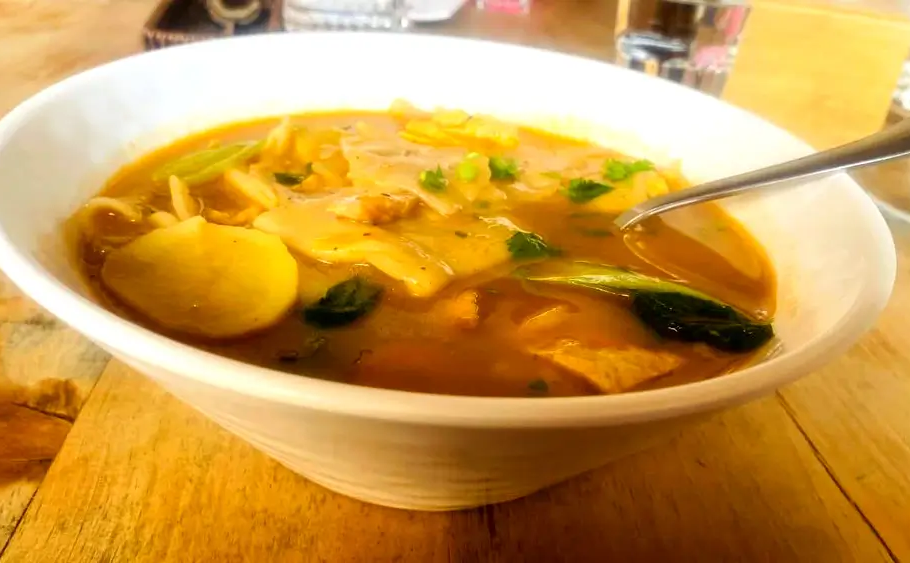
You will never find anything better than a hot serving of Thukpa during a Himalayan trekking adventure. Noodle soup stands as the traditional Sherpa dish of Himalayan cuisine because it provides nourishment and warm comfort in mountain climates.
Thukpa originated in Tibet where the Sherpa version contains homemade wheat noodles combined with local vegetables and either mutton or yak and a deep spicy broth. What about the extra kick of spices? The additional spices added to the dish serve to combat cold conditions in elevated regions.
Along the Everest Base Camp Trek, tea houses will offer you Thukpa, majorly in Namche Bazaar and Dingboche together with other teahouses throughout the trail. The soup broth in Helambu and Rolwaling region stands thicker with numerous herbal ingredients creating distinct versions between different areas.
This traditional Himalayan Sherpa Cuisine goes alongside Kur bread or dumplings to form a complete eating experience.
During your Himalayan trek, you should look for Shyakpa (Sherpa Stew) because it sustains hunger better than any other hot dish. This Himalayan Sherpa Dishes is prepared with dense yak or mutton containing thick gravy stuffed with hand-pulled wheat dough and root vegetables such as carrots alongside potatoes and turnips.
While Thukpa delivers noodles in broth, Shyakpa serves as a rich and full meal since its dough absorbs the flavorful broth to make a comforting eating experience.
Shyakpa serves high-altitude trekkers with proper meals that combine protein and energy. Various regions can affect Shyakpa’s recipe because it includes fewer meat portions and additional vegetables according to what is normally provided.
Some traditional versions with Sichuan pepper include it to offer mild numbing spice which provides an additional dimension of warmth.
The Himalayan Sherpa Cuisine gains its uniqueness because the region feeds into its essence. Each portion of Shyakpa reveals survival and cultural heritage along with its warming qualities. To fully experience Himalayan culture have a cup of Su-Chya (Sherpa butter tea) with your meal which will give you the essential energy to conquer your trek.
Every Himalayan trekker must taste Sherpa Momo as one of the traditional foods during Nepal Trek. Himalayan Sherpa cuisine features Sherpa Momo dumplings as their tasty main dish built from dense dough stuffing that provides heartier versions of traditional Nepali momos.
The traditional stuffing in these dumplings contains yak or mutton combined with Himalayan spices and spring onions and garlic together with chopped vegetables to create the ideal portable energy source for mountain climbers.
Sherpa Momo comes in three preparation styles such as steamed, fried, and Jhol Momo which is a spicy soup that works well for recovering from trekking fatigue.
The best way to enjoy them are:
During Himalayan trekking experiences you will encounter Tsampa which stands as an important base food for Himalayan Sherpa Cuisine. The high-energy traditional food Tsampa makes use of roasted barley flour to provide Sherpas sustainability generation after generation.
Due to its simple preparation and great nutritional value Tsampa spreads easily in the mountains as food needs to provide both energy and basic cooking capabilities.
In the wild Nepalese mountains, people typically eat Tsampa combined with Su-Chya (butter tea) or yak cheese which becomes a thick mixture without requiring cooking preparation suitable for travelers on long paths.
Most teahouses serving the Everest Base Camp Trek route provide Tsampa in Namche Bazaar and Gorakshep. Some tea houses create Tsampa variations by adding honey alongside dried fruits as well as warm milk to make the dish more sweet.
Hikers who challenge altitudinal trails often consume it for breakfast since it supplies enduring energy. Trying Sherpa foods in Himalaya means tasting Tsampa because this traditional dish represents authentic Himalayan Sherpa taste. The Sherpa culture incorporates Tsampa as an important tradition of both its historical past and nutritional abundance.
When looking for a comfort meal in the mountains one can find Rildok which represents Himalayan Sherpa cuisine although many people remain unfamiliar with it.

Food enthusiasts prepare this distinctive dish through the process of boiling potatoes before mashing them into sticky dough which they shape into small dumplings before placing them in light broth for cooking. The pillowy dumplings within the soup absorb the spices so they become a warm satisfying dish that provides heat against the cold Himalayan weather.
Potato cultivation thrives at elevated altitudes which explains why Rildok has been an essential food in Sherpa homes throughout many generations. The simplified version of this dish contains Sichuan pepper along with other ingredients to yield slight numbness together with its distinct flavor profile.
The dish goes best with Sherpa butter tea and simple chili sauce to enhance the taste. Rildok serves as one of the ideal Sherpa foods to discover authentic Sherpa fare since it provides traditional home cooking to tourists in the Himalayan regions.

Sherpa cuisine contains the deep-fried Sha Phaley as its fried dish where bread surrounds a filling composed of meat or vegetables. The delicious combination of crispy bread overlaps with tender yak meat stuffing to create a pleasurable taste experience.
Various types of beef and vegetarian dishes are available these days though they commonly include warming spices. Hot Sha Phaley should be eaten with Sherpa chili sauce alongside butter tea.
Sha Phaley is available to trekkers throughout the Everest Base Camp Trek, Helambu Circuit Trek, and Arun Valley trails. Restauranteurs in Helambu prepare Sha-Phaley for quick consumption to customers whereas in Arun Valley you would need to pre-order them in advance.
You will find Sha Phaley is an ideal high-energy dish that sustains your energy after long hikes for the upcoming day of trekking. Crisp and savory fans should taste this mouthwatering Himalayan Sherpa Cuisine.
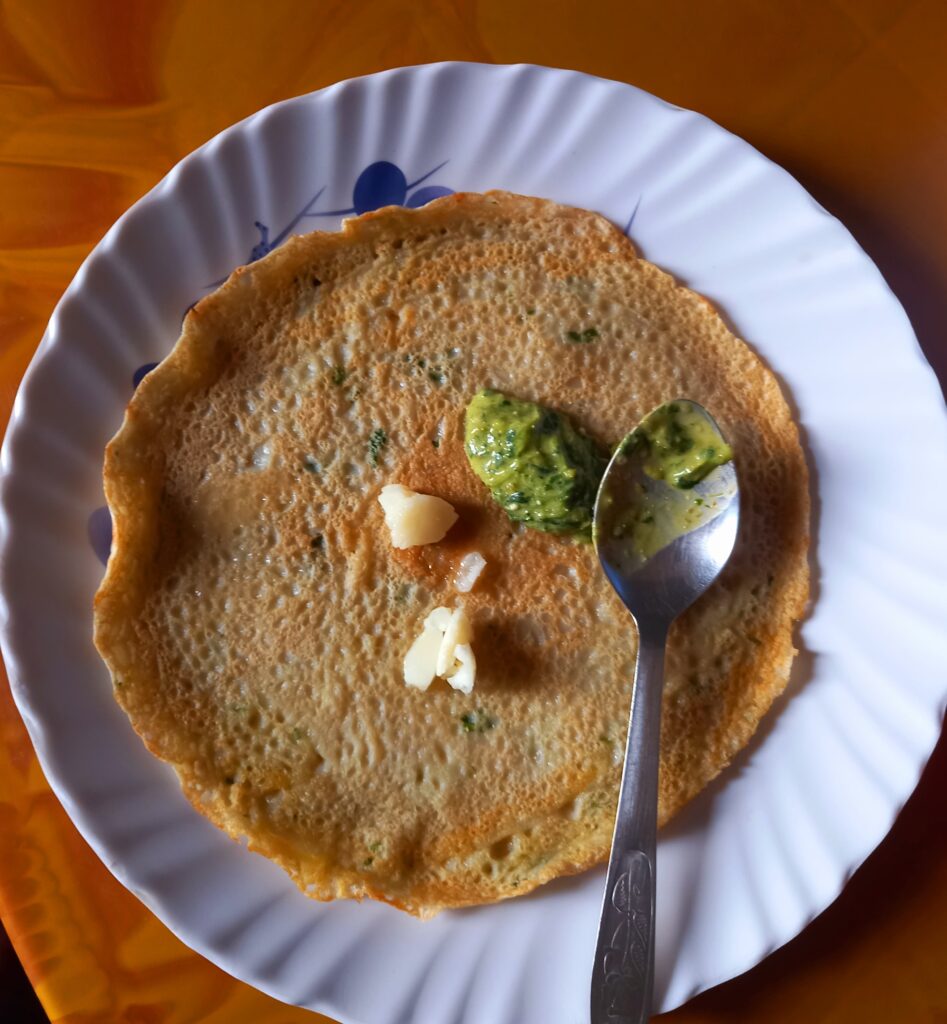
Rikikur, also called the Sherpa potato pancake, presents the highlight of potatoes in Himalayan Sherpa Cuisine. Yak butter gives pancake-like Rikikur its signature flavor along with grated potatoes, salt and flour as main ingredients before it turns golden brown in pan-frying. The dish serves as a morning delight with yak cheese and butter alternatives and spicy dipping sauces.
The Sherpa community enjoys Rikikur as their preferred breakfast meal and you can easily find it in tea houses and lodges. The Rikikur serves as one of the Sherpa foods for hikers going to Gokyo Lakes trek and those following the less popular Everest Three Passes route since it provides essential power for their upcoming trip. The best way to enhance your highland breakfast is by serving Su-Chya tea with your Rikikur.
Himalayan Sherpa cuisine, Tingmo, is a cherished steamed bread that creates soft light-textured steamed bread. Wheat flour dough gets steamed until it yields a soft and airy texture as its base ingredient. The lack of filling in Tingmo does not hinder its absorption of rich stews and curries as well as various dipping sauces which makes it a superior side dish for flavorful cuisine.
Sherpa families make fresh Tingmo daily and this popular dish can be seen in all lower-altitude villages. The traditional Tibetan food Tingmo became available at restaurants with Tibetan traders who operated there.
You can serve Tingmo hot with either Sherpa stew or dipping sauce to fully experience Tibetan foods during Nepal trek. A typical eating experience among trekkers because this simple food provides instant comfort and warmth during any trekking adventure.
Traditional Sherpa breakfast consists mainly of Kur which represents Tibetan-style fried bread. The preparation of Kur includes mixing flour with baking powder and salt before frying them with yak butter or vegetable oil which creates a warm and thick bread with a slight crispiness.
The thick bread serves best when accompanied by butter and jam or honey but it also pairs well with vegetable stew and spicy chutney for a complete filling meal option.
Packages like Everest Base Camp Trek along with the Arun Valley will guide travelers directly to numerous teahouses where Kur becomes a typical Sherpa breakfast selection, especially in traditional Sherpa villages.
People commonly have Kur as a pre-activity energy food because its benefits make it ideal for steep trails. Visitors should taste Kur in Namche Bazaar or Thame while sipping on a traditional Su-Chya. Locals of Arun Valley serve Kur in some homestays throughout the valley which makes it an ideal breakfast choice for trekkers.
Make sure to try Kur as one of the traditional Sherpa foods during Nepal trek as it will offer you genuine Himalayan cuisine.
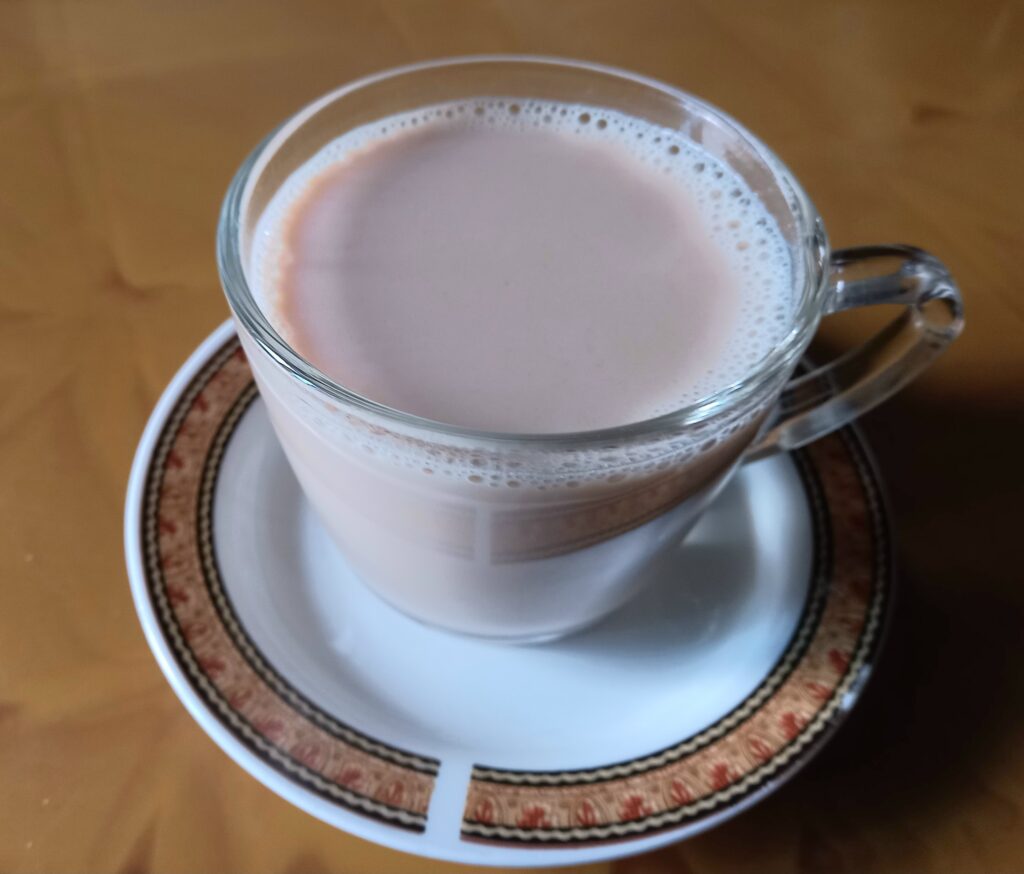
The high Himalayan people prepare Su-Chya, a Sherpa butter tea as their staple drink for both warmth and nourishment that helps them endure the treacherous cold mountain conditions.
The hydration and powering up process for mountain trekkers depends on Su-Chya which combines brewed tea leaves with yak butter, salt and optional milk. Travelers seeking fast nutrients on arduous treks will appreciate this creamy beverage because it contains high-calorie content, unlike typical tea.
Su-Chya tea is normally found in teahouses serving the routes leading to Everest Base Camp and Gokyo. One can find relief from a long day of Tsho Rolpa trek activities through the comfort of a Su-Chya hot beverage.
This traditional Sherpa drink, Su-Chya accompanies your stay along the trekking trails while representing the traditional customs of the local people. You can savor authentic Sherpa flavors by enjoying Su-Chya which nicely represents the Himalayan region of the world.
The Sherpa dish Rildok serves as a comforting traditional dish that uses potatoes to create a unique high-altitude culinary experience. Rildok starts with boiling potatoes before turning them into sticky dough which forms small dumplings to cook in warm liquid with light spices. This dish results in fluffy dumplings which absorb the deep flavors of soup while remaining both a delicate and fulfilling dining experience.
Rildok enjoys a long-standing popularity among Sherpa families because high-altitude environments support the cultivation of potatoes effectively. Teahouses serve Rildok during the winter season as this traditional dish is less popular than Thukpa or Shyakpa.
When exploring the Himalayan foods during the Nepal trek, be sure to enjoy Rildok in rustic village teahouses since this authentic meal will create a memorable dining experience. A bowl of Rildok brings you the taste of Sherpa hospitality.
The Sherpas consume Chang which derives from fermented barley or millet in traditional Sherpa culture during festive events and communal meetings as well as through the end of trekking days. The alcoholic beverage appears cloudy with mild sweetness and tanginess and contains a small amount of alcohol.
The drink gets served at multiple levels of fermentation resulting in different intensities from mild to stronger types that deliver a powerful taste. The local people hold the belief that Chang provides warmth and relaxation as a remedy against the cold mountain environment.
Villagers in Nepal’s trekking regions serve Chang as a traditional part of cultural homestays. The Sherpa and Rai cultural territory produces its own Chang through grain fermentation. To experience the authentic Himalayan traditions you can visit the regions while drinking Chang at teahouses which will create lasting memories.
Traditional mountainside residents embrace the warmth of the mountains through customary Chang drinking.
During Himalayan Sherpa cuisine preparations, Somar (unique yak milk product) functions as one of the main ingredients. Himalayan yaks yield milk with high fat that produces Somar which elevates stews as well as porridges and teas.
Somar provides both high-calorie content and tangy tastes while offering creaminess so it maintains its great value as an energy source for climbing at high elevations.
Somar exists mainly in Sherpa homes throughout Everest Base Camp and Helambu trekking areas but tourists find it rarely on standard teahouse menus. Family-owned lodges located in places such as Khumjung in the Everest region and Beding in Rolwaling prepare food dishes with Somar as an ingredient for their guests.
Visitors exploring cultural sites in the Helambu region which include monastic and yak nomadic settlements often have opportunities to sample Somar. You should try Somar during your traditional Sherpa homestay because it represents authentic Himalayan cuisine of its kind.