Latest Posts

Talk to Trip Expert
+977 9704823980 (Whatsapp)


Talk to Trip Expert
+977 9704823980 (Whatsapp)Nepal is considered striks a dream place for any trekker and has eight of the top ten highest peaks in the world, the foremost being the legendary Mount Everest. It has something to offer every taste: the extraordinary sense of achievement one has after reaching the world-renowned Everest Base Camp with an entry fee of $50, trekking through the varied Annapurna Circuit, meandering up secluded valleys in Langtang, or else finding Utterson Solitude by Manaslu Circuit.
The rugged trails challenge trekkers through tough paths, acclimatization to high altitudes, coping with
erratic weather all while receiving a rich cultural experience.
This requires physical endurance, mental resilience, and meticulous planning during the preparation. The following is an ultimate guide on “How to Prepare for Trekking in Nepal,” which features training and gear, together with permits for other safety precautions you have to consider to be ready for the actual journey.
Nepal is a place where tranquil mountains and fertile mid-hills supply the perfect trekking grades in which every path has its share of challenges and style, some steeped in equal measure of enterprise and hardship. Right from the spectacular blood-red rhododendron forests framing the Annapurna Circuit to the bleak high-altitude deserts of Mustang, the variety of trekking experiences presented by this country is truly dramatic and enchanting.
Trekking is popular here, attracting thousands of adventurers every year. The country gives a number of such trails, suitable for all kinds of people experienced in trekking. Some of the most sought-after treks include:
Diverse Landscapes: Nepal offers an amazing patchwork of landscapes, from moist green valleys and luxuriant, terraced slopes with emerald rice up to the high-altitude barren deserts where the
wind drifts across stony expanses.
Rich Culture: Nepal can exhibit or display a harmonious pop-up of more than 120 ethnic groups.
One can frequently see old monasteries with prayer flags on treks in the remote villages, along with
warm hospitality.
World-Class Treks: Some of the most popular trekking trails in the whole world are in Nepal, such as Everest Base Camp Trek, Annapurna Circuit Trek, Langtang Valley Trek, etc.
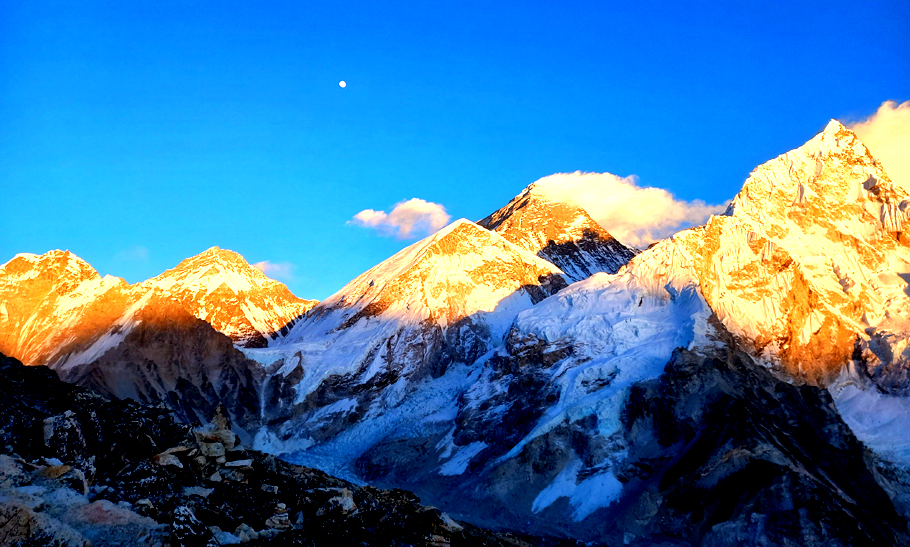
Everest Base Camp Trek: The path is rough, but it finally brings one to the base of Mount Everest for panoramic views of the highest peak in the world.
Annapurna Circuit: It is a trek with a blend of several diversities that circles the Annapurna massif, moving from lush forests and traditional villages to high mountain passes.
Langtang Valley Trek: Langtang Valley will be a short trek, but Langtang’s best mountain panorama will definitely be introduced.
Manaslu Circuit Trek: Manaslu Treak is a remote and less crowded trek that offers a glimpse into the traditional lifestyles of the people living in the Manaslu region.
Trekking in Nepal is an adventure that takes second to none, but not without its inherent constraints. Here is what you can expect.
Rugged Terrain: Most of the treks in Nepal are very steep, rough, and rocky, with forest walks, crossings of innumerable rivers, and ascending high mountain passes considered very usual for the
hiker.
High Altitudes: Most of the treks in Nepal are over 3,000 meters, so the danger of Acute Mountain Sickness is quite obvious since the air is thin at such an elevation.
Unpredictable Weather: Mountain weather can change quickly; we cannot be so sure of anything, so be prepared for rain, snow, and strong winds.
Cultural Immersion: Trekking in Nepal is far more than just about mountains; it also exposes you to their traditions, warm people, and unique culture.
Trekking in Nepal is an activity that demands a lot physically. You will be walking vigorously for several hours each day, generally on very steep, uneven trails. Pre-trek preparation will most definitely be focused on developing the stamina, strength, and endurance required for such an activity. Here is how:
Start Early: Start training at least 2-3 months before the trek.
Set Goals: Aim to work up to 4-6 hours of continuous walking with a loaded backpack.
Stay Consistent: Train regularly, at least 4-5 times weekly.
The mental side also comes into play. High-altitude conditions make trekking a bit tough; therefore, one has to be positive and strong. Envision the trek, keep realistic expectations, and always remember why you are going on this adventure.
Best Time to Visit: Nepal’s best trekking periods are in spring (March to May) and autumn (October to November), when the weather is generally good.
Choosing a Trekking Agency: It is good to choose a trekking firm that is registered and has been in operation for a considerable period. Read some reviews with regard to the firm, and at times, maybe even get some recommendations also. The company should be working for sustainable tourism.
Understanding Your Trek: Know the difficulty of the trek, including the itinerary and culture. Make sure Everything is clear before you book it.
Cardiovascular Exercise
Cardiovascular fitness is one of the most critical factors for high-altitude trekking. The practice of running, cycling, swimming, or brisk walking is good for improving your stamina. It is important to have improved health at the cardiovascular level for high-altitude trekking because the levels of oxygen are already lower. This further means that once the stamina and lung capacity are improved, activities like running, cycling, swimming, or brisk walking get easier to manage, along with the physical demands made by trekking. Here is how you will insert it into your training:
Start Slow: Begin with 20-30 minutes of cardio 3-4 times a week.
Increase Intensity: Gradually increase the duration and intensity of your workouts. Aim for 45-60 minutes of cardio four to five times weekly.
Mix It Up: Combine activities to keep your workouts interesting and target different muscle groups. Strength Training Trekking involves wearing a backpack and hiking on the steepest trail accessible. Get those legs, core, and upper body into condition with squats, lunges, step-ups, planks, and push-ups. The best way to develop the
strength you will need is through strength training. It gets your body ready for carrying your backpack every day over an uneven surface. Gain strength in your lower and upper extremities and core through squats, lunges, planks, and push-ups. These exercises will make climbing up steep sections and descending much easier. Here is a simple routine that will help you get strong:
Legs: Squats, lunges, and step-ups to build leg strength.
Core: Planks, Russian twists, and leg raises to improve balance and stability.
Upper Body: Push-ups, pull-ups, and shoulder presses strengthen your arms and shoulders. Endurance Hikes: Engage in hiking with a heavy backpack to approximate trekking situations. Initial hikes should be short, and duration or weight should be increased gradually. Include such kinds of loaded backpack hikes in your training program. Decrease your first few hiking distances and, sluggishly, increase both distances with an increase in weight in your pack and time covered, mirroring the challenges that will be faced during long treks so that your body can slowly acclimatize to enduring long periods of physical activity. This is how endurance hikes are planned:
Start Small: Begin with 2-3 hour hikes on flat terrain.
Increase Difficulty: Gradually increase the elevation gain and weight of your backpack. Aim for 4-6 hours of hiking with a 10-15 kg backpack.
Choose Varied Terrain: To prepare for Nepal’s rugged terrain, hike on trails with different surfaces, such as dirt, rocks, and stairs. Altitude Training Set high elevations for training, if possible, to further ready one’s body for low oxygen levels. Implement deep breathing techniques and monitor your heart rate in all training sessions. Training at high altitudes allows the system to get used to less oxygen. Use paced breathing and intermittent resting to manage
exertion on your climbs. Here’s how to simulate high-altitude training:
Hike at High Elevations: If you live near mountains, hike above 2,000 meters.
Altitude Masks: These simulate low oxygen levels.
Monitor Your Heart Rate: Use a monitor to ensure you are training in the correct zone.
Acclimatization: The Key to High-Altitude Trekking The most essential step in the prevention of altitude sickness is acclimatization. Safe ways to acclimatize are as follows:
Gain height slowly: More than 300-500 meters in height must not be gained in a day above the level of 3,000 meters.
Rest Days: Spend extra nights at key acclimatization points like Namche Bazaar.
Stay Hydrated: Make sure to drink plenty of water and avoid alcohol.
Symptoms of Altitude Sickness include headaches, nausea, dizziness, and shortness of breath. If symptoms worsen, descend immediately.
Trekking Boots: Make sure you have got really sturdy, waterproof boots with good ankle support.
Camp Shoes: Camp shoes should be lightweight and comfortable Clothing.
Base Layers: Add Moisture-wicking to keep you dry.
Insulating Layers: It will be cold, so wear Fleece or down jackets for warmth.
Outer Layers: Waterproof and windproof jackets and pants.
Trekking Poles: They help in reducing the strain that descent puts on the knee.
Headlamp: Essential for early morning starts or night treks.
Backpack: 40-50L capacity with a rain cover.
First Aid Kit: Include bandages, antiseptic, painkillers, and altitude sickness medication.
Hydration: Carry a water bottle or hydration bladder (3-4 liters capacity).
Navigation: Maps, compass, and a GPS device.
Nepal Trekking Permits and Fees (2025): Some of the permits that you should be aware of to keep safe during the trek. TIMS card, a national park, or a conservation area permit.
The permits will be organized by Hill Sherpa Trekking agency or may be applied for separately online. Special permits will be related to the specific trek that one is going to undertake, considering different areas. Therefore, one needs the following for trekking in Nepal:
TIMS Card: Compulsary for every trekker. Independent trekkers have to pay $20, whereas for those in a group, costs are $10 per head.
National Park Permits: Whichever the national park, this permit is necessary if you are trekking up to one.
Restricted Area Permits: Required in remote areas like Upper Mustang or Manaslu. You can obtain permits in Kathmandu or through your trekking agency.
Know the popular trekking routes like the Everest Base Camp and Annapurna Base Camp. They have landscapes with a character of their own and present various hurdles, from dense forests to glacier
crossings.
Everest Base Camp Trek
Duration: 12-18 days.
Highlights: Namche Bazaar, Tengboche Monastery, Kala Patthar, and Everest Base Camp.
Difficulty: Moderate to challenging.
Annapurna Base Camp Trek
Duration: 7-12 days.
Highlights: Rhododendron forests, Machapuchare Base Camp, and Annapurna Sanctuary.
Difficulty: Moderate.
Duration: 7-10 days.
Highlights: Langtang Village, Kyanjin Gompa, and panoramic mountain views.
Difficulty: Easy to moderate.
Understand the symptoms of altitude sickness, the role of proper hydration, and the necessity of a pace-maintaining free breathing.
Stay Hydrated: As a preventive measure for altitude sickness, take at least 3-4 liters of water every day
Pace yourself: Conserve energy and acclimatize properly so you can trek slowly.
First Aid: Carry a basic first-aid kit and use it when necessary.
Emergency Preparedness: Have a plan for emergencies, including evacuation options.
Understand local cultures, respect religious practices, and engage with communities responsibly. Maintain the trails just the way you would want to find them; practice Leave No Trace principles.
Respect Local Culture: Learn some basic Nepali words and be aware of the local customs.
Sustainable Trekking: Do not litter, respect the wildlife, and uplift the local community. Detailed Itineraries for First-Timers and Seasoned Trekkers Plan your trip with detailed itineraries catering to novice trekkers and experienced adventurers. Whether you’re looking for a gentle introduction to Himalayan trekking or seeking a challenging multi-week expedition, there’s a route for you.
● Beginner Treks
○ Ghorepani Poon Hill Trek: A short and easy trek with stunning sunrise views.
● Experienced Treks
○ Everest Three Passes Trek: A challenging trek crossing Kongma La, Cho La, and Renjo La passes.
After the Trek: Recovery and Reflection
Take time to recover physically once your trek is complete. Reflect on your experiences and share stories with fellow trekkers. Consider keeping a journal or blog to document your journey and share insights with future trekkers.
Post-Trek Recovery: Rest, hydrate, and stretch to recover from the physical demands.
Reflect on Your Experience: Document your journey and share your stories.
Trekking in Nepal is an experience that happens once in a lifetime. It is very much dependent on proper preparation and training for the trek, coupled with respect for local culture, that would make the journey really fruitful. Trekking to the base camp of Everest or the Annapurna circuit or anywhere else in Nepal’s mountains is sure to leave you spellbound. Start planning your trek today and get ready for an unforgettable experience. Introduce arriving in Nepal, preparing, trekking, and finally reflecting on the adventure. Each step, starting
From intense training to finally reflecting on the experience, it will surely be more fulfilling than simply reaching the peaks.
Have you geared up for the discovery of Nepal? First, pick out your trail; then tone up your body before collecting the gear required. Get in touch with a trusted trekking agency with any queries or to book your trek. The mountains are calling! Selecting your trail, training your body, and assembling the right gear.
Begin with physical training to build up cardio stamina and strength. This might involve some hikes of moderate duration and steepness, using a moderately heavy pack. Get the head straight, i.e., prepare mentally. Work out the plan, visit visa requirements, and understand permits for trekking needed.
To improve your cardiovascular health better, you must run or participate in activities such as swimming and cycling. Develop strong leg muscles and core with squats, lunges, and planks. Long walks or hikes Mimicking Trek terrain are also very good.
Give more emphasis on cardiovascular exercises, leg and core strength for legs, and flexibility routines. Add day-long hiking for endurance to get acclimatized for those long walking routes, especially under a backpack.
Yes, it is safe if you are properly prepared and choose a trekking route that is suitable for beginners, such as Poon Hill. In any case, it is important to undertake trekking only with a reputed guide or trekking agency for reasons of safety and proper guidance.
No, it isn’t. While some may be easy walks, most of them would be quite demanding hikes, mostly up high altitudes with a rugged track. The grading of some treks totally depends upon the duration of the trek, altitude gained, and trekker’s fitness.
It would be good if the preparation for going trekking included interest in exercises that give good cardiovascular health, and strength training but concentrating more on the muscles in the lower legs endurance training, and above all, hiking.
The hikes could greatly vary in terms of altitude and even time of the year. Clothing should be based on layering: a moisture-wicking base layer, insulating mid-layer, and waterproof outer layer. Otherwise, use properly fitted, sturdy trekking boots. Trekking poles could be used for support.
Prices are bound to fluctuate with the days you are going to spend on trekking, facilities or no facilities of guides/porters, types of accommodation en route, and the exact mode of transport you are going in for. The treks are budget-oriented in their most basic form, especially so for local guides you would hire.
Set your pace, hydrate, eat well, and take regular breaks. Another right thing to do is to properly acclimatize,
as altitude sickness can hit you in case of trek-induced fatigue.
You are likely to feel muscle strain, quite tired and fatigued. Some possible post-trek recovery measures are
rest, adequate hydration, and foods rich in nutrients. Over time, there could be an improvement in cardiovascular and muscular strength.
The best introduction for beginners is the Poon Hill trek. It covers a set of easy walking distances at moderate altitudes, and for a first trek, the views presented are wonderfully rewarding.
You would need to have all the permits, be sensitive to wildlife and nature, move only on recommended trails, and look for the guidelines and customs of that particular location. The presence of a guide is very important when one enters into restricted areas for trekking.
Dress in layers starting with a wicking base layer to draw moisture off the skin, insulation for warmth, and
waterproofing on top. The path will be filled with rugged, supportive trekking boots.