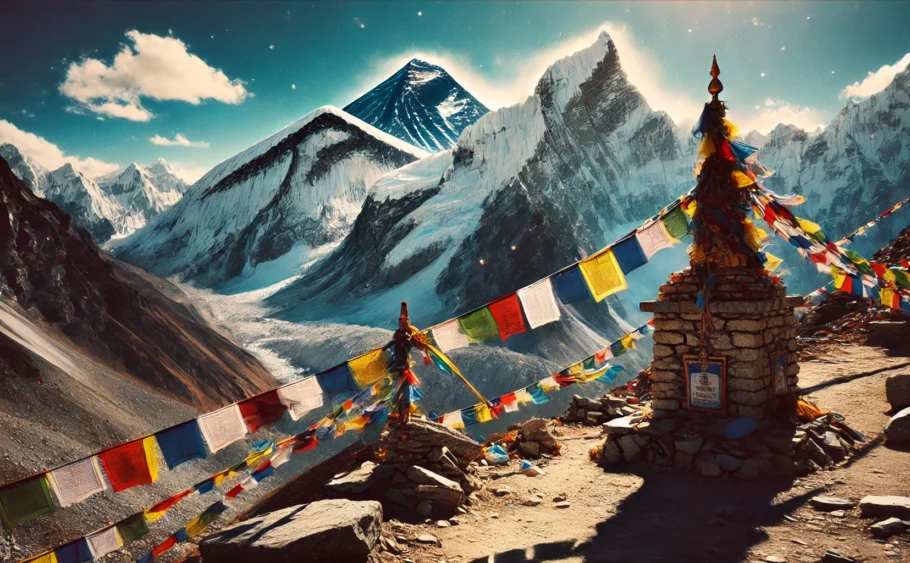
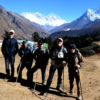
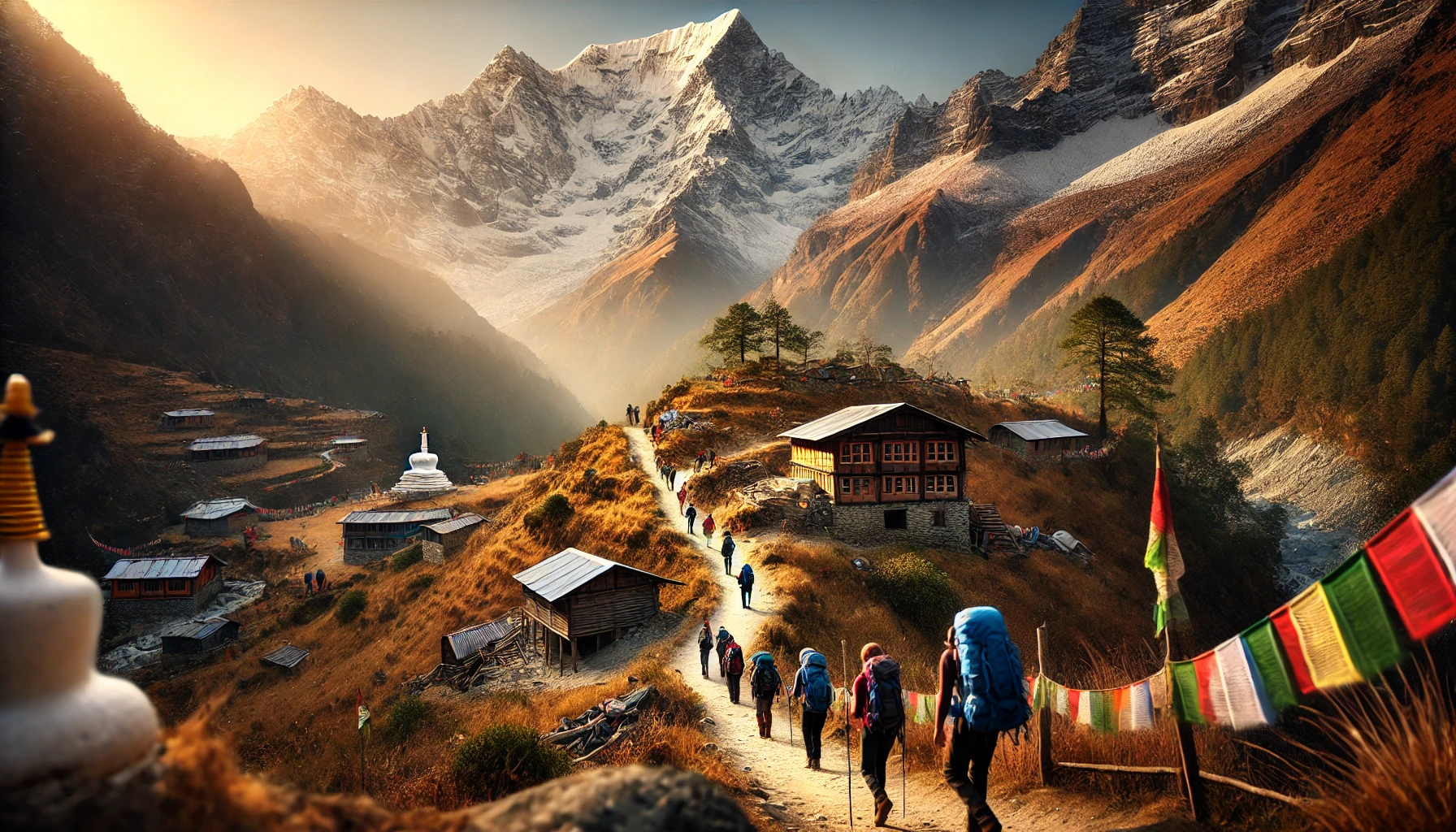
Short term EBC trek is the Everest Base Camp Trek which focuses on the diversity of trekking in Nepal.The Himalayan land provides broad features and adventurer prospects in one trip.The Everest Base Camp Trek traverses the Everest Region mountains that have high altitude features and therefore make it an excellent natural adventure destination of the travel enthusiasts around the globe.
It is well known for having a massive glimpse of spectacular nature. Everest Region’s popularity begins with the home to the highest peak in the world, Mount Everest, and later, the stunning features of natural beauty make it a widely known trekking trail among the Himalayas, holding mountain peaks of 8000m plus class in altitude. The unspoiled nature also makes it a much better region to have a mesmerizing journey and be introduced to the taste of original nature. Everest Base Camp Trek provides a proper journey to explore diverse aspects of this natural beauty mine.
The routes and the trail of Everest Base Camp Trek are drawn over the Himalayan geography, which spreads with the terrains and steeps, consisting of the adventure of high altitude, wildlife, a refreshing journey, and an amazing ecosystem of flora and fauna. It provides trekkers a proper opportunity to interact with the ecosystem of natural features, making it a popular choice among trekkers and nature appreciators in the most chosen region to explore.
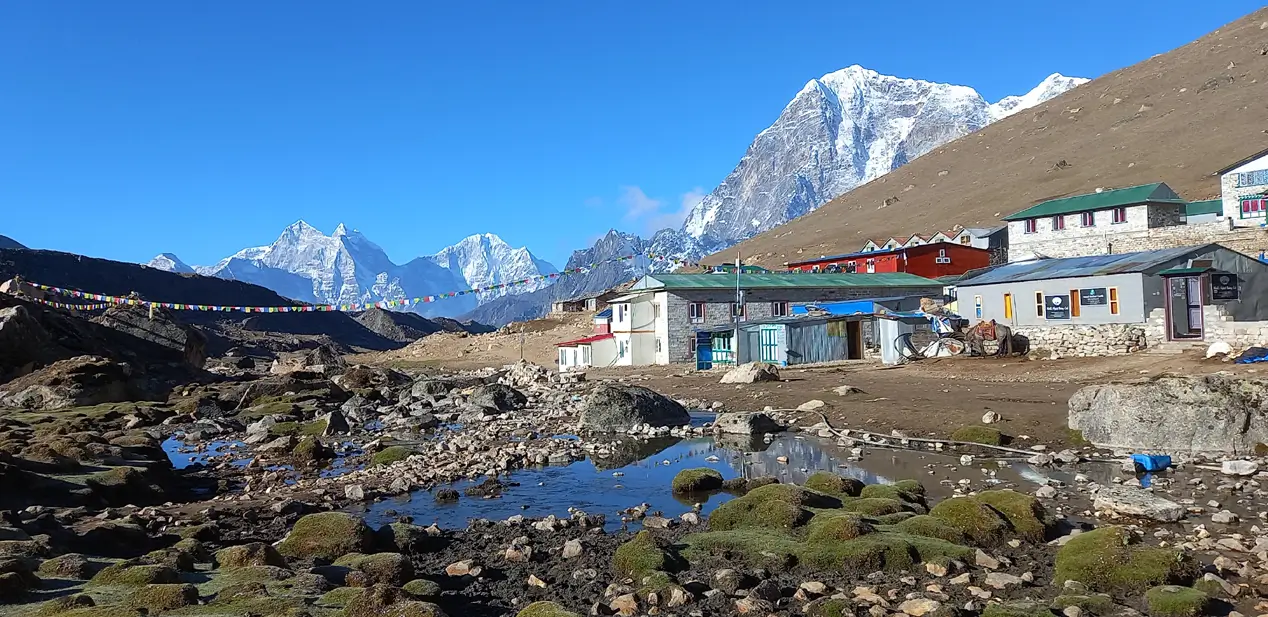
The preserved living traditions and cultural values throughout the region make this Everest Base Camp Trek a unique experience. The beauty of traditional villages with people living cultural lifestyles inside the farming terraces adds a magical flavor to the vastness of this journey.
Such a diversity of features makes Everest Base Camp Trek a widely known, chosen, and appreciated high-altitude trekking journey across the travel enthusiasm.
TL/DR
Planning step by step the Everest Base Camp (EBC).
Best seasons: Spring and Autumn days are clear and have no unstable weather.
Itinerary of 12 Days Everest Base Camp Trek.
Necessary equipment (boots, layers, first aid), as well as important permits.
Understanding of acclimatization to avoid altitude sickness.Budget tips, tips of travel culture and responsible travel.
Why embark on a Trek To Everest Base Camp in Nepal?
Although Mount Everest stretches across the border of Nepal and Tibet, they typically mean the Nepal route when people talk about trekking to Everest Base Camp. Nepal has excellent trekking infrastructure, is more welcoming to tourists, and requires you to reach Base Camp on foot (unless you opt for a helicopter if time is short and funds are abundant). On the Tibetan side, a well-paved road will bring you close to the mountain.
While some say the Tibetan side offers superior, unbroken views of Everest (and I can confirm this, having seen both), there’s more to this expedition than gazing at the highest peak on Earth. You’ll enjoy a culturally rich journey while undertaking the physical challenge of one of the world’s premier trekking trails. This trek checks every box if you’re an active, outdoor-loving, and adventurous traveler.
The Everest Base Camp Trek covers around 130 km of trail, passing through the diverse region of Everest landscapes and the Himalayan terrain. This trail drew about 2860m at Lukla to 5364m at Everest Base Camp from sea level, passing through the huge diversion of ascending and descending altitude graph. It would take about 10 to 14 trekking days to complete to get there and return, starting from Lukla, making a midpoint at Base Camp, and ending with the return over there at Lukla again.
Which is the Best Time To Trek in EBC
The best time to get there in Everest Base Camp Trek depends on your interest and the features you want to be in. Choosing the best time to trek over the Everest Base Camp Trek trail is tricky as it gains beauty differently with the changing seasons. So, considering the choice of most trekkers and the aspects during different seasons, Spring and Autumn can be picked as the best time to trek over the EBC trail.
Spring
At the time of spring, the day gets longer, which offers a longer time to enjoy the journey. Trekkers also get more stable weather to avoid sudden obstacles during the EBC trek. The best thing is that nature gets its fresh smell after a pre-monsoon rain this season. The blooming flowering also makes the journey scenic, making it a more flavored trek during spring. The visibility is also a great advantage during this journey as it gets clearer than most of the time.
Autumn
During Autumn, the trail gets a mesmerizing theme with the colorful landscapes and the dry leaves. The warm hue makes it more picturesque at this time. The weather also gets its best stable stage in this season. The visibility will be the clearest at any time of the year. Trekkers will have a mesmerizing and picturesque journey on Everest Base Camp Trek this season.
Itinerary Of Everest Base Camp Trek
Day 01: Flight to Lukla and trek to Phakding Day 02: Trek To Namche Bazaar Day 03: Acclimatization hike to hotel Everest View Day 04: Trek to Phortse village Day 05: Trek to Dingboche Day 06: Acclimatization, hike to Nagarjung viewpoint Day 07: Trek to Lobuche Day 08: Trek To Gorakshep, continue trek to Everest base camp, and come back to Gorakshep Day 09: Trek to Kala Patthar, climb u,p and trek back to Pheriche Day 10: Trek to Namche Bazaar Day 11: Trek back to Lukla Day 12: Fly Back to Kathmandu
Note: The itinerary for Everest Base Camp still depends on the routes you choose and where you start. The duration can also vary depending on the choice of activities and factors such as the time spent acclimatizing and the weather.
Cost and Budgeting For EBC
The cost of this Everest Base Camp Trek varies depending on various factors, including the duration of the trek, the number of group members, interest in accommodation types, and personal expenses.
For solo trekkers with a guide and potter( as solo hiking is banned in EBC), the package ranges from 1000 USD to 1500 USD with basic logistics and accommodation in teahouses.
The luxury Everest Base Camp Trek ranges from 2000 USD to 3000 USD per person. Nepalese citizens spend approximately NPR 60,000 to NPR 150,000, depending on their spending habits and accommodation preferences.
It also depends upon the offers and specific cost ranges from different travel agencies. You can also get some discounts during the season and festival offers. Amy also gets a discount if your trekking group is bigger. So, it all depends on various factors and aspects and your ability to manage personal expenses. Above, we provided you with the average range of costs, considering the different offers and expenses from trekkers.
Altitude And Acclimatization During EBC
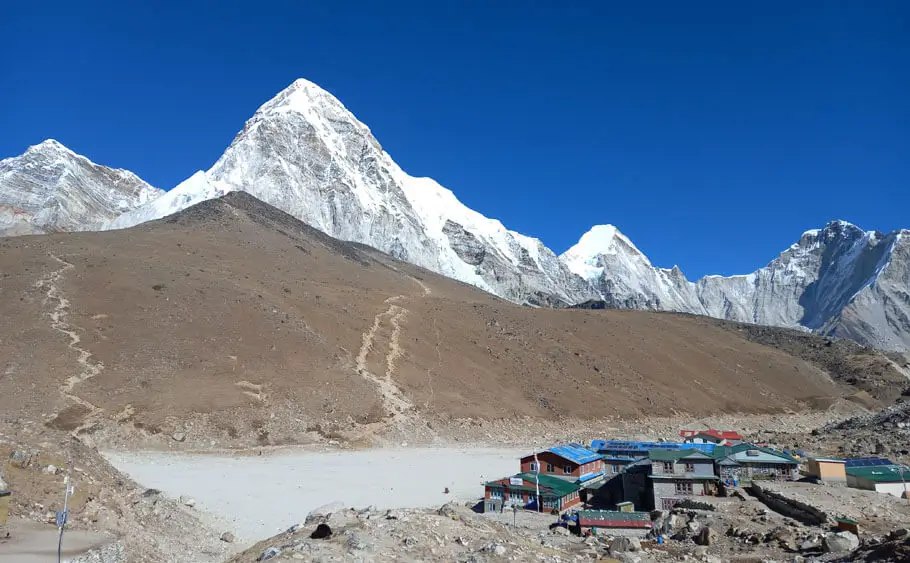
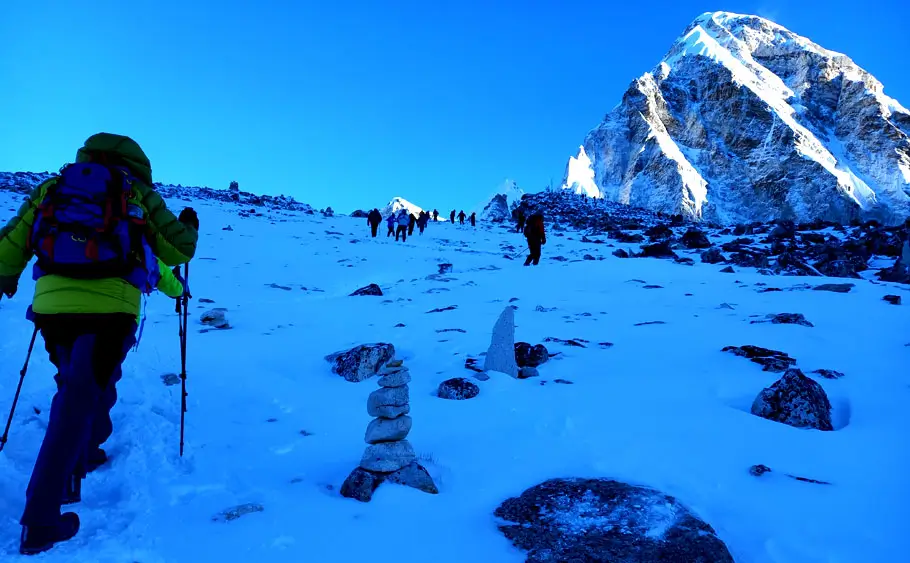
The Trek to Everest Base Camp covers the high-altitude terrain, which lies up to 5364m at Base Camp and 5664m in Kala Patthar. The geography of such altitude is the line of the upper mountain area. So, it comes with several altitude factors as well. Most of them are mentioned above, but altitude sickness is also a very important factor to consider and be careful with. This sickness happens when trekkers gain an altitude above 3000m from sea level, which is a common altitude during the trek’s ascending and descending trekking journey.
Safety from altitude sickness should be a priority, as it can be fatal during a journey. It occurs due to the low oxygen content in the atmosphere at such altitudes. It can cause vomiting, nausea, and weakness, which are fatal in remote areas.
Frequent body movements require more respiration, so you must be very careful. Do not perform frequent body movements or activities that require heavy breathing; this can cause frequent altitude sickness. In case of sickness, stay calm, try to balance your breathing, and get help from fellow trekkers.
This is why we held Acclimatization Day in Namche Bazaar: to help people adapt to a new altitude and avoid sickness.
Some Tips For You
Follow safety instructions:
Be mindful of warning signs and written banners on routes.
Exercise caution on cliffs and other challenging terrains to reduce the risk of accidents.
Avoid unnecessary items and heavy gear:
Bring only essential accessories to lighten your load and improve your trekking experience.
Extra weight may make already difficult paths even more challenging.
Stay vigilant about altitude sickness:
Recognize it can be very dangerous and even fatal if not addressed.
If you experience symptoms like nausea, vomiting, or weakness, stay calm, control your breathing, and notify fellow trekkers.
Refrain from rapid movements or activities requiring extra exertion.
Carry a first aid kit and basic medical supplies:
Small bandages and wound-care items are useful for common trekking injuries and minor accidents.
Maintain responsible behavior:
Refrain from teasing and horseplay, especially in hazardous areas like cliffs and steep slopes.
Careless behavior could result in serious accidents, including potential loss of life.
Gears and Equipment Checklist To Have During EBC
The trekkers must know what they need during their journey on themselves. So, preparing with the gear during this journey would be on yourself. You must prepare with the good gear and essentials for a comfortable and safe journey. Here are some of the gear Checklist for you,
Backpack
Clothing
First aid
Trekking pole
Water bottle
Trekking boots
Cap
Eyeglasses
Gloves
Personal accessories ( only if it’s the most )
Offline paper map
Emergency contacts
Above is a list of some essential equipment you may need during your trekking journey. But this is just a short list to give you some idea about the collection outlook over the required gears. It also depends on how many essentials you can adjust within your journey. As mentioned above, only carry the items and essentials you usually use during your trip to avoid weight headaches.
Cultural and Environmental Considerations For Every Trekkers
This trek is itself a diverse and enormous adventure involving nature and culture. As mentioned above, it is also home to unspoiled nature and preserved traditional values, making it a protected area. Trekkers are also responsible for conducting eco-friendly activities and respecting the cultures and traditions encountered during the EBC trek.
We recommend you dispose of all the waste you’ve produced during your journey in a proper place in a compost bin, or if there is not any, then make a pack of it and manage it to somewhere after you have returned from the trek. It will not only protect the ecosystem and unspoiled nature from pollution and from getting spoiled with waste as EBC is already flooding with the massive tourist arrivals. So, follow eco-friendly manners and give an example of a good traveler and a human.
It is also common for outsiders to get excited and feel strange about the culture and traditions of ethnic communities in the Himalayas. These cultures have been followed for centuries and have traditional Values. So, respect them and all the regional religions, cultures, and traditions you will encounter during EBC.
Permits You Need For EBC
The Everest Base Camp Trek lies in the Everest Region’s tranquillity in the Sagarmatha National Park. It is a protected area for its unspoiled nature and preserved culture. So, to get inside this region for trekking activities, you need to have specific permits from different government departments. As given below,
TIMS (Trekking Information Management System)
SNPEP (Sagarmatha National Park Entry Permit)
GCAP (Gaurisankar Conservation Area Permit)
PLRMP (Khumbu Pasang Lhamu Rural Municipality Restricted Area Permit)
All of the above permits should be taken from the representative offices issued by the government of Nepal. All of them should be filled with trekkers’ legal information and must have valid permits produced. Getting access and entering the Everest Region without entry permits is considered illegal. If found to be doing so, one can be taken under legal charges, according to the circumstances.
Conclusion
Above, we provide you with the aspects and features of the Everest Base Camp Trek. We also discussed the different factors affecting the journey and offered insightful tips for the most enjoyable trekking journey.
Again the difficulty or experience comes out of depending on the ability to tackle and the personal interest to be within. So, there is no possible way to explain what it would feel like for you to have a journey through the EBC trail. You will never get it until you try it yourself. All of the above are provided considering the experience of travelers and trekkers in different seasons. So, it is your turn to experience yourself and have your own story to share rather than rely on others’ opinions.
The EBC trek is always open throughout the year and welcoming to trekkers. So, get out and give it a try.
Frequently Asked Questions
What is the difficulty of the EBC trek?
The difficulty level for this trek can be taken as moderate. It also depends upon the trekker’s personal ability and experience. Suppose one is a trekker with experience in trekking for a while. In that case, this trek can be moderately easy for them, and if one is an absolute beginner, it can be a bit hard to complete. However, it will still get more adventurous to have such diversity in your beginning journey in the trekking world.
Do I need a guide to do Everest Base Camp Trek?
You need a guide to trek over the Everest Base Camp Trek trail. The region is full of unexpected factors and covers a large mountain terrain geography, which may be confusing. So, a professional guide can help you to make your journey more comfortable and easy to complete. Also, taking a guide with you during your journey inside the Everest Region is mandatory, considering the safety and economic improvement there.
Is this trek suitable for the beginner trekkers?
Yes, it is suitable for those travel enthusiasts who are beginners in this arena. It does hold the journey of moderate difficulty and contains light walking with a short duration per day. So, it makes it suitable for beginners as well. But if you are an absolute beginner in trekking and haven’t done any trekking journeys before, then it can be pretty hard to complete.
Can I do a solo trek over the EBC trek trail?
Unfortunately, the Nepal Government has banned solo trekking in this region. So, inside the Everest Region, no trekkers are allowed to do or conduct any individual or solo trekking activities due to concerns about their safety and the factors related to rescue in the event of an unfortunate incident.
What is the minimum and maximum duration to cover during this trek through walk?
The minimum takes around 5 hours of continuous walking, and the maximum of no more than 8 hours of constant trekking during your journey in Everest Base Camp Trek. Again, as mentioned above, it still depends upon your ability, walking speed, and the duration you take while ascending and descending.