Latest Posts

Talk to Trip Expert
+977 9704823980 (Whatsapp)


Talk to Trip Expert
+977 9704823980 (Whatsapp)Situated between Makalu and Everest in Nepal’s eastern Himalayas, Barunste (7,129 meters) is a stunning peak. Barunste expeditions provide climbers with beautiful alpine scenery, challenging glacial terrain, and a sense of adventure in one of the most beautiful Himalayan regions in Nepal.
More than just a destination, Baruntse is a peak that represents a rite of passage for climbers climbing 6,000-meter trekking peaks and want to continue to higher altitudes. Baruntse is generally climbed for training purposes to succeed on higher Mountain Peaks such as Everest. Climbing Baruntse helps climbers develop technical climbing skills and acclimatization to heights.
Enthusiasm alone in the Barunste climb is not enough because climbing this peak requires advanced mountaineering skills, experience in glacier travel, and significant exposure on fixed ropes and exposed ridges. Being in physical shape is important, as the climb involves steep slopes, icy sections, and long days in high altitudes that will test your endurance and willpower.
The purpose of this blog is to assist you in honestly evaluating your preparedness for the Baruntse Expedition. We will be discussing the skills, fitness level, and experience required so you can determine whether embarking on this challenging and rewarding Himalayan adventure is the next step in your mountaineering pursuits.
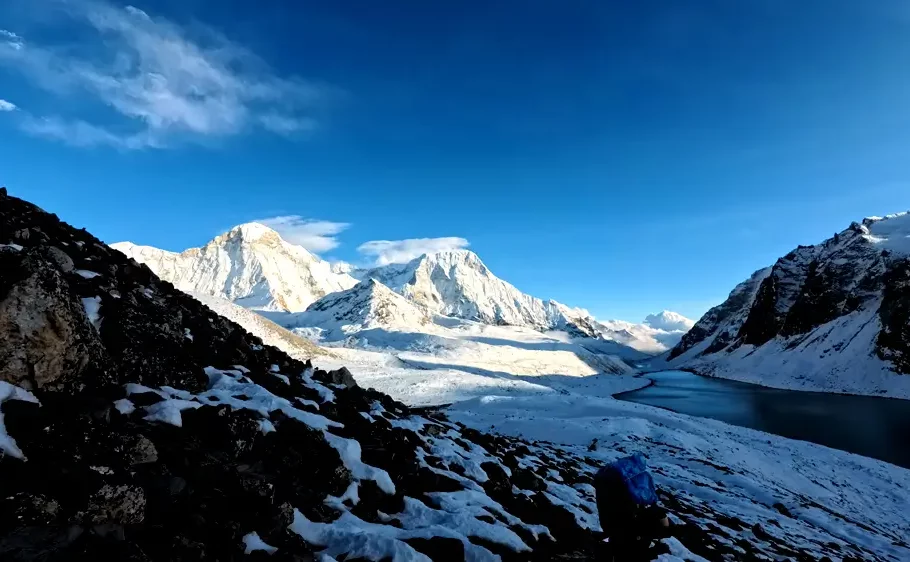
Located in the eastern Himalayas of Nepal, Baruntse is surrounded by the Barun, Hunku, and Imja glaciers, providing climbers an opportunity to experience remote and pristine trails in the Himalayas located at Makalu Barun National Park.
Most Barunste expeditions generally last for 30 to 35 days, including the trek to Base camp, acclimatization, summit attempt, and return. This length of expeditions allows climbers to cover for sufficient acclimatization, weather contingencies, and the complexity of climbing high altitude.
The semi-technical Basuntse climb is renowned for its exposed ice face, steep headwalls, and crevasses of glaciers. Climbers have to navigate through icy 50-degree slopes, crevasses, and fixed ropes up ridges and corniced sections of ice. Therefore, previous climbing experience is important for a successful and safe expedition to Baruntse.
Most expeditions reach Baruntse via Mera Peak, which allows for enough acclimatization, and Amphu Lapcha Pass, which provides you with a challenging approach. Mera La is the safer acclimatization route, officiating a long, slow approach for acclimatization. Amphu Lapcha is a more technical and demanding route, featuring steep slopes before trekking on a glacier and finding a more direct approach to Baruntse Base Camp.
Climbers preparing for Baruntse should have at least basic to intermediate mountaineering experience. You need to get familiarity with basic skills on gear like jumars, fixed ropes, crampons, and ice axes. These skills will be useful while climbing steep, icy slopes and exposed ridges.
Additionally, you need to be familiar with securing ropes, as climbers need to use jumars to climb up and down in steep portions and know how to safely rappel or abseil technical sections when descending from the summit. Experience in abseiling, especially with an ATC device, is very important for climbing because you will be descending steep terrain on slight multi-pitch sections.
Familiarity with glacier travel skills will be very useful because of Baruntse’s heavily crevassed glaciers and complex terrain. So, climbers should be comfortable in roped glacier travel using self-arrest techniques and basic crevasse rescue skills to ensure the team is capable of dealing with any falls or accidents.
Prior climbing experience on 6,000-meter peaks such as Mera Peak, Island Peak, Lobuche East, etc., is highly recommended for your preparation for Baruntse. This climbing experience will give you valuable exposure to high-altitude situations, associated technical climbing, equipment use, and inference about the experience of climbing a peak like Baruntse.
Climbers going for Baruntse will need good cardiovascular endurance because you have to do long periods of trekking at higher elevations and through thin air. Exercise such as running, cycling, and swimming will improve aerobic capacity, which is essential to perform efficiently in thin air and cold conditions.
Strength and stamina are also equally important for carrying loads over 20 kilograms for 5 to 8 hours daily on moderately technical terrain, as well as significant lifts and climbs of vertical feet over a combination of grades. You need to focus on strength training of the core, legs, and arms for steep climbing, high-angle climbing, and prolonged physical efforts.
During the climb, proper balance and coordination are the key to a climber accustomed to trekking in technical terrain, including icy slopes, crevasses, glaciers, steep ridges, and other challenging trails. Improved balance reduces the risks of falling and provides an added level of confidence when climbing fixed rope ladders and dealing with mixed snow and rock climbs.
Lastly, acclimatization is important because Baruntse’s altitude is over 7,000 meters. Climbers will experience low oxygen levels, which will be managed with gradual ascent, rest days, and prior experience above 6,000 meters. Acclimatization will reduce the risk of altitude sickness and enhance the climber’s overall performance, especially on summit day.
Climbers will have to deal with the extreme weather, isolation, and exhaustion during the extended expedition on Baruntse. The mountain’s cold and unpredictable climate and time away from civilization require climbers to possess mental toughness in order to endure the discomfort and maintain focus during the climb.
Mental toughness is most often needed during the summit push and technical sections involving steep ice walls, crevasses, and fixed ropes. Staying calm, confident, and determined helps climbers deal with fear and stress in those intense situations, and also helps them manage their way through danger by giving them the confidence and composure to deal with the things they feel fearful about. A climber with mental toughness and control can manage the terrain and successfully climb the mountain.
Patience is also a necessity, especially in high-altitude environments where weather can stop progress in its tracks and slow days can turn into weeks. A climber’s ability to make good decisions during these limited moments of pressure can not only save their summit attempt but also their life. A climber must manage their ambition to push forward and what is safe.
Using visualization and mental rehearsal techniques can improve focus and help the climber prepare to face adversity. Creating a strong mindset during any pre-climb routines and preparing for adversity and mental toughness training can help develop your confidence and manage potential anxiety. Preparing mentally is just as important as training physically on Baruntse.
Mera Peak (6,476m), one of the highest trekking peaks in Nepal, offers climbers a physically demanding ascent. Mera Peak is a popular climb for climbers looking for an introductory climb to gain exposure to high altitude and glacier travel with a considerable amount of ascent, but without a technical requirement.
Baruntse is much higher than any of those peaks, but Mera Peak gives a flavor of more technical 7,000-meter peaks, dealing with the variable weather of the high Himalayas, snow, and ice conditions.
Island Peak (6,189m) involved moderate technical climbing. Climbers need to use some fixed ropes to aid their ascent, and a section of ice climbing. The single most important factor to take note of before climbing Island Peak is that a climber should know how to use crampons and ice axes to have as much experience as possible on his/her ascent of Island Peak.
Island Peak is often done to build climbers’ confidence in techniques that will be needed by them in a much more challenging environment, and the climbing style of Baruntse. Climbing Island Peak helps climbers navigate the technical ascent of Barunste, as Island Peak also needs technical skills to pursue the climb.
Prior climbs like Lobuche East (6,119m) feature mixed snow and rock climbing, which will also prepare you somewhat for the technical climbing you will need to confront for Baruntse. Multi-day trekking experience above 5,000 meters on trails such as the Everest Base Camp trek or the Manaslu Circuit trek helps provide the climber with some endurance and acclimatization ability that may also be vital for high altitudes.
It is also highly recommended that the climber take part in the basic and advanced mountaineering courses that are available. These courses cover very vital aspects of climbing like rope handling, crevasse rescue, ice climbing, general altitude management, etc.
When a climber combines these skills and the accumulated experience of climbing by climbing Peaks such as Island Peaks, Mera Peak, and Lobuche, they will successfully climb the Baruntse. With several courses of training that focus on developing the technical skills you need and working on all important safety and knowledge practices, you can make the Baruntse expedition possible.
New climbers without prior exposure to summits higher than 5,000 meters should consider avoiding Baruntse for now. The climb necessitates the ability to cope with high altitude conditions along with technical skills, both of which new climbers do not possess. Trying Baruntse without high altitude and technical climbing experience will increase the risk and less the chances of succeeding in reaching the summit.
Anyone with known pre-existing health risks related to high altitude, such as heart or lung conditions, should not participate in this expedition. The elevation of Baruntse, 7,129 meters, is physiologically challenging enough, and if pre-existing health problems are present, the risks will be compounded, making the climb unsafe for the individual.
If a person does not feel comfortable with technical climbing or extreme mountain conditions, we recommend that they avoid Baruntse. This route requires the use of technical climbing skills such as steep ice sections, crevasses, and fixed ropes.
During the initial ascents, if a climber does not feel comfortable and competent in these technical climbing areas, they must avoid this climb because climbing means they will be putting themselves at increased risk and stress.
Overall, having strong mountaineering skills, being physically fit, and having mental tenacity are necessary for climbing Baruntse. If a climber does not believe they are capable or possess these requirements, they should develop the skills and fitness needed on smaller, less technical peaks before attempting Baruntse in order to promote safety and enjoyment.
The optimal time for Baruntse climbing is during the spring months, typically between March and May. While the temperatures are still relatively chilly, the warmer temperatures, the potential for clearer skies, and the more stable weather can make for a safer and more enjoyable ascent. Snow conditions during that period tend to be reasonable, with compact ice suitable for crampons and technical climbing.
Autumn (September – November) is also a good time for climbing Baruntse. The weather post-monsoon is typically dry and stable, with clear skies and warmer temperatures. The trails are often not as congested as in spring, allowing for a more quiet and serene climbing experience amongst beautiful mountain landscapes.
As spring usually has more fresh snow or crevasse openers, this typically results in more technical demands and potential delays. However, climbers who want a more challenging and unpredictable climb may lean toward spring, while climbers who want more stability and less chaos tend to choose autumn for stable mountain conditions and more pleasant trekking.
Much like spring and autumn climbing, winter and monsoon are generally not feasible due to cold temperatures, substantial snowfall, and frequent rain. These conditions contribute to hazardous risks like avalanches, slippery trails, and poor visibility, all of which can make the climbing experience more dangerous. Clearly, spring and autumn periods are the best windows of opportunity to complete that successful Baruntse expedition.
Firstly, you need to enroll in a Mountaineering course if you want to climb Baruntse. There are many trustworthy courses in Nepal by organizations like the Nepal Mountaineering Association (NMA), National Outdoor Leadership School (NOLS), and the Alpine Club. These organizations will teach you important skills that you need to acquire to have safe and effective climbing.
Some of the skills taught by organizations include following proper rope handling procedures, understanding and practicing ice climbing techniques, mastering crevasse rescue procedures, and understanding safety protocols for high-altitude mountain conditions.
Practice climbs on less technical peaks like Mera Peak or Island Peak will help you gain practical experience with crampons, working with fixed ropes, and glacier travel. These climbs will bolster your confidence on snow and ice, while also putting you in environments that mimic Baruntse so that you are able to develop useful skills on the snow or ice before attempting more challenging terrain.
Establishing a well-rounded fitness program is also key during the Baruntse expeditions. This program should include extensive aerobic conditioning training through running, cycling, swimming, and hiking with heavy packs for efficient expedition training.
Strength training trains the legs, core, and upper body, and helps to prepare for long days of climbing while carrying equipment in challenging environments.
Partnering with certified high-altitude guides and reputable expedition organizations helps you have safe and successful expeditions. Experienced guides bring extensive local knowledge to the team, technical support, and emergency management support. So that if disaster strikes, they know how to react to the conditions.
Additionally, by using an organized expedition, you benefit from logistics, permits, and acclimatization scheduling, meaning you get to do what you really want to do during the climb.
Baruntse is a strenuous undertaking that requires good mountaineering skills, great fitness, and prior high-altitude experience. It will suit climbers who have climbed a few 6000m peaks and are looking to push their mountaineering skills into a more technical environment. If you have good skills, fitness, and experience, Baruntse can provide an incredible expedition in the Himalayas, with remarkable scenery and a positive experience.
If you are unsure of your readiness, it would be prudent to check with professional expedition companies. They have staff who are able to assess your skills, fitness, and experience, so they can advise and suggest appropriate preparation, e.g., a physical fitness program.
Proper preparation will allow you to undertake the climb in safety, with confidence, and increase your chances of being successful on the summit. If you are still developing your abilities, then you should join mountaineering courses and accumulate experience on easy non-technical peaks like Mera or Island Peak.
Alternatively, we encourage you to contact us if you would like to develop a training program or alternative climbs to develop your strength and skills. With the correct preparation and guidance, Baruntse can be an ideal next step in your mountaineering journey.