Latest Posts

Talk to Trip Expert
+977 9704823980 (Whatsapp)


Talk to Trip Expert
+977 9704823980 (Whatsapp)Island Peak Expedition is regarded as one of the most symbolic adventures in the Himalayas. It is a combination of trekking, mountaineering and cultural immersion. This is an adventure that thrill-seekers will not feel content with only a trek, but they will also be engaged in exploring the high altitude sceneries and culture of Nepal, aided by the mountains. The expedition offers some of the most breathtaking scenes of glaciers, valleys, and great mountain ranges to the climbers. Island Peak also known as Imja Tse is one of the most desired trekking peaks by the mountaineers in the Everest region.
Island Peak is one of the most accessible trekking peaks in Nepal, situated in the most popular trekking region: the Khumbu. Island Peak is named so because, from the town of Dingboche, it appears to be an island in an enormous sea of ice. The peak sits at an elevation of 6189 meters and the trekking peak is popular among climbers who possess strong fitness levels and basic climbing skills. The climb has moderately challenging sections, like ice axes, ropes, and glacier traversing. Amazing views from the top of Everest, Lhotse, Nuptse, and Ama Dablam await climbers.
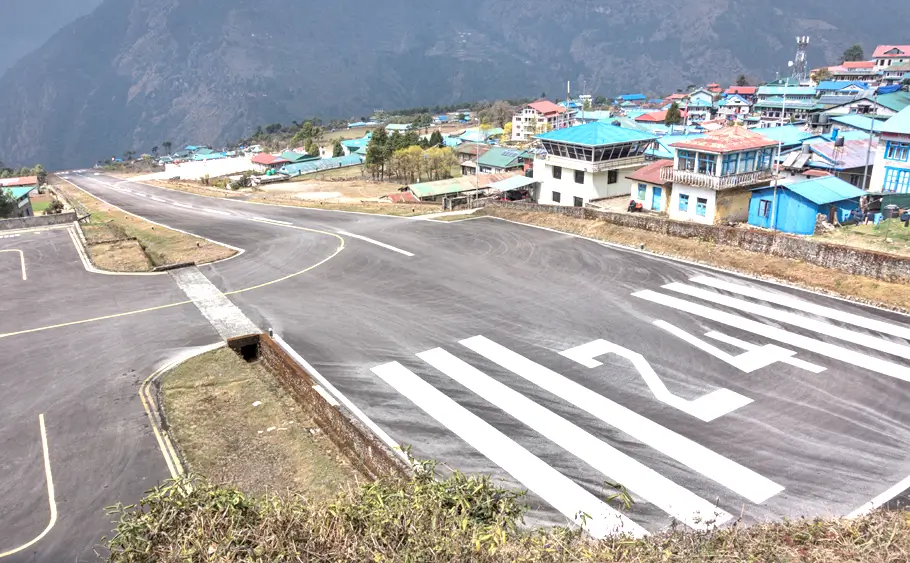
The journey begins in Kathmandu, where the first of several flights will be taken. It is a short but thrilling flight to Lukla, known for being one of the most scenic in the world. Once the plane has completed the daring descent on the short Lukla runway, the trek to Everest begins. Engines off, the Khumbu Valley opens and the ultimate adventure begins.
Upon leaving Lukla, the trek leads to the Khumbu Valley, the home of the Khumbu mountains. The trek provides excellent views of the majestic mountains while walking the well-established pathways along a river, and across bridges bedecked with prayer flags. The route takes Khumbu trekkers to Sherpa towns such as Namche Bazaar and Tengboche. Namche Bazaar is the wider commercial and cultural center of Khumbu. Tengboche is also culturally rich and home to a well known monastery. The monastery provides views and insight into the Himalayan mountains and the rich history of Buddhism. Trekkers also enjoy warm Sherpa hospitality in their traditional nomadic villages.
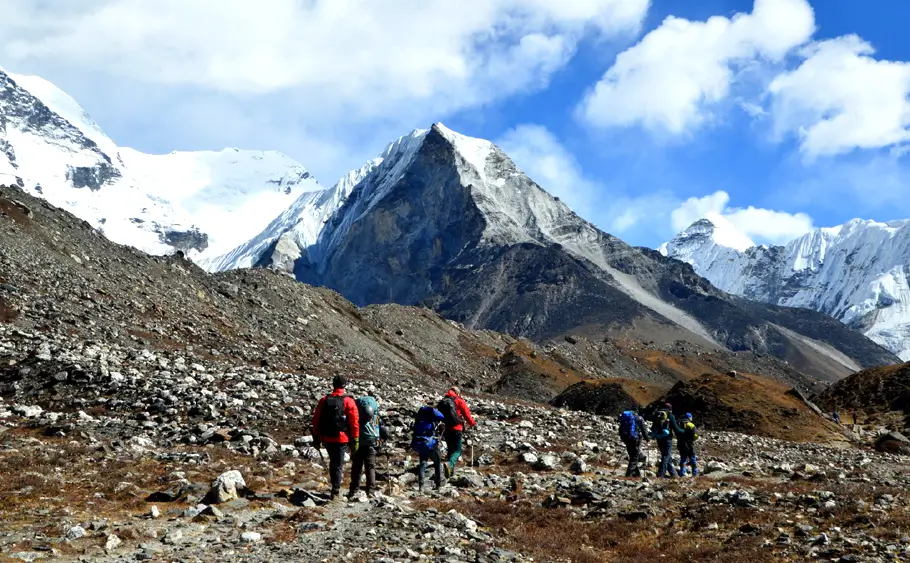
The presence of the tallest mountains in the world is one of the most rewarding things in the Island Peak Climbing. The views while walking are of great heights, and as the trek continues, the views give way to the most breathtaking views of the Khumbu mountains. The views with the adding of the height of the mountains in the Khumbu winter are a formation of very beautiful and breathtaking views. Trek to the Base Camp also provides an important staged acclimatization. Each stage of the trek is, most of the time, an addition of one of the most breathtaking views ever seen before.
Acclimatization is key for the Island Peak Expedition. In order for the body to adjust to the new altitude and in order to avoid the risk of altitude sickness, rest days are strategically planned. During these days, climbers make short ascents to higher altitudes and come back down to lower to their camps to sleep. Expedition guides run training sessions for the climbing gadgets and gear like crampons, ice axes, harnesses, and ropes. The ramps up to the challenges in order to make sure climbers are confident and ready.
Moving from Chhukung to Island Peak Base Camp is the next leg of the journey, and the landscape becomes increasingly rough, alpine, and textured. The path is steep and rocky, as it descends and ascends through the glacial moraines and ice, marking the change from trekking to mountaineering. At base camp, with the impressive ice walls and views, climbers settle in with their final preps. With the summit attempt impending, the excitement is palpable and overwhelming.
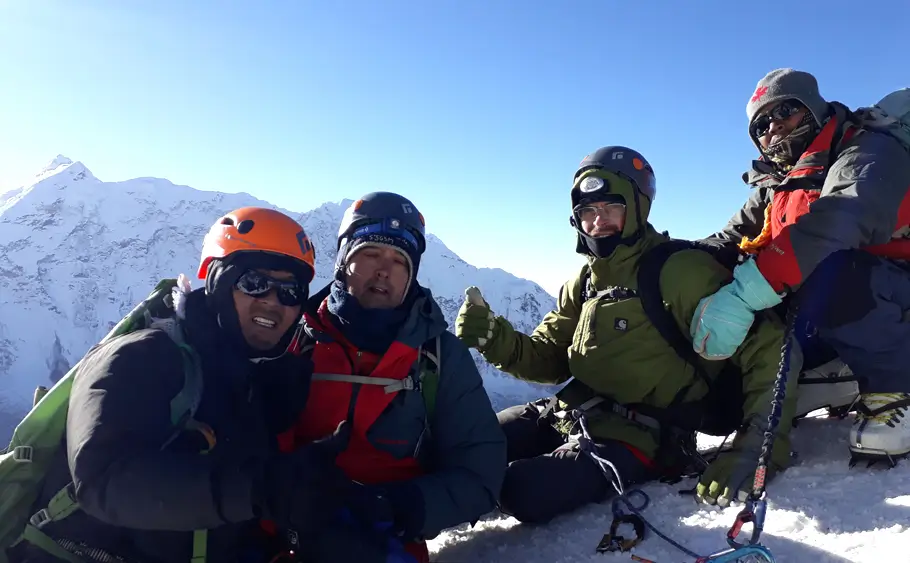
Before summit day, the group is briefed by the lead climbers. It’s time to rise before the sun and start the journey; summit day is the longest of the Island Peak trip. The journey entails the crossing of glaciers, an ascent of snow slopes, and the navigation of headwalls and fixed ropes. Ropes will help climbers boost the final altitude gain. The cold and the altitude will challenge each climber’s endurance and determination. The summit of Island Peak will be an unforgettable moment and will provide views of the majestic glaciers. The reward of the view of the windswept snow of Kongde, Thamserku, Lhotse, Nuptse, and Ama Dablam is a rare and special experience.
After a few moments at the summit, the climbers will have to focus once again on the Giant’s glide steps as all will have to retrace their steps to the base camp. The descent is a mix of joy and satisfaction. Once back at the camp, the climbers will have a lot of time reflect on the weeks spent trekking, the diverse cultures, and the moments of physical pain. The most important of all will be the moments of personal growth, all leading to the final achievement in the grand Himalayas.
Its adventure does not begin at the top. The team can not only enjoy the scenery but also explore the Khumbu Valley, where they can take their time to visit and associate with the locals and enjoy the serene and beautiful culture of the mountains. The cultural complexity of the regions in the Khumbu Valley is mostly witnessed during the journey back. The adventure is capped by the Kathmandu to Lukla flight that is fun in terms of culture. The climbers will be able to look back at this trip and recollect both the adventure and culture they had experienced in the mountains.
The Island Peak Expedition is the total package of what a true Himalayan experience is. From trekking legendary trails to summit climbs, and the culture of the Sherpa people, the Island Peak Expedition is a one of a kind experience. All levels of climbers will enjoy this expedition as it is both challenging and rewarding. The memories and experiences are more valuable than the crystal clear summit views, the glacier passage crossings, and so much more.
Climbers headed for the Island Peak Expedition must obtain multiple permits from the Nepalese Government before entering the country. These permits support the controlling of the number of climbing activities and aid in the protection and support of the local people in the Everest Region. The first of these is the Island Peak Climbing Permit.
The price of this permit changes by season. For spring season permits (the most popular climbing season, running from March to May), the price is USD 350 per person. This is because of the high demand and good weather. For the other seasons (autumn, September to November; winter, December to February; monsoon, June to August), the price changes to USD 175 per person, making this more inviting to climbers, along with the lesser amount of people.
In addition to the climbing permit, trekkers must acquire the Sagarmatha National Park Entry Permit and the Khumbu Pasang Lhamu Rural Municipality Permit, which provide access to the Everest region and the surrounding protected areas. These permits help to ensure that trekking and climbing activities take place in an environmentally responsible manner in order to protect the fragile ecosystems of the Himalayas. Most expedition organizers take care of all the necessary permits, which allows the climbers to concentrate on their preparations and the adventure to come.
The Island Peak Expedition is not merely a goal of ascending to the peak. It is concerning a trip in which adventure, culture, and self-discovery are interwoven. At each and every turn of the road, be it the crowded Kathmandu streets or the peaceful heights of the Himalayas, one can find new points of view. With climbers returning home with a full duffel on their back, and a soul full of experience, one thing is certain, the trip will be completed in Kathmandu, but the Island Peak experience will be a lifetime journey.
When in the Everest region of the Khumbu Valley in Nepal, one can find Island Peak (also referred to as Imja Tse), a trekking peak. Surrounded by notable Himalayan mountains (Lhotse, Nuptse, and Ama Dablam), it has a height of 6,189 meters.
Of the climbing peaks, Island Peak is one of the moderately difficult. Experience climbing technical routes is not a prerequisite; however, climbers should be fit, possess basic mountaineering skills, and be familiar with glacier traversing, snow slope traversing, and summit crossing fixed rope sections.
In addition to being helpful, prior mountaineering experience is not a requirement. Pre-climb training is included in most itineraries, which consists of the use of crampons and ice axes, as well as the harness and rope system. With the right training and ample support, first-time climbers can summit Island Peak.
The best times to climb Island Peak are the late spring and early fall, where you will find the least amount of precipitation on the trails. Spring is the most popular time for trekking, but fall has less traffic. Winter and monsoon trekking are possible, but more difficult, as the weather is colder and more unpredictable.
The Island Peak expedition takes the average trekking party 14-18 days, depending on itinerary. This includes days for trekking, acclimatization, attempts on the summit, and the return to Kathmandu.
What are the Island Peak Expedition permits that need to be obtained?
Passengers will need to procure an Island Peak climbing permit, the Sagarmatha National Park entry permit, and the Khumbu Pasang Lhamu Rural Municipality permit. The Island Peak climbing permits are USD 350 in the spring and USD 175 during the fall, winter, and monsoon seasons.
Yes. The potential for it exists. However, the risks increase as the heights of the treks increase. However, adjusting to altitude with the rest of the group, as well as a steady ascent are the best ways to diminish the risks with experienced guides. The hikers will need to be sure to drink plenty of fluids and to keep with the itinerary. If they start developing symptoms, they need to let group leaders know.
While trekking, the team stays in lodges or tea houses in the local villages. When the group reaches Island Peak Base Camp, climbers will find Base Camp staff have set up a full-service camp with sleeping bags, tents, and a dining tent.
On the majority of treks and climbs, three meals are a part of the services. Meals are a combination of local Nepali cuisine with some international options like rice, pasta, and soups. These meals are designed to provide the necessary energy for high-altitude trekking and climbing.
The climb will have some extreme temperatures that can mean the difference between life and death. Summit Day will experience some of the worst temperatures with a staggering -15°C to -20°C. All climbers are required to have high-quality cold weather gear.
The climber in charge of their own personal items including warm trekking gear, and necessary items such as mountaineering boots, an ice axe, a helmet, and a climbing harness. Expedition companies do provide some items like crampons, down jackets, and sleeping bags, but personal gear will always be the climber’s responsibility.
Yes, a complete travel insurance plan is compulsory. It should cover trekking and climbing above 6500m, including high altitude evacuation and medical costs.
How fit do I need to be for Island Peak?
Good physical fitness is required to be able to walk for 5 to 7 hours daily at a high altitude. Some trekking or endurance activities like hiking, cycling, or running are highly recommended.
Yes, Island Peak is usually done together with the Everest Base Camp trek which adds to the acclimatization and the experience of the trip to one of the most famous trekking places in the world.
Island Peak gives a unique combination of adventure, achievement, and accessibility. It is one of the most trekking climbing peaks in the Himalayas. Scenery, culture, and not overly difficult climbing make it a good choice for all levels of trekkers climbers.