Latest Posts

14 February 2026

Talk to Trip Expert
+977 9704823980 (Whatsapp)


Talk to Trip Expert
+977 9704823980 (Whatsapp)The Himalayas are not only the abode of some of the tallest peaks in the world, but also into the some of the most lively cultures that flourish in these magnificent sceneries. The Sherpa community is one of these, and they have their own New Year, called Lhosar, that combines spiritual practices, festivities, and powerful cultural practices. Lhosar is not only a change of the calendar, but it is also an opportunity to look back and revisit family and community.
Himalayan communities, such as Sherpa, Tamang, and Gurung, also celebrate Lhosar, which literally means the new year in Tibetan. Lhosar, the Tibetan term used to mark the beginning of the year, is in contrast to the Gregorian New Year, and the date of this festivity does not always happen on the same day in any given year; it is generally between late January and March. It is a celebration that has a focus on spiritual purification, gratitude and wishing to see a fruitful year to come. In high-altitude areas, the Lhosar is also an occasion to rest, enjoy, and have stronger social and family relationships after every long winter.
Lhosar falls on various days depending on the community, since it depends on the lunar calendar:
Sherpa Lhosar normally takes place in February or March. The festival is well timed as per the lunar cycles so that rituals are in line with traditional beliefs.
Tamang Lhosar is celebrated at the end of January or early February, and it is the beginning of a new lunar year among the Tamang people. It is among the most popular Lhosars in Nepal, and it is observed with social ceremonies and cultural events of culture.
Tamu Lhosar (Gurung New Year) is observed in December or January, which is usually following the harvesting period. This time gives the community the opportunity to appreciate nature and its gifts and get ready for the coming year.
It is also vital to know when Lhosar is being celebrated in case one wants to attend or see the celebrations, since every year, the dates change.
Lhosar is celebrated using a mixture of religious activities, family get-togethers, cultural shows, and traditional meals. Every society imposes its own peculiarities:
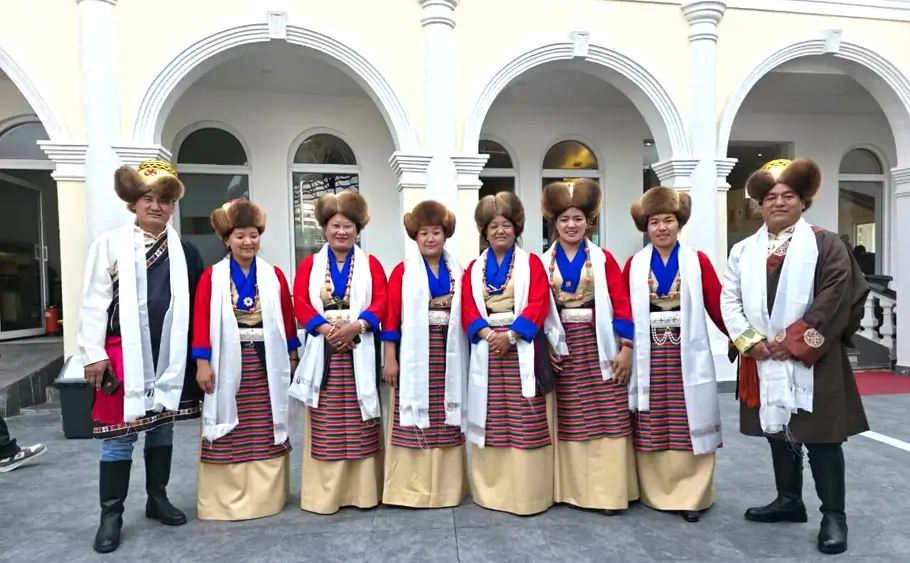
Lhosar is a very spiritual celebration for the Sherpas. The families begin by washing their houses to get rid of the negative energy of the last year. The prayers and rituals are conducted by the monks in monasteries and homes, as they call blessings on health, happiness and prosperity. Foods that are considered traditional like Guthuk, a special noodle soup with symbolic ingredients, are made. Sebbri, an ancient Sherpa dance, is also performed by the community members, and folk songs fill the air, featuring a wonderful and fresh atmosphere. The festival is a period to celebrate the elders, to build family relationships and to embrace the new year positively.
The Tamang people commemorate the Lhosar as the season of spiritual self-reflection and interpersonal unity. Buddhist prayers are done in monasteries, where families go and their homes are also adorned to welcome good energy. The old foods are cooked and the citizens wear the colored and ethnic clothes to attend the feasts. The festival involves music, dancing, and communal events and this is what makes Tamang Lhosar a festival that is more religious as well as a cultural event. The festival is regarded as a means to overcome the past misfortunes and adopt forgiveness for a new life full of hope and harmony.
The Gurung people celebrate Tamu Lhosar, which is the end of the harvest period. It is Thanksgiving, the harvest of the fields and the hope of a new year. The Gurung families make traditional foods such as Kinema (fermented soybean) and other special meals. Ghatu and Chudka dances make villages vibrant; youths and old people perform them. The elderly give blessings to the younger ones in the family and the social bond is strengthened with the community. And Tamu Lhosar is a festival of the prosperity of nature, the significance of family and cultural legacy.
In all the Himalayan societies, Lhosar has the same subtext, which includes renewal, gratitude, and harmony. It is an opportunity to look back and make peace with the past year, forget about the negative aspects and look forward to a new life. Families sit down to eat together, receive blessings from the elders and are involved in group rituals. The festival helps in the strengthening of cultural identity; hence, assuring that, within the new generations, traditional practices and dances, as well as spiritual teachings, are preserved. Lhosar is a reminder of the need to be connected with the community, resilience, and spiritual bonding between humans and nature.
Lhosar is celebrated on a wide scale in Nepal but it is also celebrated in Tibetan areas in India, Bhutan, and other areas in the Himalayas. The festival has its variations added by each region, but the main theme of the renewal and a cultural celebration never changes. To this end, tourists and culture lovers who would like to preserve the most memorable experience may attend or observe Lhosar to have a glimpse of Himalayan life and customs.
The Himalayas have become a heaven to trekkers and also a remarkable and diverse culture. The most thrilling activities are arranging a little trek before the Lhosar festival, where the visitors can enjoy the natural beauty of Nepal and engage in the preparations of festivals in the local communities. Hiking ahead of Lhosar is an excellent blend of adventure, culture, and spiritual well-being to associate with the life of the Himalayas.
Lhosar is celebrated in accordance with the lunar calendar, and thus the date varies from late January to March, depending on the community celebrating (Sherpa, Tamang, or Gurung). It is ideal to plan a trek for 1-2 weeks before the festival, as the weather is stable and the skies are clear. The nights get very cold, but during the day, the conditions are favorable for trekking. Trails in the lower altitudes of the Annapurna, Everest, and Langtang regions are easily accessible, and in higher regions, some trails still have snow, which adds an extra charming winter touch to the trek.
Short treks before Lhosar span 3-7 days, offering those wishing to experience the Himalayas in their entirety the ability to appreciate the beauty and grandeur of the region without fully committing to a long expedition. Options include the following:
Trekking below Everest and surrounding peaks provides dazzling views, especially of the ever-present snow and ice, and delightful encounters with the Sherpa people and their enchanting culture and traditions.
This trek provides a receding horizon vista of the peerless peaks of the Annapurna massif. The Gurung community has a welcoming and hospitable culture, and their villages are a splendid introduction to the region.
This is a highly recommended Langtang Valley trek. The landscapes are peaceful and restorative, the villages are of the Tamang people, and there are numerous Buddhist monasteries on the trek. The combination of culture and nature is enticing.
Each trek is a perfect combination of spectacular views, moderate trekking challenges, and an appreciation of local culture for the time-pressed traveler.
Cultural Experience Before Lhosar Nepal holds a trekking opportunity unlike any other just before Lhosar. The communities/ villages you walk through are actively engaged in festival preparations, from cleaning houses and decorating monasteries to making traditional foods. Communities actively engage in the festival rituals, dance rehearsals, and festive preparations. These festival preparations give you the opportunity to experience the lifestyle of the Himalayans, and if you are lucky enough to arrive before the festival, you will be able to participate and keep the experience of the trek truly special.
Less touristy: As this time is just before the peak festival season, most trekking routes will be empty/ less busy.
Cultural experience: You witness the festival preparations, traditional festival foods, and other local customs.
Photographs: The scenery is a postcard. The combination of perfectly clear winter skies and fresh snow on the peaks is as good as it gets for winter trekking.
Best of both worlds: You get an adventure trek experience and the opportunity to take part in one of the top cultural festivals in the Himalayas.
Tips for Trekking Before Lhosar. It’s going to be cold, really cold, so take some warm clothes. For any trekking regions above 2500 meters, this is going to be a must and will drop really low during the night. You will also need to have trek permits (TIMS, ACAP, and any restricted area permits) before you arrive. These are the basic requirements.
Hiring a local guide supports the local economy and allows you to gain a deeper understanding of the local culture.
Health & safety: If you plan to go on higher trails, don’t forget to carry first aid and think about altitude acclimatization.
For those who appreciate adventure, culture, and a dose of spirituality, a short trekking journey before Lhosar will be a splendid experience. It will offer you the opportunity to discover the glorious yet rugged Himalayan landscapes and warm hospitality of the local communities, and see the outreaches of the local communities as they prepare for one of the most colorful and meaningful festivals in the world. If you plan your trek to end just before the festival, you will be able to experience the trek and the festival in one of the most memorable ways.
You may be a Sherpa, or a Tamang, or a Gurung, or you may be any traveler visiting the Himalayas, but Lhosar is an excellent and brilliant gateway into the colorful Himalayan cultures. It is a celebration of happiness, spirituality and unity, and it teaches every person to have hope, be thankful and be in harmony in the coming year. On behalf of our hearts, we wish you Happy Lhosar that is full of peace, prosperity, and happiness.