Latest Posts

Talk to Trip Expert
+977 9704823980 (Whatsapp)


Talk to Trip Expert
+977 9704823980 (Whatsapp)Everest Base Camp (EBC) is located in the heart of the Himalayas, where thousands of trekkers visit each year. This trek is not only a physical journey but a journey filled with awe-inspiring landscapes, Sherpa culture, and the highest mountain peaks. Each day of the Everest Base Camp trek offers new scenery and experiences; therefore it is a bucket-list trip for every passionate adventurer.
The journey starts from Lukla, and the slow ascent to Namche Bazaar is an amazing part of the trek. Generally, trekkers ascend from Lukla to Namche Bazaar on the second day of the itinerary, which is both a physically and psychologically challenging section of the EBC trail.
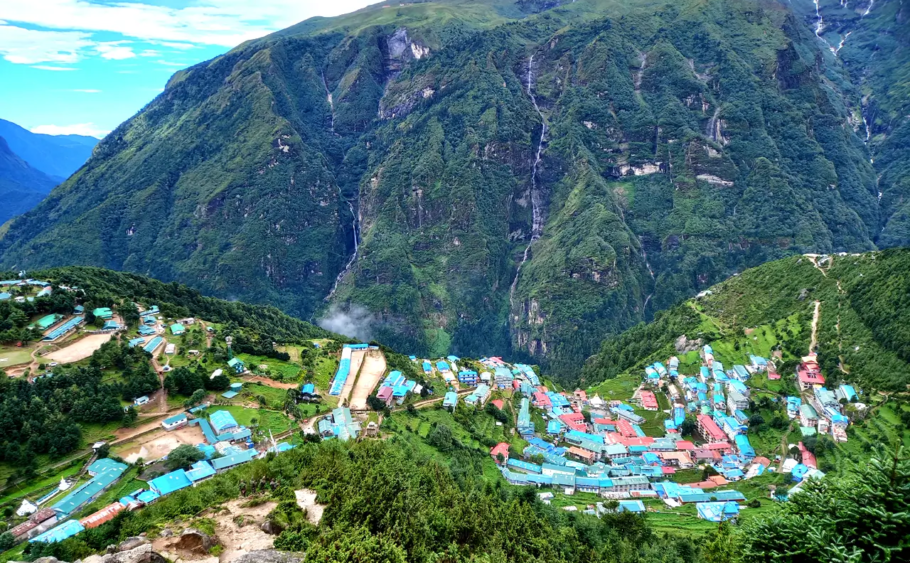
Namche Bazaar, located at 3,440 meters, is indicated as the main town of the Khumbu region and a great place for acclimatization before venturing higher in the mountains.
The distance from Lukla to Namche is 13.5 km and features suspension bridges, river crossings, and a glimpse of Everest throughout the trails. Although this trek looks shorter in distance, it is an uphill climb with a change in elevation of over 600 meters. Most of the trekkers do this climb in two days by spending the first night at Phakding, while some can also complete it in one push.
For planning and safety, it is essential to have an idea of the distance and the number of trekking hours. The trek from Lukla to Namche Bazaar can take anywhere from 6 to 8 hours of walking, depending on personal pace, as well as the weather and fitness level of the individual trekker.
A proper understanding of distance and route will help trekkers manage their energy and schedule breaks to succeed in the Everest Base Camp trek.
The total distance from Lukla to Namche Bazaar is 13 to 15 kilometers (8 to 9 miles). This trail is not easy to trek due to the terrain and significant elevation gain, so it will be easy for you to climb if you complete the trail in two days.
This trek generally starts in Lukla, where trekkers start descending to Phakding. Many trekkers spend their first night at Phakding and continue their next days following Dudh Koshi River, villages like Monjo and Jorsale, and end their day journey at Namche with a steep elevation gain.
The second day also has inspirational views of the lush forests and river scenery, ending with the breathtaking sight of the Hillary Suspension Bridge.
The articles lead many to believe that the distance traveled between Lukla to Namche is a single trek, when typically most itineraries will have an overnight stop at Phakding. Such an itinerary allows for proper acclimatization, as the altitude and terrain can be more demanding on your body and mind if you have limited experience with high-altitude hiking.
Depending upon each individual’s fitness level, pace, and acclimatization needs, the average time to reach Namche from Lukla by foot may vary from 6 to 8 hours. Most of the trekkers take two days to complete the trek from Lukla to Namche by stopping their first night in Phakding, which is a beautiful Sherpa and Tamang village.
Lukla to Phakding is about eight kilometers, which usually takes 2 to 3 hours of easy walking downhill or on flat terrain and usually follows the Dudh Koshi River footpath. This stretch is easy, making it an excellent place to warm up for what’s to come.
Phakding to Monjo is about a 1.5 to 2-hour trek through small, charming villages and over suspension bridges while gradually ascending to Monjo. From Monjo, it will take 30 to 45 minutes to Jorsalle, this path has a checkpoint at Sagarmatha National Park.
Jhorsalle to Namche Bazaar is the steepest and demanding climb, which usually takes about 2 to 3 hours. The trails mostly cross the pine forests and the famous Hillary Suspension Bridge, which tests the mental and physical stamina of each trekker. If the weather is clear, you can witness the first glimpse of Everest in this section of the trail.
Trekking time can be affected in numerous ways, including route-finding issues, acclimatization, weather conditions, and the number of stops taken for breaks or meals, for example. Care and leisure walking is important to ensure safety and enjoyment in this difficult section.
The net gain of elevation during the trek is about 600 meters because Lukla sits at an elevation of 2860 meters while Namche Bazaar is at 3440 meters. Because it involves ups and downs, the total elevation gained will be more, which can make the trek physically taxing despite the relatively short distance.
This gain in altitude means that trekkers will have to take special care with acclimatization. Acclimatization helps in the prevention of altitude sickness, which can present itself with headaches, nausea, dizziness, or exhaustion. A common plan is to spend the night in Phakding before continuing to Namche Bazaar to give the body time to acclimatize gradually before continuing to higher elevations.
During the trek, trekkers must stay hydrated and not overexert themselves, taking breaks each time nature calls or at least every hour. Listening to your body and being aware of the early signs your body will help you monitor altitude sickness, which can make the difference between a not-so-bad experience and a terrible adventure that involves taking something as serious as altitude sickness lightly.
If your symptoms were to become worse, descending to a lower altitude is advised in terms of the safest option.
Acclimatization, especially at Namche Bazaar, is especially important while going up hills and the elevation to make yourself adapt to the higher elevation and take rest.
There are many trekkers who would spend another night here beyond their trip itinerary so that they have another day of rest and acclimatization before continuing, which can make for a safer and more enjoyable trekking experience.
The land between Lukla and Namche Bazaar is replete with iconic suspension bridges, such as the Hillary Suspension Bridge that spans the Dudh Koshi River. Exciting crossings yield spectacular views, making the bridges particularly memorable moments in the journey across the rugged terrain of the Everest region.
The path travels adjacent to the Dudh Koshi River, offering beautiful river views filled with refreshing air and the babbling sound of flowing water surrounding trekkers on their journey through the Everest region. The natural surroundings provide a relaxing ambiance in the exceedingly hard mountainous landscape.
After passing through the Sagarmatha National Park permit check post near Monjo, trekkers have entered a protected section with incredibly biodiverse areas, and the check post has complete significance to the conservation of Sagarmatha National Park. The permit checkpost is more than just entering because it provides a first sense of accomplishment in trekking across Sagarmatha National Park and the Everest region.
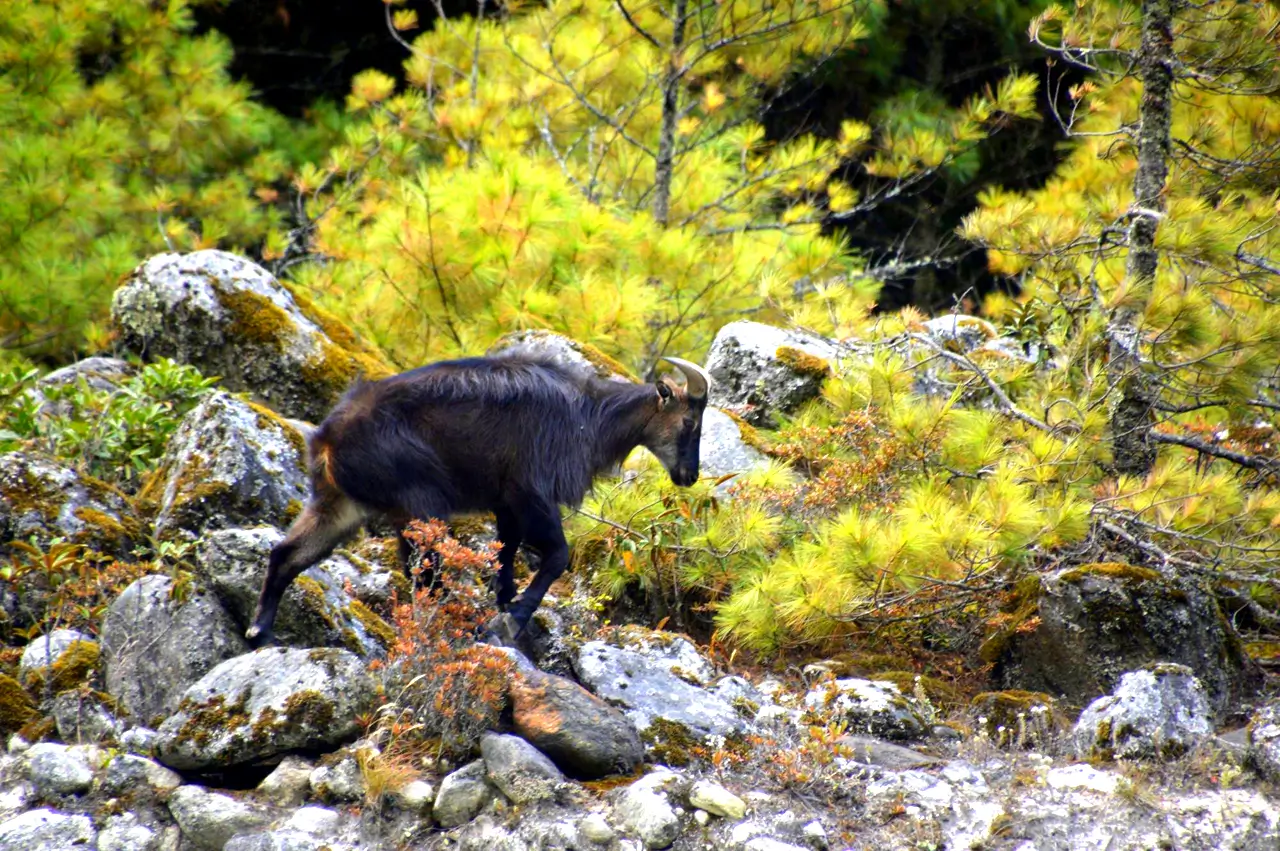
There are sections of dense forest that trekkers will travel through that have pine and rhododendron trees that provide cooling shade and ample opportunity for wildlife sightings, such as Himalayan birds, and musk deer. The natural scenery while crossing the check post locations provides the necessary peaceful atmosphere that jars the more exposed and rocky sections of the trail.
The last push-up to Namche Bazaar is well-known for its steepness, requiring some real workout and stamina. It is worth the struggle as this uphill climb enables trekkers to see not only Everest but also many other peaks, allowing you the satisfaction of achieving the hard push into the busy Sherpa town of Namche.
There are many popular rest stops on the Lukla to Namche Bazaar trail, such as Phakding, Monjo, and Jorsalle. Each of these villages has some nicely organized teahouses for trekkers to use for resting, eating, and sleeping. Most itineraries will stop at Phakding as their first overnight stop after flying into Lukla; it is a nice stop with moderate accommodation and services.
In general, you can expect teahouses along the route to provide food options ranging from traditional Nepali food, such as dal bhat and momos, to some more Western food options, such as pizza and pasta.
Namche Bazaar has a fair number of food and drink establishments, which include good restaurants as well as a handful of nice cafes, such as Lhakpa Doma Restaurant and the Namche Bazaar Bakery Café.
Water availability is not usually a problem at teahouses along the way; however, all trekkers should consider carrying water purification tablets or a water filter. Aside from the teahouses and the pristine glacial rivers, there are plenty of chances for a refill at rest stops.
We recommend verifying that the teahouse is providing safe drinking water and avoiding untreated river water to help prevent sickness while trekking.
Overall, teahouses on the route from Lukla to Namche are a wonderful option for comfort and socializing to recharge. From simple, basic lodges in Phakding to some more upscale lodges in Namche, rest stops are and will be the best experience for resting, eating, and acclimatizing while participating in the very challenging Everest Base Camp trek.
The second day of the trek from Lukla to Namche Bazaar is strenuous because it requires physical exertion in a steep ascent. On the mental side, it can feel hard, and yet the views and achievement of reaching a significant stage of the Everest Base Camp trek help motivate trekkers to the summit.
Consistent pace is important during the climb, with frequent short breaks. You need to be hydrated and eat regularly, so you might not feel hungry. Keeping some energy-rich snacks in your pocket is important for maintaining your stamina. Depending on the altitude, it’s important to listen to your body and rest when necessary – no one wants to be exhausted or get altitude sickness, so it’s best for a safe and enjoyable trek.
By getting started early enough, for example around 7 to 8 AM, you will take advantage of daylight hours and you’ll be less affected by the weather changing, which is quite common in the mountains during the afternoon. You will also benefit from an early start when pacing your trek, considering the ample opportunity to have breaks and stop for any photo opportunities.
Yes, you can trek from Lukla to Namche Bazaar in one day, but it’s tough and not advisable for most trekkers. Most trekkers do this trek over two days, in order to acclimatize better and keep a better pace for the trek as well.
Phakding is by far the more popular overnight stop after Lukla, with better facilities and easier terrain; there are also more accommodation choices. Monjo is closer to the Sagarmatha National Park entrance, but not as frequently used for overnight stops along this part of the trek.
There is no requirement for a guide on this section of the trek from Lukla to Namche Bazaar, but a guide can provide safety, navigation, and culture. Many trekkers choose to hire a guide for assistance, which can be especially useful if you have never trekked at altitude before.
The roughly 13–15 km hike from Lukla to Namche Bazaar typically takes 6–8 hours to complete. Most trekkers complete this section over two days, while some come to traverse the trail in a single day. This section has a combination of moderate distance and a lot of altitude gain, requiring you to manage your time, so you can enjoy your trek safely.
Pacing yourself and acclimatizing are especially important on Day 2. The steep ascent has considerable physical and psychological demands on you. Remember to rest, drink plenty of water, and listen to your body to avoid altitude sickness. Despite being a tough day of trekking, if you reach Namche Bazaar, you will enjoy the valuable sense of achievement and views that make the effort worthwhile.