Latest Posts

Talk to Trip Expert
+977 9704823980 (Whatsapp)


Talk to Trip Expert
+977 9704823980 (Whatsapp)Besides its mesmerizing natural beauty, Nepal also boasts of incredible equilibrium of diversified cultures. Over 120 ethnicities, and a variety of religions. Nepal is a multi spiritual and multi culture festival country. Festivals in Nepal are also social and secular festivals, which brings communities together enhancing social cohesion through music, dance and food. This blog describes and discusses the top 10 popular and widely celebrated festivals in Nepal, which can provide an understanding of the values of this country and its diversity of traditions.
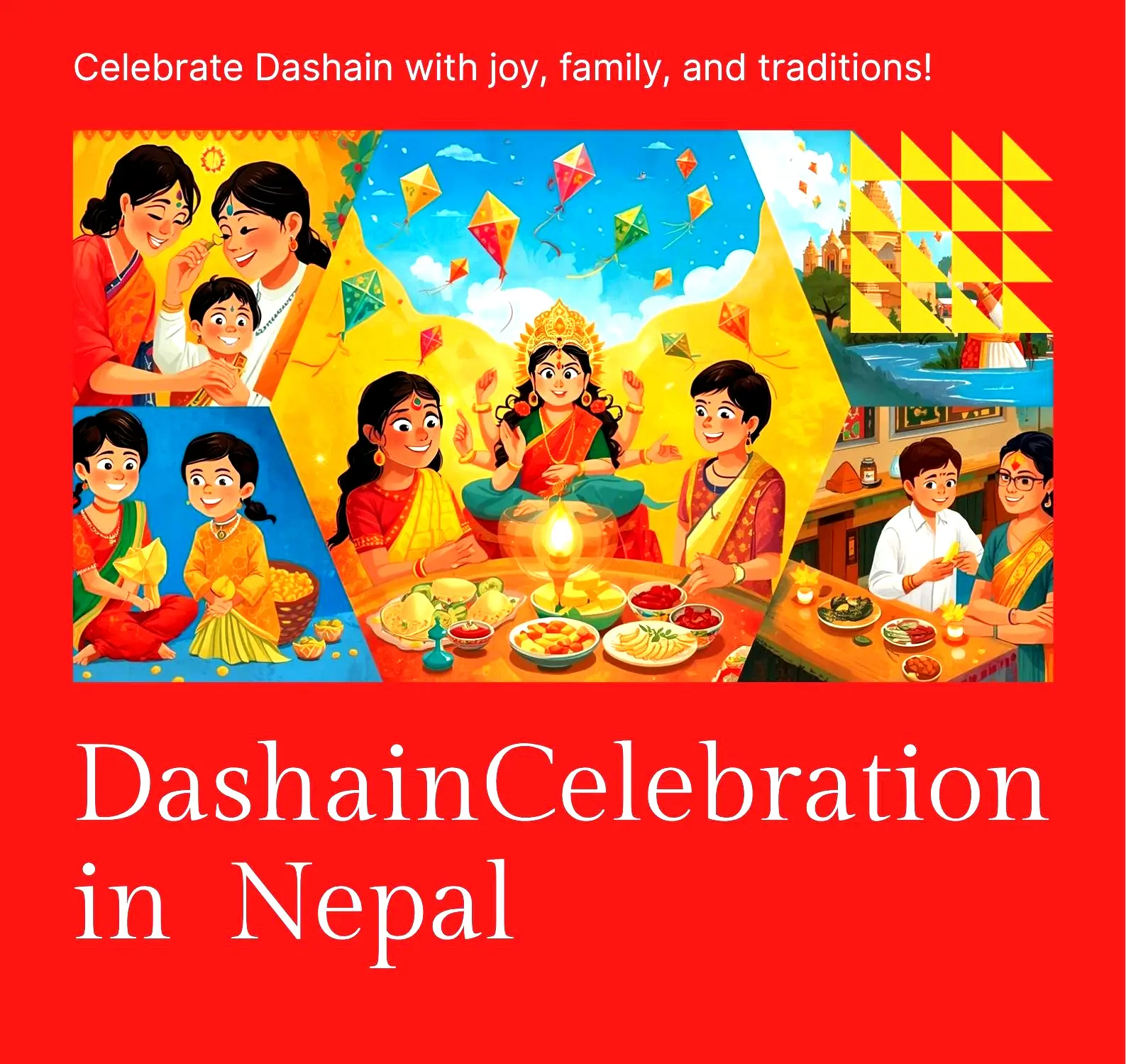
The most significant and longest Hindu holiday in Nepal, Dashain, is celebrated over 15 days in September or October. It is the celebration of the victory of goddess Durga over the demon Mahishasura, which represents the victory of good over evil. During this celebration, people across the country eat, bless each other, and perform various rituals. During this time, elders bless younger relatives by placing tika and jamara, which is a combination of yogurt, rice, and vermillion, on their foreheads. There is a goddess to whom animal sacrifices are made, and people make their homes festive and wear new clothes. There is a lot of travel for reunion for the celebration and this is the time of the year to perform the Dashain rituals.
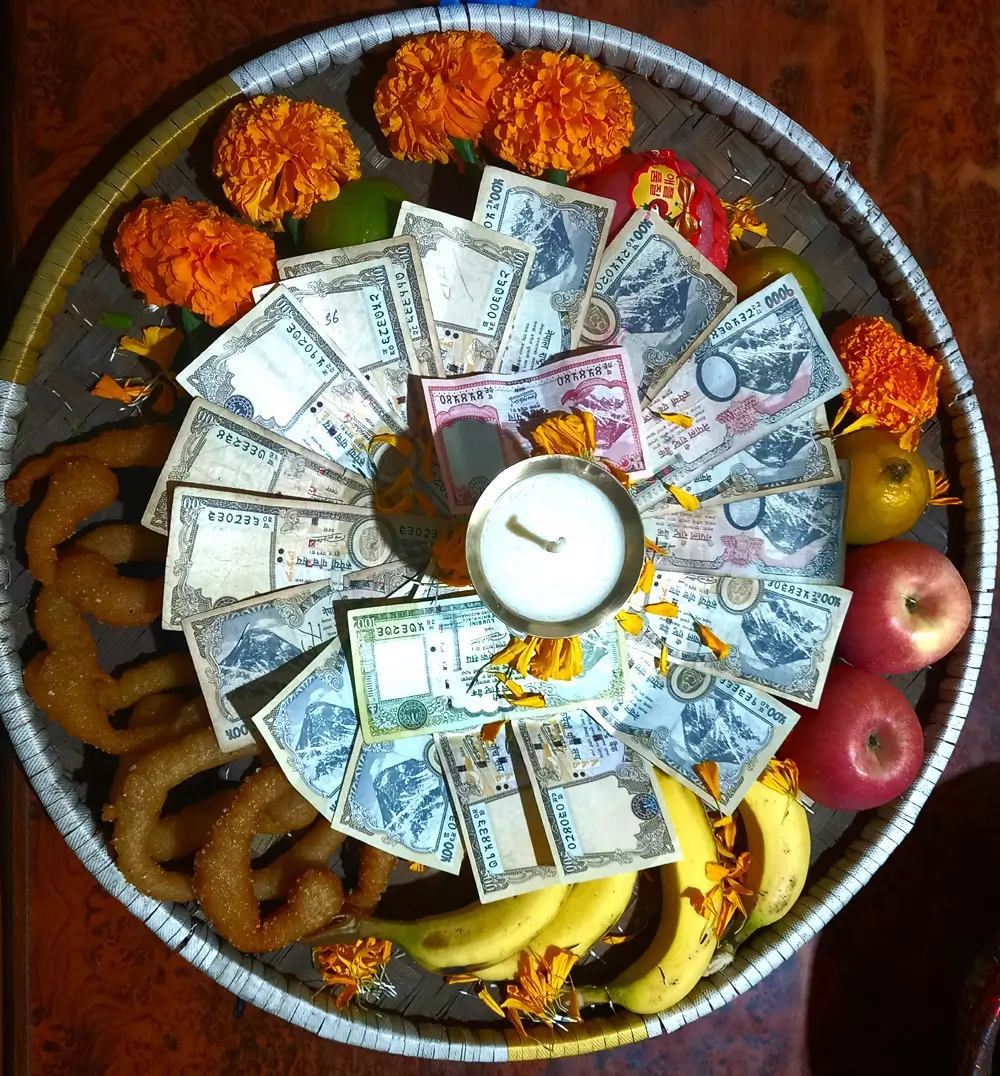
Tihar, or Deepawali, is a Hindu celebration consisting of 5 days of festivities with each day celebrating a different theme, immediately following Dashain. Tihar is also the festival of lights. Each day of the festival is celebrated in honor of a different being; crows (messengers), dogs (protectors), cows (prosperity), oxen (labor), and the last is dedicated to the brothers and sisters. The fourth day of Tihar is Bhai Tika; sisters put tika on their brothers’ foreheads and pray for their long life. During Tihar, the streets and homes are lit with candles, oil lamps, and electric lights. The floors are decorated with colorful rangoli, and people sing Deusi-Bhailo and share food and sweets. Tihar is a celebration of life and gratitude.
Holi Ka Tyohar is one of the most cheerful & energetic of the festivals in the country and is observed every spring. This festival focuses on the celebration of the arrival of spring, the end of winter and the end of the cold season. Focusing on the Hindu culture the festival celebrates the glory of Lord Vishnu & burnt the demoness Holika whose protection was given to the faithful Prahlad. Holi Ka Tyohar is celebrated in March, specifically the month of spring. People use powdered colours and splash water, & while playing Holi people play traditional music, and enjoy the sweets and drinks all in a celebration of Holi. In the Terai region of Nepal, Holi is celebrated a day later than in the hills. People seem to join in an of renewal and a sense of confusion with the sence of colours, with music, and laughter and in the all the celebration of spring and Holi.
Buddha Jayanti is the most important festival of Lumbini in Nepal and is celebrated to commemorate the holy birthday of Siddhartha Gautama the founder of Buddhism. This festival is most important for Buddhism & Hinduism and in the months of April and May Siddartha Gautama was born, enlightened and died. In Baisakh on the full moon day the climax of this day is celebrated with great devotion. This day is to be observed in all great peace by devotion that reflects the greatest of all commandments of buddism ” I shall not kill” & in great mindfulness & most of all to be in pure devotion of the greatest compassion. In this day people make pilgrimage to the great peace stupa of Swayambhunath, & to Boudhanath all and most of all to Lumbini the peace haven of the world to be. This day to be observed in the closure of the pilgrimage to the peace Lumbini is to be in great devotion of buddism.
Teej, a festival dedicated to women, focuses on the well-being of married and unmarried women, largely in Kathmandu and other areas of Nepal. It typically occurs in the late summer, late August to early September. Women don red saris, sing devotionals, and pray, especially in the temple of Pashupatinath, for the longevity of their husbands or for the acquisition of a good husband. They perform Dar Khane Din celebrations the day before the Teej fast, which consists of dance and a feast, and a rigorous fast follows, often food and water. Teej is a testimony of devotion, but allows women the opportunity for self- expression, socialization, and for spiritually uplifting community participation.
In mid January, the first month of Magh starts, the auspicious month of Magh begins, and the Maghe Sankranti festival is celebrated. This is the time of year when the winter solstice is over, and Maghe Sankranti celebrations begin the period of longer, warmer days. Cold-season health promoting food is consumed during the festival, which includes ghee, yams, molasses (chaku), and sesame sweets. It is of great importance to health and well being, especially in the winter, for the Tharu, Magar, and other indigenous communities in the Terai region. It is also common to make pilgrimages to holy sites, such as Devghat, Chitwan, and Ridi. This festival represents hope, warmth, and the gift of new beginnings.
Indra Jatra is one of Kathmandu’s major festivals, particularly among the Newar population. The celebration happens in September, commences the honors bestowed on the deceased, honors Indra, the king of heaven and the god of rain. The chariot processions, particularly of the Living Goddess Kumari, are one of the most notable aspects of the festival. The Lakhey dances and other theatrical masked performances are part of the procession. At Basantapur Durbar Square, the Yosin or Linga festivity and the culture of constructing the Yosin or Linga festivity and culture of constructing a Yosin or Linga to signify the festival is a highlight of devotion. The celebration intertwines storytelling and devotion into a stew of both vibrant and vivid.
Sun worship and worship of his consort Usha is mainly performed by the people of the Terai region. Celebrated in the month of October or November, Chhath Parva is celebrated six days after Tihar. The festival lasts for four days, and on all of these days, celebrators observe fasting, bathing in holy water, and offering prayers that span the time of sunrise and sunset. They stand and sing in the water, for the health and wealth of their families. It is during this time that the festival is noted for being spiritually disciplined and the beautiful sight of countless lamps being placed on the banks of the river, all for the purpose of being lit in dawn and dusk.
The special Newar festival that was celebrated in the Kathmandu valley was called Gai Jatra or Cow Festival. It was a festival to commemorate the people who died in the past year. The families of the deceased would mourn and lead the Gai Jatra parades through the revelers. It was the cow and the child dressed as a cow in the parades who would help the departed souls reach their afterlife. The festival allowed people to process their grief with community support and laughter. The festival was also known for the satire and comic jests on social and political issues of the time. The Gai Jatra celebrations helped families process their grief and loss with community support.
The Tibetan, Sherpa, Gurung and Tamang communities of Nepal celebrate the Losar which translates to New Year in Tibetan. Depending on the community, it is celebrated in February or March. Celebrations include a period of house cleansing and personal dancing for the families, and finally, the inter-family communal celebrations on the day. Monasteries perform the Losar celebrations and people greet and exchange food for a prosperous new year. Losar is a time of gratitude and purification, and is a time of cultural pride for the Tibetan people. The Losar customs were deeply rooted in Tibetan Buddhism.
The festivals in Nepal are not just a holiday but a living representation of the age old cultural practices and customs of the people. From the joy of Dashain and the illumination of Tihar, the revelry of Holi, and the introspection during Buddha Jayanti, the festivals in Nepal reflect the harmonious coexistence and inter-dependance of the various components of the nation. In case you are looking for a Nepal experience as a traveler, or wish to witness the traditions of the world, attending the celebrations and cultural festivals of the nation will be an experience you will cherish. So when you want to travel to the nation, try and coincide it to a festival. You will not be disappointed.
Of the many festivals observed in Nepal, Dashain, celebrated for 15 days, is the most popular and widely celebrated in the nation. Dashain is a Hindu festival celebrated with great devotion and enthusiasm all over the nation. It is a time for families to unite in devotion, and for their members to receive the blessed tika and jamara offerings, as well as partake in the communal meals and prayers that unite the families across the nation. Homes are fastidiously cleaned and decorated for the feast, and everyone is compelled to wear new clothes. Thus Dashain is a religious festival, as well as a time for the national community to unite together, a family reunion on a national scale.
Although both are large and important Hindu festivals, celebrated a few weeks apart, Tihar and Dashain differ in their themes and rituals. While Tihar is celebrated for the bonds of siblings, and the crow, and dog Tihar is also celebrated for the lighting of the oil lamps, and decorating the home with rangoli. Dancing and singing of the Deusi and Bhailo is also a part of the Tihar celebrations. It is celebrated for 5 days. The last day of Tihar, Bhai Tika is the day most important in relation to the bond of love that exists between brothers and sisters.
The bond between brothers and sisters is celebrated with the festival of Bhai Tika, which is the fifth day of the Tihar festival. Sisters apply a special ritual of a seven colored tika, which is a forehead piece, as brothers receive garlands and sweets. Protection, love, and respect are the traditional values shown as brothers and sisters, as the siblings relations are pledged. It is one of the most emotional attachments, and beautiful in the Nepali culture.
Not all the festivals in Nepal are religious, even if the majority of them are. Seasonal, and, festivals are also Anniversary, cultural, or historical. For celebration of the winter solstice, Maghe Sankranti is celebrated, and, Gai Jatra is in remembrance of loved ones and also, a cultural satire. Religious beliefs are shown in the festivals as well as the social values, cultural identity of the community and, the versatile culture of Nepal.
Tourists are permitted to watch and frequently take part in various Nepali festivals, include Holi, Tihar, and Indra Jatra. Tourists find it easy to join in the fun during Holi, where they play and throw colored powder in the streets. For Indra Jatra, tourists can see traditional Nepali dance performances and the Living Goddess Kumari’s chariot procession. These provide a glimpse and appreciation of the closely held Nepali customs and provide tourists unique opportunities for community engagement.
The most appropriate time to visit Nepal is between February and November so as to enjoy the top 10 Nepalese festivals. This is the season of such festivals like Dashain, Tihar, Chhath and Indra Jatra. The post-monsoon season is also the best time to celebrate as well as do trekking due to the clear weather. That is why this period of a year is among the best to choose to visit this country. The second rewarding season is between February and March that has festivals of Holi and Losar (Tibetan New Year). Select these times in order to enjoy the Nepalese culture.
Gai Jatra, or the Cow Festival, is unique to the Kathmandu Valley, particularly in the Newar community. It blends the two extremes of grieving and levity. Each family who lost someone in the past year takes part in a procession, often with a cow, or with a child dressed as one, as it is believed to escort the dead person’s soul to heaven. Completing this solemn procession, the festival features festivities that include comical skits and absurd street performances in the form of social and political satire. It is a unique testament to the compassionate and creative spirit of the Nepali people in the grieving process; particularly the use of laughter and community.
The Tibetan, Sherpa, Gurung, and Tamang people of Nepal all celebrate Losar. Losar is the Tibetan lunar new year and is a big deal for both religion and culture. The week-long celebrations are mostly about spiritual and cultural activities including cleaning the house, making holiday meals, greeting each other in public, and folk dancing. In Buddhist monasteries, individuals pray in special ways, offer incense and butter lamps, and take part in the cultural activities listed above. Losar is a religious festival, but it is also a time for families to get together and share happiness. It is a time to celebrate the new year with high spirits and optimism.