Latest Posts

Talk to Trip Expert
+977 9704823980 (Whatsapp)


Talk to Trip Expert
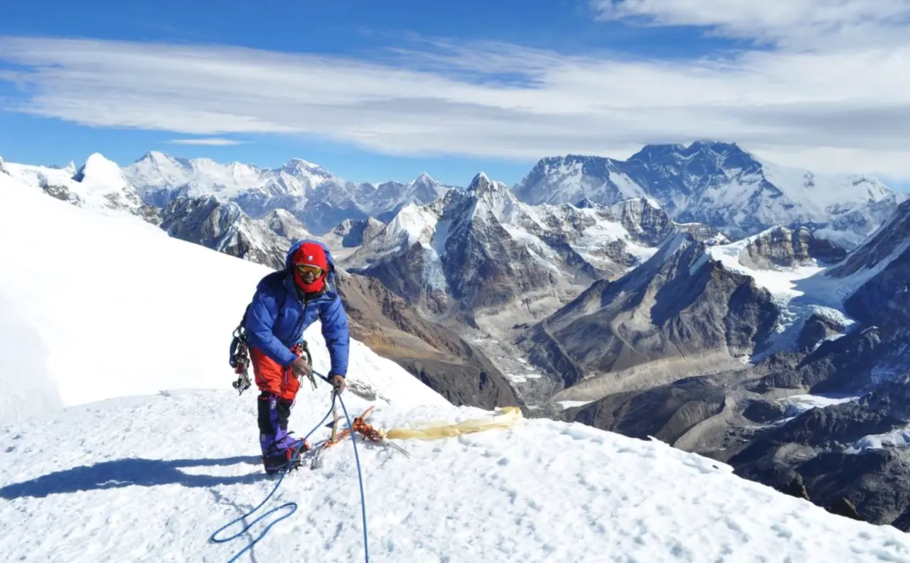
+977 9704823980 (Whatsapp)Nepal’s Khumbu region is home to Mera Peak, which is located at an elevation of 6,476 meters. This peak is known as the highest trekking peak in Nepal and offers panoramic views of Everest, Lhotse, Makalu, and other Himalayan giants. Mera Peak climbing in Nepal will lead you to different summits, including Mera North, Mera Central, and Mera South.
Mera Peak climbing in Nepal demands basic alpine techniques, but does not involve major technical skills because you will reach above 6,000 meters during the trek. This allows trekkers to experience high-altitude mountaineering. For example, glacier travel and basic use of boots, crampons, and ropes.
The climb is an ideal goal for fit trekkers who may have some ambition for climbing, yet are not professional climbers. You need good physical fitness and acclimatization during the trek. As you move forward in the trails, you will get an opportunity to interact with Sherpa culture, remote wilderness, and awe-inspiring High Mountain landscapes.
The ideal trip is for the fit and mentally prepared trekker who wants to climb in the Himalaya while experiencing Himalayan glaciers and stunning views without the advanced technical component of a peak climb.
Mera Peak climbing is in a very remote and rustic area in Hinku Valley in Makalu Barun National Park. It is in the Solukhumbu district in eastern Nepal, which is directly south of Mt. Everest and directly north of Hinku Valley.
Usually, people will fly to Lukla or Phaplu to start the Mera Peak Climb trek, and they will usually fly to Lukla first. Lukla is at 2850 meters, so clearly, flight is the only option. Trekking also starts from Lukla, the beginning point, and altitude gain and acclimatization begin.
The trek passes through isolated Sherpa villages such as Khote, Tangnag, and Khare, to bring trekkers into the cultural experience of the region. Trekkers hike through stunning rhododendron forests, and below the tree line, alpine meadows with stunning Himalayan landscapes – creating the perfect environment for trekking in untouched surroundings.
This trek for Mera Peak climbing in Nepal brings together cultural experience and rugged natural facilities. In addition, the Mera Peak climbing in Nepal trek is famed not just for the peace that the trail offers, but for old monasteries and isolated villages.
Mera Peak climbing in Nepal provides a unique experience to see five 8,000m giants at the same time: Everest, Lhotse, Makalu, Cho Oyu, and Kanchenjunga. The experience of standing atop the summit provides trekkers with one of the breathtaking Himalayan views possible, and makes it all worthwhile.
Mera Peak climbing in Nepal takes trekkers through a remote and less-traveled route via the Hinku Valley, allowing trekkers to experience pristine wilderness and immerse themselves in authentic Sherpa culture. The return to a quieter and more pristine climbing style is welcome, with the more popular and busy trekking routes in the Everest region.
Finally, Mera Peak climbing in Nepal is a reasonable introduction to mountaineering at high altitude. Mera Peak does require some glacier travel and outdoor skills, but the climb is easier than many other expeditions in the Himalaya, and available to fit, adventurous trekkers.
The main challenge in summiting the peak comes from the high altitude of 6,476m, but Mera Peak climbing in Nepal is a non-technical climb. The biggest issue is acclimatization to the altitude, but it does not require previous mountaineering experience, providing the chance for those wanting a non-technical adventure in the Himalaya.
March to May weather in Mera Peak is good for trekking. You can see stable weather, blooming rhododendrons along the way, and clear skies. The stable daytime temperature reduces the chances of high storms, but the nights are still chill at the higher altitude of Mera Peak.
September to November (Autumn) is the most popular time of year for climbing Mera Peak. The weather is usually pleasant with crisp post-monsoon views, and visibility is greater than in the spring. The dry weather means trekking trails are safe, and you will be less likely to have rain and snow interrupting summit attempts.
December to February (Winter) is the most difficult time of year to climb Mera Peak. Temperatures are plummeting, snow is building up, with a greater chance of poor weather; the climb is hazardous. Winter climbers on Mera Peak should be very experienced and are expected to be adventurers for the ascent.
Both the monsoon (June to August) and winter seasons add many risks for climbing Mera Peak. One of the major risks in the monsoon season will be heavy rain causing rain or snow to land slide down from glaciers. Also, the weather can become unpredictable with heavy rain or snow falling in the mountains on your trek, as aviation can be delayed, or you may not summit Mera Peak.
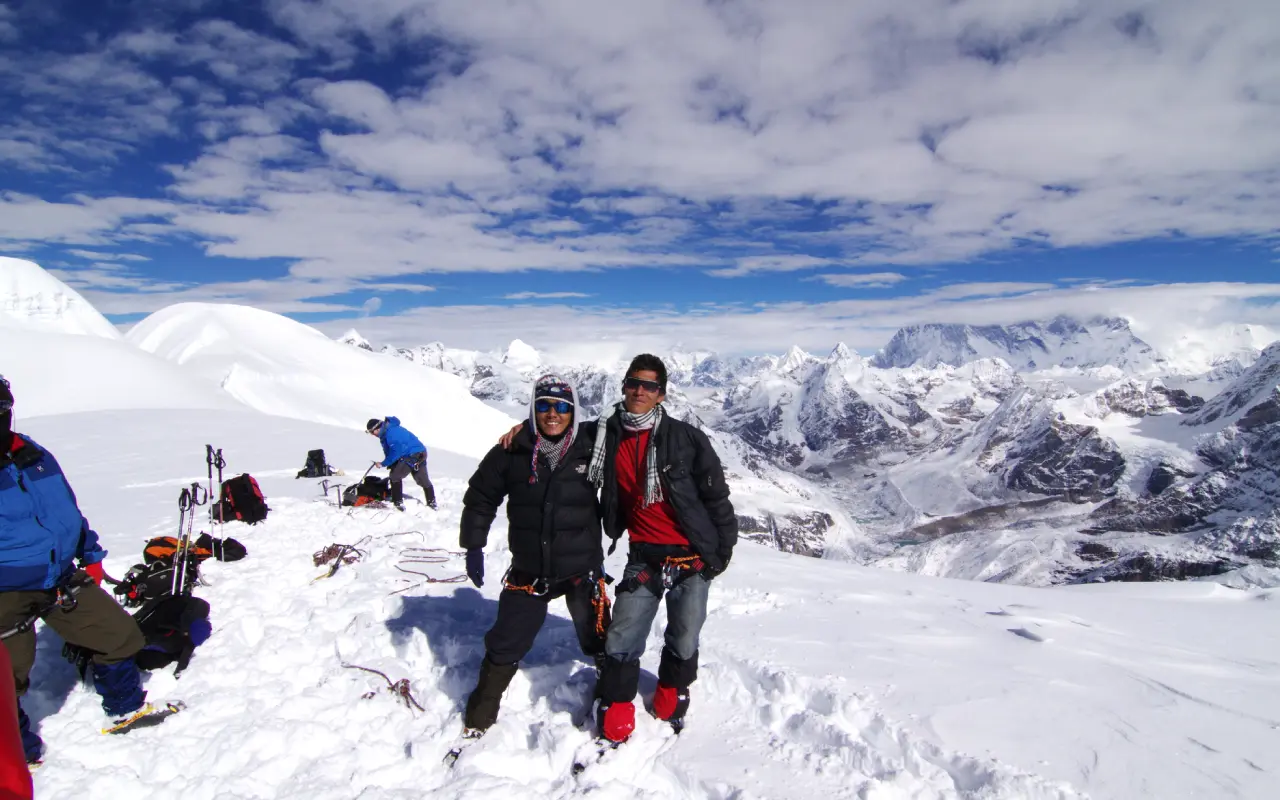
The standard route for Mera Peak climbing in Nepal is to take the Zatra La Pass; in this way, trekkers ascend to high camp quickly and cross the high Zatra La early in their trek. This is the route for those looking for a short and time-effective challenge.
However, the Zatra La route does pose higher risks of altitude sickness as the trekkers will be entering high altitude from low altitude fairly quickly. Mera Peak climbing in Nepal and on this route will suit climbers with experience, equal acclimatization, and prior high altitude hikes who are after a quick summit.
The alternate route for Mera Peak climbing in Nepal passes through Paiya, Pangom, and Khote. The climbs on this trail are lengthy and gradual, permitting climbers time to acclimatize with less risk of altitude sickness. This is the traditional trail for Mera Peak climbing, walking through more beautiful scenery, and more cultural aspects of Nepal.
This gentler route is recommended for most climbers attempting Mera Peak climbing in Nepal. While it is not a guaranteed safe experience, it is safer and approachable with gradually increased altitude. This route traverses through remote Sherpa villages and pristine valleys, while making the trek just as memorable as the summit.
3 permits required for Mera Peak climbing:
1. Mera Peak Climbing Permit from the Nepal Mountaineering Association, NMA.
2. Makalu Barun National Park Entry Permit from the park authorities or trekking agency.
3. Khumbu Pasang Lhamu Rural Municipality Entry Fee just before heading up into the mountains.
You do not need a TIMS card since you typically have a mountaineering permit for Mera Peak climbing in Nepal. Make sure you always check for changes to any rules or if NMA are clamped down, as new authorities may implement or remove trends of permits depending on local circumstances.
Mera Peak Climbing in Nepal requires a high level of endurance, strength, and fitness. Prepare for Mera Peak climbing by running, hiking, cycling, and doing strength training with a focus on legs and core strength. Training for long treks, walking with a loaded backpack, should be completed to develop certain fitness aspects related to climbing conditions.
You do not need to be an expert mountaineer; however, both basic experience of walking in crampons and using an ice axe is important in preparation for Mera Peak climbing in Nepal. Knowledge of glacier travel, using harnesses and ropes, will both help improve your safety while travelling on glaciers and your confidence level when attempting glacier travel and summit attempts.
Mental preparation is just as important as physical fitness with respect to Mera Peak climbing in Nepal. You can expect long trekking days at altitude, cold weather, and potential isolation. Therefore, mental preparation will significantly assist with the discomfort, the reduced rate of progress, and the realities of altitude while significantly adding to your enjoyment and summit potential.
Most Mera Peak climbing programs take about 12 to 15 days, which starts with a beautiful flight to Lukla, entering the hustle and bustle of the Khumbu region, where trekkers begin to climb from villages and stunning scenery to acclimatize.
Days 2-10 are trekking days with rest days for acclimatization, as well as days to hopefully reach Mera High Camp. The extra acclimatization and safety days limit the chances of altitude sickness, and we want climbers to be ready on summit day.
Day 11 is the “summit day.” We wake up before dawn to climb Mera Peak, enjoy the summit, then descend to a lower camp to sleep and rest for safety’s sake.
Days 12-15 are the descent trek back to Lukla, visiting more remote trails previously trekked. Air travel to Lukla has additional acclimatization; however, should there be a longer layover than planned, the itinerary has built-in acclimatization and spare days that also help with summit success and safety.
On the Mera Peak climbing trip in Nepal, trekkers have the option to stay in teahouse accommodation, which has simple, clean rooms and basic food options up to Khare. After Khare, from Mera High Camp onward, trekkers are required to stay at tented camps, where teams will provide an insulated mat or sleeping bag to make the colder nights more comfortable.
The meals provided will include such things as dal bhat (rice and lentils), pasta, soups, potatoes, and tea; after Khare, the variety of food options will decrease. To be safe with drinking water, use boiled water, water purification tablets, or an ultraviolet (UV) water sterilizer, as tap water or stream water may have contaminants, especially above Khare.
Mera Peak climbing in Nepal will reach above 6000 meters, which increases the risk of altitude sickness with symptoms such as headaches, nausea, dizziness, fatigue, and poor sleep. Therefore, you must include acclimatization days in your itinerary.
Additionally, a gradual pace and hydration are equally important during the trek. If the altitude sickness gets severe, you will have a helicopter evacuation, but they require high-altitude insurance. It is highly advisable to hire a guide and porter for safe navigation.
Mera Peak climbing costs and fees in Nepal include a permit fee, which is approximately USD 70-250, depending on the season. You will pay around USD 16 as a local permit fee, guides and porters (USD 25-40/day for guides, USD 15-25/day for porters), and round-trip airfare from Lukla, probably costing USD 150-200.
Rental gear from Kathmandu will be around USD 15-30 per day and around USD 5-10 per meal. Teahouse stays will cost you anywhere from two to six USD per night, and insurance would cost around USD 150-300.
Mera Peak climbing in Nepal with a guided agency will provide safety protocols, trained guides, and all travel arrangements. They will address safety issues and facilities, and increase safety.
Climbing Mera Peak fully independently is legal. However, the authorities have sent out a number of notices that encourage climbers that the most responsible practice is to engage a certified agency with Mountain Guides and permits. Climbing solo means that you alone will manage all your permits and logistics and bear the burden of higher risk.
With its beautiful elevation and feeling of adventure, challenge, and solitude, Mera Peak is one of the best intro-to-expedition climbs in Nepal, with a combination of significant elevation. The incredible views of the Himalayas and the less-traveled routes add to the experience.
With proper planning and preparation, along with proper training and an overall great attitude, Mera Peak is a dream that can be attained by fit trekkers. Mera Peak is a rewarding Himalayan ascent without technically advanced climbing skills; therefore, many more people can achieve high mountain aspirations.