Latest Posts

Talk to Trip Expert
+977 9704823980 (Whatsapp)


Talk to Trip Expert
+977 9704823980 (Whatsapp)Dreaming of Peak climbing in Nepal but not sure how to begin? Nepal can be your starting ground; it offers something to all levels of climbers, from beginners who are just starting on their journey to career climbers who want to have more challenging experiences and thrills.
For beginners, Nepal has a range of easier and more accessible peaks that gives you a sneak peek of mountaineering without all the technical hurdles; peaks like Island Peak (6,189m) and Mera Peak (6,476m) are popular among new climbers. They need you to push your limits and offer you a chance to blend and connect to local Sherpa and Tamang communities. For more experienced climbers, Nepal is home to 8 of the world’s 14 highest peaks, including the famous Mount Everest, which are more demanding yet worth all the thrill. Nepal offers a whole palette of experiences.
Recently, interest in climbing is on the rise, especially among newcomers, and it’s true for Nepal as well. The combination of relatively straightforward logistics, established routes, and support from experienced local guides makes Nepal an ideal place to start. In addition to that, the Himalayan scenery is unmatched and is perfect for those looking to experience the outdoors in a big way.
This guide is here to help if you’re planning your first Himalayan climb. We’ll cover how to choose beginner-friendly peaks, how to acclimatize properly, and the key safety points to keep in mind. Whether you’re going for the thrill or the journey, Nepal is a solid place to begin your mountaineering story.
Peak climbing in Nepal has the excitement of mountaineering combined with the cultural experience of trekking across the Himalayas. Peak climbing is different from trekking; trekking focuses on walking through scenic routes, whereas peak climbing requires basic mountaineering skills, though not as complex knowledge as needed for higher altitude excursions.
But you’ll need to have knowledge on how to use equipment such as ice axes, crampons, and ropes, as you’ll be finding yourself climbing a few peaks. And the peaks you’ll climb on your peak climbing adventure are not likely to go beyond 6,500 meters in height.
Nepal has several approachable peaks that are appropriate for beginning mountaineering. Popular choices include:
Island Peak is locally known as Imja Tse; it is one of the most popular peaks in Nepal.
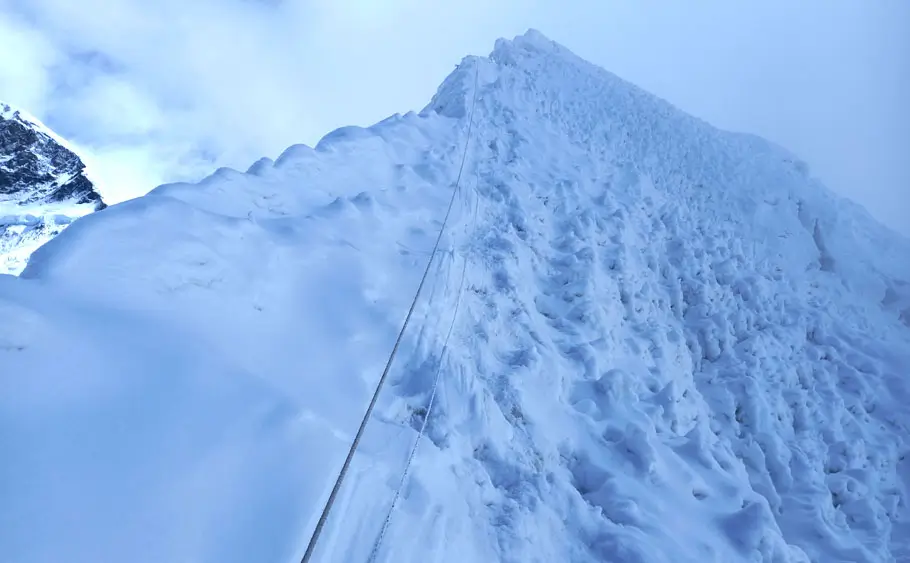
Located in the Everest region, the excursion to Island Peak promises you breathtaking views of Mount Everest, Lhotse, Makalu, and Cho Oyu as a reward. The excursion requires crossing glaciers and climbing walls of snow, making your climb more exciting and introducing you to the thrills of mountain climbs. Although it’s a beginner-friendly climb, it requires climbers to have basic mountaineering skills and a good level of physical endurance.
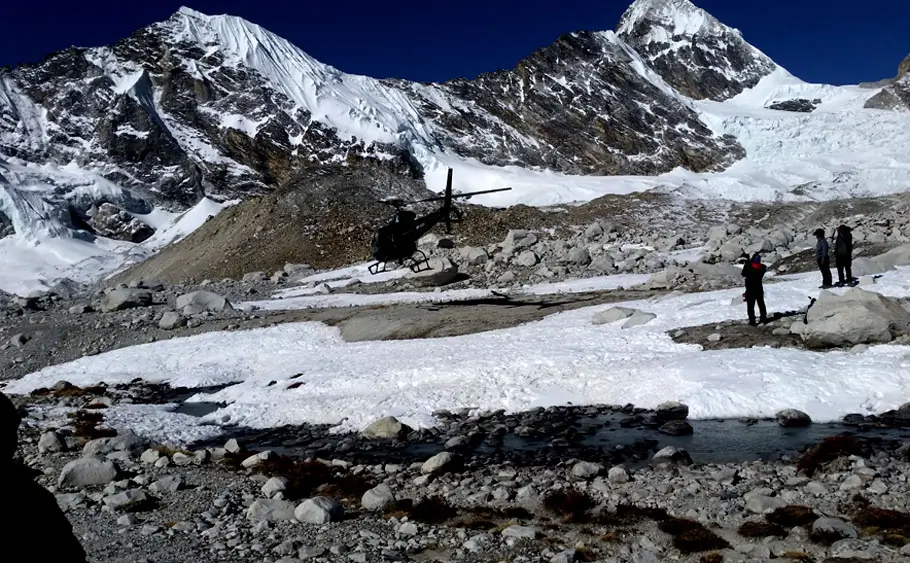
Mera Peak is one of the highest in the list, and being the highest one has its own perks, as it offers the most spectacular view in the Himalayas range. From the top, climbers can enjoy panoramic views of five of the world’s tallest mountains, including Everest, Kanchenjunga, Lhotse, Makalu, and Cho Oyu. The trail passes through beautiful villages of Sherpa, rhododendron forest, and rough terrains before reaching the summit. Due to challenging altitudes and weather conditions, this trek may require proper acclimatization and physical fitness.
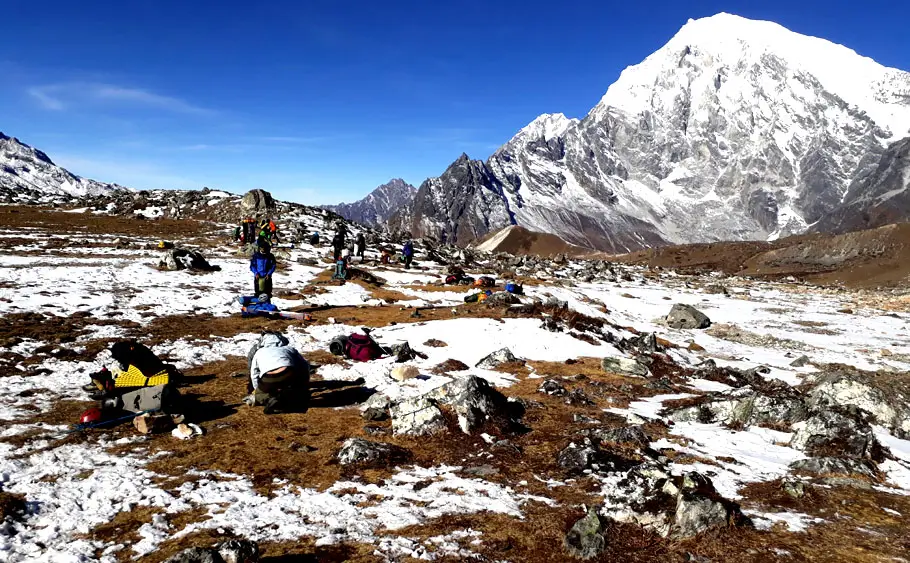
Yala Peak is one of the easiest peaks to climb in Nepal. It is located in the Langtang region and is an excellent choice for first-time climbers who want to experience climbing without technical challenges. At the top, you can get stunning views of the peaks in the region, one of the most popular being Langtang Lirung. The climb to Yala Peak goes through lush forests and traditional Tamang villages, offering cultural beauty in combination with natural beauty. The climb doesn’t need advanced physical fitness and gear, but basic climbing techniques might be handy.
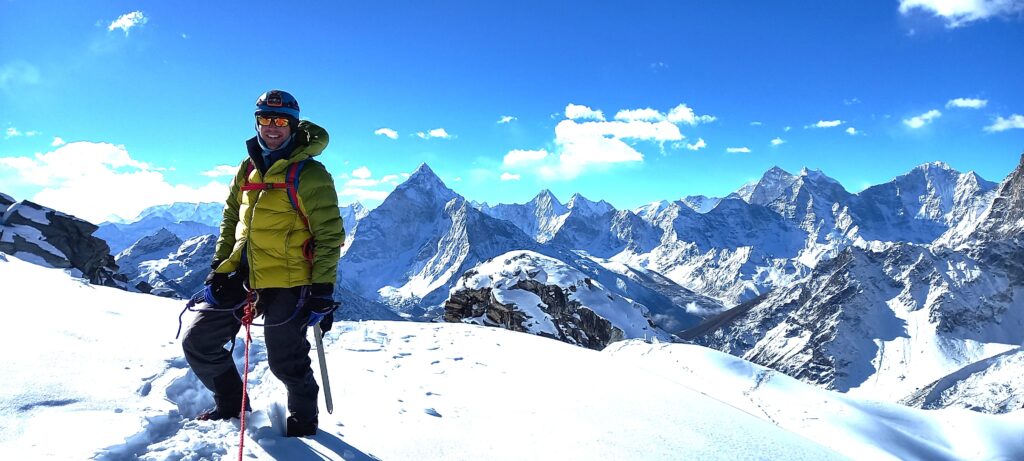
While comparing beginner-friendly options, Lobuche East is more challenging and offers amazing views of Everest and the surrounding This peak is located in the Everest region and has steep climbs that require ropes and crampons. The trek to Lobuche East passes through iconic landmarks like Namche Bazaar and Everest Base Camp trails. The climb is physically challenging but suitable for climbers looking to push themselves and get some experience in mountaineering.
With its unparalleled summits and exciting views of the Himalayan and Annapurna ranges, Nepal is an unmatched destination for peak climbers. Nepal offers climbers of all skill levels, from more accessible and easy climbs like Island Peak to more difficult ones like Ama Dablam. Its accessibility comes from a variety of routes, over 300 peaks officially open to climb: higher summits test its climbers, while accessible peaks under 6,500m (like Mera Peak) make excellent introductions.
Cultural immersion is an important part of the experience, as climbs often go through traditional Sherpa and Tamang villages and monasteries, offering Nepal’s vast heritage for climbers to experience. Local Sherpas not only help climbers in their journey but also help them navigate the local culture.
The appeal to Nepal is added by Nepal’s history of climbers: Sir Edmund Hillary and Tenzing Norgay’s 1953 Everest expedition that solidified Nepal’s place as a major climbing destination in the world. Island Peak and Lobuche East act as training grounds for aspirants; the nation is still a destination for adventurous tourists hoping to follow in the pioneers’ footsteps.
Nepal provides an established infrastructure for the mountaineers that makes expeditions easier and safer. A vast network of experienced local guides, porters, and climbing agencies helps climbers focus on the journey without worrying about the complex logistics of the journey. A great number of teahouses and lodges within trekking routes provides much-needed hot meals and warm accommodation even in remote areas of treks.
For climbers in search of adventure, culture, and history, Nepal’s Himalayas deliver an exciting journey.
Many of Nepal’s trekking peaks don’t need professional climbing experience, which is one of the reasons it’s such a popular destination for aspiring mountaineers. Lots of peaks, including Mera Peak, Island Peak, and Peak, are non-technical, as they don’t demand sophisticated climbing methods from their climbers. However, a successful summit requires a basic understanding of how to use mountaineering equipment.
But you don’t need to worry if you are new and don’t have experience with any gear; local guiding companies offer hands-on training before your ascent. These pre-climb session covers must have techniques such as rope handling, walking on ice, and using climbing equipment, which are must-haves for first-time climbers. With that, professional guidance and having a good level of physical fitness are critical, as these summits involve long hours of hiking in thin air and cold and extreme weather.
With the right support system, you can reach your summit objectives without prior mountaineering experience. A safe, easy, and peaceful trip will be guaranteed by certified guides, porters, and well-planned logistics (permits, food, and lodging).
Climbing a Himalayan peak in Nepal is more than just reaching the summit—it’s a full-fledged journey that starts with the trek to base camp. This trek is an essential part of the journey, leading you through remote mountain trails, traditional villages, and ever-changing landscapes. It’s not just a warm-up; it also plays an important role in helping your body adjust to higher altitudes in a gradual manner.
Acclimatization is important to avoiding altitude sickness, and most itineraries take it into account by adding rest days and short hikes to higher elevations before returning to sleep at lower altitudes. It is very important for your safety and performance during the climb. The summit push, which usually starts early in the morning, is the main focus after the acclimatization process’s success. You’ll be using gears to safely navigate to the summit through icy ridges and steep terrains. Post-summit, you’ll get down to a safer altitude to take rest before returning.
Throughout the journey you’ll be supervised by guides who have done this a number of times; they’re summiting responsible for fixing ropes and leading the way through challenging areas and making sure everything is being done taking safety into consideration, as safety is the biggest concern. In order to keep everyone safe on exposed or steep terrain, you will move in roped teams. Long, physically taxing days are to be expected, especially during summit attempts; however, the accomplishment of summiting and views of the highest peaks in the world make every step worth it.
Success and safety of peak climbing experience in Nepal depends on having the right equipment ready. To adapt to the rapid changing mountain weather, your wardrobe should be layered; you should start with thermal clothing that removes moisture and work your way up to insulating mid-layers like down jackets or fleece. Topping it off with a waterproof and windproof outer shell would keep you dry and warm at high altitudes.
For the climb itself, you’ll need appropriate mountaineering gear such as an ice axe, crampons, helmet, harness, and ropes. These tools are more important than ever for moving around on snowy trails and icy sections, more than ever in your summit push. You’ll also need trekking essentials like good trekking boots, insulated gloves, a reliable headlamp, and reusable water bottles or a hydration system for you to stay well-hydrated throughout the journey.
Carrying a basic first aid kit, altitude sickness medication, and occasionally an oxygen mask for higher elevations is a good idea when it comes to safety. Although it is best to bring your own equipment, many climbers choose to rent top-notch gear in Kathmandu or use local guiding services that include all required equipment in their packages. This makes being completely prepared for the journey ahead simpler and more economical, especially for novice climbers.
Climbing a peak in Nepal not only involves gear and training, it also needs compliance with regulations and local laws. Before your climb, you’ll need to obtain all the necessary climbing permits. Climbing permits are issued by the Nepal Mountaineering Association (NMA), and since many peaks fall on some conversation areas or national parks, entry permits for those places are also needed, depending on the region. These are important for legal and safe access to the mountain.
The cost of climbing permits in Nepal depends on several factors, including the peak’s elevation, difficulty level, and the season. For example, popular peaks like Island Peak and Mera Peak have different prices in spring and autumn compared to off-seasons; prices also increase if you are in conservative areas or national parks, as you’ll be paying for more permits. It’s important that you budget accordingly, importantly if you are climbing more than one peak or entering multiple protected areas.
Nepal also mandates the presence of a certified guide or Sherpa for all peak climbing expeditions. This isn’t just a rule—it’s a safety measure. These experienced professionals provide guidance, manage logistics, and respond effectively to emergencies. Following established safety protocols, such as using proper gear, acclimatizing well, and respecting mountain conditions, is important for a successful and secure climb. With the right permits, planning, and guidance, your peak climbing journey in Nepal will be both legal and life-changing.
For your peak climbing adventure in Nepal to be successful and enjoyable, preparation is key. You should start with your physical training at least a few months before. In your exercise routine you’ll need to add strength training for your legs and core, while most of your focus should be on increasing your cardiovascular fitness through swimming, cycling, or running. Backpacking strength hikes will replicate the rigors of trekking and summit days, particularly at higher elevations if possible.
Your state of mind is just as important. As much as it can be demanding on the body, climbing at high elevations can be mentally challenging. You can be safe and motivated by keeping a positive attitude, identifying the symptoms of altitude sickness, and being aware of your own limitations. In addition to that, using visualization exercises and mindfulness can help you be mentally strong and motivated during challenging moments.
It is strongly advised to get some trekking experience in a similar area with similar elevation before attempting a climb. These hikes help in adapting you to the daily hiking schedule, altitude, and terrain. Additionally, learning the basics of climbing techniques, like how to use ropes, harnesses, and crampons, as well as ice axes, will increase your competence and confidence when the time comes for the actual climb. To make it easier for new climbers to
In Nepal, spring (March–May) and fall (September–November) are the best times of year for peak climbing. The skies are clear, the weather is generally stable, and the views of the mountains are breathtaking during these months. Both seasons are ideal for a safe and picture-perfect climb: spring brings warmer temperatures and blooming rhododendrons along the trekking trails, while autumn brings crisp air and breathtaking post-monsoon visibility.
The monsoon season, which runs from June to August, is the worst time to go climbing because of the risk of landslides, slick trails, and low visibility caused by heavy rains. Only experienced climbers with prior high-altitude experience and technical skills should attempt the winter months of December through February, as they offer pristine snow-covered landscapes and quieter conditions. For most adventurers, sticking to the spring or autumn windows ensures the best chance of success and safety.
Climbing your first Himalayan peak in Nepal is a journey through some of the most incredible scenery and active mountain cultures on earth, more than just an adventure. Whether or not you want beginner-friendly peaks or difficult ones, Nepal gives you a place to push yourself in a secure and enabling way.
A lifelong commitment to the mountains may begin with your first summit, provided you have the proper preparation, training, and attitude. The experience is really unforgettable and completely accessible, from hiking through remote valleys to standing atop a snow-capped peak as the sun rises over the Himalayas.
So if you’ve been dreaming about climbing in the Himalayas, this might be your sign. Lace up your boots, start training, and begin planning your first peak climbing in Nepal. The mountains are calling.