Latest Posts

Talk to Trip Expert
+977 9704823980 (Whatsapp)


Talk to Trip Expert
+977 9704823980 (Whatsapp)There are various places to visit in Nepal. Nepal has long been the destination for adventure seekers and nature lovers. From trekking to the Everest Base Camp to navigating the gushing waters of Trishuli, there is something for everyone. From many activities, it’s a dream destination for outdoor lovers and a haven for those who enjoy cultural exchange.
Located in northeast Asia, Nepal is known as the land of the Himalayas, along with many other names, but that is not the only thing you should be looking forward to. In addition to trekking the amazing Himalayan highlands, you can indulge in ziplining across forests, rafting in swift white waters, canyoning, jungle safari, bungee jumping, paragliding, and more. These activities are more than just fun; they participate actively in a natural setting.
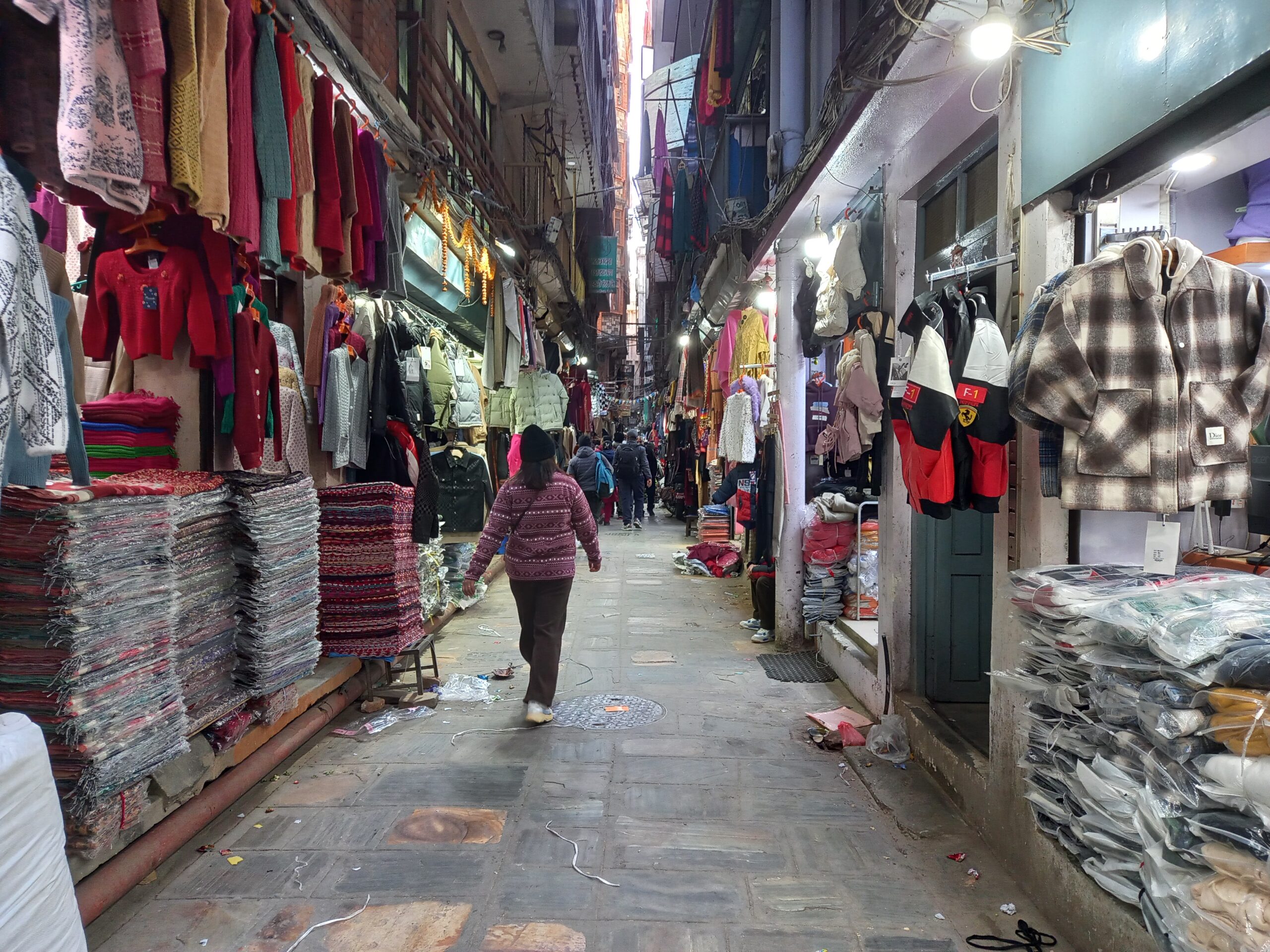
Exploring Nepal’s ancient palaces and temples is another enjoyable activity. Kathmandu, the capital, is renowned for its historical significance and rich heritage, thanks to its numerous historic sites. Yet, the Kathmandu Valley isn’t the sole destination for ancient monuments. To delve into the past, you can also visit Lalitpur, Patan, Lumbini, Gorkha, and the highland stupas and gompas.
In this blog, we will explore more than 10 beautiful places in Nepal that are beautiful.
Nepal offers so much experience, not only in its natural setting but also on a cultural level. There are 125 ethnic groups in Nepal, each with its own culture and practices; however, some are similar to others because they are closely related.
In addition, most people are drawn to Nepal for its stunning landscape and unforgettable scenery. The hills and the Himalayas’ scenes are popular worldwide, thanks to the giant Mt. Everest, which has undoubtedly helped popularize the country. Apart from the hills and mountains, the rivers, the pristine blue lakes, the deep valleys, the moraines, the dark caves, and many natural settings are worth a visit.
The natural settings also offer a peaceful escape from your daily metropolis life. The villages and cities incorporating the surrounding nature make up for a relaxing stay. Getting a relaxing time after an exciting adventure time is one of the best experiences in the world.
Adventure activities like white-water rafting, ultralight flight, bungee jumping, canyoning, mountain biking, etc., are all over the country. You can choose what fits you the best, and it’s also not as pricey as in the West.
Your time in the Kathmandu Valley is all about exploring ancient historic sites like Swayambhunath, Bouddhnath, Pashupatinath, Patan Durbar Square, the 55-window palace, etc. These sites are historic and stunning to look at, as they were designed hundreds of years ago, and the architecture is simply amazing.
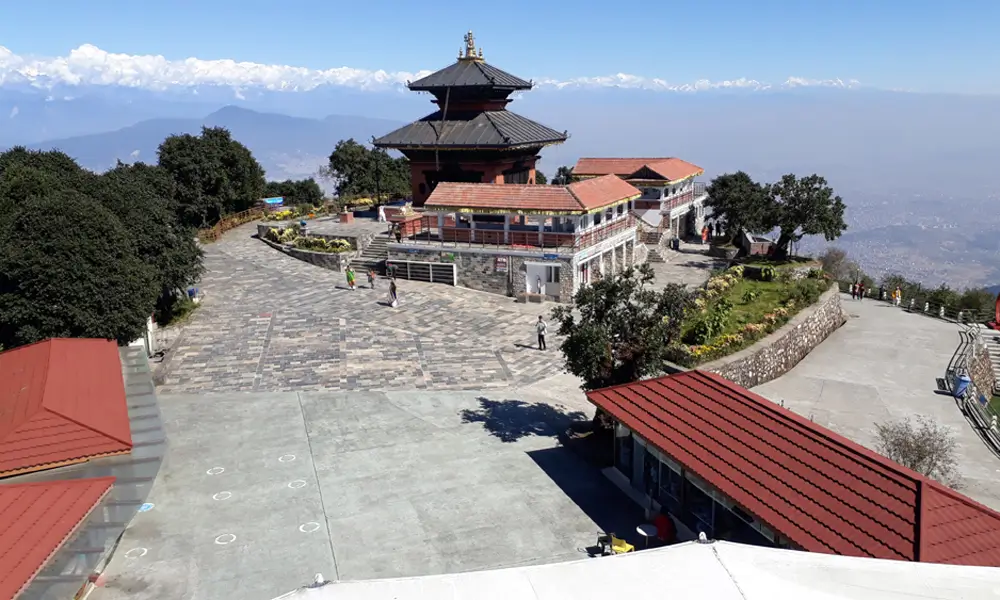
The valley hosts many festivities and cultural practices all year round. If you are there at just the right time, you might encounter a vibrant festive mood in the streets of Kathmandu. The locals celebrate festivals like Indra Jatra, Ghode Jatra, Maha Shivaratri, Lhosar, and Bisak Jatra grandly.
The best thing about Kathmandu is the mix of cultures, as being the capital attracts people from every corner of the country. However, the main cultures you will experience are Newari and Tamang. There is no dominance of one culture over another; it’s just that there are more Newari and Tamang communities in Kathmandu.
Pokhara is the tourism hub of the country, and for all the good reasons. If there is a city you must visit while you are in Nepal, it is undoubtedly Pokhara. The calming water of Phewa Lake reflecting the hills and Annapurna Himalayas is something out of a fairytale. In addition to the natural treat, you can also indulge in adventure activities like paragliding, bungee jumping, paragliding, cave exploring, and more.
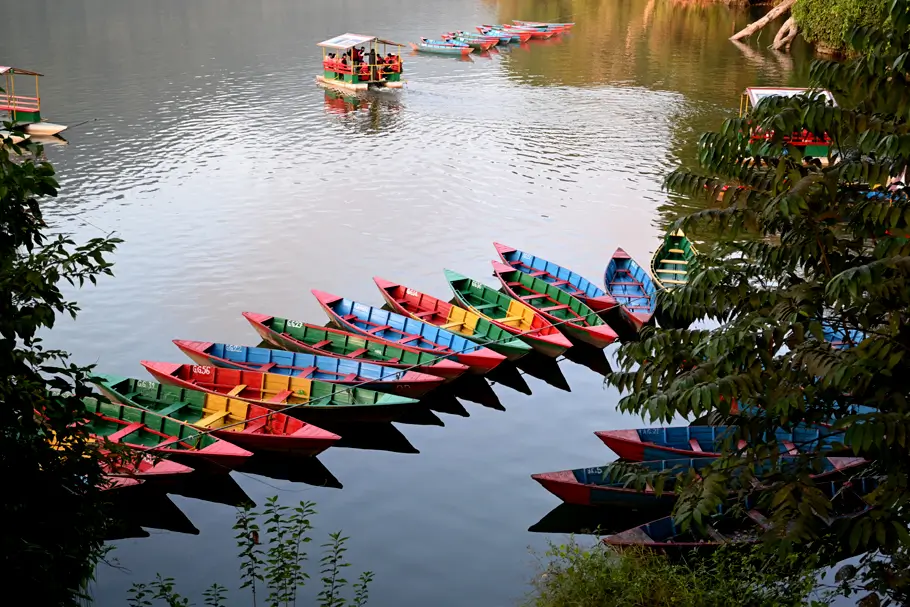
The city is also known for peaceful retreats; destinations like the World Peace Pagoda, the Begnas Lake, the Rupa Lake, etc., are the most popular peace retreat places. Along with being a popular retreat center, the World Peace Stupa is also one of the major viewpoints of Pokhara. The other viewpoints include Sarangkot, Kahun Danda, Pumdikot Shiva Statue, Kristy Danda, etc. Sarangkot is also a great sunrise viewpoint; however, it is often crowded with people so that you can opt for Kahun Danda instead.
 6 Days
 Easy
EasyChitwan is the wild side of Nepal; this tropical jungle is home to many wild animals, including Bengal tigers, rhinos, elephants, deer, gaurs, sloth bears, etc. The national park is famous for its jungle safari, elephant safari, elephant bath, bird watching, and more. It’s more exciting than it sounds on paper. You can even go on a jungle safari walk on your bare feet!
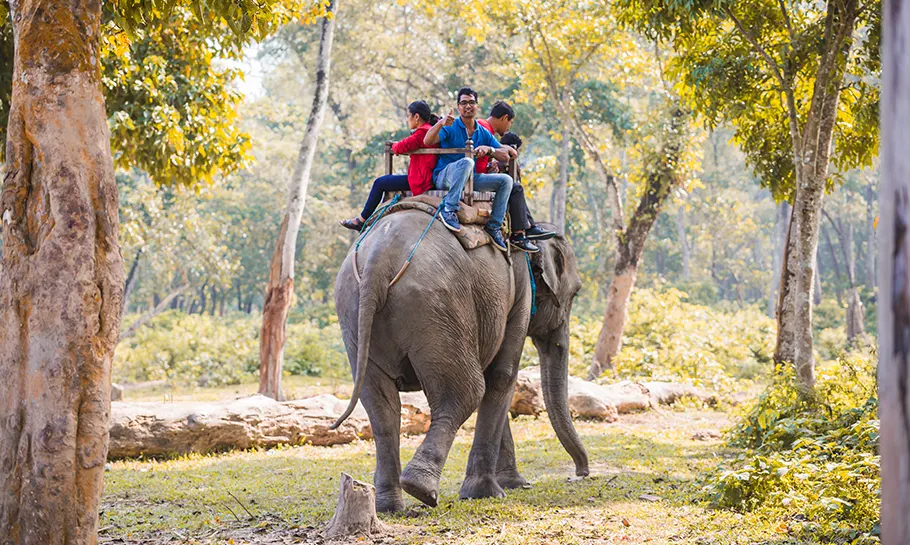
After the safari, you can go for a peaceful birdwatching session on a canoe along the Rapti River. Exotic birds like the Oriental pied hornbill, kingfisher, river lapwing, little ringed plover, and lesser adjutant can be seen all along the riverbank. Beyond nature, the Tharu culture is yet another attraction of the region. Traditional performances are held daily to introduce visitors to the culture of the locals.
For a sustainable visit, choose ecotourism options as they help conserve wildlife.
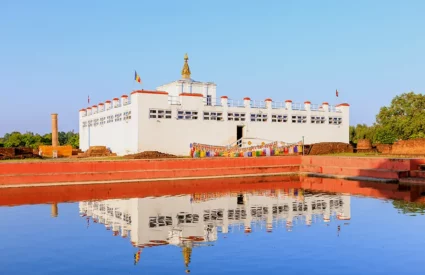
Lumbini is one of Nepal’s most visited religious sites, which is an obvious event, as it is the birthplace of the great Lord Buddha. You can visit the Maya Devi Temple, which is the exact birthplace of Buddha, under a Peepal tree (sacred fig tree). The site is vast and has a lot of interesting sites to see. For instance, monasteries are built in the architectural styles of different Asian countries such as Myanmar, Thailand, China, Sri Lanka, and Cambodia, among others.
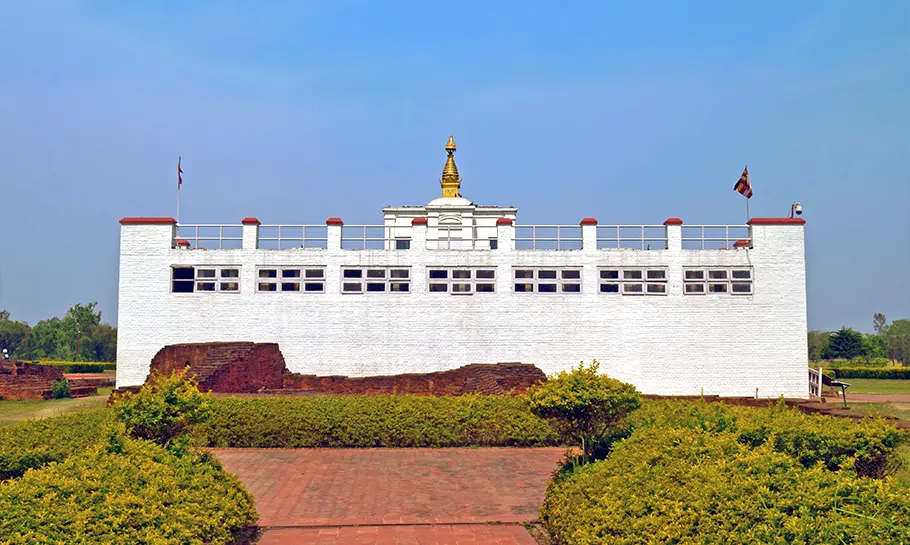
The different architectural styles make it a fascinating site. They are works of art with the same agenda but different approaches. One can also participate in public meditation retreats based on Buddhism and yoga teachings. This is a great activity for releasing stress and engaging peacefully.
The best time to visit Lumbini is during the Buddha Jayanti (birthday of the Buddha). This occasion falls in April/May of the English calendar.
 5 Days Easy
The Everest Base Camp trek is the most popular trekking adventure in Nepal. The trek begins with a flight to Lukla, which is the main gateway to the Khumbu region and passes through the lively town of Namche Bazaar. On the way, you will get to see some amazing Himalayan scenes and visit the Tengboche monastery for a spiritual experience. The monastery is over 100 years old and currently houses over 60 monks.
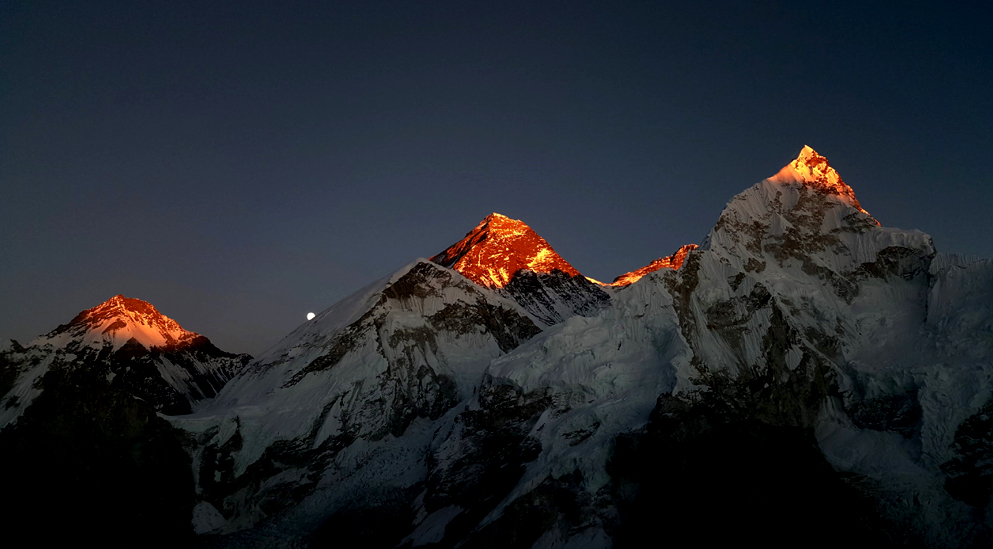
Ultimately, you will reach the Everest Base Camp, which is an amazing feat to achieve, and you will be rewarded with an up-close view of Everest from Kala Patthar. There are many viewpoints along the way, but Kala Patthar is regarded as the best, as it is the closest to Everest.
Remember that maintaining a safe pace is the key to a great Himalayan adventure. If you rush to reach a higher altitude, you might suffer from altitude sickness, which should not be taken lightly. To properly acclimate to the altitude, you should take a few days of rest during the trek.

Rara is the largest lake in Nepal and is known for its pristine blue water. The lake is surrounded by greenery, and great white peaks rise in the north, making it a photogenic location, to say the least. This scenic destination is perfect for those who want to experience camping and birdwatching. We bet you will also have a long photography session.
Another great thing about visiting Rara is the lack of huge crowds; the destination is far from the country’s main centers, resulting in travelers often neglecting the destination. This means that it is an intimate visit, a place made for those seeking solitude.
You can either go on a ride to Rara or experience a one-of-a-kind trek in the wild. The trek starts from Jumla and undergoes a lot of off-the-beaten-path.
Bandipur is simply an exquisite place to visit that is full of authentic Newari buildings. These works of art are very appealing and detailed; you can see the detail in their woodwork, unlike anything you will find elsewhere. Walking through the bazaar, you will feel like you have arrived at a different era of Nepalese history; the town still emits the vibe of the old days when houses were predominantly made of woodworking.
The town also has Siddha Cave, Nepal’s largest cave system. Since it’s vast, you can explore the cave for hours on end, but be sure to take along a guide, as you might get lost within.
The town also features a viewpoint known as Tundikhel, often associated with sunrise views. At times, the viewpoint offers an above-cloud experience as the mist below makes it seem like you are somewhere above the actual cloud.
To get the best out of your time, you can plan to visit the town during the Newari festive season.
Mustang is similar to the Grand Canyon in terms of its arid landscape, which differs vastly from the green hills you see in Nepal. The dry landscape of Mustang offers a Tibet-like experience and the culture there is mostly influenced by Tibetan Buddhism. The best experience in the region is visiting the walled kingdom of Lo Manthang.
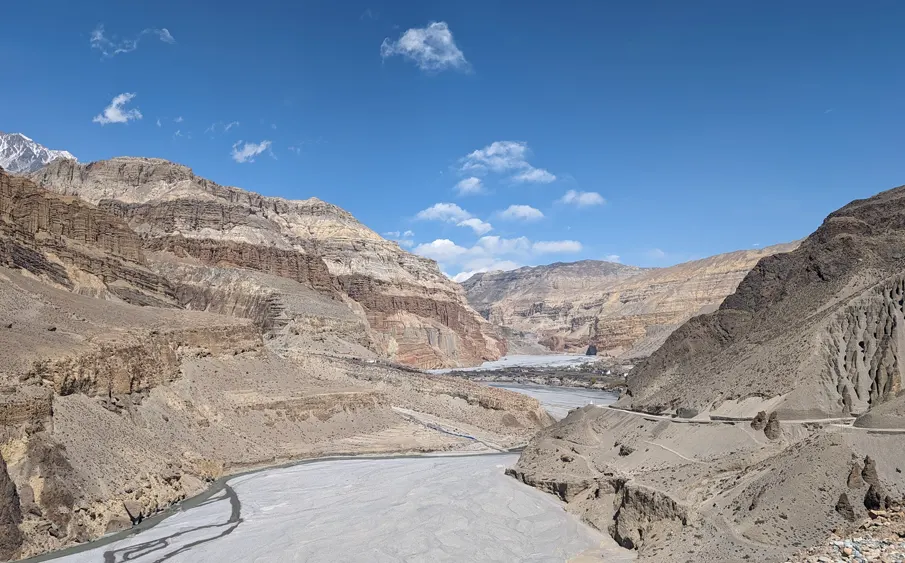
Visiting Mustang requires obtaining a permit first; you must have an ACA (Annapurna Conservation Area) permit and an Upper Mustang trek permit to legally visit the region. The proceedings from the permit fees are invested in the development of the remote villages.
The Himalayan region does not have as many festivals as the hills do. However, if you want to experience one, you can visit Mustang during the Tiji festival, which occurs in May.
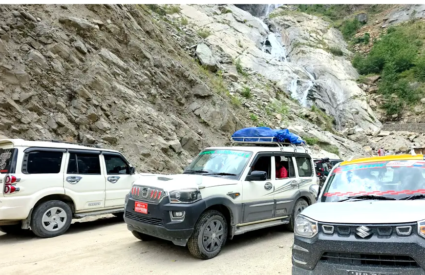
A neighboring city of Kathmandu, Bhaktapur, is also full of historical sites to visit. Besides the historical sites, the city is famous for its pottery, which is based on traditional practices. The teachings have been handed down through generations and are still in practice. You can visit one of the traditional pottery venues and take a look at the ancient way of craftsmanship.
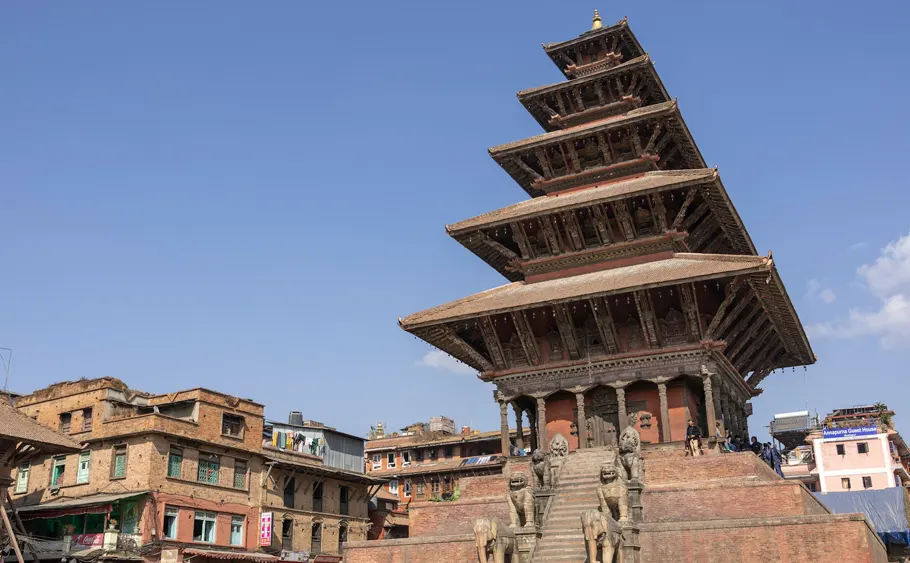
The city is home to the tallest pagoda in Nepal, the Naytapola Temple. You may also visit the Bhaktapur Durbar Square to dive into the traditional architecture of ancient Nepal. While in Bhaktapur, you must try Juju Dhau at least once; the local delicacy translates to King Yogurt.
You can also try it in Kathmandu, but people claim it is better in Bhaktapur.
The Annapurna region is Nepal’s most visited trekking region, next to the Everest region. Annapurna Circuit Trek takes you up to the highest trekking pass, the Cho La Pass, which reaches an astounding 5,420 meters (17,782 ft) altitude. You will pass through villages like Manang, Marpha, Chame, Yak Kharka, and other highland villages.
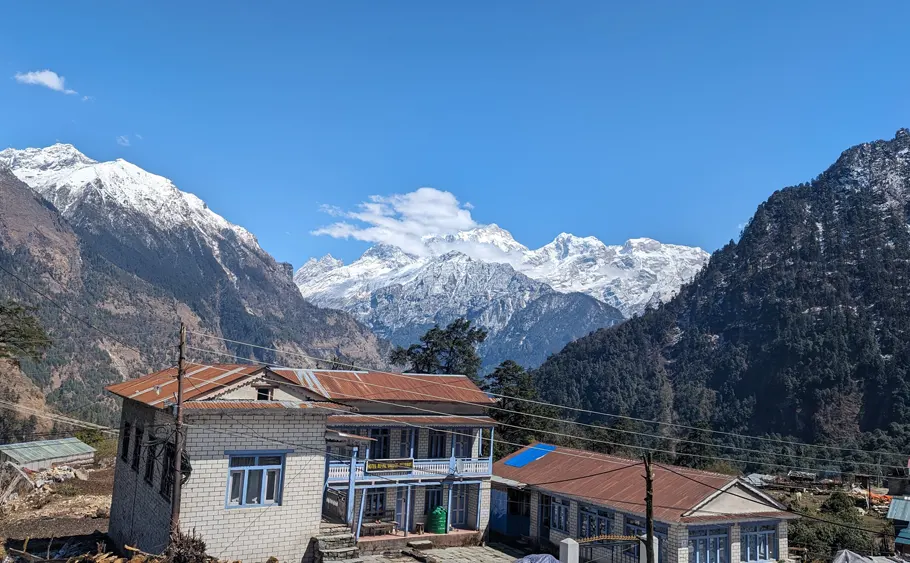
During the trek, you will also visit Tilicho Lake, the highest lake in Nepal. The lake’s lake is untouched, and since it is also considered a holy lake, its surroundings of the lake and the water’s cleanliness are taken good care of.
The weather in the Himalayan region is highly unpredictable, so you should pack appropriate clothing for most weather conditions. For instance, it can rain or snow suddenly, requiring a rainproof covering or an extra jacket to combat the cold.
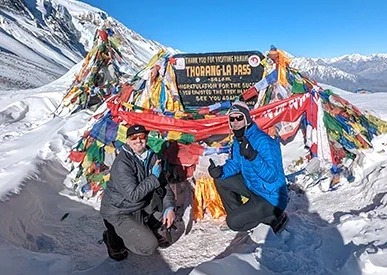
Nepal has four main seasons to explore different places to visit in Nepal: summer, autumn, winter, and spring. Its weather patterns are similar to those of the northern hemisphere.
The summer season is one of the great options for visiting Nepal. Although it is a bit too warm in the hilly and plain regions, the Himalayan region turns tolerable, and the views are also clear. However, it tends to rain often in the summer.
Autumn is one of the two best seasons to visit Nepal. This season is particularly preferred because it is partially dry and lacks rainfall. Traveling to Nepal in autumn is a great time to trek and indulge in the country’s other adventure activities.
Next up is winter. This season is not particularly liked by travelers as it can get gloomy, and the adventure vibe is just not there. The coldness in the air turns off the atmosphere, and the views are not that great with hazy air. However, some trekkers go on Himalayan treks during the heavy snowfall season for extra difficulty.
Lastly, spring is among the best seasons for traveling to Nepal. While waiting for your visa at the airport, you will notice many visitors. Spring is the main traveling season in Nepal, and it hosts several major cultural festivals.
Charming hills and peaks are some of the best places to visit in Nepal on the planet. The rich cultural diversity and the adventurous profile of the wilderness are just the things you need for an extraordinary vacation. If you are looking forward to an exciting time off, you must consider visiting this unreal land to make memories that will last a lifetime. It’s your time to plan a trip to Nepal and experience an adventure of a lifetime!
Spring (March-May) and Autumn (September-November) are considered the best times to visit Nepal due to their ideal weather and temperature and explore different places to visit in Nepal. These months offer the ideal conditions for trekking, sightseeing, and other activities.
If you intend to trek the Himalayas, you must have permits. Permits are available for different trekking destinations, costing between $20 and $30. Permits are required to visit the Upper Mustang region, the Everest region, the Annapurna region, and Rara Lake.
Yes, Nepal is among the safest countries for solo travel. The majority of the locals welcome visitors and treat them wholeheartedly. However, you must be cautious in a public setting and handle your valuables carefully.
Depending on your destination, you may need to pack various items, but in general, you must include trekking boots, microspikes, a minimum of three layers of clothing, and, most importantly, altitude sickness pills.