Latest Posts

Talk to Trip Expert
+977 9704823980 (Whatsapp)


Talk to Trip Expert
+977 9704823980 (Whatsapp)Nepal has made a historic revision in its trekking policy. The Department of Immigration has officially announced on March 23, 2026 that solo foreign trekkers can now visit restricted trekking areas. It is a decision that has been long awaited, as the much needed changes to the previous scenario of being in a group and opens up a few of the most remote and culturally diverse Himalayan regions to the independent traveling community. Although the policy provides greater freedom, it is safe because it allows appropriate regulations, which make trekking accessible and secure.
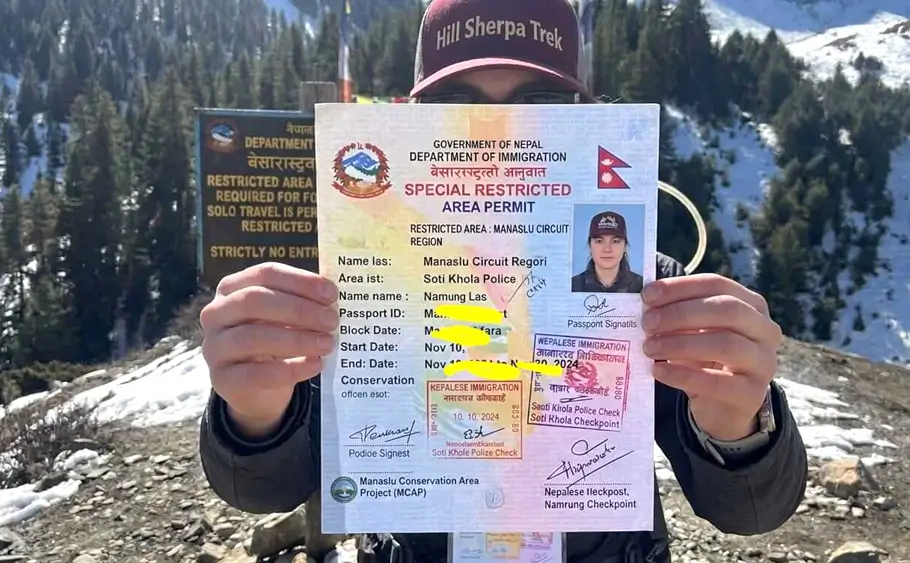
Before 2026, it was not allowed to engage in solo trekking in restricted regions. Trekker was not allowed to enter the restricted area unless he was in a group of two persons and this complicated the travel arrangements of the individuals. Most of the solo travelers were forced to wait and join a group or rather change the destination entirely. Under the new policy, such limitations are no longer an issue, and solo trekkers can legally access such areas. The change leads to a higher flexibility and autonomy which makes Nepal more appealing to the modern day traveler who prefers to experience things his or her own way.
The new rule has relegated the trekking in restricted areas as so easy and convenient. In the past, it used to be necessary to find another traveller, align times, and overcome delays in order to organize a trek. Solo travelers can now enjoy planning the trip without all these problems. Registered agencies simplify the permit process and general travel arrangements are easier. This is a hassle free method that enables trekkers to enjoy their trip and not come up with the complex logistics.
Although nowadays solo trekking is permitted, the services of a licensed guide are required in restricted zones. This regulation is necessary to provide the safety in distant and inaccessible areas where it may be hard to navigate and risks are more severe. A guide is a good asset as he /she assists in directions, and also offer cultural understanding along with communicating with the local people. Guides are also trained on how to react to emergencies like altitude sickness or a change in weather within short periods to organize a rescue in case of need. This implies that you will be on your own, but you are not alone because you have professional support during your trek.
The new system requires trekkers to still be guided by trekker regulations. No independent permits are given and they should be organized with a government registered trekking agent. Each trekker has to be accompanied by a licensed guide, and the agency should take care of the logistics, accommodation, and emergency support. Also, each guide is allowed to work with a maximum of seven trekkers ensuring that they are adequately supervised. These regulations are meant to keep the safety and regulate tourism in the sensitive areas, while giving more freedom to the travelers.
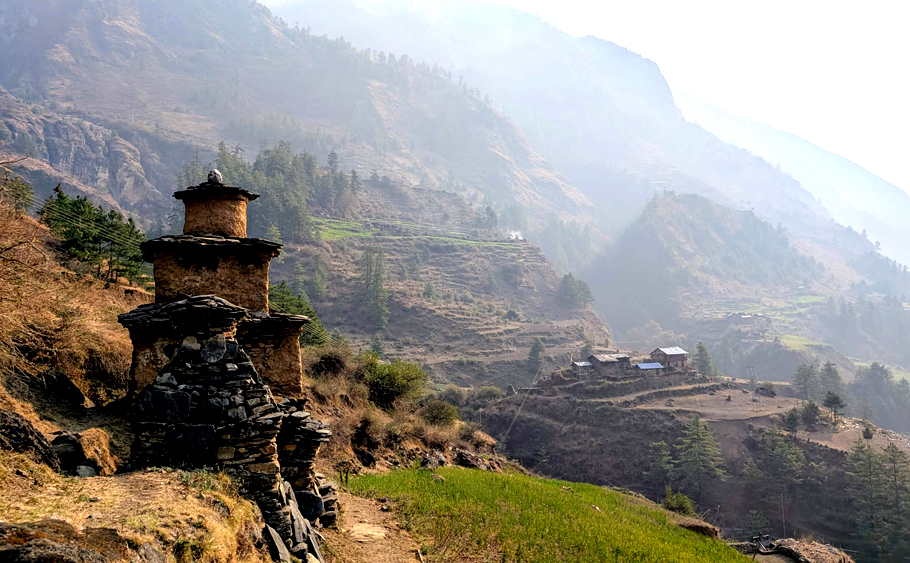
In Nepal, restricted areas are special areas that are safeguarded because of their cultural, environmental, and geographical significance. The majority of them are along the northern border and are heavily influenced by Tibetan culture. They have pristine landscapes, rural villages and poor infrastructure. Their sensitivity and sensitivity makes the government restrict access by special permits. Tourism to these regions provides the unique experience of life in the Himalayas that has not changed over the centuries.
This is because one of the best known restricted trekking zones in Nepal is the Upper Mustang, the so-called Last Forbidden Kingdom. The terrain here is that of a desert and this is quite different from the green hills found in the rest of Nepal. It is also a very historical and cultural area, which includes ancient monasteries, cave homes and the historic walled city of Lo Manthang. The trekking in Upper Mustang provides the glimpse of the preserved Tibetan world and a rare Himalayan setting.
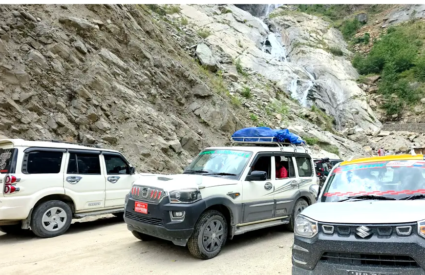
One of the most secluded and isolated areas in Nepal is Dolpa, which gives a real wilderness experience. It is also renowned for the beautiful Shey Phoksundo Lake which has deep blue water and extraordinary landscapes. It is also the home to the ancient Bon culture and is located in the Shey Phoksundo National Park, where endangered wildlife and untouched nature can be found. The walking here is best when one wants to get away and bond with nature.
The Manaslu region has the best combination of nature and culture. It is a less active alternative to more congested trekking trails and offers some amazing views of Mount Manaslu which is the eighth highest mountain in the world. The paths go through traditional villages, monasteries and quiet valleys. Specifically, Tsum Valley has a spiritual ambience and strong influence of the Tibetan culture and makes it a distinct and valuable trekking destination.
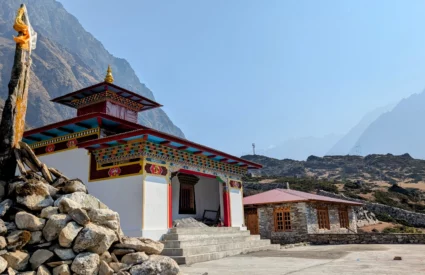
Nar Phu Valley is a place of secrets, which provides the true Himalayan experience. It is situated in an isolated area of the Annapurna region, with ancient villages, dramatic scenery and mountain passes. Modern development has left the area almost undeveloped and the trekkers have an opportunity to experience the traditional ways of life and culture. It is a great place to be when one wants to have a less complicated trekking path that is not so congested.
 12 Days
 Moderate
To facilitate the new policy, the Department of Immigration has come up with a digital permit system. This is a new strategy that enables the trekkers to make their applications online which saves time and less paperwork. The permits may be applied for in advance or in Nepal by way of a visa number. The system enhances efficiency and coordination between trekkers and agencies becomes very easy, which makes the experience overall smoother.
In confined trekking destinations, safety is a paramount consideration. They are remote and isolated areas, lacking access to medical services and traversed by rugged terrain. The weather is subject to rapid changes, and the most frequent danger is altitude sickness. The government needs licensed guides, planning, and emergency support mechanisms to be in place in order to be safe. The role of trekking agencies is to follow the trail and to help, so that the trekkers reach their goal and stay safe.
The new policy will have numerous benefits for the travelers and Nepal. Individual mountaineers are now free to choose to wander on their own, yet still get professional guidance. They have access to less congested areas, get to experience different cultures and can get closer to nature. In the case of Nepal, the policy assists in increasing tourism, providing employment to the local people and enhancing sustainable development in the isolated communities.
Despite the ability to do solo trekking, trekking agencies are still needed. Firms such as the Hill Sherpa Trek & Expedition Company are offering full assistance to the trekkers. They deal with permits, booking guides, accommodation and transportation, and safety during the travel. Their experience renders hiking in isolated places more coordinated, solid, and fun.
The 2026 policy which permits solo trekking in the restricted zones is a giant leap towards the Nepal tourism sector. Solo travel has never been done before, but currently it is permitted under appropriate guidance and precautionary protocol. This shift is the ideal balance as far as independence and security are concerned making Nepal an even more appealing tourist destination to adventure seekers. Solo trekking in Nepal has turned out to be a real experience with easy accessibility, better systems, and breathtaking sceneries.