Latest Posts

Talk to Trip Expert
+977 9704823980 (Whatsapp)


Talk to Trip Expert
+977 9704823980 (Whatsapp)Imagine standing at the base of the world’s highest peak. Everest Base Camp, where every view is a panorama and every breath you take is a story of endurance and unexpected mountain beauty. This is the allure of Everest Base Camp, a dream for many trekkers worldwide. Your Everest Base Camp path can significantly influence your experiences, the landscapes you will traverse, and the memories you will cherish forever. This guide is designed to help you navigate how to choose the Right Everest Base Camp Trek Route in Nepal. providing detailed insights to ensure you pick the best route suited to your adventure spirit and fitness level to Everest Base Camp.
Everest Base Camp Trek is a destination and a journey of multiple routes, each offering distinct experiences. From the well-trodden paths to lesser-known trails, each has its unique characteristics:
Choosing the correct route is essential, as it impacts not only the physical demands of the trek but also the overall experience. You’ll delve deeper into what each route offers Everest Base Camp Trek Route Analysis.
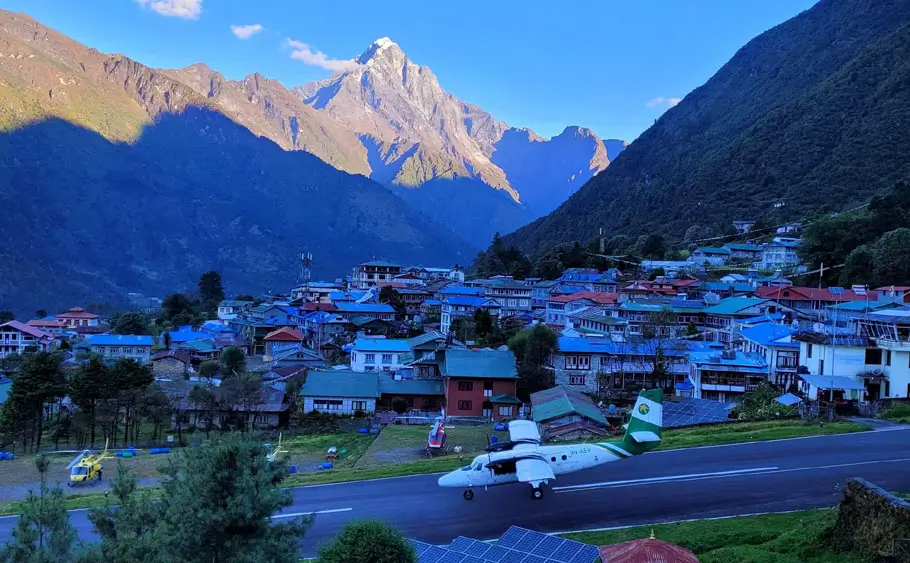
This route, which starts with a flight to Lukla, is the most popular among trekkers due to its well-developed trails and amenities. As you move through picturesque villages and monasteries like Namche Bazaar and Tengboche, you are introduced to the heart of Sherpa culture. The trail offers spectacular views of Everest and its surrounding peaks, culminating at Kala Patthar, the best viewpoint for Everest itself. This route is recommended for those who want a taste of high-altitude trekking without venturing too far off the beaten path.
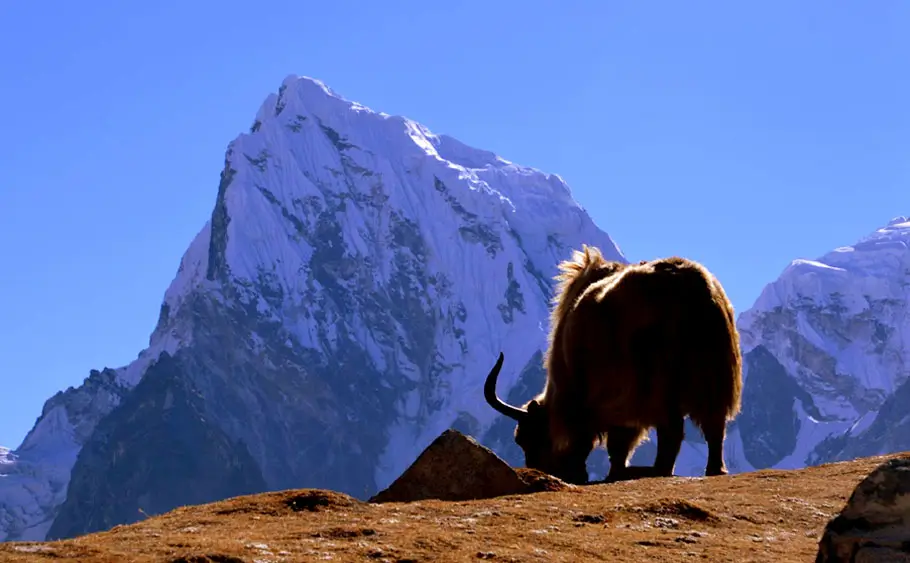
The Gokyo Lakes trek, branching off the classic route, offers a more tranquil experience. The highlight is the series of five emerald Gokyo Lakes and the climb to Gokyo Ri, which provides one of the most stunning panoramas of Everest. The route also involves crossing the Cho La Pass to merge with the Classic EBC trail. It’s a less-trodden path with breathtaking scenic views and ample opportunities for wildlife sightings.
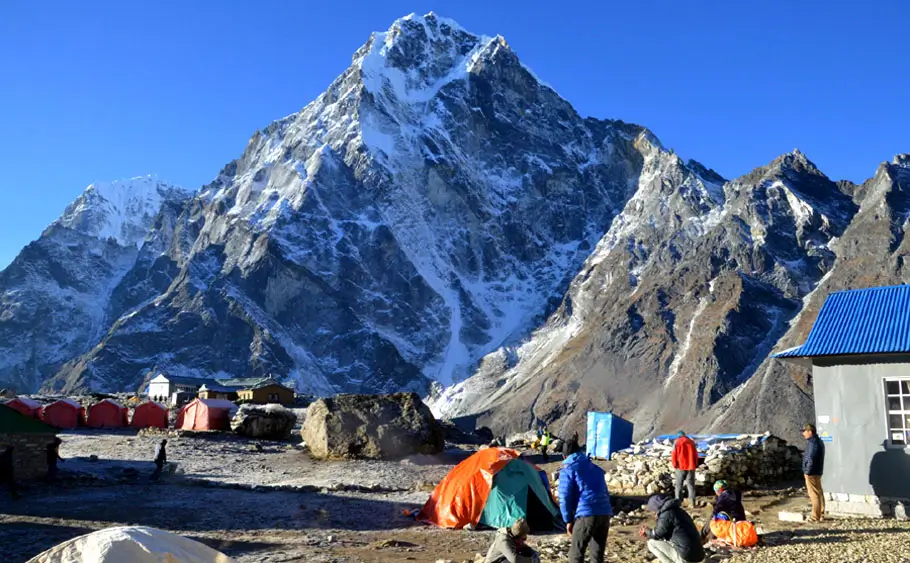
This is the most comprehensive and challenging trek in the Everest region. It covers three high passes—Kongma La, Cho La, and Renjo La—not included in most other treks. The trek also combines the routes to Gokyo Lakes, Everest Base Camp, and the additional passes. Thus, it offers a complete experience of Everest National Park, including its remote and untouched areas. This route suits those seeking the ultimate trekking challenge and has ample time to acclimate to the high altitude.
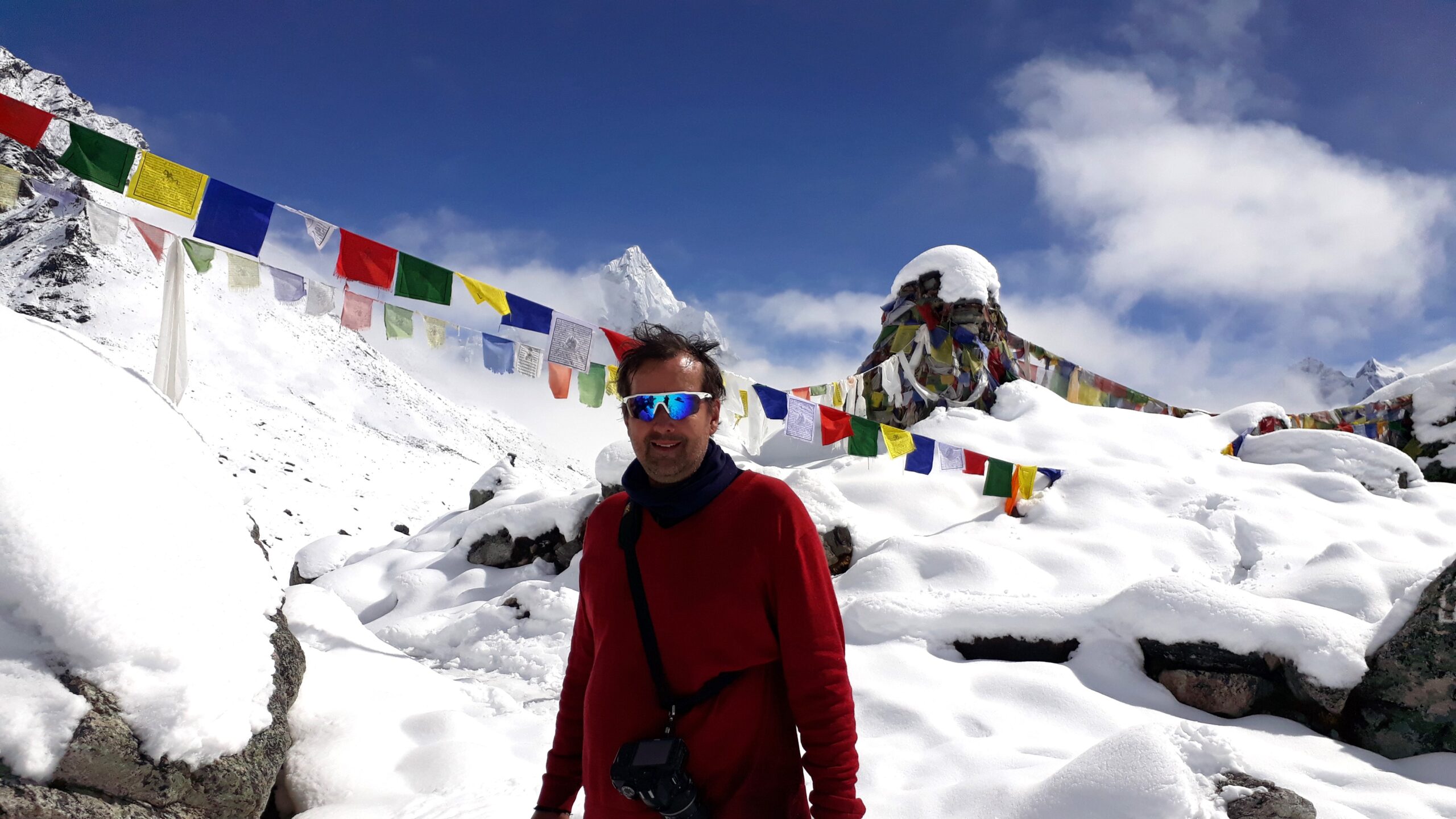
The historical route taken by the early expeditions to Everest, starting from Jiri, involves a longer trek that allows for gradual acclimatization. It passes through diverse landscapes and provides a deep dive into the local culture far removed from the more commercial trekking routes. This path is less crowded and offers a more authentic trekking experience but it requires more time and endurance.
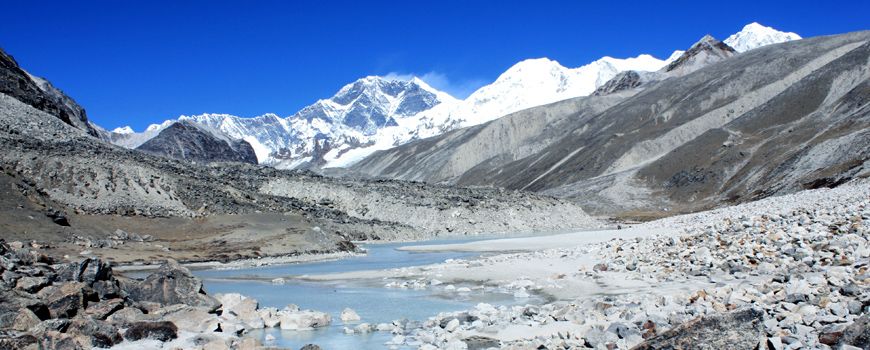
Starting from the lush, less-traveled Arun Valley, this route is rich in biodiversity and cultural experiences. It’s one of the less developed paths with fewer amenities, perfect for adventurers exploring remote areas. The route merges with the standard trail at higher elevations, providing a unique combination of solitude and popular trekking experiences.
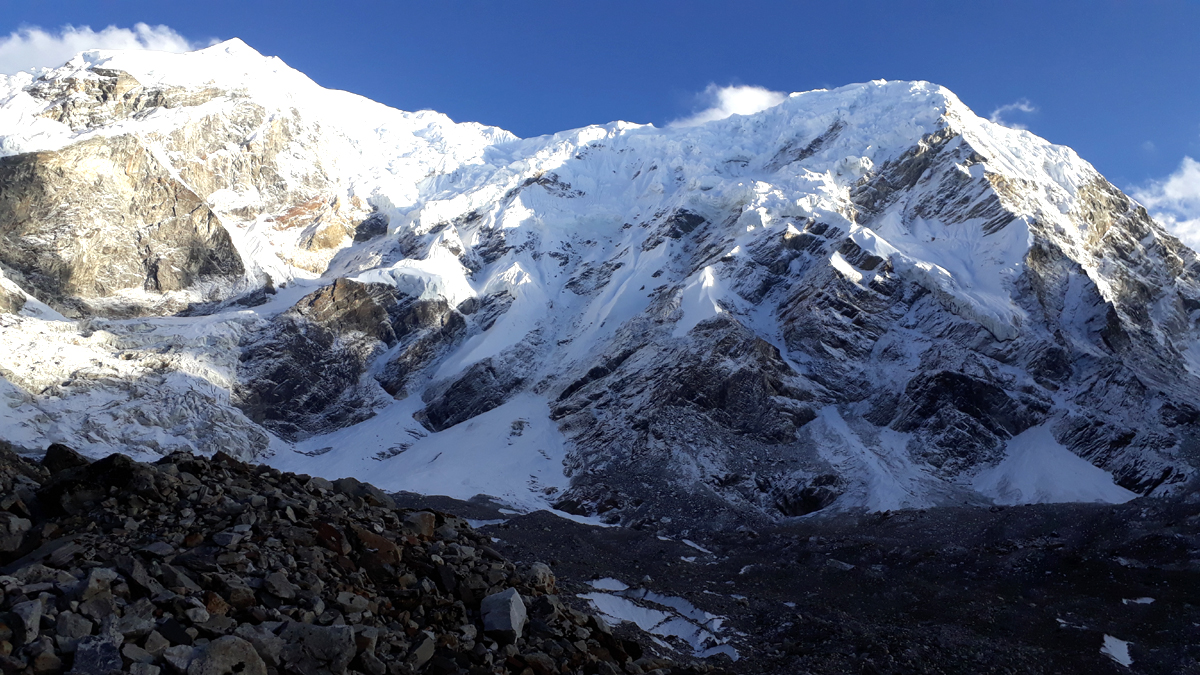
The Rolwaling Region is an adventure through some of Nepal’s most isolated areas. It involves challenging climbs, such as the Tashi Lapcha Pass. This route is recommended for those with previous high-altitude trekking experience looking for less-traveled paths. It requires excellent physical condition and determination but offers rewards through stunning landscapes and a sense of accomplishment.
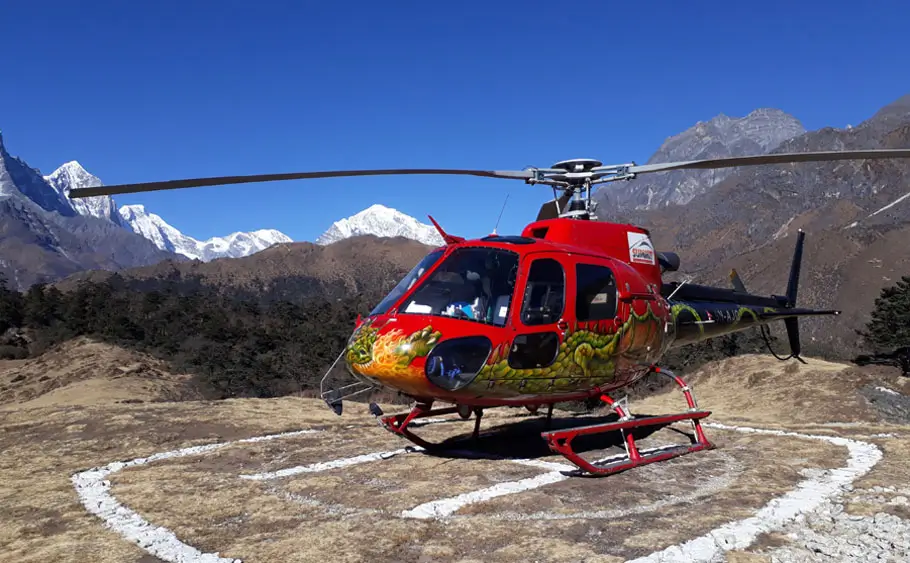
This option allows trekkers to enjoy the Everest Base Camp helicopter trek. It saves time and offers a unique aerial perspective of the landscapes you trekked through. Ideal for those who may not be up for the strenuous return trek or wish to splurge for a once-in-a-lifetime experience.
Tailored packing lists are critical for preparing trekkers for the varying demands of each route to Everest Base Camp. Detailed packing recommendations include:
Each route will have specific suggestions, such as extra thermal wear for the colder, windier conditions of the Three Passes Trek or lighter clothing options for the lower altitudes and warmer climates of the Jiri to Everest Base Camp route.
Understanding the seasonal weather patterns of the Everest region is essential for planning a trek:
Weather advice will vary by route, emphasizing the best seasons to tackle specific paths based on historical weather data and expected trail conditions.
To trek to Everest Base Camp, you will generally need the following permits:
1. TIMS Card (Trekkers’ Information Management System)
2. Sagarmatha National Park Entry Permit
3. Local Area Permit (if applicable)
Purpose: The TIMS Card is designed to ensure trekkers’ safety and security and regulate the trekking industry.
Steps to Obtain:
Cost:
– Individual Trekker: USD 20
– Group Trekkers: USD 10 per person
– SAARC Nationals: USD 3 per person
Where to Apply: NTB offices in Kathmandu or Pokhara.
Purpose: This permit is required to enter the Sagarmatha National Park, where Everest Base Camp is located.
Steps to Obtain:
Cost:
– Foreigners: NPR 3,000 (approximately USD 27)
– SAARC Nationals: NPR 1,500 (approximately USD 14)
Where to Apply: DNPWC office in Kathmandu or directly at the Monjo entry point to the park.
Purpose: Some specific regions within the Everest area may require additional local permits, particularly if your route deviates from the more traditional paths.
Steps to Obtain:
Cost:
– Varies depending on the area: Typically ranges from USD 10 to USD 20.
Where to Apply: Local district administration offices or specified checkpoints along the trek.
By following these detailed steps and preparing the necessary costs and documents, trekkers can ensure they are fully prepared and legally compliant for their trek to Everest Base Camp. This not only helps in smooth entry and travel but also contributes to the conservation efforts in the region, supporting maintenance and local community initiatives.
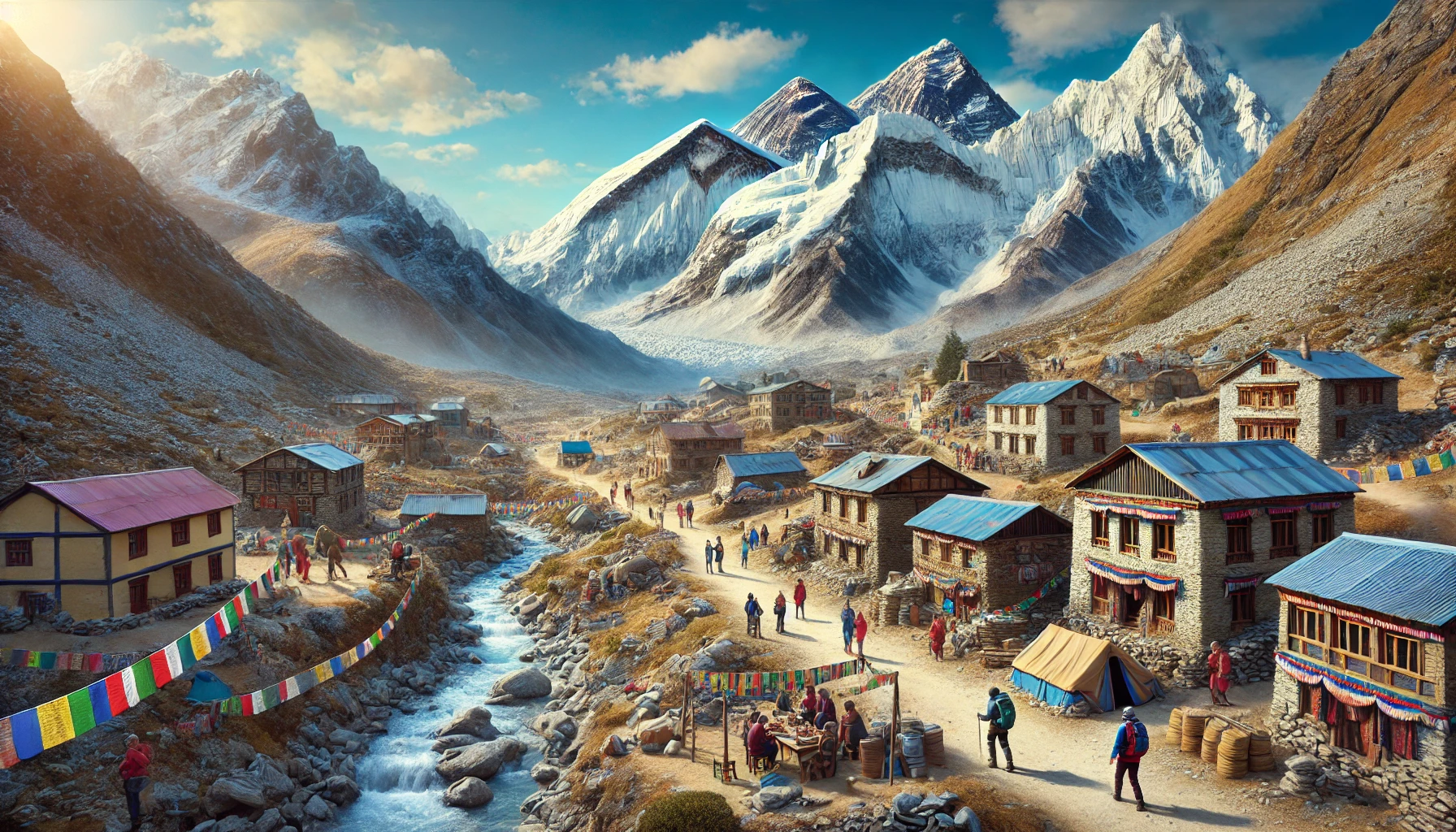
By incorporating interviews with experienced guides and past trekkers, this section offers:
This guide provides strategies for positive interactions:
Specific safety guidelines tailored to each trekking route include:
Focused on preserving the natural and cultural landscapes of the Everest region, these practices cover:
Located in Nepal’s Khumbu district, Everest Base Camp is situated at the base of Mount Everest, the highest mountain in the world (8,848.86 meters). The trek begins after a flight to the famous Lukla Airport and usually takes you to EBC at 5,364 meters (17,598 feet).
Everest Base Camp Trek (EBC) is not just a trek, it’s an exploration of the heart of the Himalayas, a walk through myth, and an experience that delivers every step with scenery that leaves you gasping and moments that awaken your spirit. Whether you’re a serious walker, a culture lover, or an adventure traveler, this is the kind of experience that remains etched in your memory long after you hang up your boots.
Reaching Everest Base Camp is not just being at the pinnacle of the globe, it’s about pushing your boundaries, embracing the unknown, and entering a realm that few have been fortunate enough to witness. From the colorful prayer wheels to the hauntingly beautiful Himalayan summits, the trek is an integration of nature and spirituality.
It’s not the mountain we conquer, but ourselves. Sir Edmund Hillary and Tenzing Sherpa
The Everest Base Camp Trek isn’t a trek, it’s a pilgrimage, an individual Everest. If you’re racing towards the horizon or seeking inside, it’s one of the most rewarding things on the planet.
Are you ready to start the Everest Base Camp Trek with Hill Sherpa Trekking?
Choosing the correct Everest Base Camp trek route is about matching your adventure spirit with your physical capabilities. Whether you seek the challenge of high passes, the beauty of remote lakes, or the cultural immersion of less-traveled paths, each route offers unique flavor and challenges. Consider what you wish to get out of your trek, consult this guide, and prepare for an adventure you will remember forever. Embark wisely, respecting nature and local cultures, and most importantly, enjoy every step of your journey to the top of the world.
Approximately 65% of people reach Everest Base Camp, while fewer reach Kala Patthar, a popular viewpoint in the Everest region.
You should be active and comfortable walking more than five hours daily or running regularly. Physical training, such as running and weekend hiking trips, can help prepare you for these activities.
A beginner can complete the Everest Base Camp trek with adequate physical fitness and acclimatization. The trek doesn’t involve technical climbing but reaches altitudes up to 5,600 meters.
The most challenging day is often considered Day 8, which involves the longest and most challenging trek stretch.
Trekkers can lose around 5-6 kg on a 12-day trek, depending on food intake, water consumption, and rest.
A warm sleeping bag is critical for staying warm and getting a good night’s sleep, especially in high mountain regions where temperatures can drop significantly.
The trek is challenging because it is a long hike at altitude. It requires preparation and some hiking or trekking experience to enjoy and complete safely.
While you can technically trek alone, hiring at least one guide is advised due to safety concerns and regulations from the Nepal Tourism Board.
Yes, the trek attracts thousands of visitors annually, especially during peak seasons like Spring (March to May) and Autumn (September to November).
The trek typically requires 13 to 18 days, depending on the itinerary. It includes critical acclimatization stops such as three nights in Namche Bazaar.