Latest Posts

Talk to Trip Expert
+977 9704823980 (Whatsapp)


Talk to Trip Expert
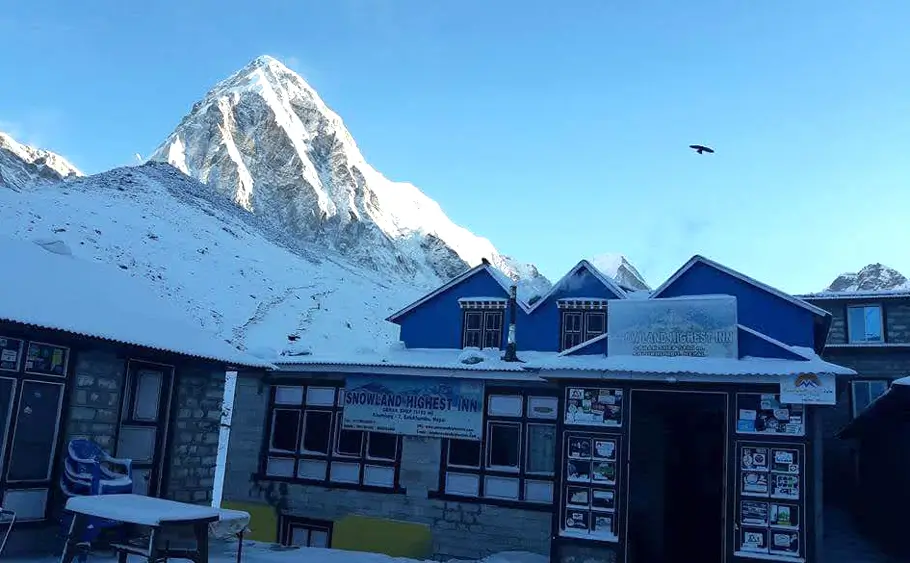
+977 9704823980 (Whatsapp)The weather in the Everest Region is perhaps one of the most defining features of the area. Due to the rapid changes in the weather and the extreme altitude of the trekking routes, the weather can get incredibly cold, even while the sun is still out. Once the sun sets, you can expect it to get extremely cold, and in places 4,000 meters above sea level, the temperature can drop below 0 degrees. It is common to see temperatures reach 20 to 25 degrees during the day, and drop to -15 to -20 degrees at night. This leaves a temperature differential of 40 – 45 degrees, which surprises first time trekkers, making it essential to prepare and have the right gear, including proper layering clothing.
One of the most popular seasons to trek in the Everest region is Spring. This is when the weather is most stable, and the best views of the Himalayas can be seen. The blooming Alpine flowers and rhododendron and magnolia trees are a beautiful sight to see. The trekkers who go through the villages of Namche Bazaar, Tengboche, and Dingboche get to experience the weather and views.
The Everest Base Camp trek gives the chance to see climbers who are preparing for summit attempts, as Spring is the main climbing season for Everest. At lower elevations, the overall average of the woodlands is 15-20°c, whilst the higher woodlands and lower mountains (4,000 meters+) are 10-15°c in the daylight. The nights, mornings and afternoons are cold, often reaching -10°c to -15°c.
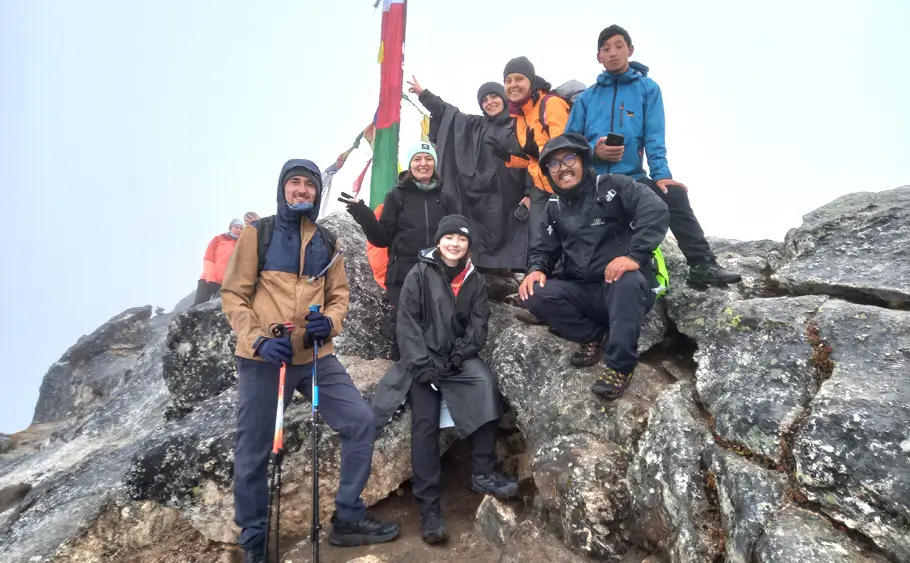
During this time of the year, weather conditions change rapidly, making the Everest region susceptible to heavy showers, and the trails are likely to become muddy. Viewpoints are likely to be obscured by clouds, and because of all of these reasons, fewer trekkers visit this region in the months of the monsoon. However, altitudes above four thousand meters are generally drier, so trekkers visiting the Everest region during the height of the monsoon season might be fortunate to be able to see the high altitudes of the region.
The Nepalese country’s bottom valley locations receive enormous amounts of rain, making the scenery incredibly lush and facilitating new, robust waterfalls. The rain, clouds, an absence of fog, and clear, still mornings are common, so high altitudes can reach very low, and very warm temperatures, reaching up to twenty-five, and even still regularly, below freezing (ten to fifteen) in the monsoon season.
Autumn is recognized to be the best trekking season in the Everest region. After the monsoon season, the rain has ended and the skies are clear, providing trekkers with great visibility to see the Everest region mountains. Everest, Lhotse, Ama Dablam, and Nuptse are examples of peaks in the region. The weather is stable and positive and great for trekking.
It is great for both beginner trekkers and more knowledgeable trekkers. The temperatures are usually between 10 to 20 degrees celcius in the day and at higher elevations, the other 4 thousand meters nighttime temperatures can be around 10 degrees. Due to all of the good conditions, the fall season is the busiest trekking season in the Everest region.
There are many benefits to trekking in the Everest region during winter. Fewer trekkers mean there is an inevitable increase in the tranquility of the journey. And winter landscapes are especially beguiling with snow blanketed mountains and villages. On the flip side, temperatures will also be significantly colder. Daytime temperatures around 5-10 degrees Celsius are to be expected at lower altitudes and 4,000 meter elevations. Nighttime temperatures plummet to -15 degrees and -20 degrees. Despite proper winter trekking poles and preparation, snowfall will affect trekking routes and make the journey only for the most daring of trekkers.
The Everest Region Trekking Season. Regardless of when you embark on your trek, planning is a must, as there are extreme conditions in the Everest Region. Heat and cold are frequent, so you will want to dress in layers and have the ability to cover your skin to keep warm. When deciding which clothing to bring on your trek, remember that you will face extreme temperatures and wind, so a down jacket, thermals, warm gloves, and a hat are necessary for the higher elevations, especially when on the mountains.
For rain or snow, you will want to bring a waterproof jacket and pants. Finally, the sun is very strong at high altitude, and you will want to bring clothes that cover your skin, in addition to sunglasses and a hat for the sun. To protect your skin from the sun, you will also want to apply sunscreen before and during the trek. If you prepare for the weather’s varied conditions and plan your packing list, you will have consulted your trekking agency and organized yourself well to ensure you are all set to trek.
The temperature and weather conditions in the Everest region are rarely predictable. However, they are part of the charm that trekking in the region offers. Every season brings a different and unique experience, from the multi-colored flower blooms of spring, the clear views of all the mountains in fall, and the hushed snowy regions in winter. Travelers and trekkers can embark on one of the beautiful and safest trips of their lives by learning and understanding the weather characteristics in the region, to ensure they are prepared for the weather conditions. This region of Everest has a continual passion for trekkers of all kinds and offers no limits for their imagination.