Latest Posts


Talk to Trip Expert
+977 9704823980 (Whatsapp)


Talk to Trip Expert
+977 9704823980 (Whatsapp)The 8th tallest mountain peak in the world with an altitude of 8163m, Mt. Manaslu stands as one of the toughest climbs in mountaineering. With a success rate of a very low percentage, it has a reputation for being too hard to do climbing expeditions. It lies in the Manaslu Region of Nepal following the great Himalayan range of fellow Annapurna and Ganesh Himal. It is also popular among the trekkers as the mid geography of Manaslu also holds one of the best trekking trails beneath it. And trekkers and travelers choose it as an absolute lifetime experience. Manaslu is called Killer Mountain due to its notorious reputation for being one of the most dangerous peaks to climb.
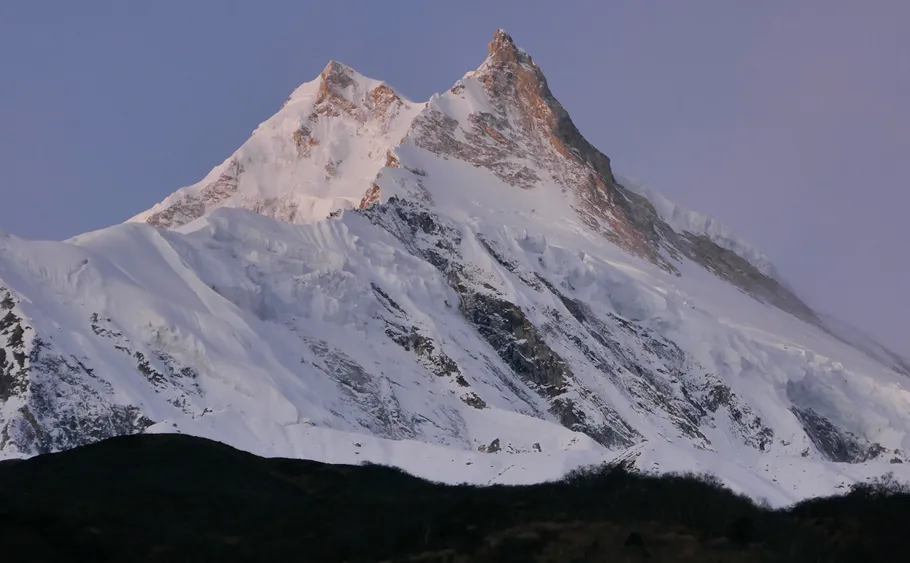
Manaslu consists of stannous steep slopes and avalanches which makes it very difficult to make or do any kind of climbing expedition. The location and the climbing marks are also built over a very vertical slope of the peak. It was two Japanese expeditors Toshio Imaski and GyalzebNerbu, who did the first successful summit climb to the top of Mt. Manaslu, on May 9, 1956. After that thousands of climbing expeditions were held but with a success rate even lower than Mt. Everest. But instead of being ignored, it became the factor that attracts thousands of climbers every year from all around the world with the adventure spirit and climbing goals.
Here, we are all talking about the toughness of the Mt. Manaslu climbing expedition which is called or known as the killer mountain. There are some of the main factors that make it that way of being hard to climb and make it to the peak. It is so hard that out of 100 expeditors or climbers, 9 of them face death while doing the climb. So, stick here until we all pick out the factor that makes it such a hard topic in the course of mountaineering.
The main factor of the casualties in Manaslu is its own natural formation and structure which makes of very difficult to make a grip. It has a very irregular shape which a mountain should be but here in Manaslu irregular means irregular high cliffs and slopes. Such unique and irregular slopes make it hard to grab or to grip the equipment. And it is hard to climb above such kind of high cliffs above thousands of feet.
It also brings other difficult factors like steep slopes, Falls, Avalanches, etc which we will talk about later. But most of them get their way to make a climber’s expedition hard from this difficulty factor of the unique and irregular formation of the mountain itself.
Avalanche is another factor that makes it even worse. Mt. Manaslu is highly triggered by unexpected avalanches. It is caused by the changing weather which is an often changing phase of the mountain peaks and the changing formation of snow. It is also due to the vertical step slopes which make the snow hill to be hard to hold itself after the definite amount of snow gathering.
So it is also a great factor in making Manaslu a killer mountain.
The risk of falls and unexpected accidents in Manaslu is always waiting with high chance. The steep slopes have a high chance of having fallen and these falls have a very high risk or chance of death casualties.
Most of the casualties come out of this factor as falling from a height of hundreds to thousands of feet from the cliffs and steep slopes. It is nearly impossible to survive such a fall and recover the body. Most of the mountaineers and climbers who lost their lives come out of this very dangerous factor making it one of the main reasons for Manaslu as a killer mountain.
Not only Manaslu but the whole of the Himalayan region of Nepal consists of very unpredictable weather. It changes in between the gap of some hours. While the expedition in Manaslu and peaks alike, it makes it worse to tackle adding more difficulty to the climbing expedition of Mt. Manaslu.
The extreme weather like wind, snow, and storms make it worse than what difficult climbing can be. It makes it impressively very hard to make it to the top with such changing weather.
The difficult formation and the very irregular shape bring another great problem during the climbing expedition in Mt. Manaslu. The equipment failure often happens during the climbing over steep slopes. It is the life-taking problem in the Manaslu as failure leads you to risk which is meant to help you the most during your mountaineering expedition. It is not just a difficult factor or a common mountaineering problem but a life-taking risk as well. You can guess to have a failure in support of the things you need the most during your journey.
It is the main reason why most of the casualties happen during the climbing expedition over the slopes of Mt. Manaslu. It is the cause of the irregular shape of the cliffs and slopes as mentioned above which makes it very hard to get a proper grip on your equipment. It all happens with mountaineering equipment like ice axes, crampons as well with ropes. So, this is the reason among the factors to make Mt. Manaslu a killer mountain in the world of mountaineering peaks.
It is a great challenge to face during any high altitude activities whether a trekking or a climbing expedition. Having or becoming the suffering person during the mountaineering journey can be very life-threatening because you are already at a very high altitude and over a very difficult geography. And if it’s over the mountain peaks like Mt. Manaslu it even gets worse as it is hard to deal with such challenges of altitude sickness. It is also a very difficult thing to tackle as your climbing members may not help you properly as it is very hard work to do so in such high altitudes and with the mountaineering journey.
It causes suffering issues like nausea, vomiting, and weakness. It also leads to another factor of fall. The main cause of altitude sickness is the absence of oxygen or with very little presence of oxygen and low atmospheric pressure at high altitudes. It usually happens after reaching the altitude of 3000m and expedition in Mt. Manaslu lies over the altitude of 6000m to 8000m plus on elevation from the sea level.
Mountaineering needs proper planning and solid strict management other it leads to a high risk of accidents and unpredictable incidents. Some climbers just do it without proper planning and preparation in a hurry to get the adventure excitement.
It needs proper preparation of equipment, gear, and other planning for the strict schedule and the timing during or for the climbing journey. Otherwise, an unplanned expedition or un-proper plan of the journey can lead you to very unexpected possible problems and here in Mt. Manaslu, problems mean life-threatening points. It also makes it a very high risk of losing the life of mountaineers and climbers during the journey over the landscapes of Mt. Manaslu making it another effective reason and factor of becoming the killer mountain.
Some of the cases are also found as some of the summit expedition is tried by inexperienced climbers or mountaineers who have very limited experience or who are at the beginning of their mountaineering journey. They do It to make a good name among adventurers and climbers or to have a great adventure experience in the beginning experience but unknown to the life-threatening factors waiting for them.
The mountaineering on the slopes and the cliffs of Mt. Manaslu requires a very good experience as It consists of very difficult and technical climbing steps. And to go across such steps you need a good kind of technical climbing skills. And inexperienced climbers come with limited experience and very less technical climbing skills which leads them to death. It is also taken as a factor but it can be taken as the careless than the reason to be the factors among the list of making Mt. Manaslu the killer mountain.
Among the 2172 summits 89 faced death, from here you can guess how much the amount of risk Mt. Manaslu contains during its journey.
The success rate of the successful submission at the peak of Mt. Manaslu is even lower than that of Mt. Everest. As mentioned above in every 100 successful submissions, 9 of them face or deal with death.
The above-mentioned factors like Altitude sickness, Falls, weather conditions, and other aspects are very risky during the journey over the Manaslu landscapes. These factors have already taken hundreds of lives on different slopes and the steeps of Mt. Manaslu already picked their name as the world’s toughest climbing expedition.
So, it is a very hard climbing expedition with a very low success rate or success with very high risk which makes you pay your everything or your life.
Up to here, we have talked about the factors and the reasons that cause various issues during the mountaineering journey over the landscapes of Mt. Manaslu making it a killer mountain. Most of these features are listed according to or considering the experience of climbers and the expositors who successfully make it to the top of the Manaslu. All of these consist of real details and the reasons making it a very difficult climb.
There may be other reasons too, we’ve mentioned the above as these are the most talked about and mentioned form the experienced ones. So, always do proper research first before doing any kind of adventure activity as it can take your life. Never underestimate the steps of the Himalayas. It already looks like hundreds of lives in different landscapes at their peak. Do not be in having hurry to do the unusual records without proper planning and preparation and do not try it without being with the professionals as it is a matter of your life.
Manaslu possesses the distinction of being the eighth highest mountain in the world, at a height of 8163 meters, or 26121 feet. It is located in Nepal and is a member of the great Himlayas and is regarded worldwide as being large and formidable. Manaslu is regarded as Killer Mountain, on account of the extreme difficulty and high mortality rate associated with its climbing. With estimates showing every hundred ascents, approximately 9 result in a loss of life, it is safe to conclude that it is one of the most dangerous apt takes in the world due to its irregular steep slopes, sudden weather changes, and the climbing inexperience of many.
Manaslu’s steep and irregular climbing terrain result in difficulty of climbing due to loose fitting climbing equipment and the risk of falling. Sudden extreme winds, snow, and weather result in unpredictable conditions. Extreme winds, the risk of snow build up, and loose climbing terrain result in spontaneous and unpredictable avalanches. Finally, narrowing and high risk of Equipment failure, and extreme altitude with altitude sickness completes the spiral of technical preparation and skill, of which most lack.
Compared to Everest Manaslu has a far lower success rate and a higher rate of fatality. Everest might be the tallest peak, but the technical challenges and sheer danger of the terrain makes Manaslu one of the most dangerous to climb. Combine the extreme danger of natural phenomena and the physically exhaustive requirements, and you have one of the most demanding expeditions in the entire Himalayan range.
On the Manaslu expedition, climbers start at base camp, which is at about 4,800 m and go up to 8,163 m at the peak. Like all high altitude climbs, this has a high risk of altitude sickness which can be life threatening, as the climbers will be in thin air with little oxygen and will have to be acclimatized to the altitude to avoid these situation.
In order to climb Manaslu legally, climbers need to have the Manaslu Climbing Permit as well as the Manaslu and Annapurna conservational area permits. These permits and the regulations that follow them are designed to provide for the safety, and the area to be environmentally preserved.
Mount Manaslu is generally appropriate for only seasoned mountaineers. Advanced technical skills, the appropriate training, and previous attempts at high altitude climbs are prerequisites. Those without high altitude preparation and experience should NOT attempt the climb. This is due to the high risk involved.
The successful climber’s preparation for the Manaslu expedition consists of intensive physical training, technical mountaineering courses, and acclimatization treks, as well as careful logistical planning, which includes weather and equipment quality and availability. Reliable team coordination and emergency planning are vital for safe passage as well.
The Manaslu climber risks include, but are not limited to, high altitude sickness, extreme and unpredictable weather, avalanche, and high altitude equipment failure. Each one presents the potential for death and requires foresight, training, and active mitigation plans.
Certainly. The Manaslu Circuit trek is safer than the summit. The trek is still popular for the views and proximity to the Himalaya, and does not come with the dangers of the high altitude mountaineering. The trek is still popular for the views and proximity to the Himalaya, and does not come with the dangers of the high altitude mountaineering.