Latest Posts

Talk to Trip Expert
+977 9704823980 (Whatsapp)


Talk to Trip Expert
+977 9704823980 (Whatsapp)Winter treks in Nepal provide an incredible and magical experience for those willing to embrace the cooler winter months of December through February. Although Nepal is a well-known trekking destination throughout the year, most hikers travel during the busier spring and fall trekking seasons.
Along with these busier seasons, winter is a special time that transforms the hiking trails into a wonderland of spectacular snowcapped landscapes, pristine blue skies, and peaceful trails. The snow, blue sky, and reduced hiker foot traffic have created an environment that is incredibly peaceful, calm, and serene when compared to crowded high-peak tourism times.
One of the benefits of winter treks in Nepal is the greater solitude that trekkers can enjoy. Even in the heavily trafficked region of Everest Base Camp, Annapurna Base Camp, and even Langtang, the number of hikers can be drastically low making the trek peaceful and meditative.
It is this solitude that attracts many peace-loving individuals who want a quiet adventure surrounded by the Himalayas. With fewer hikers on the routes, there can be more meaningful interactions with locals and the natural world resulting in pleasurable experiences.
Winter treks in Nepal are especially suited to adventure seekers, nature photographers, and those who enjoy peace and solitude. Adventurers will enjoy the thrill of the challenge of pushing through snow-covered pathways to experience the Himalayas in their most rugged form.
Because of the striking color contrasts and the ethereal quality of their beauty, photographers will have plenty of opportunities to capture amazing photographs. And those who want solitude in the mountains will enjoy the surroundings that are mostly void of human noise or disruption.
Trekking at lower elevations like the Ghorepani Poon Hill Trek, the Langtang Valley Trek, and the Mardi Himal Trek all are more accessible in the winter month and have very manageable snow covers.
Daytime temperatures at such lower elevations may be surprisingly mild with dramatically different temperatures at higher elevations where heavy snowfall is expected and most of the remote trails may become impassable with accumulations of snow. The dry air during the winter months keeps trails generally more stable and less muddy than during the rainy season. As a result, hiking across the lower elevations is still pleasurable on the well-traveled paths.
Winter treks in Nepal present a unique experience in the Himalayas. After the monsoon season, the winter skies are often clear without clouds providing uninterrupted views of snowcapped mountains. The dry, cold air allows trekkers to breathe freely in a clear atmosphere while observing the beauty of the Himalayas in all its splendor, especially dramatic sunrises and sunsets that paint the mountains in hues of gold.
Another bonus point to winter trekking in Nepal is the solitude and peace found on the trails and in the teahouses. There are so few trekkers between December to February so, the well-known crowded peaks are simply quiet and almost meditative. Trekking during the winter months is a definite attraction for anyone who wants to connect with nature.
Winter is recognized as the off-season for trekking in Nepal. Many teahouses and trekking agencies have cheaper rates for accommodation, meals, and guided packages. When the trekking and adventure tourism demand is lower, the numbers of guests are much lower which means better hospitality from local hosts.
Overall, a trekking adventure in the winter months normally leads to a more tranquil and authentic Himalayan experience. Winter trekking allows trekkers to experience uninterrupted mountain vistas with fewer trekkers competing for space on trails, crystalline beauty in the form of snowy landscapes trekkers might discover along the way is exciting. For people seeking adventures looking for solitude, winter is a perfect time for trekking in the Nepal Himalayas.
The Mardi Himal Trek is a unique off-the-beaten-path adventure located in the Annapurna region of Nepal is well suited to trekkers looking for solitude and stunning views of the Himalayas. The moderate trek lasts 5-7 days has ascends through rhododendron forests, villages, and alpine meadows. Mardi Himal Base Camp at an altitude of 4250 meters provides jaw-dropping views of the majestic Machhapuchhre, Annapurna South, and Hiunchuli to the north.
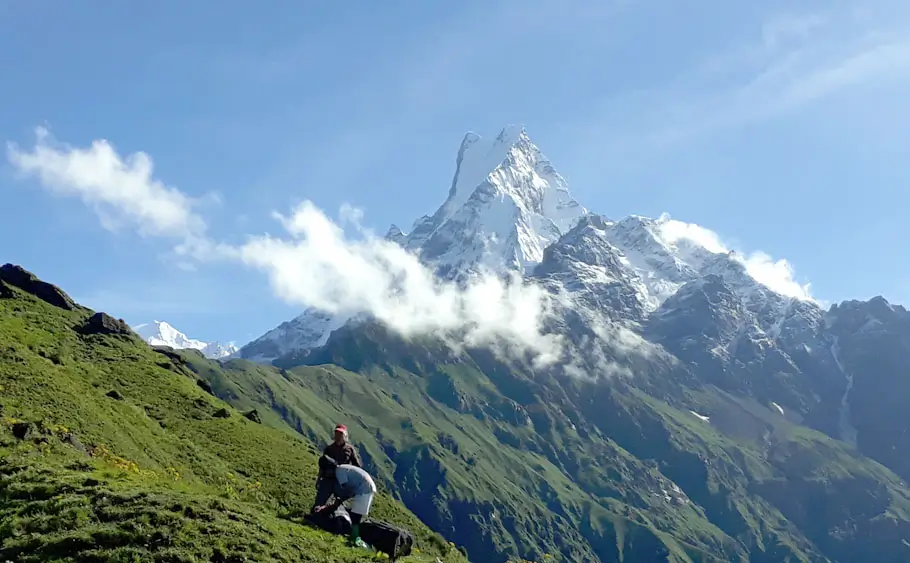
The trek is even more appealing during winter (December-February) when the trails are usually snow-dusted, the skies are crystalline and there are even fewer people trekking compared to peak trekking season.
The change in landscape into a winter wonderland with freezing air produces expansive, panoramic mountain views and a Frosty environment ideal for photographers. The trails feel private, the sunrises from the Upper Viewpoint glow over the white snow-capped peaks and evenings might be spent sitting around a warm fire. Overall, Mardi Himal winter treks provide a raw and intimate experience.
Ghorepani Poon Hill Trek is known for its sunrise view in Dhaulagiri and Annapurna ranges. The hike takes 4–7 days and reaches a peak elevation of 3,210 meters.
The trail passes through dense rhododendron forests, terraced fields, and Gurung and Magar villages, resulting in a wonderful combination of natural scenery and interaction with local culture. The trek is considered easy to moderate and has comfortable accommodations in teahouses with technical trekking.
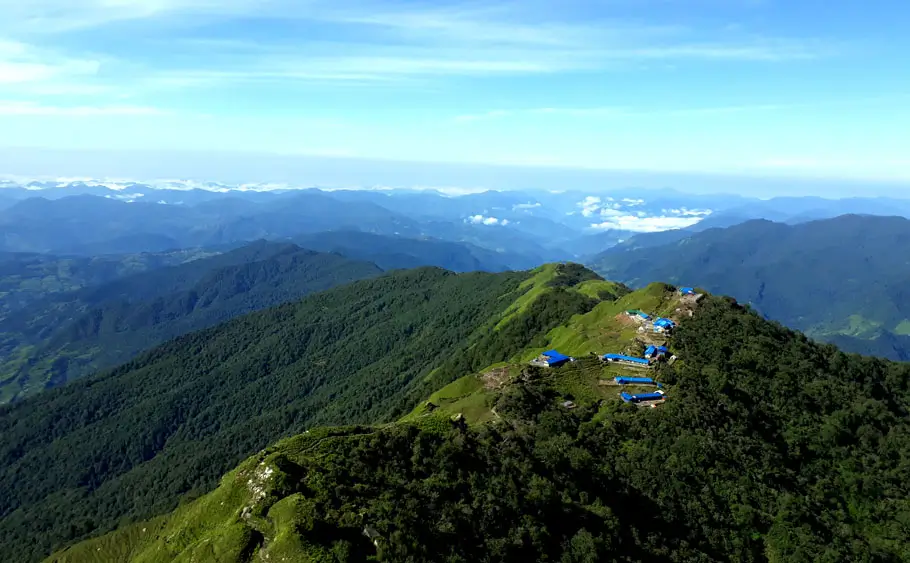
The trail is peaceful in winter with fewer trekkers and the temperature is cool and crisp offering exceptional clarity of mountains, particularly at sunrise from Poon Hill. The trek is an enjoyable entry point for first-time trekkers in the winter since the teahouse rates will be lower as it will be the off-season.
The Langtang Valley Trek is a moderate-level trek that takes approximately 7-10 days, making it a great option for trekkers with good physical fitness. The treks start in Syabrubesi and include about 70 kilometers of walks through jungles, Tamang villages, and alpine meadows.
The trek culminates with a visit to Kyanjin Gompa (3,870m) and optional side trips to Kyanjin Ri (4,773m) or Tserko Ri (up to 4,984), for stunning vistas of snowcapped peaks and glaciers.
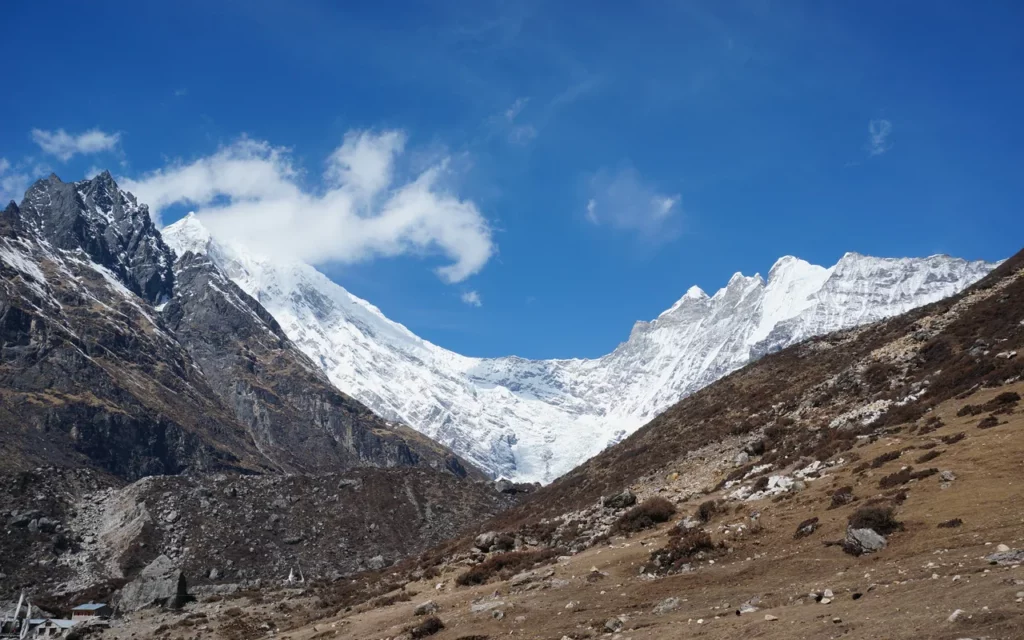
Winter is a fantastic season for the Langtang Valley Trek, especially for those looking for the less-trafficked Himalayan experience. With the appropriate clothing and footwear, the trails can easily be navigable in the winter months. In wintertime, the valley is transformed with snow, providing wonderful wintry views of icy forests and white-capped peaks.
These times offer a chance to be alone on the trails to enjoy the beauty of the Himalayas and get up close and personal with the rich culture of the area including Buddhist monasteries and yak herders. The accessibility, culture, and incredible views make the Langtang Valley Trek a rewarding trek for the adventurer looking for raw beauty in a less-trafficked region of Nepal.
The Everest Panorama Trek is a shorter, lower-altitude variation of the traditional Everest Base Camp trek. It is a good option for those having limited time and for beginners and families. This trek typically takes 7 to 11 days to complete and reaches only 3860 meters at Tengboche Monastery. The trek is well-established and well-maintained from Lukla to Namche Bazaar to Tengboche.
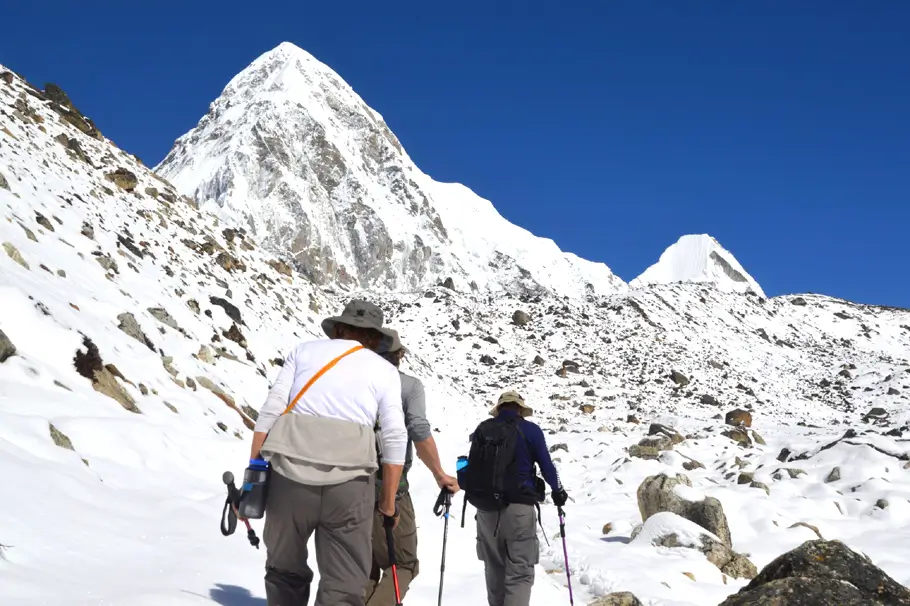
Winter is an ideal season for the Everest Panorama Trek because the trekking involves lower elevations, minimizing the risk of altitude sickness and offering the trails with far fewer trekkers than in the peak season. This trek offers stunning views of Everest, Lhotse, Ama Dablam, and many other Himalaya giants, especially at sunrise and sunset from vantage points such as Tengboche.
Visiting Tengboche Monastery during winter offers a peaceful spiritual side to this journey, and the quiet trails provide a more personal experience of Sherpa culture. With some basic preparation for winter trekking conditions, trekkers can experience a beautiful Himalayan adventure without having difficulties associated with altitude and large volumes of trekkers on the trails.
The Khopra Danda Trek is located in the Annapurna region, featuring off-the-beaten-path trails and views of Dhaulagiri, Annapurna South, Machhapuchhre, and Nilgiri. This moderate trek lasts 7 to 12 days and has a maximum altitude of 3,640 meters at Khopra Ridge.
The trails pass through rhododendron forests, Gurung and Magar villages, and alpine pastures allowing a unique cultural experience combined with the majesty of the Himalayas. The trek is regarded as moderate difficulty with steep ascents, allowing trekkers with basic fitness levels to complete the trek.
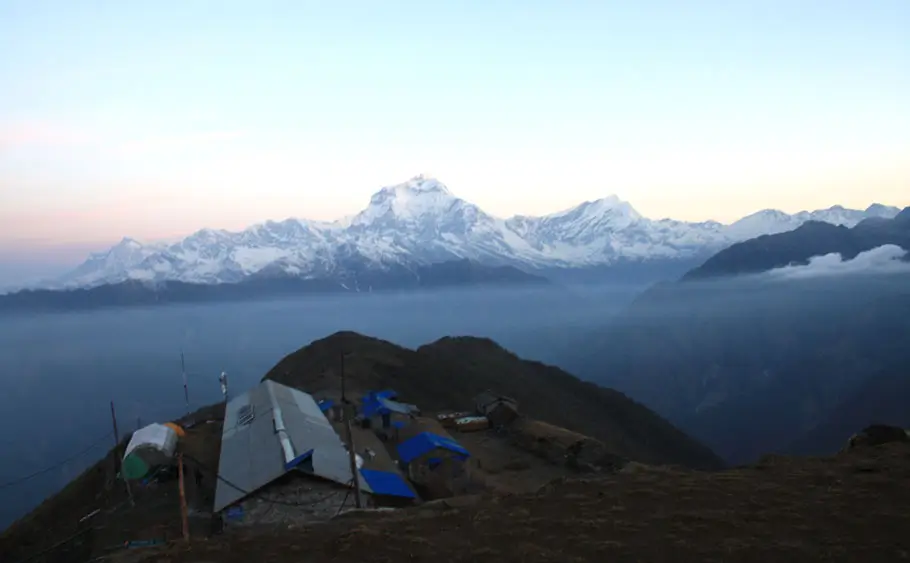
Winter (December-February) adds to the attraction of the trek as there is less snow at lower elevations and the trails are generally good. The cold air guarantees the sparkle and unmatched views of the mountain.
With far less traffic on the trails and fewer guests in the teahouse, trekkers have the opportunity for meaningful exchanges with local populations. For instance, from sunrise at Khopra Ridge to the breathtaking beauty of Khayer Lake, the trek fosters solitude. Khopra Danda Trek is a perfect winter getaway for adventurers seeking authenticity and beautiful scenery.
The Nagarkot to Dhulikhel hike is close to Kathmandu. The trek typically takes 5 to 7 hours, and covers a distance of 15 to 16 kilometers, with the highest elevation at Nagarkot (2,195 meters).
The trek is mostly downhill, but crosses through pine forests, terraced fields, and traditional villages, while providing panoramic views of the Himalayas, including Everest, Ganesh Himal, and Langtang. The trip is rated easy to moderate, only requiring basic fitness. The trek is suitable for people looking for a less demanding day trek.
Winter can be the most rewarding time of year to do the Nagarkot to Dhulikhel hike. The cool, crisp air is prime for visibility, providing the best year-round views of the Himalayas and easy walkability along the trail.
The close proximity to Kathmandu makes this hike deserving of a quick getaway without several days of trekking. Whether its stunning mountain views and cultural spaces, the Nagarkot to Dhulikhel hike is a fantastic winter option near Kathmandu.
The Helambu Trek is a low-altitude trek located in the northern region of Kathmandu. This trek lasts 6 to 8 days reaching a maximum altitude of approximately 3,650 meters at Tharepati Pass. The Helambu Trek is of moderate difficulty containing beginner and family-friendly trails through lush forests, terraced fields, and Sherpa villages.
Winter is a good season to trek in Helambu since the lower altitude allows warmer temperatures and reduced risk of altitude sickness. During winter, there are fewer trekkers on the trails, experiencing rich Tamang and Sherpa cultures. Helambu is the place to go for trekkers looking for a low-impact, culturally rich Himalayan winter trek that is closer to Kathmandu.
The Pikey Peak trek, completed in 6 to 8 days, is a great off-the-beaten-path option in the lower Everest region. The trek takes you to Pikey Peak which is at an elevation of 4,065 meters. The trek required moderate trekking, with daily elevation gains within 4,065 meters over the 6-8 days. Trekkers with basic fitness can manage all the accents of Peaky Peaks.
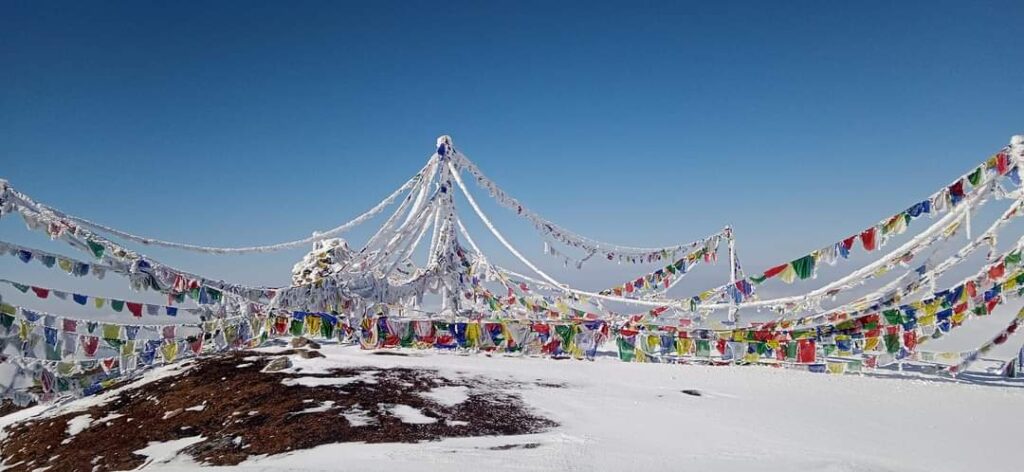
Winter is a great time to trek in the region, as it receives the least snow compared to the higher-altitude Everest routes. The trails remain accessible, while the chillier temperatures help clarify vistas of the Everest range, especially the sunrise view that Sir Edmund Hillary once felt privileged to view.
The route is even less traveled than in the February-March seasons, Lets you enjoy pristine snow scenes and warm hospitality offered by the Sherpa villages along the trail. Overall, the Pikey Peak trek is perfect for those looking to experience some solitude, adventure, and beauty in the mountains.
The Annapurna Base Camp Trek complete in 7 to 12 days is moderate to difficult with steep ascents and descents. The trek has a maximum elevation of 4,130 meters at the base camp. The Annapurna Base Camp Trek is a highly rewarding trek with an informed guide and careful planning in the winter months. The snow changes the trail and transforms the Annapurna amphitheater’s landscape into a breathtaking scene.\
Additionally, the winter sky brings amazing views of the mountains and the calmness of a quieter season for trekking. Trekkers can enjoy a more peaceful experience in remote and quiet teahouses. However, winter trekkers should be prepared for icy pathways and cold nights. Annapurna Base Camp Trek provides an unforgettable adventure for those seeking adventure and the beauty of nature.
The Royal Trek short, low-altitude route close to Pokhara is named after Prince Charles, who trekked it in the 1980s. The trek can take 3 to 5 days to complete. The trek has low-altitude routes making it one of the easiest and most accessible treks in Nepal.
From a trekking perspective, it passes through beautiful hill villages and terraced fields providing magnificent views of Annapurna, Machhapuchhre, and Lamjung Himal. Due to its altitude, this trek has mild winter weather with snow-free trails, making it a great place for winter trekking.
The Royal Trek is a good trek for beginners and families with children providing cultural insights into the beautiful landscapes without any altitude risk.
Winter treks in Nepal will be safe if trekkers have the correct gear and planning, and remain flexible with changing weather and trail conditions. The majority of the trekking terrain requires special permissions, so hikers should obtain them in advance. The majority of teahouses are open throughout the winter, particularly along the routes that most hikers take.
However, some lodges are closed at higher elevations due to snowfall and few trekkers. Therefore, trekkers need to verify accommodation availability before setting out and consider hiring a guide for added safety and local familiarity with the terrain, weather, and availability of services during the winter season.
Winter treks in Nepal provides a memorable experience in the Himalayas which transforms into a peaceful wonderland, with snow-covered peaks, bright blue skies, and gentle trails. The quieter trekking months allow few trekkers to see the untouched beauty of Nepal’s landscapes and lively mountain villages.
The summer months in Nepal are busier with trekkers and tourism, but the winter months are less busy, and provide trekkers with more meaningful experiences, cultural immersion, and self-reflection.
All the traditional trekking routes exist in winter, including Everest Base Camp, and Annapurna Base Camp. There are also niche areas such as Khopra Danda or Pikey Peak that show a side of Nepal that is intimate, spectacular, and awe-inspiring.
The variety and beauty of the mountain scenery combined with the welcoming and warm characteristics of a teahouse provide temporary comfort while immersed in the stunning mountains.
If you’re looking for an adventure that is out of the ordinary, winter is the perfect time to enjoy some of the less-traveled routes in Nepal. With proper planning and the right equipment, you can experience these peaceful scenery on earth.
Most reputable trekking agencies and online booking platforms offer some variation of a winter trekking package to suit all interests and levels of experience, including booking introductory to advanced guided treks. Take advantage of the relative solitude on Nepal’s winter trekking trails and make some amazing memories in Himalayan paradise.