How Difficult is the Everest Base Camp Trek?
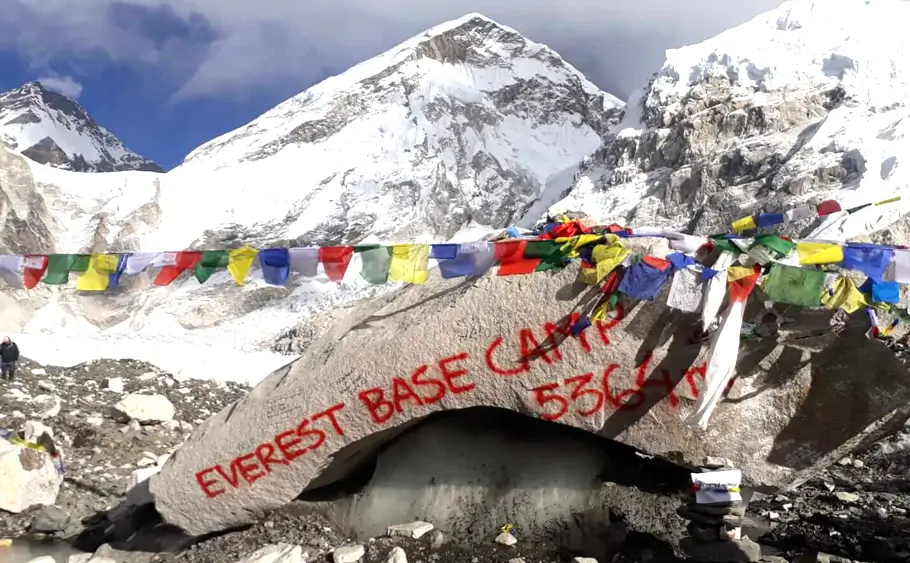
Everest Base Camp Trek Difficulty is assessed with a moderate to challenging label. There is no need for technical climbing or mountaineering experience for this trek. Good physical fitness, mental determination, and the proper measures for acclimatization are needed. Trek to Base Camp (5,364 m) for Everest is successfully completed by thousands of people around the world, on a yearly basis. With the proper measures and preparations, the ordinary adventurer is capable of completing this extraordinary journey.
The trek is approximately 130 km (80 miles) round trip. Most itineraries complete the round trip in 12 to 14 days. The trek involves walking 5 to 8 hours daily for multiple days on rocky, steep and uneven mountain paths that contain suspension bridges and high-altitude paths. The trek, as you gain elevation, contains thinner air, which makes demanding shorter walks even more demanding.
Challenging high altitude rather than the trek path is the greatest challenge of the Everest Base Camp Trek. The higher you go above 3,000 meters, the lower the level of oxygen. Because of this, the body takes time adjusting to the altitude. Proper measures for acclimatization, the proper pace (recommended to be slow), and the trekking guide’s recommendations are vital measures for a safe trek with low risk of altitude sickness.
The trek is highly demanding. Most healthy individuals with a reasonable level of fitness who measure and manage expectations are completely capable of completing the trek. Previous trekking experience is not required; however, measures such as regular walking, hiking, stair climbing, cycling, or other cardio exercises, taken regularly in preparation for several weeks before the trekking trip, will enhance both confidence and endurance for the trek.
When considering the positive outcomes and the possible negative factors of completing the trek, there is really no comparison. Trekking provides an opportunity to gaze out at the grandest views across the Himalayas. Traditional sherpa villages, ancient monasteries, and glacier valleys are all just part of the trek. Some of the tallest mountains on the planet are also on the trek, including Lhotse, Ama Dablam, Nuptse, Pumori, and Thamserku. Trekking to Everest Base Camp and seeing the sunrise on the peak of Kala Patthar is a once in a lifetime opportunity.
The trek to Everest Base Camp is a daunting physical task. It is actually a very rewarding task that presents the opportunity to give you memories that last a lifetime. The trek also presents the opportunity to elevate you to a personal peak, both literally and metaphorically, and is also a chance to bring you to the base of the tallest mountain on the planet.
Base Camp Trekking
The Everest Base Camp trek (EBC) is a uniquely beautiful incline for trekkers at Everest. It begins with a wild flight towards Lukla, the jump-off point for the base camp, and follows the spellbinding Khumbu valley.
The water you must travel to and fro is about 136km and takes about 12-16 days. Along the way, you will visit the regions of Phakding, Namche Bazaar, Teboche, Dingboche, Lobuche, and Gorak Shep.
To cap off this incredible adventure, hikers reach Everest Base Camp at an altitude of 5,364 meters. Some trekkers want to go even higher than the Base Camp, as many reach the summit of Kala Patthar, at 5,644 meters, for one of the famous panoramic views of the top of Everest.
Everest Base Camp Trek Difficulty Level
Moderate to strenuous is the general grading for the Mount Everest Base Camp trek. This trek does not require technical skills, as there is really no mountaineering needed. With that said, the challenge of this trek stems from the combination of altitude, long, odd trekking days, and rugged terrain.
Trekking to Base Camp is completely attainable for people who are active and take some time to prepare. Beginners and novice trekkers can do this trek, but only with moderate preparation. Patience and proper acclimatization are also paramount for completing this trek.
How Difficult is the Everest Base Camp Trek in 2026?
In 2026, the Everest Base Camp trek remains a tough yet rewarding journey. The trek is now a little easier with better trails and more comfortable accommodations. But the Himalayan conditions remain the same.
The conditions of high altitude, variable weather and long days in the hills remain the same. The trick is to prepare. Planning with adequate rest days makes the trek less challenging. With physical and mental preparation, it will be a challenging but manageable journey.
Everest Base Camp Trek Difficult: Long Distance and Daily Walking Hours
One of the toughest challenges of the trek is the sheer distance. Walking about 5 to 7 hours every day for almost 2 weeks requires a lot of stamina. The terrain of the trail continues to fluctuate, meaning even short trek days can be tiring.
For the trek, players must adapt to daily early mornings, a full evening break, and hours of trekking. This routine continues without variation for a long time and can accumulate fatigue. Hence, endurance is the most demanding factor.
Diverse and Rugged Terrain
Along the way, the terrain is very diverse. Trekkers pass through the lush riverbed forests of the lower elevations and cross the big rushing river with suspension bridges. Trekkers pass through the barren terrain with broken rocky paths of the higher elevations.
This jarring terrain requires trekkers to be very careful. The rocky paths to the Base Camp and the steep ascents and descents have a glacier moraine that is very harsh on the knees. Despite the jarring and rapidly changing terrain, the trek can be very beautiful.
High Altitude Challenges
Altitude is a big challenge that comes with the Everest Base Camp trek. As the trekkers move higher, the air becomes thinner, and the oxygen levels decrease. The levels become almost half of that at sea level by the Base Camp.
Such symptoms can include dizziness, nausea, fatigue, and headaches; they occur due to a combination of pressure and elevation changes. There is a limit to how much the body can adapt to high altitudes. The onset of some symptoms can indicate how close the body is to a breaking point. Trekkers must monitor these symptoms and take caution to ascend more progressively with a greater consideration for challenge and time.
Basic Accommodation and Limited Facilities
Accommodation along the trail takes the form of teahouses; simple lodges run by locals. These are warm and hospitable, but the facilities are basic.
The higher you trek, the more basic conditions become, and the more basic comfort becomes. Here, the modern comforts of life are almost entirely stripped, and teahouses offer only limited access to charging facilities, Wifi, and hot showers, but for a fee.
Lack of Physical Preparation
There is little more underestimated by trekkers than the importance of sheer physical fitness. Trekking takes a quick toll. Days are long, and the combination of altitude and uneven terrain is overly exhausting.
Cardio and strength are foundational to the enjoyment and safety of a trek.
Mental challenges
There are a few harsh realities of trekking, and they do require a mental resilience to match all the physical fitness you may have.
The conditions are harsh and fatiguing, and the daily rituals are mundane. Finding a way to motivate yourself for 12 and sometimes 16 days of the Everest Base Camp trek can determine the trek as a whole.
Food and Hygiene Risks
Sources of food can become limited as you ascend, but they are essential for providing energy. However, their presence can present ongoing challenges, particularly with hygiene.
What trekkers eat and drink is very important and something they must be careful about. Freshly made meals and properly treated water can prevent becoming sick.
Weather Conditions Are Unpredictable
The weather in the Everest region is highly unpredictable. Morning may be clear and then change to cloudy and even snowy weather in the afternoons. At high altitude in the mountains, especially at night, temperatures drop significantly.
Trekkers must be ready for a variety of weather conditions, for example, warm and sunny or cold and windy.
Delays in Flights to Lukla
It is common for flights to Lukla to be delayed due to the weather. The small mountain airport is highly dependent on weather in terms of wind and visibility.
Because of potential delays, flexibility in a trekking schedule is very important, including multiple extra buffer days.
Preparation for Everest Base Camp Trek
You can overcome the challenges of any trek, given that you have the right preparation. This entails mental preparation, physical preparation, and ensuring you have the right gear before you embark on the trek.
Some of the most popular forms of cardiovascular exercise are running, cycling, and hiking. In order to reach a high endurance level, you have to do some strength training as well. Acclimatization to a new altitude can be tough, and some strategies to help you include taking some rest days and walking at a slower pace.
The right gear, which includes boots and warm clothing, enables you to trek longer without feeling uncomfortable.
Slope / Altitude / Difficulty
The higher the altitude, the tougher the slope becomes. This makes the climb to Namche Bazaar and beyond even tougher due to the lower air pressure.
The toughest parts of this trek are along the Lobuche to Gorak Shep section and the trek to Kala Patthar. This is due to the steep, high-altitude terrain.
How Difficult is the Everest Base Camp Trek?
Trekking conditions can vary based on which season you choose to embark on this trek. Spring, for example, can be quite moderate, and the landscape is quite pretty, making trekking pretty easy.
Autumn can bring moderate to mild temperatures and moderate conditions as well. Winter is the hardest due to the extreme conditions that the terrain can bring. These conditions can include heavy snowfall and blizzard conditions that can obscure your vision. The monsoon season isn’t the best due to poor visibility.
Are Kids Allowed on This Trek?
The trek to Base Camp of Mount Everest is quite easy for beginners as long as you are willing to do the right preparation for everything that may come your way. Prior experience on a trek is quite essential, however.
With consistent training, a well-planned itinerary, and possibly the support of a guide, beginners can complete the trek.
The Importance of Guides and Porters
Guides and porters help make every trek enjoyable and safe. Guides help move the group, keep an eye on the group’s condition, and help prepare food.
Porters shoulder the burden of every trek’s heavy load. This helps the trekker themselves lighten their load.
About the Difficulty of the EBC
The trek to the Everest Base Camp is difficult, but it is doable. Trekking, on average, involves spending hours walking, with the most heart-pumping part of the trek usually nearing the highest points of the route.
The concern of sickness due to high altitude is the highest, but, on most accounts, it is the most easily manageable.
Making the Trek to Everest Mugging a Bit Less
Easier trekking is heavily dependent on preparation. The basics of preparation lie in training adequately and pacing oneself.
Guided Treks vs Take the Reins
The trek being guided is for the sake of structure, safety, and the convenience of an easier trek. With the guides in charge of logistics, there is proper pacing and ensuring that safety is taken for granted in the event of an emergency
Is the Everest Base Camp Trek Worth It?
Yes, the Everest Base Camp Trek is not only rewarding, but it is also one of the more difficult treks to complete. The trek will have you hiking to the limit of your endurance, as well as requiring adequate training, and you will also have the opportunity to experience beautiful landscapes and rich culture that few are known to experience.
While it is always good to have the right training and preparation, trekking to Everest Base Camp is always rewarding.
Why Choose the 12 Days Everest Base Camp Trek Instead of the 14 Days Trek?
The 12 Days Everest Base Camp Trek is the best option for trekkers short on time but wanting to experience the best trek in the world. If you have the luxury of time, there is an option for a 14-day trek. On the 12-day and 14-day treks, expedition members traverse the same epic paths in the Khumbu. Both versions of the trek ascend to Everest Base Camp (5,364 m) and Kala Patthar (5,545 m).
Perfect for Travellers with Limited Time
Most trekkers have just 14 days allocated to their holiday to Nepal. The 12-day Everest Base Camp trek maximises your trekking time and ensures a comfortable placement of the trek into the short vacation. The trek includes all the major sites along the route: Lukla, Namche Bazaar, Tengboche Monastery, Dingboche, Lobuche, Everest Base Camp and Kala Patthar, along with the 12-day trek.
Suitable for Fit and Active Trekkers
The 12-day trek is suited for those who have a reasonable level of fitness and who have done some form of trekking in the past. The 12-day trek is more strenuous than the 14-day trek, and on at least some days of the trek, trekkers will cover more distance than on the 14-day trek. The 12-day trek will be at a much more comfortable pace for those who undertake regular hikes and physical sports.
Reach the Same Destination
Taking the shorter itinerary means missing none of the highlights. You will still
- Trek to Everest Base Camp (5,364 m)
- Hike to Kala Patthar (5,545 m) for stunning sunsets and sunrises
- Go to the Sherpa town of Namche Bazaar
- Discover Tengboche Monastery
- Get introduced to the Sherpa culture and hospitality
Marvel at the stunning views of Everest, Lhotse, Nuptse, Ama Dablam, Pumori, and the other peaks of the Himalayas. You will get the same destination and similar experience.
More Efficient Itinerary
The 12-day trek is designed to eliminate as much downtime as possible while keeping a safe trekking schedule and is perfect for those who prefer a more active holiday and want to maximise every minute up there in the mountains.
Lower Overall Travel Costs
Since the itinerary is shorter, you save money on accommodation, food, guiding and portering services, and other daily costs. For those wanting to stay on a budget and not lose out on the main Everest Base Camp experience, the 12-day trek is a great solution.
Is the 12-Day Trek Safe?
Yes. The trek is designed to include the vital days of acclimatisation. There is, however, no way of telling how altitude will affect individuals, including those in excellent shape, so the safest way to trek is to listen to your guide, keep a comfortable, slow pace and stay well nourished and hydrated.
If you are worried about altitude or prefer a less active holiday, the 14 Day Everest Base Camp trek is better suited for you.
Who Wants the 12-Day Everest Base Camp Trek?
Pick the 12-day option if you are
- Limited in vacation days and want to complete the trek
- In good shape and active
- Experienced with hiking
- Looking for an exciting trek that is fast
- Wanting to save money and have a less expensive trek
Who Wants the 14-Day Everest Base Camp Trek?
Pick the 14-day option if you are
- Trekking for the first time at high altitudes
- Thinking you are too old for the fast version and want the slower pace
- Trekking with your teenage kids
- Wanting photography during the trek to be prioritised and to have plenty of time at each stop
- Wanting to have more time for flexibility and more time for acclimatisation on the trek
12 Days vs 14 Days Everest Base Camp Trek at a Glance
| Feature |
12 Days Trek |
14 Days Trek |
| Duration |
12 Days |
14 Days |
| Everest Base Camp |
✓ |
✓ |
| Kala Patthar |
✓ |
✓ |
| Best For |
Fit trekkers with limited time |
First-time trekkers and those preferring a relaxed pace |
| Daily Walking Hours |
Slightly longer on some days |
More balanced and relaxed |
| Acclimatization |
Standard |
More time for acclimatisation |
| Trip Cost |
Lower |
Slightly higher |
| Flexibility |
Less |
More |
Which Everest Base Camp Trek Is Right for You?
All the trekking routes presented here will take you to one of the most awe-inspiring places on earth: the base camp of the highest mountain. The 12 Days Everest Base Camp Trek suits trekkers in better physical condition who have time constraints and want more of a challenge. For those looking for an easier trek, with a mellower pace and more time to acclimatise to the higher altitudes, the 14 Days Everest Base Camp Trek would be better.
Wherever you begin your journey to Everest Base Camp, you can expect the hospitality of the Sherpa people and the beautiful Himalayan vistas.