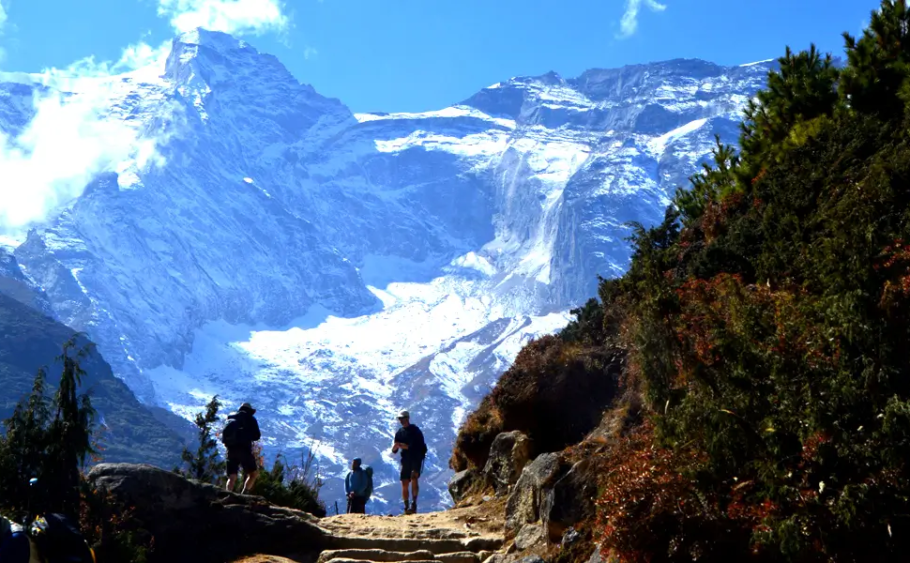
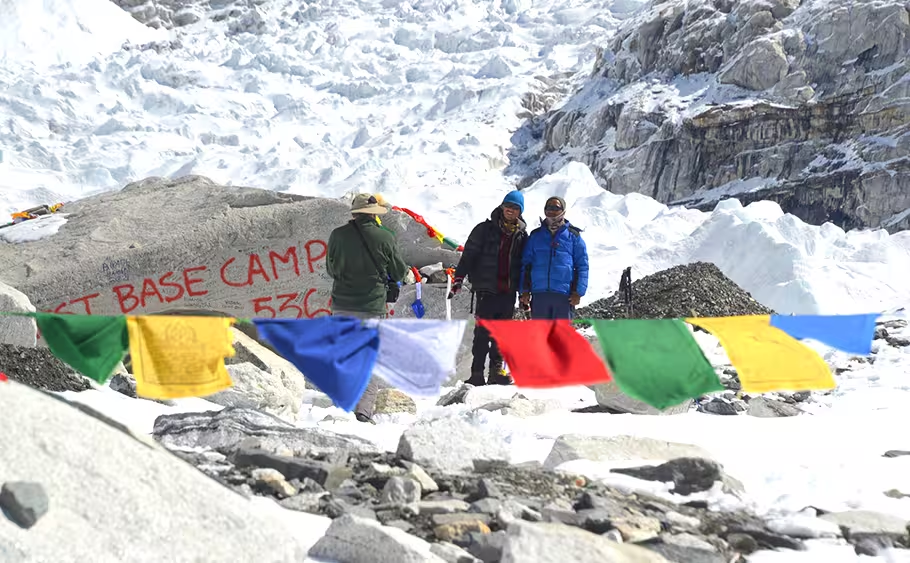
The Everest base camp trek is one of the most incredible adventures in the Himalayas. This trek is an amazing journey through the Khumbu region of Nepal and has ancient Sherpa towns, Buddhist prayer monasteries, suspension bridges, rhododendron and pine forests, glacial valleys, and high villages. Spectacular views of Mount Everest and the other neighbouring peaks of the Himalayas, massive glaciated mountains, can be seen from this trek. Everest base camp is 5,364 meters or 17,598 feet, and Kala Patthar is slightly higher at 5,550 meters/18,209 feet and from that viewpoint, one of the best, if not the best, views of Mount Everest can be seen.
The time required to complete the Everest Base Camp Trek varies based on itinerary, average pace, and acclimatization days. Most people complete the trek in about 12 to 16 days. Most participants fly to Lukla to begin their treks to Phakding, Namche Bazaar, Tengboche, Dingboche,Lobuche and Gorak Shep, and then hike to Everest Base Camp. An itinerary that accounts for an appropriate number of days for trekking to higher altitudes and for acclimatization is necessary to ascend to the extreme altitudes along the trail.
EBC journey has a challenging nature that does not require any technical aspects of climbing or previous mountaineering experience. Expect to walk as much as 8 hours a day on rough, uneven, and even steep terrain. As you gain altitude, the air contains less oxygen, making basic tasks like walking more difficult. Good physical preparation, gradual exposure to the altitude (so that your body can acclimatize), and- most importantly- good pacing and a proper packing list are essential. From personal experience, these aspects are more difficult to manage than the actual trek itself.
This guide discusses the Everest Base Camp Trek 2026 and 2027. Learn about the route, travel costs, difficulty, permits, best times to go, altitude and altitude sickness, and how safe it is on the trek. Get prepared with tips for beginners and veterans of trekking alike to feel confident on the trek.
Everest Base Camp Trek Overview
Everest Base Camp (EBC) is located in the Khumbu region of Nepal, with a section that extends to the border of Bhutan. This trek traverses the entirety of the Everest region. Trekkers begin this adventure in the Solukhumbu region and climb to the Highlands of Everest Base Camp and Kala Patthar to experience one of the most impressive and challenging landscapes while also immersing themselves in the Buddhist and Sherpa cultures. Participants of this trek get to see some of the most diverse and picturesque landscapes, which also house one of the greatest ranges of varying difficulty levels of trekking routes.
Due to the altitude, length of days, the changing trail conditions, and trekking at altitude, the everest base camp trek requires a moderate to high level of fitness. Traditional methods of mountaineering such as climbing, ascending, rappelling, and using technical climbing equipment are not required to complete the trek. With proper planning, a good itinerary, and sufficient time to acclimatize to the altitude, most trekkers are able to complete the trek.
Most trekkers opt to do the EBC trek in a teahouse style. Teahouses are essentially lodges and/or restaurants at varying stages of sophistication that cater to travellers on the trekking trail. The facilities and services are more basic and expensive the higher up you go on the trek.
Why Trek to Everest Base Camp?
Trekking to Everest Base Camp offers more than just ticking the world’s most famous Trek off your bucket list. You get to experience the culture, history and landscapes of one of the world’s most beautiful and harsh regions. Trek passes through several Sherpa settlements and provides several opportunities for trekkers to experience the local hospitality and learn about the Sherpa culture and mountaineering Settlements in the Himalayas.
The views of the mountains change every day and are never disappointing and include the famous Mount Everest and several other stunning peaks including Lhotse, Nuptse, Ama Dablam, Thamserku and Kongde. Namche Bazaar, the Tengboche Monastery, Everest Base Camp and Kala Patthar are other destinations trekkers look forward to visiting. Everest Base Camp and seeing the Sunrise over Everest from Kala Patthar are some of the most Treasured experiences of trekkers on the Trek.
The other big draw is the changing scenery. The lower trail goes through forests and green valleys while the higher sections evolve to become more rugged and alpine. The trek toward Gorak Shep and Everest Base Camp takes you through a dramatic world of high mountains, glaciers, and terrain that is as barren as the moon.
Everest Base Camp Trek Itinerary
A well-designed itinerary is one of the most important parts of a successful Everest Base Camp Trek. The journey should not focus only on reaching Base Camp as quickly as possible. Instead, the itinerary should allow enough time for gradual altitude gain, acclimatization and recovery. Most standard itineraries take around 12 to 16 days, although longer itineraries can provide a more relaxed experience.
Day 1: Kathmandu to Lukla and Trek to Phakding
This adventure starts with a flight from Kathmandu to Lukla, a tiny mountain airport in the Khumbu region. It is a short but spectacular flight with views of the Himalayas. Trekkers land in Lukla and hire or meet their support staff and begin walking toward Phakding. The first day of walking is not long but gives the body a chance to start adjusting to the changes in the environment.
Day 2: Phakding to Namche Bazaar
The trail follows the Dudh Koshi River, going through many small villages and ending at the entrance of Sagarmatha National Park. Suspension bridges and forested areas line the route as it steadily climbs to Namche Bazaar. The trek to Namche is the first long, challenging climb of the trek, but many find it rewarding as Namche is the largest Sherpa village.
Day 3: Acclimatization in Namche Bazaar
Acclimatization days allow your body time to adjust to lower levels of oxygen at higher elevations. This is why extra days are spent in Namche Bazaar. It is best not to spend the entire day resting. Taking a hike to a higher elevation and coming back helps. While acclimatizing, hikers can enjoy the Everest Museum, the view of Mt Everest, the shops, the local beer or just enjoy the scenery.
Day 4: Namche Bazaar to Tengboche
The trail follows an amazing scenic route with great views of Everest and other peaks before dropping down to the Dudh Koshi River. From there, the trail climbs through forests to Tengboche. Tengboche has a famous monastery and a beautiful mountain setting. Stopping there to rest for the day gives you a chance to visit the monastery and enjoy the surrounding mountains.
Day 5: Tengboche to Dingboche
From Tengboche, you head through alpine landscape towards Dingboche. The landscape becomes dominated by mountains and the vegetation becomes thin and scattered. Dingboche is an important high altitude settlement for acclimatization before heading to Lobuche and Everest Base Camp.
Day 6: Acclimatization in Dingboche
A second acclimatization day is normally included in Dingboche. Trekkers can take a gradual hike toward a nearby viewpoint or higher elevation before returning to the village. The purpose is to expose the body to higher altitude without sleeping at that elevation, helping prepare for the increasingly demanding sections ahead.
Day 7: Dingboche to Lobuche
The trail gradually climbs to the high alpine zone. As trekkers make their ascent, they pass memorials located in memory of climbers who lost their lives on Everest and the Himalayas. The landscape continues to transform and thin out and the altitude continues to take its toll. Before making the long journey to Everest Base Camp, trekkers spend the night in Lobuche.
Day 8: Lobuche to Everest Base Camp and Gorak Shep
This is one of the most anticipated days of the trek because the trail heads towards Gorak Shep and Everest Base Camp. The uneven and bumpy trail takes a longer time due to the slower pace caused by the altitude. Everest Base Camp is a major achievement because this is where trekkers get to see nearby Himalayan peaks and glaciers up close. It requires no altitude acclimatization so returning to Gorak Shep is easier than the trek to Base Camp.
Day 9: Kala Patthar and Trek to Pheriche
Early mornings give you the opportunity to hike up to Kala Patthar to witness the sunrise over Mount Everest as well as other peaks like Nuptse and Pumori. At about 5,550 meters, Kala Patthar is the highest point in many standard Everest Base Camp treks. After sunrise, trekkers return to Gorak Shep to enjoy breakfast and begin the journey down to Pheriche to lessen the effects of altitude sickness.
Day 10: Pheriche to Namche Bazaar
The return journey follows the trail back through the Khumbu Valley. As trekkers descend, the air becomes denser and the walking generally feels easier. The route passes through familiar villages and mountain landscapes before reaching Namche Bazaar, where trekkers can enjoy a more comfortable evening.
Day 11: Namche Bazaar to Lukla
The final trekking day follows the Dudh Koshi Valley toward Lukla. The trail includes several uphill and downhill sections before reaching the town where the trek began. After completing the journey, trekkers can relax and celebrate the successful expedition with their guide and trekking team.
Day 12: Lukla to Kathmandu
The final stage is the flight from Lukla back to Kathmandu. Mountain flights are highly dependent on weather and operating conditions, so flight schedules can sometimes change. Keeping an additional day in Kathmandu before an international departure is therefore recommended whenever possible.
How Difficult Is the Everest Base Camp Trek?
Everest Base Camp Trek is generally rated moderate to challenging. The main difficulty does not come from technical climbing but from the combination of high altitude, long walking days, uneven terrain, steep sections and changing weather. Trekkers may walk for approximately five to eight hours per day, with some days requiring longer periods on the trail.
Altitude is the most important factor affecting difficulty. As the trail rises above 3,000 metres, the body receives less oxygen, and walking can become noticeably more tiring. Even people who are physically fit at sea level may find the higher sections challenging. A gradual itinerary, adequate acclimatization and a slow, steady pace are therefore more important than simply having strong physical fitness.
Mental preparation is also important. Some days can feel physically demanding, particularly when walking toward Lobuche, Gorak Shep and Everest Base Camp. Weather conditions may change quickly, and facilities become more basic at higher elevations. Preparing for these conditions before the trek can make the experience much more comfortable.
Everest Base Camp Trek Distance and Daily Walking Hours
The walking distance varies depending on the route taken, but trekkers should be prepared to cover a long distance during the trek. Most people find 5 to 8 hours of walking to be a long day and groups are typically organized to accommodate this.
The hardest walking days are generally considered to be the day we trek to Everest Base Camp from Lobuche and the day we climb to Kala Patthar from Lobuche. At high altitudes, distances become less of a factor and more of a concern is how long it takes to cover a given distance and what impact the altitude is having on the trekker.
Everest Base Camp Trek Altitude and Acclimatization
Altitude is certainly one of the main aspects of the Everest Base Camp trek. Starting at relatively low altitude, the journey climbs steadily up to Everest Base Camp at 5,364 metres, with Kala Patthar at 5,550 metres being even higher. Acclimatization to these higher altitudes is absolutely essential and is built into the trek itinerary.
Namche Bazaar and Dingboche are the main places used for acclimatization stops. Once at one of these places, there are hikes to even higher elevations the same day. Then you return to the lower altitude to sleep. This process helps to give the body some time to adjust to the lower levels of oxygen in the air. Walking slowly is also essential.
Another common high altitude trekking principle is to “climb high, sleep low”. Spending time during the day at higher elevations helps acclimatization, with the safest and most responsible itineraries returning to lower altitudes to sleep at the end of the day.
Altitude Sickness on Everest Base Camp Trek
Altitude sickness can affect anyone, regardless of age, gender or physical fitness. It can occur when the body has not adapted adequately to reduced oxygen levels at high elevation. Common mild symptoms may include headache, tiredness, dizziness, reduced appetite, nausea and difficulty sleeping.
The best approach is to ascend gradually and pay attention to how you feel. Drinking enough water, walking at a comfortable pace, eating properly and following the acclimatization schedule can help reduce the risk. Trekkers should never ignore worsening symptoms or continue ascending simply because they have a fixed itinerary.
Serious altitude-related symptoms require immediate attention and may require descent to a lower elevation. Trekkers should always communicate openly with their guide about how they are feeling. Travel insurance that includes high altitude emergency evacuation is strongly recommended because medical facilities are limited in the remote Everest region.
Best Time for Everest Base Camp Trek
The best seasons for the Everest Base Camp Trek are generally spring and autumn. These seasons offer relatively stable weather, clearer mountain views and favorable trekking conditions. Autumn, particularly October and November, is traditionally one of the most popular periods because of clear skies and excellent visibility.
Spring, especially March through May, is another excellent trekking season. The lower valleys can be colorful with blooming rhododendrons, while the mountain views are often impressive. April and May can also be busy because of the climbing season on Everest.
Winter brings colder temperatures and potential snowfall, especially at higher elevations. However, experienced trekkers who are prepared for cold conditions may still find winter rewarding because the trails can be quieter. The monsoon months from June to August generally bring more rain to lower elevations and can create less favorable trekking conditions.
Everest Base Camp Trek Cost 2026/2027
The cost of an Everest Base Camp Trek varies depending on the itinerary, group size, accommodation standard, guide and porter services, transportation arrangements and services included in the package. Budget, standard and more comfortable trekking options can have significantly different prices.
A typical organized package may include accommodation during the trek, meals, a licensed guide, porter services, required permits and transportation or domestic flights according to the itinerary. Some packages may also include airport transfers, Kathmandu accommodation and trekking equipment, while others charge these separately.
Trekkers should also budget for personal expenses such as snacks, drinks, hot showers, Wi-Fi, charging, tips, souvenirs, travel insurance and emergency costs. When comparing trekking packages, it is important to look beyond the advertised price and check exactly what is included and excluded.
Everest Base Camp Trek Permits
Trekkers entering the Everest region need the appropriate permits and local entry fees required for the route. These generally include the Sagarmatha National Park entry permit and the Khumbu Pasang Lhamu Rural Municipality permit. Requirements and fees can change, so trekkers should confirm the latest regulations before departure.
When traveling with a registered trekking agency, the agency normally helps arrange the required permits and documentation. Trekkers should carry their passport and relevant travel documents throughout the journey because permits may be checked at different points along the trail.
Lukla Flight for Everest Base Camp Trek
The flight to Lukla is one of the most memorable parts of the Everest Base Camp adventure. Lukla’s small mountain airport serves as the traditional gateway to the Khumbu trekking region. The short flight offers spectacular views of the Himalayan landscape, but operations are highly dependent on weather conditions.
During busy trekking periods, flights may operate from Ramechhap/Manthali Airport rather than directly from Kathmandu. This can require an additional road journey from Kathmandu to Ramechhap before the flight to Lukla. Flight schedules can also be affected by visibility, wind and other mountain weather conditions.
Because delays and cancellations can occur, trekkers should avoid scheduling an international flight immediately after returning from Lukla. Keeping at least one spare day in Kathmandu provides valuable flexibility if the mountain flight is delayed.
Accommodation During Everest Base Camp Trek
Accommodation on the Everest Base Camp route is primarily provided by teahouses and trekking lodges. Most offer simple rooms with beds, mattresses and blankets, although the facilities become more basic as the elevation increases. Bathrooms may be shared, and hot showers are generally available for an additional charge in many locations.
The dining room is often the warmest and most social part of the teahouse. Trekkers from different countries gather there to eat, charge devices, communicate with fellow hikers and relax after a long day. At higher elevations, accommodation can be more limited, so travelers should have realistic expectations about comfort.
Food and Drinking Water on Everest Base Camp Trek
Teahouses along the route offer a surprisingly wide variety of meals, although menus become more limited at higher elevations. Common options include dal bhat, noodles, pasta, soups, fried rice, potatoes, eggs, Tibetan bread and momos. Dal bhat is especially popular because it provides a filling combination of rice, lentils and vegetables.
Staying hydrated is particularly important at altitude. Trekkers can use treated or filtered water and carry a reusable bottle or hydration system. Water purification tablets, filters or other suitable purification methods can provide additional protection. Avoiding excessive alcohol and maintaining regular fluid intake can also support acclimatization.
Everest Base Camp Trek Packing List
Packing correctly can make a major difference to comfort on the trek. Clothing should be suitable for changing temperatures, with layers that can be added or removed throughout the day. Essential items generally include trekking trousers, moisture-wicking base layers, fleece or insulating layers, a waterproof jacket, warm down or synthetic insulation, gloves, a hat and good quality trekking socks.
Good trekking boots are particularly important because the trail contains rocky, uneven and sometimes slippery sections. A comfortable backpack, sleeping bag suitable for cold conditions, trekking poles, headlamp, sunglasses, sunscreen, water bottles, personal medication, basic first aid supplies and toiletries are also useful.
Trekkers should avoid overpacking. A practical packing strategy is to take only what is necessary while ensuring that important cold weather and safety equipment is included. A duffel bag carried by a porter and a smaller daypack can make the trek considerably more comfortable.
Physical Training and Preparation for Everest Base Camp
Physical preparation should ideally begin several weeks before the trek. Regular walking, hiking, stair climbing and cardiovascular exercise can help build the endurance needed for long trekking days. Strengthening the legs and core can also make steep ascents and descents easier.
It is useful to practice walking with a backpack before departure. Training hikes should gradually increase in duration and elevation so that the body becomes accustomed to spending several hours on its feet. However, physical fitness does not prevent altitude sickness, so training should always be combined with proper acclimatization during the trek.
Mental preparation is equally valuable. The Everest Base Camp Trek involves long days, basic accommodation, cold temperatures and physically demanding sections. Understanding these conditions beforehand helps trekkers maintain a positive attitude when the trail becomes difficult.
What to Expect on the Everest Base Camp Trek
Trekkers should expect a combination of comfortable and challenging experiences. Lower sections of the route pass through forests, villages and cultivated landscapes, while the higher sections become increasingly rocky, dry and alpine. The scenery changes dramatically as the trail climbs toward the Everest region.
Teahouse life is another important part of the experience. Facilities become more basic at higher elevations, and services such as hot showers, Wi-Fi and charging may cost extra. Internet connectivity can be slower or unreliable in remote areas, so trekkers should be prepared to spend periods without consistent connectivity.
Weather is another factor that can influence the experience. Morning conditions are often clearer, while clouds and wind can develop later in the day. At high elevations, temperatures can drop significantly after sunset, so warm clothing and proper sleeping equipment are essential.
Everest Base Camp Trek With a Guide and Porter
Trekking with a licensed guide provides valuable support throughout the journey. A knowledgeable guide can help with navigation, monitor the group’s condition, explain local culture and traditions, assist with accommodation and respond to unexpected situations. Local guides also bring experience with the trail and high-altitude environment.
Porters can carry the majority of your trekking equipment, allowing you to walk with a lighter daypack. This can significantly reduce physical strain during long uphill sections. Responsible trekking agencies should ensure that porters are properly equipped, fairly treated and not overloaded.
Private and group trekking options are both available. A private trek provides greater flexibility over pace and itinerary, while a group trek can be more social and may be more economical. The best choice depends on your budget, travel style and preference for flexibility.
Everest Base Camp Trek for Beginners
Everest Base Camp Trek can be completed by beginners who are physically prepared and follow a sensible acclimatization itinerary. Previous high-altitude trekking experience is helpful but is not normally required for the standard route. Beginners should understand, however, that this is not an easy walk and that the altitude presents a challenge even for fit travelers.
First-time trekkers should focus on gradual preparation rather than trying to achieve extreme fitness levels. Regular hiking, endurance training and practice with trekking equipment can build confidence. During the trek, beginners should walk slowly, communicate with their guide and never ignore symptoms of altitude sickness.
Everest Base Camp Trek for Couples and Families
The Everest Base Camp Trek can be a rewarding experience for couples who want to share a challenging Himalayan adventure. A private itinerary allows couples to travel at their preferred pace and spend more time enjoying villages, viewpoints and mountain scenery along the way.
Families may also be able to trek in the Everest region, but suitability depends on the age, fitness, health and previous hiking experience of each family member. Families should choose an itinerary with sufficient acclimatization and avoid rushing the journey. A private guide can provide additional flexibility for family groups.
Everest Base Camp Trek Safety Tips
Safety begins with proper preparation and a realistic itinerary. Trekkers should understand the effects of altitude, stay hydrated, follow acclimatization days and maintain a comfortable walking pace. Weather conditions should also be monitored because mountain conditions can change rapidly.
Travel insurance with appropriate high-altitude coverage and emergency evacuation protection is strongly recommended. Trekkers should also carry necessary personal medication, keep important documents secure and follow the advice of their guide.
The most important safety rule is to listen to your body. If altitude symptoms become worse, continuing higher is not the correct solution. A responsible trekking plan should always allow for changes when weather, health or trail conditions require them.
Responsible and Sustainable Trekking in the Everest Region
The Everest region is environmentally and culturally sensitive, so responsible trekking is important. Trekkers should avoid unnecessary plastic waste, use refillable water bottles where possible and dispose of rubbish properly. Respecting local communities, monasteries, prayer wheels and religious customs is equally important.
Choosing locally owned teahouses, hiring local guides and porters and purchasing local products can help ensure that tourism benefits communities in the region. Trekkers should also avoid damaging vegetation, disturbing wildlife or leaving waste along the trail.
Responsible trekking helps preserve the Khumbu region for future generations while supporting the communities whose livelihoods depend on tourism.
Everest Base Camp Trek Alternatives
Travelers who want to explore more of the Everest region have several alternatives to the classic Everest Base Camp route. The Everest Base Camp with Gokyo Lakes and Cho La Pass is a more challenging option that combines two spectacular valleys and crosses a high mountain pass.
The Gokyo Lakes Trek is another excellent choice for travelers who want spectacular mountain scenery without following the entire classic Base Camp route. The Everest View Trek provides a shorter alternative for those with limited time, while a helicopter return option can reduce the amount of walking required on the return journey.
Choosing the right itinerary depends on your available time, fitness, budget and interest in exploring different parts of the Everest region.
Frequently Asked Questions About Everest Base Camp Trek
How many days does the Everest Base Camp Trek take?
The standard Everest Base Camp Trek generally takes around 12 to 16 days, including acclimatization days and travel between Kathmandu and Lukla. Longer itineraries are also available for trekkers who prefer a slower pace or additional acclimatization.
How difficult is the Everest Base Camp Trek?
The trek is generally considered moderate to challenging. The main challenges are high altitude, long walking days, uneven terrain, cold weather and steep sections. Technical climbing skills are not normally required.
Can beginners do the Everest Base Camp Trek?
Yes, beginners can complete the trek if they are physically prepared and follow an itinerary with adequate acclimatization. Previous high-altitude trekking experience is not essential, but good endurance and careful preparation are important.
How much does the Everest Base Camp Trek cost?
The cost varies according to itinerary length, group size, accommodation, guide and porter services, transportation and inclusions. Personal expenses such as tips, snacks, charging, Wi-Fi and travel insurance should also be considered when calculating the total budget.
What is the highest point of the Everest Base Camp Trek?
Kala Patthar, at approximately 5,545 metres, is higher than Everest Base Camp itself and is commonly the highest point reached on the standard trekking route. Everest Base Camp is approximately 5,364 metres above sea level.
What is the best time for Everest Base Camp Trek?
Spring and autumn are generally the best seasons. March to May and September to November usually provide favorable trekking conditions and good mountain visibility, although weather can vary from year to year.
Do I need a guide for Everest Base Camp Trek?
Trekking requirements can change, so travelers should confirm the latest Nepal government and local regulations before departure. Trekking with a licensed guide is strongly recommended because guides provide navigation, altitude support, local knowledge and assistance in emergencies.
What permits are required for Everest Base Camp Trek?
The trek generally requires the Sagarmatha National Park entry permit and the Khumbu Pasang Lhamu Rural Municipality permit. Current requirements and fees should be confirmed before departure because regulations can change.
Is altitude sickness common on Everest Base Camp Trek?
Altitude sickness is a significant consideration because the trek reaches more than 5,000 metres. Gradual acclimatization, proper hydration, a slow pace and awareness of symptoms are important for reducing risk.
What should I pack for Everest Base Camp Trek?
Essential items include suitable trekking clothing, warm layers, waterproof outerwear, trekking boots, sleeping equipment, gloves, hats, sunglasses, sunscreen, trekking poles, water bottles, personal medication and basic first-aid supplies. Packing should be practical without carrying unnecessary weight.
Is there Wi-Fi and electricity on the Everest Base Camp Trek?
Many teahouses provide electricity and Wi-Fi, but availability and reliability vary by location. Charging and internet access may cost extra, especially at higher elevations.
What happens if the Lukla flight is cancelled?
Lukla flights can be affected by weather and operating conditions. Depending on the situation, travelers may need to wait for the next available flight or consider alternative transportation arrangements. Keeping an extra day in Kathmandu is strongly recommended before an international departure.
Conclution
Everest Base Camp Trek is an extraordinary journey that combines Himalayan scenery, Sherpa culture, Buddhist heritage and a challenging high altitude adventure. From the first flight to Lukla and the busy streets of Namche Bazaar to the dramatic landscapes around Gorak Shep, Everest Base Camp and Kala Patthar, every stage of the trek offers a different experience.
The key to a successful trek is preparation. Choose an itinerary with sufficient acclimatization, train your body before departure, pack appropriate equipment, understand the risks of altitude and allow flexibility for mountain weather and flight delays. With careful planning and a responsible approach, the Everest Base Camp Trek in 2026 or 2027 can become one of the most memorable adventures of your life.
I am the Founder and Owner of Hill Sherpa Trekking Pvt. Ltd. With more than 15 years of experience in the Himalayan tourism and mountaineering industry, I established the company with a passion for mountain adventures and a commitment to responsible tourism. Since then, I have dedicated my career to creating safe, authentic, and unforgettable trekking and climbing experiences throughout the Himalayas.





 Everest Base Camp (EBC) is located in the Khumbu region of Nepal, with a section that extends to the border of Bhutan. This trek traverses the entirety of the Everest region. Trekkers begin this adventure in the Solukhumbu region and climb to the Highlands of Everest Base Camp and Kala Patthar to experience one of the most impressive and challenging landscapes while also immersing themselves in the Buddhist and Sherpa cultures. Participants of this trek get to see some of the most diverse and picturesque landscapes, which also house one of the greatest ranges of varying difficulty levels of trekking routes.
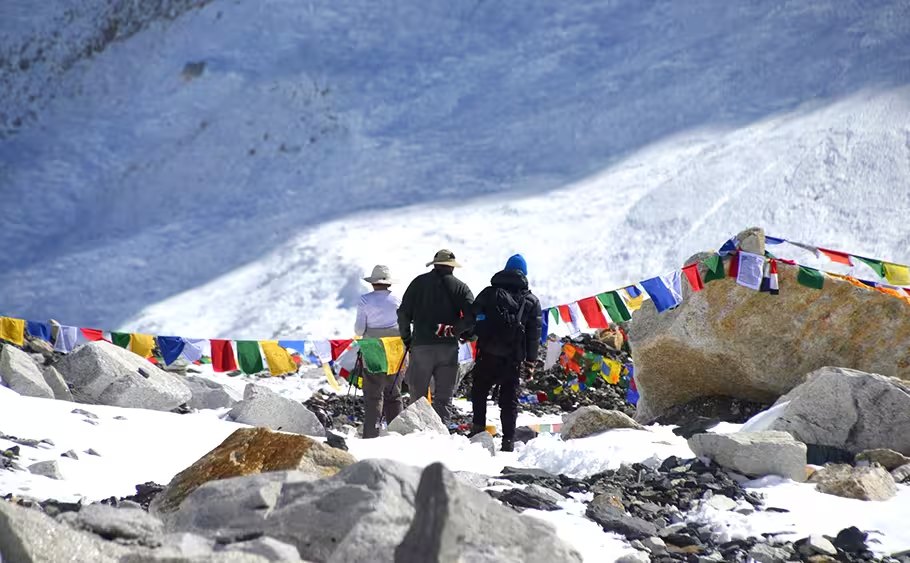 Trekking to Everest Base Camp
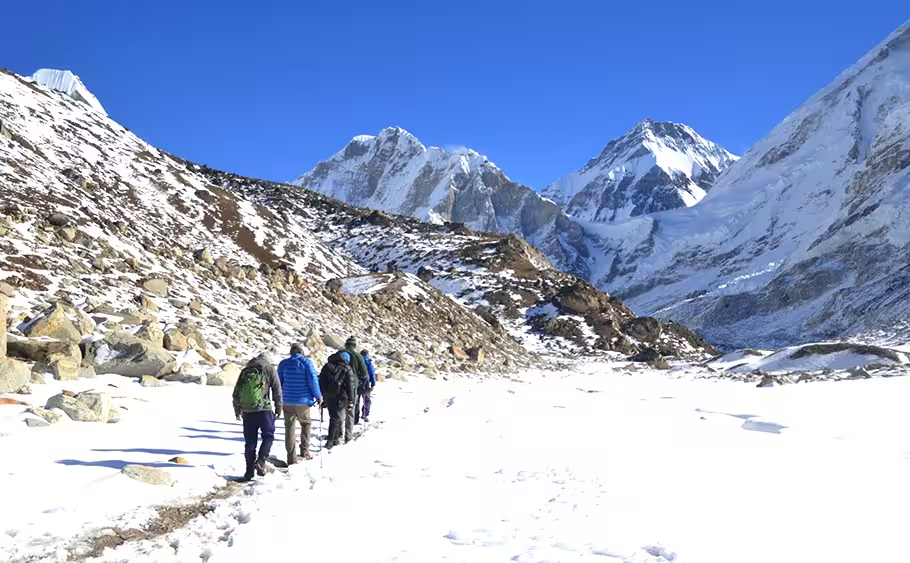 Everest Base Camp Trek is generally rated moderate to challenging. The main difficulty does not come from technical climbing but from the combination of high altitude, long walking days, uneven terrain, steep sections and changing weather. Trekkers may walk for approximately five to eight hours per day, with some days requiring longer periods on the trail.
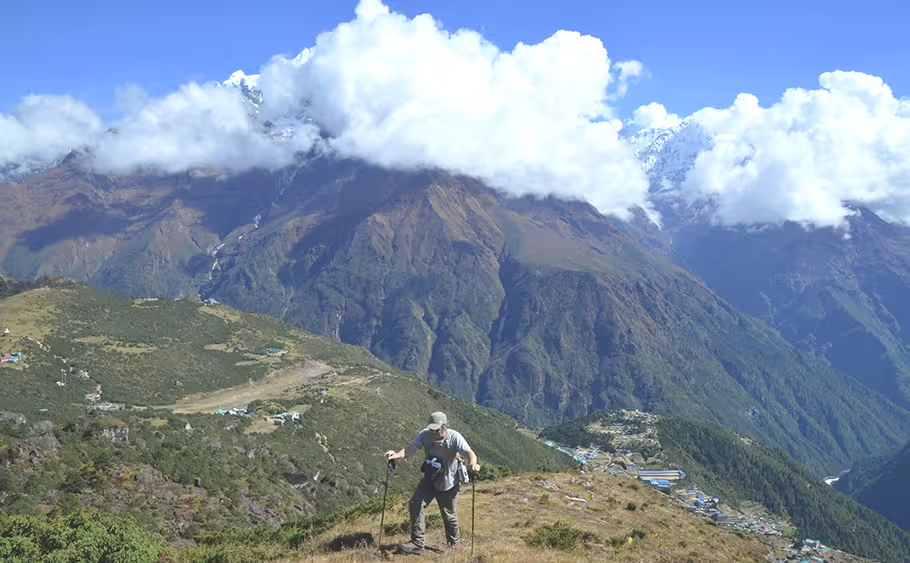 Altitude is certainly one of the main aspects of the Everest Base Camp trek. Starting at relatively low altitude, the journey climbs steadily up to Everest Base Camp at 5,364 metres, with Kala Patthar at 5,550 metres being even higher. Acclimatization to these higher altitudes is absolutely essential and is built into the trek itinerary.
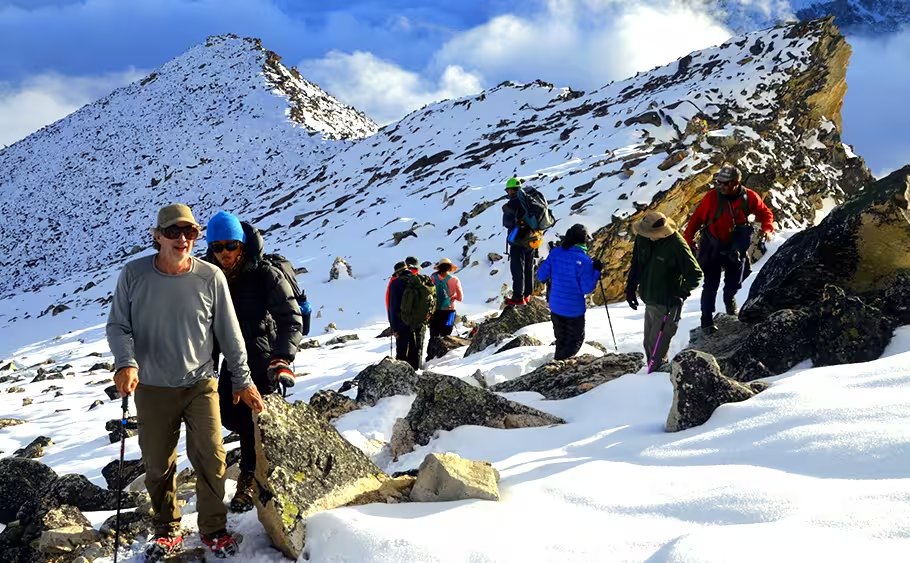 Altitude sickness can affect anyone, regardless of age, gender or physical fitness. It can occur when the body has not adapted adequately to reduced oxygen levels at high elevation. Common mild symptoms may include headache, tiredness, dizziness, reduced appetite, nausea and difficulty sleeping.
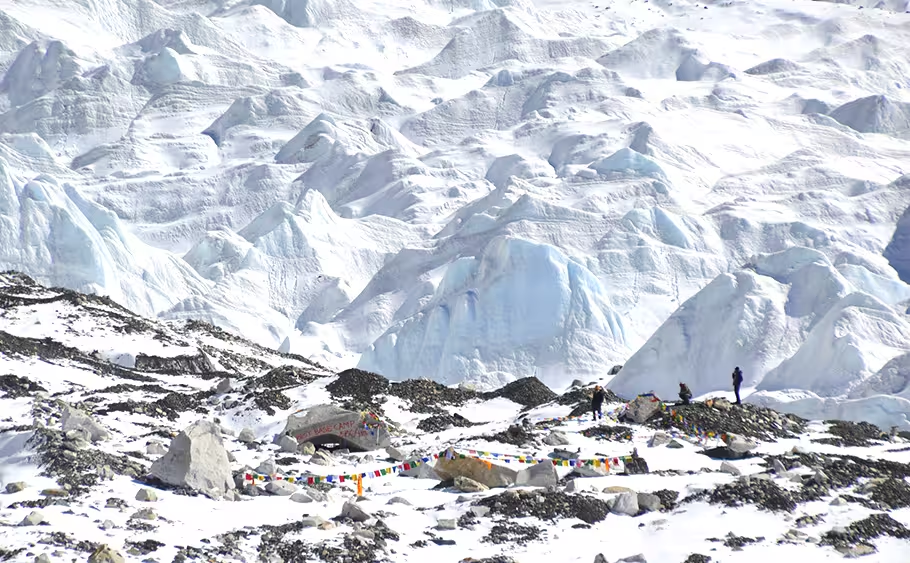 The best seasons for the Everest Base Camp Trek are generally spring and autumn. These seasons offer relatively stable weather, clearer mountain views and favorable trekking conditions. Autumn, particularly October and November, is traditionally one of the most popular periods because of clear skies and excellent visibility.
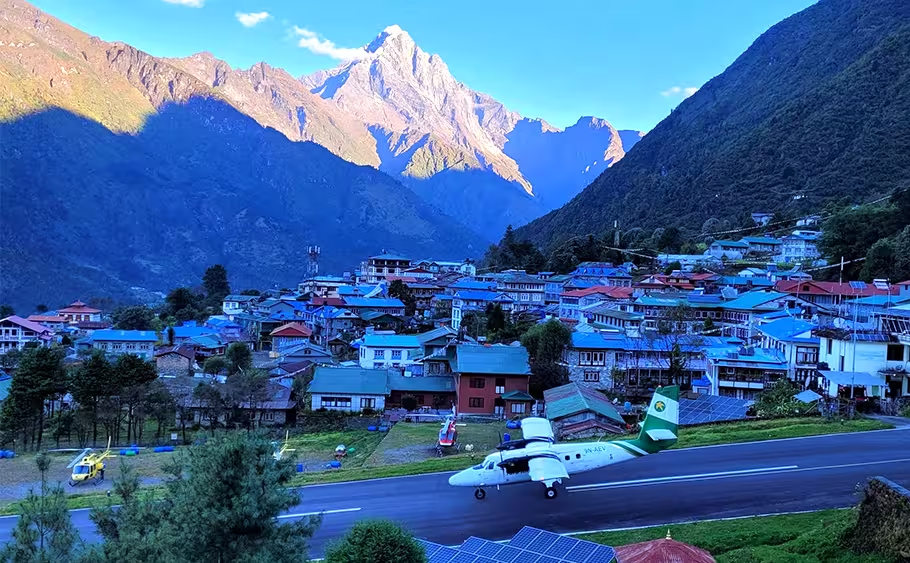 The flight to Lukla is one of the most memorable parts of the Everest Base Camp adventure. Lukla’s small mountain airport serves as the traditional gateway to the Khumbu trekking region. The short flight offers spectacular views of the Himalayan landscape, but operations are highly dependent on weather conditions.
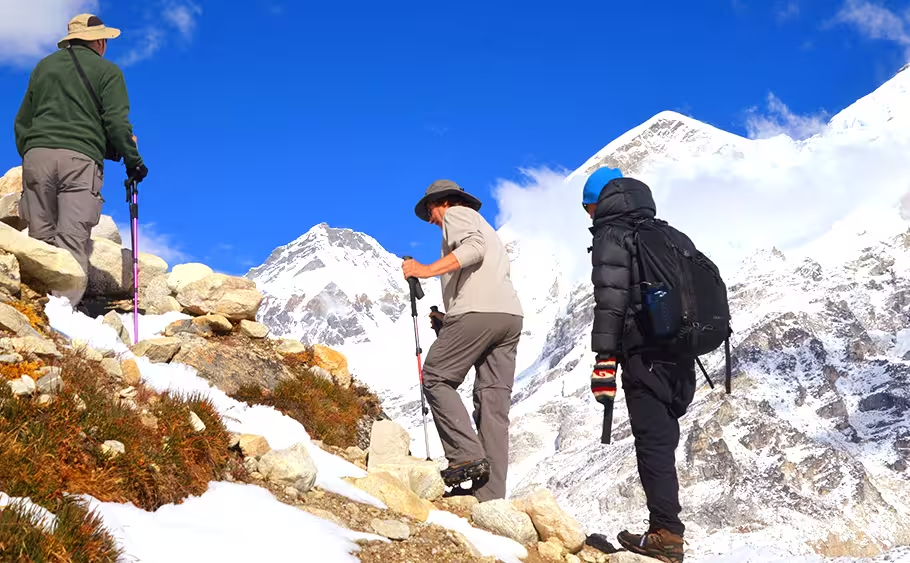 Physical preparation should ideally begin several weeks before the trek. Regular walking, hiking, stair climbing and cardiovascular exercise can help build the endurance needed for long trekking days. Strengthening the legs and core can also make steep ascents and descents easier.
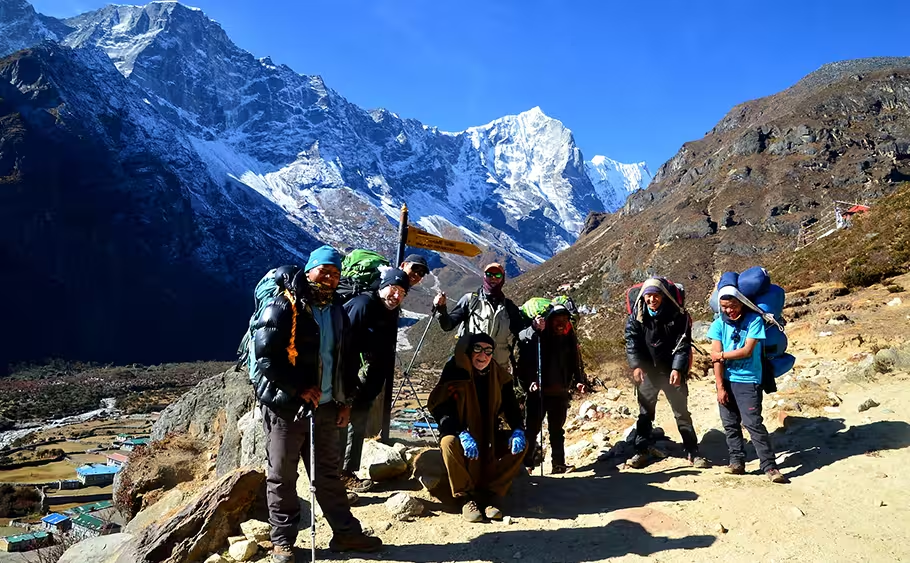 Trekking with a licensed guide provides valuable support throughout the journey. A knowledgeable guide can help with navigation, monitor the group’s condition, explain local culture and traditions, assist with accommodation and respond to unexpected situations. Local guides also bring experience with the trail and high-altitude environment.