Makalu Base Camp via Kanchenjunga Trek – Nepal’s Ultimate Great Himalayan Traverse
The Makalu Base Camp via Kanchenjunga Trek brings trekkers to some of the most isolated regions of the Nepalese Himalayas and is one of the most challenging trekking routes in Nepal. Walkers following some sections of the Great Himalayan Trail (GHT) get a chance to see the untouched Kanchenjunga valleys along with the remote wilderness of Makalu (8,485 m / 27,838 ft.) This trek allows those looking for an adventure to experience the Himalayas at their most wild, untouched, and culturally rich.
Most of the trekking routes in Nepal are frequented by tourists. This trek leads trekkers to remote mountain passes, ancient forests, alpine meadows, glacier basins, and isolated valleys. There are days when trekkers will not see a single person. The trek weaves through two of the most protected areas of Nepal, Makalu Barun National Park and the Kanchenjunga Conservation Area. These areas are home to some of the rarest wildlife in the world, including the red panda, the blue sheep, the Himalayan black bear, the musk deer, and the snow leopard.
Most trekkers begin in the town of Taplejung, the official start of the Kanchenjunga region. The first part of the trek leads through villages of the Limbu, Rai, Sherpa, and Bhote people. These villages have ancient monasteries and offer trekkers warm hospitality. The people of these villages lead an authentic mountain lifestyle. The forests begin to change to subtropical forests filled with rhododendrons along with alpine pastures. Snow-covered glaciers are typical in this region.
Most itineraries have you trudging to the Kanchenjunga North Base Camp (Pangpema), at 5,143 meters, to snap shots of Kanchenjunga (8,586 meters), which is the third tallest mountain in the world. However, the longer itineraries tend to have the Kanchenjunga South Base Camp (Oktang) side trip, where massive glaciers spill from the southern face of Kanchenjunga. These viewpoints contain one of the best mountain vistas in all of the eastern Himalayas.
After leaving the Kanchenjunga area, the trail enters one of Nepal’s most isolated areas. The trekkers advance to the Makalu region by crossing the treacherous alpine, glacial landscape and an array of Nepal’s tallest mountain passes. Depending on the trekkers’ chosen itinerary, the expedition may include technical crossings of Sherpani Col (about 6,146 meters), West Col(about 6,143 meters), and, on some traverse variations, Amphu Laptsa Pass (5,845 meters). Due to the elevation of these passes, trekkers should have an excellent level of fitness, prior knowledge of high-altitude trekking, and, on the technical sections, a good command of mountaineering skills to operate under the supervision of qualified climbing guides.
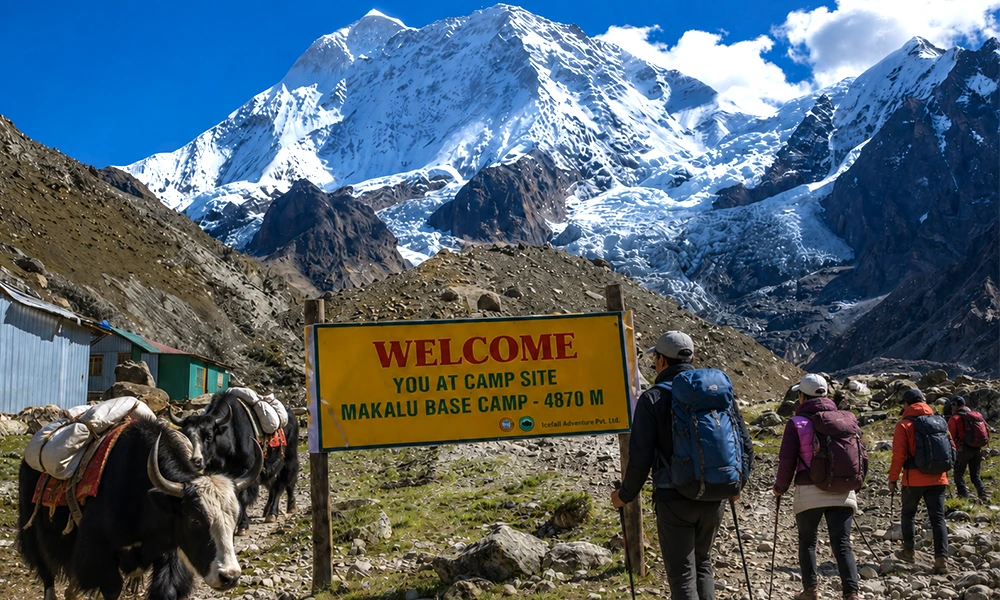
Following the entry into the Makalu region, the trail drops into the Barun Valley and soon after ascends to Makalu Base Camp (4,870 meters). Barun Valley is enclosed by a number of the tallest mountains, and once you see the majestic Makalu, the trekking along the Kanchenjunga Base Camp truly is some of the most picturesque trekking that you can find in Nepal. The beauty of the Makalu Base Camp is that, unlike other more commercialised trekking routes, it preserves the striking beauty of the Himalayas in its most pristine form.
The trek may take anywhere from 25 to 35 days. Factors include the trek route, acclimatisation, side trips, and the weather. Accommodations include the normal teahouses in the villages and camping for the unsupported sections. The length, remoteness, and the technical aspects of the trek make it suitable for people who are physically fit and have the experience and the determination to trek in the mountains for several weeks at high altitudes. This trek is suitable for people who are highly experienced.
While the mountains create a fantastic backdrop, this trek is unique from the others because it allows the trekker to experience the different cultures that make up the country of Nepal. During this trek, you will have the opportunity to see the many cultures and communities of the Limbu, Rai, Sherpa and Tibetans, who have lived in these mountains for many years. Ancient monasteries and mani walls, along with prayer wheels and chortens, reflect the region’s deep spiritual heritage. Local festivals and agricultural traditions provide insight into daily life in the remote Himalayas.
The best weather for this trip is during the spring (March to May) and the fall (late September to November) because of the mild trek temperatures and less weather, and clearer views of the mountains. Winter has heavy snow in the higher passes, and summer has poor visibility, and long treks become very dangerous. Summer and winter are not good times to trek.
The Makalu Base Camp via Kanchenjunga Trek is an adventure in the Himalayas. Not an average trek, this adventure encompasses the stunning wilderness areas and the highest mountain ranges in the world. It is an adventure of a lifetime that rewards those who are willing to step outside their comfort zone. This trek is for those lacking fear of some of the world’s most rugged terrain. This trek is not for the faint of heart, but those willing to challenge themselves will forever acknowledge the beauty and enormity of their surroundings.
Trek Highlights
The Makalu Base Camp via Kanchenjunga Trek is one of trekker’s dream adventures. This trek showcases the incredible beauty of the Nepalese wilderness. The combination of ancient villages, impenetrable forests, towering ice glaciers, and high-altitude mountain passes sets this trek apart. Below are the amazing features of one of the longest epic adventures through the Himalayas.
Trek to the Base Camps of Two Himalayan Giants
One of the major features of this trek is the chance to visit the base camps of the world’s highest mountains. The trek reaches Kanchenjunga North Base Camp (Pangpema) at 5,143 m and gives travellers an incredible view of the north face of Kanchenjunga (8,586m), the 3rd highest mountain in the world. Depending on the itinerary, travellers might also visit the breathtaking Kanchenjunga South Base Camp (Oktang) and its majestic glaciers which flow from the southern face of the mountain.
The trek also visits Makalu Base Camp (4,870 m), which sits at the base of the 5th highest mountain in the world, Mount Makalu (8,485m). The experience of standing at the base of these remarkable mountains is one that travellers will never forget.
Experience a True Great Himalayan Trail Adventure
One of the best parts of this trek is that you are visiting one of the most remote sections of Nepal’s Great Himalayan Trail. This challenging trek is a long-distance hike that runs through the famed remote regions of the entire Nepalese Himalayan Range. This specific section is largely untouched by mass tourism, unlike many of the popular trekking routes in Nepal.
Expect to spend several days crossing suspension bridges, trekking through isolated valleys and walking alpine meadows. In this adventure, expect to camp in the wilderness. This section is perfect for those longing for a true Himalayan trek.
Traverse Difficult High Mountain Passes
For mountaineers and trekkers who are looking to challenge themselves, crossing high mountain passes is always a highlight of the trek. Depending on the route taken, several challenging passes are crossed. Some of these passes include.
Sherpani Col (approx. 6,146 meters)
West Col (approx. 6,143 meters)
Amphu Laptsa Pass (5,845 meters) on some variations of the traverse.
These crossings, along with a few others, will involve steep ascents, snowfields and eventually some glaciers. These sections will be completely technical. Expect to use ropes, crampons, helmets and ice axes to assist in crossing these challenging sections. Part of the experience of a trek like this is the reward of crossing these challenging passes.
Visit the Famous Himalayan Mountains
Trekking through this rugged terrain ensures that you always stay amazed. Most importantly, you should prepare yourself to see Mt. Kanchenjunga (8,586m), Mt. Makalu (8,485m), Mt. Everest (8,849m), Mt. Lhotse (8,516m), Chamlang (7,319m), Baruntse (7,129m), Jannu (Kumbhakarna), Kabru Peak, Peak 6, Peak 7, and many other unnamed Himalayan peaks and glaciers. Depending on the weather, you may see all of these major peaks and more. There are dramatic walls of glaciers and ridges of ice that stretch across the Eastern Himalayan range.
Go to the Last Remaining Untouched Wilderness of Nepal
The rugged morphology of a land dominated by ancient forests of rhododendron, oak, and pine is easily seen and traversed. This changes to alpine grasslands and glacial moraines, rocky valleys that hide permanent snow fields. One of the last great wilderness areas in the Himalayas, this ancient terrain has no modern developments or roads. Walk without interruption through the vast beauty of nature and quietly observe the environment.
Meet and Greet the Himalayan People
The rugged terrain is dominated by ancient forests of rhododendron, oak and pine. This changes to an alpine wilderness where glacial moraines and rocky valleys are filled with permanent snow. Ancient forests of oak and pine are completely devoid of roads. It is a remarkable wilderness that remains unchanged and provides an untarnished nature. Observing the beauty of this environment is particularly fascinating. The austere terrain is not only magnificent, but is also extraordinarily beautiful. It becomes something more than a trek through Nepal when you can meet the people of the different communities. You will visit the ancient monasteries, spinning prayer wheels and seeing the mantras, chortens, and prayer walls, all corresponding with the Tibetan Buddhism of the region.
Trek Through Two Protected Conservation Areas
This trek uniquely combines two of Nepal’s special protected areas
Kanchenjunga Conservation Area
Makalu Barun National Park
Combined, these protected landscapes safeguard several thousand square kilometers of pristine wilderness in the form of untouched woodlands and wild alpine and glacial ecosystems. Such landscapes and the species they support are of unparalleled significance on the world stage.
The area teems with rare and often protected wildlife of the region. Due to the protected wilderness through which the trek passes, opportunities to view the animal life of the Himalayas are excellent. Though there are no guarantees, some of the of the region’s wildlife includes.
Red Panda
Snow Leopard
Himalayan Black Bear
Blue Sheep
Himalayan Tahr
Musk Deer
Himalayan Monal (Danphe)
Blood Pheasant
Many other birds and wildlife of the alpine
Due to its great diversity of wildlife, this trek is unparalleled for nature and wildlife enthusiasts.
True Expedition-Style Trekking
Unlike conventional teahouse treks, this trek includes long, remote, and wilderness sections requiring fully supported camping. Specially trained staff such as guides, cooks, and porters perform all the necessary camping and cooking, and other logistical duties of an established camp, allowing the trekkers to focus on the trek.
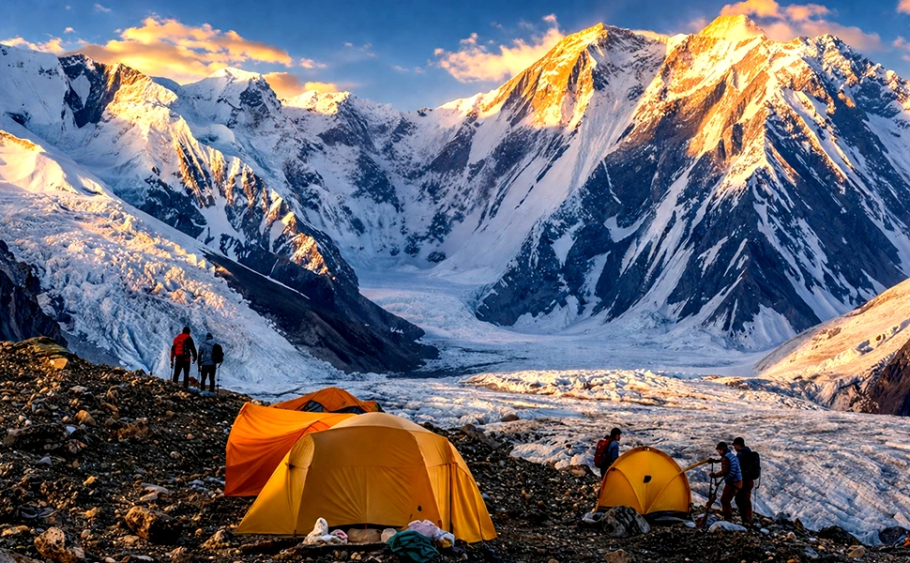
Few trekkers have the opportunity to camp beneath the soaring lofty Himalayas, beside glaciers, and beneath brilliant star-filled skies. This trek provides a one-of-a-kind, unforgettable, and astonishingly beautiful expedition atmosphere.
Complete One of Nepal’s Greatest Trekking Achievements
Known as one of the last trekking challenges, the Makalu Base Camp via Kanchenjunga trek is undoubtedly one of the trekking challenges you will not forget. A major issue of this trek is the sheer distance. Completing this trek, you will receive the satisfaction that few people in the world will ever experience by trekking through some of the most remote terrains of the Himalayas.
Where is the Makalu Base Camp via Kanchenjunga Trek?
Makalu Base Camp
The Eastern Nepal Makalu Base Camp via Kanchenjunga Trek integrates the remote Kanchenjunga Conservation Area with Makalu Barun National Park and is one of the most beautiful sections of the Great Himalayan Trail (GHT). This wilderness trek focuses on alpine valleys, mountain passes, forests, and glaciers and is designed for trekkers looking for a true wilderness trek, far away from the more popular trekking routes in Nepal.
The trek starts in Taplejung, the access point to the Kanchenjunga area, and ends in Num, the access point to the Makalu area. The trek passes through Limbu, Rai, Sherpa and Bhote villages, and showcases the views of the peaks of Kanchenjunga, Makalu, Everest, Chamlang and numerous other peaks. This trek is one of the most rewarding treks in Nepal with its combination of wilderness and culture.
Route Overview
The Makalu Base Camp via Kanchenjunga Trek is a 25-35 days trek that can be between 350-450 km (217-280 miles) long, and is a demanding trek in eastern Nepal. The trek begins in Taplejung, continues to the Kanchenjunga North Base Camp, and crosses remote alpine scenery to the Makalu Base Camp via the high Sherpani Col and West Col. The more adventurous also opt for the more technical Amphu Laptsa Pass.
The route includes lower valley tea house trekking and higher, more remote mountain trekking that requires camping, as no permanent lodges are present in the high mountains. The adventure concludes in Num, requiring either a drive or flight back to Kathmandu. This trek is for the experienced, combining true wilderness trekking of the Himalayas with technical features and challenging, beautiful scenery.
Major Destinations Along the Trek
The Makalu Base Camp via Kanchenjunga Trek goes through the wildest parts of Nepal, including the remote villages, untouched valleys, glaciers, and high mountain passes. Each of these parts of the trek has its own views, culture, and shares the great scenery of the Himalayas.
Taplejung
The trek starts in Taplejung, the entry point to the Kanchenjunga region. Nestled in the green hills and amongst the traditional villages is the start of the great Himalayan adventure.
Ghunsa (3,475 m / 11,401 ft)
Ghunsa is a picture-perfect Sherpa village with a stunning setting amidst a pine forest. This is a key acclimatisation stop. Traditional, yet modern stone houses dot the village along with Buddhist monasteries with dramatic views of the mountains.
Lhonak (4,780 m / 15,682 ft)
Lhonak is a village in a glacial valley. It’s the last place for camping on the way to the Kanchenjunga North Base Camp. The area is appealing because it is rugged. It features lots of large glaciers and impressive tall mountains, which are snowy and peaked.
Kanchenjunga North Base Camp (Pangpema) 5,143 m / 16,873 ft
This is one of the highlights of the trek as Pangpema offers one of the best base camp viewpoints in all of Nepal to see the enormous glaciers of Mount Kanchenjunga (8,586 m) along with spectacular views of the mountain itself.
Kanchenjunga South Base Camp (Oktang) Optional
Depending on the trek itinerary, Oktang is a must to see the impressive south face of Kanchenjunga and the Yalung Glacier amongst other stunning views of the mountains.
Tseram and Ramche
These two villages are some of the best places to see the soaring peaks and vast glaciers along the Simbuwa Valley. Because of the scenic meadows surrounding them, they are ideal stops for trekkers on their way to Kanchenjunga South Base Camp.
Sherpani Col (Approx. 6,146 m / 20,164 ft)
Sherpani Col is one of Nepal’s highest trekking passes. It involves glacier travel and basic mountaineering. It is a significant challenge of the expedition.
West Col 6,143 m / 20,154 ft)
West Col, located near Sherpani Col, is also a challenging crossing, offering exceptional views of glaciers, icefalls and the peaks of the Himalayas.
Upper Barun Valley
Crossing the high passes, the trail enters the wild and rugged Barun Valley, boasting a spectacular wilderness, hanging glaciers, waterfalls and alpine meadows.
Makalu Base Camp (4,870 m / 15,978 ft)
The expedition reaches Makalu Base Camp, beneath the impressive south face of Makalu (8,485 m). Surrounded by Chamlang, Baruntse, Peak 6 and Peak 7, this is one of the finest views of the Nepalese mountains.
Langmale (4,410 m / 14,469 ft)
Scenic Langmale, an alpine campsite, is a wonderful, scenic, alpine campsite, is a wonderful resting spot after the Makalu Base Camp descent.
Yangri Kharka and Mumbuk
After the rugged high mountains, the trail is a welcome change as it descends through meadows, rhododendron forests, and bamboo woodlands.
Tashigaon (2,100 m / 6,890 ft)
In Tashigaon, the last permanent village in the Makalu region, trekkers can experience local culture before leaving the national park.
Num (1,560 m / 5,118 ft)
The road-connected hillside village of Num is the trek’s end. From here, trekkers will rest and begin to return after one of the finest Himalayan expeditions in Nepal.
Mountains Visible During the Trek
The views are breathtaking during the Makalu Base Camp via Kanchenjunga Trek. All the valleys, mountain passes, and base camps on the trek hold something new: one could find glacier views and peaks cloaked in ice.
Mount Kanchenjunga (8,586 m / 28,169 ft)
The third tallest mountain in the world is the highlight of the first section of the trek. It is possible to see Kanchenjunga from Pangpema (Kanchenjunga North Base Camp) and Oktang (South Base Camp).
Mount Makalu (8,485 m / 27,838 ft)
Makalu Base Camp is dominated by the mountain of the same name. Makalu is the fifth tallest of the world’s peaks and its summit is pyramid-shaped.
Mount Everest (8,849 m / 29,032 ft)
Mount Everest is seen distantly on clear days from many passes and ridges on the trek.
Lhotse (8,516 m / 27,940 ft)
Lhotse is tall as well and peaks above Everest. It is seen during the trek from higher sections of the Himalayas.
Chamlang (7,319 m / 24,012 ft)
One of the peaks of Eastern Nepal, Chamlang rises steeply and is completely covered in ice.
Baruntse (7,129 m / 23,389 ft)
Baruntse is also covered in ice and is between Everest and Makalu. It is a beautiful peak seen from Makalu Base Camp.
Jannu (Kumbhakarna) 7,710 m / 25,295 ft
Respecting Jannu’s vertical walls, many claim it’s one of the finest mountains in the Kanchenjunga region.
Other Himalayan Peaks
On the trek, one can also spot Kabru, Peak 6, Peak 7, Tent Peak, several unnamed, windy peaks and lecturing, hanging glaciers, and large icefields. These sights make this trek one of the best in Nepal.
Trek Facts at a Glance
Category
Details
Trek Duration
25 to 39 Days
Trek Distance
Approximately 350-450 km (217-280 miles)
Maximum Elevation
Sherpani Col – Approximately 6,146 m (20,164 ft)
Makalu Base Camp Elevation
4,870 meters (15,978 ft)
Kanchenjunga North Base Camp
5,143 meters (16,873 ft)
Difficulty Level
Extremely Challenging (Expedition Grade)
Daily Walking Time
5 to 9 hours
Accommodation
Teahouses and Fully Supported Camping
Meals
Local Teahouse Meals and Camping Meals
Best Seasons
Spring (March to May) and Autumn (September to November)
Required Experience
Previous High-Altitude Trekking and Basic Mountaineering Skills
Permits Required
Kanchenjunga Conservation Area Permit, Makalu Barun National Park Permit, and other permits as required
Starting Point
Taplejung
Ending Point
Num
Transportation
Flight/Drive to Taplejung and Drive from Num to Kathmandu
Major Highlights
Kanchenjunga & Makalu Base Camps, Sherpani Col, West Col, Great Himalayan Trail, Remote Wilderness, Himalayan Culture
Trek Difficulty
Out of all trekking routes in Nepal, the Makalu Base Camp via Kanchenjunga Trek is among the most challenging. It features extended trekking, high altitudes, travel through wilderness and glaciers, as well as technical passes over 6,000 meters.
Travellers should prepare for demanding up-and-down treks, along paths that are rocky, and may require travel through snow and ice. Mountain weather is unpredictable and may pose additional travel difficulties. Some sections may also require the use of mountaineering equipment. This trek is intended for travellers who may be in excellent shape, as well as experienced trekkers.
Is this Trek Suitable for Beginners?
100% Not. This trek is not for beginners
5,000 meters plus trekkers and their ability to stay in the wilderness for an extended period of time. Wilderness trekkers must have the ability to withstand the elements and have some basic mountaineering skills.
Best Time for the Makalu Base Camp via Kanchenjunga Trek
Deciding the best season is very important for an adventure like this. The best months of the year for this purgative trek are the spring months (March to May) and autumn months (September to November), as this is the time for favourable weather and good visibility.
Spring (March to May)
Spring is the most ideal season to enjoy this trek. Mild weather, along with blooming rhododendron forests and longer trekking days, gives the best conditions. High passes have stable snow conditions, and Himalayan peak visibility is great.
Autumn (September to November)
Post-monsoon, autumn has the best visibility and the freshest invigorating air. The dry trails make for a comfortable trek, and passing the high passes is best in this season. This is the peak season for most trekkers.
Summer/Monsoon (June to August)
The rainy summer monsoon season brings deteriorating trekking conditions. Frequent landslides and poor visibility along the swollen rivers make this season the worst for the expedition.
Winter (December to February)
Temperatures start to drop, and heavy snow begins to cover everything above 5000m. Heavy snow makes high passes like the Sherpani Col and West Col extremely difficult and highly dangerous.
Accommodations along the Trek
Different accommodations are offered at different times throughout the trek. In the Kanchenjunga and Makalu lower mountain valleys, the trekkers stay in traditional teahouses and mountain lodges. These places provide simple and comfortable rooms and offer home-cooked meals.
In the remote areas connecting the two regions, there are no permanent settlements or lodges. In these areas, a supported camping trek is required. The trek company provides the tents, kitchen, meals, and camping support staff.
Food and Drinking Water
In the teahouse section, the meals include Nepali and international dishes like dal bhat, noodles, fried rice, soup, potatoes, and eggs, and pancakes and tea are also common. In the camping section, the trek support staff are provided with an expedition kitchen that provides freshly prepared, healthy meals.
Filter the water, then boil or use purification tablets for potable water. Using a reusable water bottle or a hydration bladder is encouraged to reduce the use of single-use plastic.
What Permits are Required
The Makalu Base Camp by way of the Kanchenjunga Trek requires multiple permits that are arranged by the trekking agency most of the time.
Kanchenjunga Conservation Area Permit (KCAP) – This permit is needed to enter the Kanchenjunga Conservation Area.
Makalu Barun National Park Entry Permit – Required to enter and trek within Makalu Barun National Park.
Restricted Area Permit – May be required depending upon the particular route and the current government regulations.
Licensed Trekking Guide – According to the current regulations of Nepal, trekking must be organised through a registered trekking agency with a licensed guide.
Always verify the most recent permit regulations before setting out on your trek, as policies and regulations are subject to change.
I am the Founder and Owner of Hill Sherpa Trekking Pvt. Ltd. With more than 15 years of experience in the Himalayan tourism and mountaineering industry, I established the company with a passion for mountain adventures and a commitment to responsible tourism. Since then, I have dedicated my career to creating safe, authentic, and unforgettable trekking and climbing experiences throughout the Himalayas.





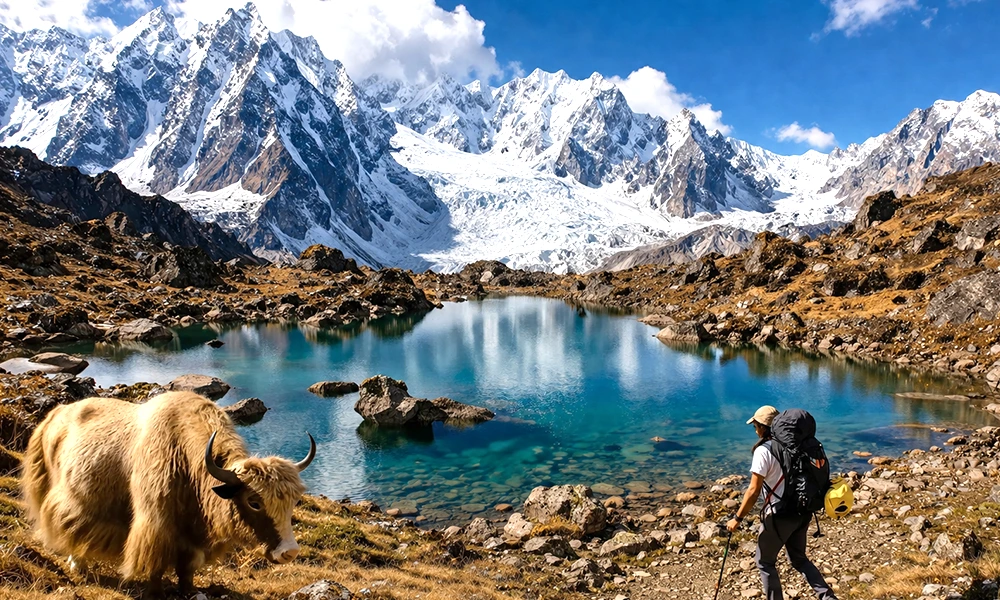 After leaving the Kanchenjunga area, the trail enters one of Nepal’s most isolated areas. The trekkers advance to the Makalu region by crossing the treacherous alpine, glacial landscape and an array of Nepal’s tallest mountain passes. Depending on the trekkers’ chosen itinerary, the expedition may include technical crossings of Sherpani Col (about 6,146 meters), West Col (about 6,143 meters), and, on some traverse variations, Amphu Laptsa Pass (5,845 meters). Due to the elevation of these passes, trekkers should have an excellent level of fitness, prior knowledge of high-altitude trekking, and, on the technical sections, a good command of mountaineering skills to operate under the supervision of qualified climbing guides.
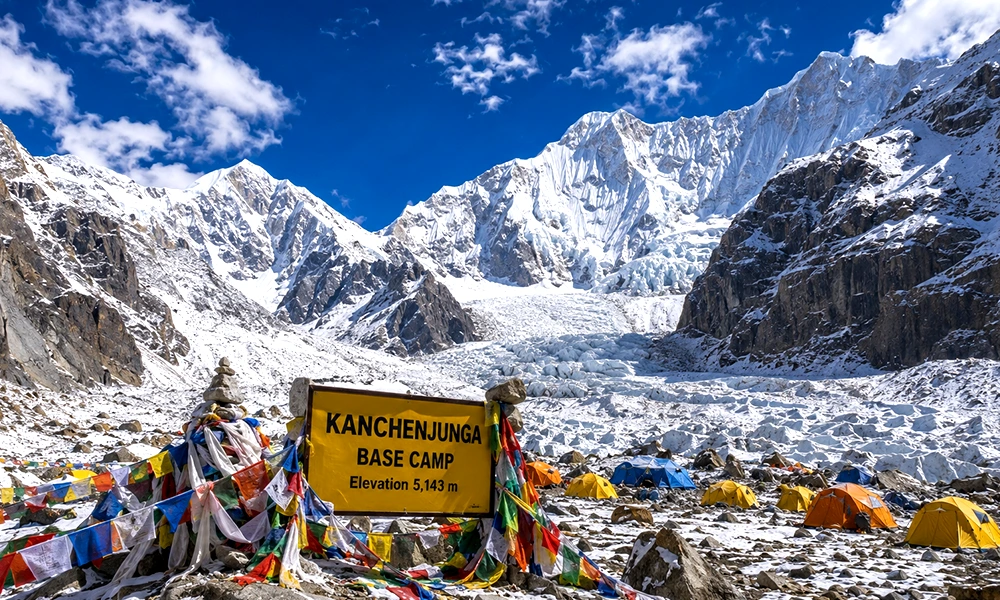 Trekking through this rugged terrain ensures that you always stay amazed. Most importantly, you should prepare yourself to see Mt. Kanchenjunga (8,586m), Mt. Makalu (8,485m), Mt. Everest (8,849m), Mt. Lhotse (8,516m), Chamlang (7,319m), Baruntse (7,129m), Jannu (Kumbhakarna), Kabru Peak, Peak 6, Peak 7, and many other unnamed Himalayan peaks and glaciers. Depending on the weather, you may see all of these major peaks and more. There are dramatic walls of glaciers and ridges of ice that stretch across the Eastern Himalayan range.