Difficulty of Manaslu Circuit Trek: A Complete Guide 2026
The Manaslu Circuit Trek is one of the best trekking adventures in Nepal. It takes you through remote Himalayan villages, forests, gorges, monasteries, and the Larkya La Pass (5,106 m). It encircles the eighth-tallest mountain in the world, Mount Manaslu (8,163 m). Compared to the Everest Base Camp Trek or Annapurna Circuit Trek, the Manaslu Circuit offers a more authentic and peaceful trekking experience since it is less crowded.
The most common trekker question before they embark on this adventure is, “How Difficult Is the Manaslu Circuit Trek?” The answer is not straightforward and depends on your level of physical fitness, trekking experience, acclimatization, the weather, and the mental preparation you do. While there is no technical ascent on this trek, it is considered to be of a moderate to great difficulty level due to the long days of walking, steep ascents and descents, and remote trails, as well as the strenuous crossing of the Larkya La Pass.
Unlike the shorter treks in Nepal, the Manaslu Circuit Trek takes 12 to 16 days, meaning trekkers have to hike for multiple consecutive days. It is a trek that takes you above 5,000 m. High altitude means low oxygen and so even small ascents become much more difficult than they would at sea level. It is very important to acclimatize properly and to walk at a steady pace to complete the trek.
The fact that elite athletes and experienced mountaineers are not the only successful trekkers on the Manaslu Circuit is good news for the aspiring mountaineers who do not fall into either of these categories. As long as they are adequately prepared and have regular training as well as an experienced guide, a number of first-time trekkers tackle this route annually. You will have a much better trekking experience if you practice hikes with a weighted backpack and build leg and cardiovascular fitness before flying into Nepal.
This guide addresses a number of aspects that will allow you to better assess if the Manaslu Circuit Trek is ideal for you. These aspects include the difficulties of high altitude, daily trekking distances, trail conditions, fitness requirements, the best and worst trekking seasons, and other preparation and trekking tips.
How Difficult Is the Manaslu Circuit Trek?
Manaslu Circuit Trek is a moderate-to-challenging high altitude trek, which we rate around 7-8 out of 10 for difficulty. It does not require technical climbing or mountaineering skills, but trekkers need good physical fitness and endurance to handle long walking days, steep ascents and descents, high altitude, and the 5,106 meters Larkya La Pass. With proper preparation, gradual acclimatization, and a suitable itinerary, fit and well-prepared trekkers can successfully complete the Manaslu Circuit Trek.
Most trekkers will find that the difficulty of this trek will come mainly from the accumulation of many challenges rather than being caused by a large, singular challenge. Over the course of about two weeks, you will be walking over varied landscapes for extended periods of time. As part of this trek, you will be walking for days and weeks at a time through vast, remote, and less populated high-altitude areas. You’ll be spending weeks and months at a time trekking over a terrain composed of various rocky and icy formations. Challenging multipitch routes as well as basic alpine climbing skills will be necessary at certain points of this trek.
Acclimatizing to the high altitudes of this trek, as well as the remoteness of the location and the trekking terrain, will definitely challenge the strength of your mental and physical stamina over the multiple weeks and months at a time that this trek will require of you.
The rough and rugged terrain of the trekking routes will require a good deal of physical stamina as you trek over rocky and icy mountain terrain for extended periods of time. Some of the mountain trails will require a good deal of mental stamina as you blame yourself for the remoteness of the wilderness, the scariness of your mountain surroundings, and the weirdness/oddness of many of the experiences that you have encountered or will encounter during this trek.
The scariness of the remoteness and wilderness of the mountain terrain and your surroundings will definitely test your mental stamina, as you will continuously think, wonder, and be amazed at how beautiful this strange/weird/odd world you have recently wandered into can really be
Conditions such as temperature and elevation must also be taken into account when planning a trek. At higher elevations, temperatures can drop below freezing, and strong winds coupled with sudden snowfall can create adverse conditions for crossing through the Larkya La Pass. In particular, these conditions can pose a challenge during the autumn and spring months.
However, because of the low elevation and relatively low temperature of the trekking region, all of the challenges that the trek poses can be easily overcome. Many of the challenges faced while completing the Manaslu Circuit Trek are easily conquerable for any physically healthy individual who properly prepares for the trek. Given the right physical preparation, an appropriate itinerary that includes the necessary acclimatization days, high-quality trekking gear, and support from skilled local trekking guides, first-time high-altitude trekkers accomplish the Manaslu Circuit Trek each year.
Overall Difficulty Rating
Measured on a scale from 1 to 10, the level of difficulty of the Manaslu Circuit Trek is typically evaluated at 7.5 to 8 out of 10.
Though it is one of Nepal’s more challenging trekking routes, the Manaslu Circuit Trek is less demanding than high-altitude technical climbing expeditions.
Difficulty Overview
Factor
Rating
Physical Difficulty
Moderate to Challenging
Technical Difficulty
Easy (No climbing skills required)
Altitude Challenge
High
Endurance Required
High
Mental Challenge
Moderate to High
Suitable for Beginners
Yes, with proper preparation
This trek is less about having extreme athletic ability and more about having consistent physical ability over many days in a row. The majority of trekkers walk at a consistent pace and follow an appropriate schedule for acclimatisation, and find the task manageable and rewarding.
Typically, this trek must face its greatest level of difficulty during the crossing of Larkya La Pass. Trekkers begin walking before the sun has risen, and they traverse several hours of ascending above 5000 meters, and they descend to lower altitudes. This day of the trek is widely considered to be the most physically demanding of the trek.
What Challenges the Trek?
There are many reasons that make the challenges of the Manaslu Circuit Trek more pronounced than most of the trekking routes in Nepal.
High Altitude
The biggest of these challenges is the elevation. Beyond approximately 3,000 meters, the levels of atmospheric pressure and, consequently, the levels of available oxygen, begin to decrease noticeably and with every upward step, it becomes increasingly more difficult. At an elevation of Larkya La Pass (5,106 m), there is approximately half the oxygen available compared to sea level, which can cause fatigue, shortness of breath, slower walking speeds, and increase the risk of altitude sickness.
Because of the altitude, trekkers need to pace themselves carefully, drink plenty of water, eat nutritious meals, and allow sufficient time for acclimatization. Ignoring altitude symptoms or ascending too quickly can lead to Acute Mountain Sickness (AMS), which may require an immediate descent.
Long Walking Days
Compared to the length of many of the trekking routes, the Manaslu Circuit requires an extended period of effort on the part of the trekkers. Most of the trekking days involve trekking for periods of 15 to 22 kilometers, which normally take from 6 to 8 hours. Some of the days involve shorter treks for the purpose of acclimatization, but others, particularly the trek involving the crossing of Larkya La Pass, take 8 to 10 hours.
Walking for many consecutive days places continuous stress on the legs, knees, feet, and back, making endurance just as important as strength.
Rugged Mountain Terrain
The trail varies significantly throughout the trek. Trekkers encounter
Steep uphill climbs
Long downhill descents
Rocky mountain paths
Forest trails with exposed roots
Stone staircases
Suspension bridges over deep river gorges
Glacier moraine near Larkya La Pass
Occasional snow-covered sections depending on the season
Changing terrain can catch you off balance and can require different types of shoes and more careful footing.I really notice foot placements when there is rain or snow.
Remote Environment
A remote and pristine attraction of the Manaslu Circuit Trek is its unspoiled and remote environment. Because the area is remote, the Manaslu Circuit Trek does not offer the same level of trek comforts that are available on the more popular trekking routes in Nepal.
Trekkers should expect
Basic teahouse accommodation
Limited electricity
Limited Wi-Fi and mobile network coverage
Simple local meals
Fewer medical facilities
Longer distances between villages
Being mentally prepared for these conditions makes the overall experience much more enjoyable.
Weather Conditions
Quick-changing weather is a common phenomenon in the Himalayas. Bright and sunny weather may immediately change to cloudy, windy, snowy, rainy or mixed weather. This is especially true in the higher altitudes and/or close to a high pass.
Although the spring, summer, autumn and winter seasons have their own characteristics and effects, the higher altitudes can have much colder conditions. Layer clothing and good quality cold weather clothing are essential both for comfort and safety.
The combination of high altitude, longer trekking days, more difficult hiking trails, remote conditions, and unpredictable mountain weather makes the Manaslu Circuit Trek challenging and interesting. With the right planning and positive outlook, these challenges become part of the trekking adventure, rewarding trekkers with extraordinary panoramas, diverse cultures and a tremendous sense of satisfaction.
Factors Affecting the Difficulty of the Manaslu Circuit Trek
High Altitude
High altitude is the most significant factor that determines the difficulty of the Manaslu Circuit Trek. While the trail begins at a relatively low elevation of around 710 meters in Machha Khola, it gradually climbs to the trek’s highest point, Larkya La Pass (5,106 m). As you ascend, the amount of oxygen in the air decreases, making every step more physically demanding. At the elevation of Larkya La Pass, the oxygen level is approximately 50% of what it is at sea level, meaning your body has to work much harder to perform even simple activities like walking uphill or carrying a daypack.
Most trekkers start to experience a number of the effects of high altitude after reaching around 3,000 meters. Some of these effects include shortness of breath, fatigue, slower walking pace, and an increased need to take rest breaks. These effects also occur as a part of the normal adaptive process of the body in response to the decreasing concentration of atmospheric oxygen as one ascends to a higher elevation; however, the body can sometimes be slow to adapt to high elevations, leading to the onset of altitude sickness.
The first signs and symptoms of AMS (Acute Mountain Sickness) include headache, loss of appetite, nausea, dizziness, difficulty sleeping, and unusual tiredness. Continued exposure to the altitude will make symptoms even worse if the body does not acclimatize properly. Some of the more serious effects of high altitude exposure and altitude sickness include High Altitude Pulmonary Edema(HAPE) and High Altitude Cerebral Edema (HACE), which are both life-threatening conditions that require immediate descent and emergency medical attention.
Fortunately, the Manaslu Circuit itinerary considers acclimatization. Manaslu Circuit itineraries typically involve a day of rest on Samagaon (3,530 m), and if an itinerary includes a second day of rest, it is typically on Samdo (3,875 m). The circuits allow gradual acclimatization to the high elevation. Slow and steady walking, combined with staying well hydrated, nutritious meals, avoidance of alcohol, and following the guide’s instructions, significantly reduces the risk of altitude sickness. Acclimatisation to high elevation is one of the most important reasons so many trekkers successfully complete the entire Manaslu Circuit.
Long Daily Walking Hours
The biggest challenge of the Manaslu Circuit Trek is the long daily walking hours. The average trekking day will involve 6 to 8 hours of walking. Crossing Larkya La Pass can take up to 10 hours of walking. Despite the total walking distance averaging 12 to 22 kilometers, the combination of long ascents, rocky trails, and very high altitude walking makes this a very difficult trek relative to other long distance walks.
The toughest day of the Manaslu Circuit Trek begins before the sun rises. This day involves long and very difficult ascent walks to cross over Larkya La, followed by a long, very steep, and very difficult descent back to the trekking trail at Bimthang. To prepare for this long and difficult ascent and descent trekking, build your endurance for long and arduous treks by preparing through long and difficult ascents and descents trekking prior to your trip.
Steep Ascents and Descents
Manaslu Circuit trek has many very steep ascents and descents that are very challenging. The trail climbs high above the Budhi Gandaki River before descending to cross suspension bridges and then ascending again through forests, stone staircases, and very rocky trail paths.
As the trek elevation increases, the trail tends to become rougher with more very large rocks and glacial moraine near Larkya La Pass. Long descents can be very hard on the lower extremities. Using trekking poles, supportive trekking boots, and strengthening your lower extremities prior to the trek will make these very steep ascents and descents trekking much easier.
Crossing Larkya La Pass
Larkya La Pass is the peak at the end of the Manaslu Circuit Trek. At 17,007 feet, an elevation which is the highest encountered on a trek, Larkya La Pass is the most difficult pass to cross on a trek in Nepal.
Most trekkers who have participated in treks to the Manaslu Circuit Trek begin walkingbetween 3 AM and 4 AMin order to cross Larkya La Pass before the winds begin to pick up strength and speed during the afternoon.
Crossing Larkya La Pass is a long and exhausting process due to both the thin air and the freezing temperatures that drop well below -10 °C (14 °F). Snow and ice will also make the trail to Larkya La Pass more difficult and challenging.
After reaching the summit of Larkya La Pass and viewing the spectacular sights of Mount Manaslu, Himlung Himal, Annapurna II, and the surrounding peaks, trekkers will have to make a descent that is long and treacherous to the village of Bimthang. Proper acclimatization, a steadfast pace, and well-versed guides make crossing Larkya La Pass on the Manaslu Circuit Trek a particularly challenging yet rewarding part of the experience of a lifetime.
Remote and Less Developed Trails
One of the furthest off-the-beaten-path trekking routes in Nepal is the Manaslu Circuit Trek. The trek offers quiet trails and allows trekkers an authentic look at the cultures of the Himalayas. Unlike many other trekking routes in Nepal, the Manaslu region is much less crowded, with fewer trekkers. The teahouses are simpler and have fewer facilities compared to many other trekking routes in Nepal.
Accommodation along the Manaslu Circuit Trek is basic with shared toilet and bath facilities, electricity is available only a few hours and Wi-Fi is available in an intermittent and erratic manner.
Trekking the Manaslu Circuit Trek at this time is one of the best things to do in Nepal. The remarkable nature and beauty of the Himalayas, lush dense forests, majestic rivers, roaring waterfalls, diverse and abundant wildlife with remote and untouched traditional villages all combine to make this an unforgettable experience and one of the best things to do in Nepal.
The trek offers quiet and peaceful trails and offers trekkers
Unpredictable Mountain Weather
Unpredictable Mountain Weather
Mountain weather can change quickly on the Manaslu Circuit Trek, adding to its difficulty. Clear mornings may turn into snowfall, rain, or strong winds within a few hours, particularly near Larkya La Pass.
During spring (March-May) and autumn (September-November), the weather is generally stable with clear skies and excellent mountain views. However, temperatures above 3,500 meters often drop below freezing at night, and the pass can experience temperatures below -10°C before sunrise.
Winter and the monsoon season both bring a heightened risk for poor weather and low visibility. The spring and fall seasons are the best times to trek the Manaslu Circuit.
Manaslu Circuit Trek Difficulty by Day
Each day of the Manaslu Circuit Trek is unique in its own difficulty, and we will attempt to explain each day below in the order that it occurs in the trek.
For trekkers, the Manaslu Circuit itinerary has a big advantage because of its gradual elevation gain. The route works to help your body acclimatise naturally as you move from the subtropical lowlands to the high alpine region. The trail may become increasingly challenging, but proper pacing and acclimatization practices make the trek achievable for most healthy and physically fit trekkers.
Details on how Manaslu Circuit Trek Routes Rate their Difficulty by Day can be found below each day.
Easy Days
The Manaslu Circuit Trek initial days are the easiest days. Starting from Machha Khola (710 m), the trail follows the Budhi Gandaki River through tropical forests and terraced farming, with waterfalls, suspension bridges, and small Gurung village settlements along the trail. The lower sections are moderately steep climbing and descending, but the elevations remain low, where the normal level of oxygen persists.
For the initial days of the trek, the trekkers walk between 5 and 7 hours. This is to help the trekkers to become accustomed to carrying a backpack and to adjusting to the daily trekking routine. This time is also set aside to help the trekkers adjust to the steep descents and to help adjust to the steep climbs. But despite the steep climbs and descents, and the normal oxygen levels in the lower elevations, the trek is still rated as a moderate trek.
For the lower elevations of the trek, there are greener landscapes, greater contrasts in the landscapes, and warmer temperatures. This makes the portions of the trek that occur in the lower elevations feel less physically demanding than the other sections of the trek that occur in the higher elevations of the trek. For the lower elevations of the trek, the lower elevations of the trek also have normal
Moderate Days
As trekkers begin the adventure into villages such as Jagat, Deng, Namrung, and Lho, the trail and the climbs begin to get harder and harder. During this phase of the climb, trekkers begin to get a lot of elevation gain each day. The climbs begin to get steeper and more rugged. Each day, the elevation gains continue to get higher. The trail begins to get more and more strenuous. Climbs become more and more strenuous. The elevation gains become more massive.
Above approximately 3,000 meters, many trekkers begin to experience the effects of reduced oxygen. Even moderate inclines require slower walking speeds and more frequent breaks. Fortunately, the amazing scenery and magnificent views help compensate for the extra effort that is required to trek and climb at these high altitudes.
Snow-covered peaks, ancient monasteries, colourful prayer flags, and traditional Tibetan-influenced villages provide constant motivation along the route.
The middle days of this trek are the most physically challenging and exhausting days of this trek, but they are also the most rewarding and memorable days of this trek. Significant elevation gains each day help provide the motivation and reward for the physical challenges that each day brings to the trek.
Challenging Days
The difficulty increases significantly after reaching Samagaon (3,530 m) and Samdo (3,875 m). At these elevations, oxygen levels are much lower than at sea level, making even relatively gentle trails feel exhausting. Walking becomes slower, breathing becomes deeper, and maintaining a steady rhythm is essential.
The route beyond Samdo enters a remote alpine environment with fewer trees and increasingly barren landscapes. Trekkers continue climbing toward Dharamsala (also called Larkya Phedi) at approximately 4,460 meters, the final overnight stop before crossing the pass.
Although the trekking distance to Dharamsala is relatively short, the altitude makes the hike surprisingly demanding. Many trekkers notice reduced energy levels, mild headaches, or shortness of breath during this stage. Drinking plenty of water, eating enough carbohydrates, and avoiding unnecessary physical exertion help the body continue acclimatizing.
Mentally, this section can also be challenging because trekkers know that the toughest day still lies ahead. Staying positive, following the guide’s pace, and getting enough rest are crucial for a successful pass crossing.
The Most Difficult Day: Crossing Larkya La Pass
The crossing of Larkya La Pass (5,106 m) is widely regarded as the most difficult day of the Manaslu Circuit Trek. This is the highest point of the entire journey and combines high altitude, freezing temperatures, strong winds, and one of the longest trekking days.
The day usually begins between 3:00 and 4:00 AM, while it is still dark. Starting early allows trekkers to reach the summit before afternoon weather conditions become less stable. After leaving Dharamsala, the trail climbs steadily across rocky terrain and glacial moraine before reaching the colourful prayer flags that mark the summit of Larkya La Pass.
At over 5,000 meters, the reduced oxygen makes every step more demanding. Many trekkers adopt a slow “rest step” technique, taking small, steady steps while maintaining a consistent breathing rhythm. There is no need to rush; patience and a slow pace are the keys to success.
Reaching the summit is an unforgettable moment. On clear days, trekkers enjoy breathtaking panoramic views of Mount Manaslu (8,163 m), Himlung Himal (7,126 m), Cheo Himal (6,820 m), Kang Guru (6,981 m), Annapurna II (7,937 m), and numerous surrounding peaks.
However, the challenge is only half complete. The long descent to Bimthang (3,590 m) requires another several hours of careful walking over rocky and occasionally snowy trails. Many trekkers find the descent particularly tiring because their legs are already fatigued from the climb.
Although this is undoubtedly the hardest day of the trek, it is also the most rewarding and memorable.
Recovery Days
After crossing Larkya La Pass, the trek becomes noticeably easier. As the trail descends toward Bimthang, Tilije, and Dharapani, oxygen levels increase, temperatures become warmer, and walking generally feels much more comfortable.
Many trekkers immediately notice improved breathing, increased energy, and better sleep after descending below 4,000 meters. The forests return, rivers become larger, and villages become more frequent. While there are still some uphill and downhill sections, the overall physical effort decreases considerably compared to the high-altitude days.
These recovery days allow trekkers to fully appreciate the beautiful scenery without the constant challenge of thin air. Many people describe this stage as a relaxing conclusion to an unforgettable Himalayan adventure.
Altitude Profile of the Manaslu Circuit Trek
One of the primary reasons the Manaslu Circuit Trek is considered challenging is its significant altitude gain. Understanding how elevation changes throughout the trek helps trekkers prepare for the physical demands and appreciate the importance of proper acclimatization.
Unlike rapid ascents that increase the risk of altitude sickness, the Manaslu Circuit follows a gradual climbing profile. This allows the body sufficient time to adapt to thinner air before reaching higher elevations.
Elevation Gain Throughout the Trek
The trek usually begins at Machha Khola at around 710 meters, and steadily climbs over several days to Larkya La Pass (5,106 m) before descending into the Annapurna region.
A typical altitude progression looks like this:
Location
Elevation
Kathmandu
1,400 m
Machha Khola
710 m
Jagat
1,340 m
Deng
1,860 m
Namrung
2,630 m
Lho
3,180 m
Samagaon
3,530 m
Samdo
3,875 m
Dharamsala
4,460 m
Larkya La Pass
5,106 m
Bimthang
3,590 m
Dharapani
1,860 m
This gradual increase in elevation is carefully designed to minimize the risk of altitude sickness while allowing trekkers to enjoy the journey safely.
Where Altitude Sickness Usually Begins
Although every individual responds differently to altitude, symptoms of Acute Mountain Sickness (AMS) commonly begin above 2,500 to 3,000 meters. On the Manaslu Circuit Trek, many trekkers first notice mild symptoms after reaching villages such as Namrung, Lho, or Samagaon.
Common early symptoms include
Mild headache
Fatigue
Loss of appetite
Difficulty sleeping
Shortness of breath during uphill climbs
Slight dizziness
These symptoms often improve after proper rest and hydration. However, if symptoms worsen or continue despite resting, it is essential to stop ascending and consult your trekking guide immediately.
Ignoring altitude sickness can lead to more serious conditions such as High Altitude Pulmonary Edema (HAPE) or High Altitude Cerebral Edema (HACE), both of which require immediate descent and emergency medical treatment.
Fortunately, serious altitude illness is relatively uncommon among trekkers who follow a gradual itinerary, take acclimatization days seriously, and listen to their guides.
Acclimatization Stops
Proper acclimatization is the single most effective way to reduce the difficulty of the Manaslu Circuit Trek. Most well-planned itineraries include at least one full acclimatization day at Samagaon (3,530 m) and sometimes another at Samdo (3,875 m) before crossing Larkya La Pass.
During an acclimatization day, trekkers do not remain inactive. Instead, they take short hikes to higher elevations before returning to sleep at the same altitude. This technique, known as “climb high, sleep low,” encourages the body to produce more red blood cells, improving oxygen transport and helping reduce the risk of altitude sickness.
Popular acclimatization hikes from Samagaon include
Birendra Lake
Pungyen Gompa
Manaslu Base Camp (for experienced trekkers)
From Samdo, trekkers often hike toward the Tibetan border viewpoint or nearby ridges for additional acclimatization.
These side hikes not only improve physical adaptation but also offer incredible panoramic views of glaciers, mountains, and remote Himalayan landscapes.
Trekkers who follow proper acclimatization practices typically feel stronger, experience fewer altitude-related symptoms, and enjoy a much safer crossing of Larkya La Pass.
Is the Manaslu Circuit Trek Suitable for Beginners? | Fitness Requirements | How to Prepare for the Manaslu Circuit Trek
Is the Manaslu Circuit Trek Suitable for Beginners?
Many people assume that the Manaslu Circuit Trek is only suitable for experienced trekkers, but that is not entirely true. While it is more demanding than many popular trekking routes in Nepal, it can be successfully completed by beginners who are physically fit, mentally prepared, and willing to follow a well-planned itinerary. The trek does not require technical climbing skills, ropes, crampons, or mountaineering experience. Instead, success depends on endurance, proper acclimatization, and maintaining a steady pace throughout the journey.
Unlike technical peak climbing expeditions, the Manaslu Circuit follows established mountain trails and traditional teahouse routes. Trekkers sleep in local lodges each night and carry only a daypack if accompanied by porters. This makes the trek much more accessible than mountaineering adventures, although the high altitude and long walking days still present a significant challenge.
One of the greatest advantages for beginners is that the itinerary gradually gains elevation, allowing the body time to adjust to the thinner mountain air. Experienced trekking guides closely monitor trekkers for symptoms of altitude sickness, helping ensure a safe and enjoyable journey. Beginners who listen to their guide, walk slowly, stay hydrated, and avoid rushing generally have an excellent chance of completing the trek successfully.
The key is preparation. A beginner who trains consistently for several weeks before arriving in Nepal often performs better than an experienced hiker who arrives unprepared. Fitness, determination, and a positive attitude matter far more than previous trekking experience.
Can First-Time Trekkers Complete It?
Yes, many first-time trekkers successfully complete the Manaslu Circuit Trek every year. The route does not demand exceptional athletic ability or specialized mountaineering knowledge. Instead, it requires patience, consistency, and respect for the challenges of high-altitude trekking.
For first-time trekkers, the most important factors are building cardiovascular endurance, strengthening the legs, and becoming comfortable walking for several hours with a light backpack. Practicing on local hiking trails, climbing stairs, or walking on uneven terrain before the trip helps prepare the body for the conditions encountered in the Himalayas.
Mental preparation is equally important. High-altitude trekking is different from day hiking because it involves walking for many consecutive days while living in basic mountain lodges. There may be cold mornings, limited internet access, simple meals, and occasional discomfort. Trekkers who embrace these conditions as part of the adventure usually enjoy the experience much more.
Booking with a reputable trekking company that provides experienced guides and a carefully planned itinerary further increases the likelihood of success. Guides monitor acclimatization, adjust the pace when necessary, and assist with any challenges that arise during the trek.
Who Should Avoid This Trek?
Although the Manaslu Circuit Trek is achievable for many people, it is not suitable for everyone. Individuals with serious heart disease, severe respiratory conditions, uncontrolled high blood pressure, or other significant medical problems should consult a doctor before planning a high-altitude trek.
People who are unable to walk for six to eight hours per day over consecutive days may also find the trek extremely difficult. Likewise, travelers expecting luxury accommodation or easy access to modern facilities may be disappointed, as the Manaslu region remains one of Nepal’s more remote trekking destinations.
The trek may also be unsuitable for those with severe knee problems, as the long downhill sections after crossing Larkya La Pass place considerable stress on the joints. However, many trekkers with previous knee issues successfully complete the trek by training beforehand, using trekking poles, wearing supportive footwear, and maintaining a careful pace.
Anyone who dislikes cold weather, basic accommodation, or remote mountain environments should carefully consider whether the Manaslu Circuit matches their travel preferences. While physically demanding, the trek rewards those who appreciate adventure, nature, and authentic cultural experiences.
Experience That Helps
Previous trekking experience is helpful but not essential. Individuals who have completed multi-day hikes or treks such as the Annapurna Base Camp Trek, Langtang Valley Trek, or shorter Himalayan routes often find the Manaslu Circuit easier because they are already familiar with walking long distances and adapting to mountain environments.
Regular participation in activities such as hiking, trail running, cycling, swimming, or long-distance walking also provides an excellent foundation. Even people without trekking experience can prepare effectively by incorporating these activities into their training routine several months before departure.
Experience carrying a backpack, using trekking poles, and walking on uneven terrain also improves confidence during the trek. The more familiar you become with these conditions before arriving in Nepal, the more enjoyable the experience will be.
Ultimately, determination, preparation, and a willingness to pace yourself are far more valuable than previous trekking experience.
Fitness Requirements for the Manaslu Circuit Trek
The Manaslu Circuit Trek is a physically demanding journey that requires a good level of overall fitness. Although technical climbing skills are unnecessary, trekkers should be capable of walking for long hours over mountainous terrain while carrying a light daypack.
Preparing your body before the trek not only makes the journey more enjoyable but also reduces the risk of injury, fatigue, and altitude-related problems. A balanced training program should focus on cardiovascular endurance, muscular strength, flexibility, and mental resilience.
Cardiovascular Fitness
Strong cardiovascular fitness is one of the most important requirements for completing the Manaslu Circuit Trek. As altitude increases, the body receives less oxygen, causing the heart and lungs to work harder during physical activity. Trekkers with good aerobic fitness generally adapt more comfortably to these conditions and recover more quickly after each day’s hike.
Excellent training activities include brisk walking, jogging, running, cycling, swimming, rowing, and stair climbing. Ideally, you should perform aerobic exercise three to five times per week, gradually increasing both duration and intensity as your fitness improves.
Long walks lasting several hours are particularly beneficial because they closely simulate the conditions encountered during the trek. Consistency is more important than intensity; regular moderate exercise over several weeks produces better results than occasional strenuous workouts.
Leg Strength
Strong leg muscles make climbing steep mountain trails significantly easier and help reduce fatigue during long descents. The Manaslu Circuit includes countless uphill climbs, rocky paths, and stone staircases that require powerful quadriceps, hamstrings, calves, and gluteal muscles.
Strength-training exercises such as squats, lunges, step-ups, calf raises, wall sits, and deadlifts are excellent for developing the muscles used during trekking. These exercises also improve balance and stability, reducing the risk of slips and falls on uneven terrain.
Training should be performed two or three times per week, allowing adequate recovery between sessions. As your strength improves, adding a light backpack while performing step-ups or stair climbing helps simulate real trekking conditions.
Endurance Training
While strength and cardiovascular fitness are essential, endurance is what allows trekkers to maintain steady performance over many consecutive days. The Manaslu Circuit is not a sprint but a prolonged physical effort requiring consistent energy day after day.
Weekend hikes are one of the best ways to build endurance. Gradually increasing the distance and duration of your hikes prepares both your muscles and your mind for the daily demands of trekking. Walking on uneven trails, hills, and natural terrain is particularly valuable because it closely resembles the Himalayan environment.
If mountains are unavailable near your home, long-distance walks combined with stair climbing can provide similar benefits. Practicing with the same boots and backpack you intend to use in Nepal also helps prevent blisters and improves overall comfort during the trek.
Mental Preparation
Mental strength is often overlooked but plays an equally important role in completing the Manaslu Circuit Trek. Trekking for nearly two weeks through remote mountain landscapes requires patience, adaptability, and a positive attitude.
There will inevitably be moments of fatigue, cold mornings, long climbs, or changing weather. Successful trekkers accept these challenges as part of the adventure rather than becoming discouraged by them. Focusing on one step at a time, maintaining realistic expectations, and celebrating daily achievements helps maintain motivation throughout the journey.
Being mentally prepared for simple accommodation, limited internet access, shared bathrooms, and occasional discomfort allows trekkers to appreciate the incredible scenery and unique cultural experiences instead of concentrating on minor inconveniences.
How to Prepare for the Manaslu Circuit Trek
Proper preparation is the foundation of a successful Manaslu Circuit Trek. The better your physical condition before arriving in Nepal, the more enjoyable and safer the trek will be. Experts generally recommend beginning a structured training program 8 to 12 weeks before departure.
A well-rounded preparation plan should include cardiovascular exercise, strength training, hiking practice, flexibility exercises, and recovery days. Gradually increasing the difficulty of your workouts allows the body to adapt without increasing the risk of injury.
Best Training Plan (8-12 Weeks)
An effective training schedule should gradually increase in intensity over two to three months.
During the first four weeks, focus on building a solid fitness base through brisk walking, light jogging, cycling, or swimming. Include two strength-training sessions each week and aim for at least one longer weekend walk lasting two to three hours.
Between weeks five and eight, increase the duration of your hikes and begin carrying a light backpack weighing approximately 5 to 8 kilograms. Add stair climbing and hill walking whenever possible to improve climbing strength.
In the final four weeks, simulate trekking conditions as closely as possible by completing longer hikes on consecutive days while wearing your trekking boots and carrying your backpack. This helps prepare your body for the continuous effort required during the trek.
The final week before departure should focus on recovery, stretching, hydration, and adequate sleep rather than intense exercise.
Hiking Practice
The best preparation for trekking is simply trekking. Regular hiking improves cardiovascular fitness, strengthens stabilising muscles, develops balance, and familiarizes you with uneven terrain.
Whenever possible, choose trails with hills, rocky paths, or natural surfaces rather than paved roads. Gradually increase both distance and elevation gain over time, aiming to spend several hours on your feet during each practice hike.
Practicing with your trekking boots helps soften the footwear, reducing the risk of blisters during the actual trek.
Stair Climbing
If you do not have access to mountains, stair climbing provides one of the most effective alternatives. Climbing stairs closely replicates the sustained uphill effort encountered on Himalayan trails while strengthening the legs, lungs, and cardiovascular system.
Begin with shorter sessions and gradually increase both the duration and the number of flights climbed. Carrying a light backpack during stair workouts further improves trekking-specific fitness.
Descending stairs also strengthens the muscles responsible for controlling downhill movement, helping protect the knees during long descents on the Manaslu Circuit.
Strength Exercises
A comprehensive strength-training routine should target the muscles most heavily used during trekking. Exercises such as squats, lunges, step-ups, calf raises, planks, bridges, and core exercises improve stability, posture, and overall efficiency while walking.
Core strength deserves particular attention because it supports balance, protects the lower back, and makes carrying a backpack much more comfortable. Strong abdominal and back muscles also improve posture during long trekking days.
Cardio Workouts
Aerobic fitness is essential for high-altitude trekking. Activities such as jogging, cycling, swimming, rowing, brisk walking, or using an elliptical trainer improve heart and lung capacity, allowing the body to use oxygen more efficiently.
Aim for 30 to 60 minutes of moderate-intensity cardio several times each week. As your fitness improves, gradually increase workout duration or include interval training to further enhance endurance.
Backpack Training
One of the most overlooked aspects of preparation is practising with a backpack. Even if porters carry your main duffel bag, you will still carry a daypack containing water, extra clothing, snacks, a camera, and personal essentials.
Training with a backpack weighing 5 to 8 kilograms helps your shoulders, back, and hips adapt before the trek. It also allows you to adjust your backpack properly and become familiar with its weight distribution.
Practicing with your actual trekking equipment makes the transition to Himalayan trails much smoother and helps identify any gear issues before your adventure begins.
Altitude Sickness, Trail Conditions, and Weather on the Manaslu Circuit Trek
Altitude Sickness on the Manaslu Circuit Trek
Altitude sickness is one of the most important challenges trekkers may face on the Manaslu Circuit Trek. Since the route climbs from around 710 meters at Machha Khola to Larkya La Pass (5,106 m), your body needs time to adapt to the thinner air at higher elevations. As altitude increases, atmospheric pressure decreases, meaning each breath contains less oxygen than at sea level. This forces your heart and lungs to work harder, making physical activity more demanding and increasing the risk of altitude-related illness.
Not every trekker develops altitude sickness, and physical fitness alone does not prevent it. Even experienced hikers and athletes can experience symptoms if they ascend too quickly or fail to acclimatize properly. Fortunately, following a well-planned itinerary with gradual elevation gain greatly reduces the risk.
The Manaslu Circuit Trek includes built-in acclimatization days, particularly in Samagaon (3,530 m) and sometimes Samdo (3,875 m). These rest days allow your body to produce more red blood cells, improving oxygen delivery to muscles and organs before attempting the crossing of Larkya La Pass.
The best approach to altitude is patience. Walking slowly, drinking plenty of water, eating nutritious meals, sleeping well, and listening to your guide are the most effective ways to stay healthy at high elevation. If symptoms worsen despite rest, descending to a lower altitude is always the safest option.
Symptoms of Acute Mountain Sickness (AMS)
Acute Mountain Sickness (AMS) is the mildest and most common form of altitude illness. Symptoms usually appear after ascending above 2,500 to 3,000 meters, although some people may notice them at slightly lower or higher elevations.
The earliest sign is often a persistent headache that does not improve with hydration or rest. Other common symptoms include fatigue, dizziness, nausea, loss of appetite, difficulty sleeping, unusual shortness of breath during simple activities, and reduced energy levels. Many trekkers also describe feeling unusually weak or experiencing a lack of motivation to continue walking.
These symptoms should never be ignored. Mild AMS often improves with rest and proper acclimatization, but continuing to climb while symptoms worsen can lead to serious complications such as High Altitude Pulmonary Edema (HAPE) or High Altitude Cerebral Edema (HACE). These life-threatening conditions require immediate descent and emergency medical treatment.
Trekkers should always communicate honestly with their guide about how they are feeling. Reporting symptoms early allows guides to make informed decisions about acclimatization, rest, or descent before the situation becomes dangerous.
Prevention Tips
Preventing altitude sickness is far easier than treating it. The most effective strategy is to ascend gradually, giving your body enough time to adapt to the changing altitude. Choosing a standard Manaslu Circuit itinerary of 13 to 16 days instead of rushing through the trek significantly reduces the likelihood of developing AMS.
Hydration is equally important. High-altitude air is cold and dry, causing the body to lose moisture more quickly through breathing. Trekkers should aim to drink 3 to 4 liters of water each day, even if they do not feel thirsty. Warm soups, herbal tea, and electrolyte drinks also help maintain hydration.
Maintaining energy levels through regular meals is another key factor. Foods rich in carbohydrates, such as rice, potatoes, pasta, noodles, and traditional dal bhat, provide the fuel needed for long trekking days. Alcohol and smoking should be avoided at higher elevations because they can worsen dehydration and interfere with the body’s ability to acclimatize.
Walking slowly is perhaps the simplest but most effective prevention method. A steady pace allows the body to use oxygen more efficiently while conserving energy for the entire day. There is no prize for reaching the teahouse first; trekking at your own comfortable pace greatly improves safety and enjoyment.
Acclimatization Strategy
Proper acclimatization is essential for safely completing the Manaslu Circuit Trek. Most experienced trekking companies schedule at least one acclimatization day in Samagaon, with many itineraries also including a second acclimatization day in Samdo.
During these acclimatization days, trekkers are encouraged to take short hikes to higher elevations before returning to sleep at the same altitude. This method, known as “climb high, sleep low,” stimulates the body’s natural adaptation process by encouraging increased red blood cell production.
Popular acclimatization hikes from Samagaon include Birendra Lake, Pungyen Gompa, and Manaslu Base Camp for strong hikers. From Samdo, trekkers often hike toward the Tibetan border viewpoint or nearby ridges, where they enjoy spectacular panoramic views while helping their bodies adapt to thinner air.
These hikes are not intended to be physically exhausting. Instead, they provide gentle exposure to higher elevations before returning to a lower sleeping altitude, making the eventual crossing of Larkya La Pass much safer and more comfortable.
When to Descend
Knowing when to descend is one of the most important safety principles in high-altitude trekking. If symptoms of AMS become more severe or fail to improve after resting, the safest decision is to descend immediately.
Warning signs include severe headache, repeated vomiting, difficulty walking in a straight line, confusion, extreme weakness, chest tightness, persistent coughing, or shortness of breath while resting. These symptoms may indicate HAPE or HACE, both of which require urgent descent and medical assistance.
Experienced trekking guides are trained to recognize these symptoms and will make decisions based on the health and safety of the group. Helicopter evacuation may be necessary in severe cases, which is why comprehensive travel insurance covering emergency rescue above 5,000 meters is strongly recommended for all trekkers.
Remember, reaching the summit of Larkya La Pass is never more important than your health. Mountains will always be there, and making the decision to descend is a sign of good judgment, not failure.
Trail Conditions Throughout the Trek
The Manaslu Circuit Trek offers an incredible variety of landscapes, making it one of Nepal’s most scenic trekking routes. The trail changes dramatically from subtropical forests and river valleys to alpine meadows, glacial moraines, and snow-covered mountain passes. These constantly changing environments contribute both to the beauty and the difficulty of the trek.
Although the route is well-established and clearly followed by trekking groups, it is more rugged and less developed than popular trails in the Everest and Annapurna regions. Trekkers should expect uneven ground, occasional steep climbs, and varying trail conditions depending on the season.
Forest Trails
The lower section of the Manaslu Circuit passes through lush forests filled with rhododendrons, pine trees, bamboo groves, and dense vegetation. These peaceful trails provide shade and are home to colourful birds, monkeys, and other wildlife.
Forest paths are generally well-defined but often include exposed tree roots, uneven stones, and muddy sections after rainfall. During spring, blooming rhododendrons add vibrant colour to the landscape, making this one of the most beautiful parts of the trek.
Although these lower trails are less physically demanding than the higher elevations, proper footwear remains essential for maintaining good grip and preventing slips on wet surfaces.
Suspension Bridges
The Budhi Gandaki River flows alongside much of the trekking route, requiring trekkers to cross numerous suspension bridges throughout the journey. These steel bridges span deep river gorges and are decorated with colourful Buddhist prayer flags fluttering in the mountain breeze.
For many visitors, crossing these bridges is one of the most memorable experiences of the trek. While they are safe and regularly used by locals and trekkers, some bridges may sway slightly as people or pack animals cross.
Trekkers who are uncomfortable with heights should walk calmly, avoid sudden movements, and allow mules or yaks to pass safely when directed by guides. Remaining relaxed and following local instructions makes bridge crossings straightforward and enjoyable.
River Valleys
Much of the lower Manaslu Circuit follows the dramatic Budhi Gandaki River valley, where the trail winds through narrow gorges, waterfalls, terraced fields, and traditional mountain villages.
The constant combination of ascending and descending along the valley creates one of the trek’s physical challenges. Trekkers frequently descend to cross rivers before climbing back up the opposite side of the valley, resulting in repeated elevation changes throughout the day.
Despite the effort required, these sections reward trekkers with spectacular scenery, roaring waterfalls, and opportunities to observe daily life in remote Himalayan communities.
Rocky Paths
As the trail climbs above approximately 3,000 meters, the terrain becomes increasingly rocky. Forests gradually give way to alpine landscapes where loose stones, uneven paths, and exposed rock dominate the route.
These rocky trails require careful footing, particularly during descents. Trekking poles become especially valuable here, helping maintain balance while reducing stress on the knees and ankles.
Wearing high-quality trekking boots with good ankle support significantly improves stability and comfort on these rugged sections.
Glacier Moraine
Approaching Larkya La Pass, trekkers cross glacial moraine formed by ancient glaciers descending from the surrounding mountains. This section consists mainly of loose rocks, gravel, and uneven surfaces that require steady concentration.
Although the climb is not technically difficult, the combination of rough terrain and high altitude makes progress slower than on lower sections of the trail. Careful foot placement and a slow, consistent pace are essential for safely crossing this landscape.
The dramatic views of glaciers and snow-covered peaks make this one of the most rewarding parts of the trek despite the additional effort.
Snow-Covered Trails (Seasonal)
Depending on the season and recent weather conditions, snow may cover sections of the trail near Dharamsala and Larkya La Pass. Fresh snowfall creates a magical alpine landscape but can also increase the difficulty of the trek.
Packed snow and icy sections require careful walking, particularly during early morning when temperatures remain below freezing. In these conditions, trekking guides may recommend using microspikes for additional grip and stability.
Spring and autumn usually experience only light snow near the pass, while winter conditions can bring deep snow that occasionally closes the route. Trekkers planning winter departures should remain flexible, as guides may adjust itineraries depending on weather and trail safety.
Weather and Seasonal Difficulty
Weather plays a major role in determining the difficulty of the Manaslu Circuit Trek. Although the route can technically be attempted throughout much of the year, each season presents unique advantages and challenges. Choosing the right time to trek can significantly influence trail conditions, mountain views, temperature, and the overall trekking experience.
Generally, spring (March to May) and autumn (September to November) are considered the best seasons because they offer stable weather, comfortable temperatures, and excellent visibility.
Spring (March to May)
Spring is one of the most popular seasons for the Manaslu Circuit Trek. Warmer temperatures, blooming rhododendron forests, and clear mountain views create ideal trekking conditions. Daytime temperatures are comfortable, while nights remain cold but manageable with proper clothing.
Snow may still be present near Larkya La Pass during early spring, adding to the beauty of the landscape without usually causing significant difficulties. Stable weather and longer daylight hours make spring an excellent choice for both beginners and experienced trekkers.
Autumn (September to November)
Autumn is widely regarded as the best season for the Manaslu Circuit Trek. Following the monsoon rains, the air becomes exceptionally clear, offering breathtaking views of Mount Manaslu and surrounding Himalayan peaks.
Trail conditions are generally dry and stable, making walking easier than during the monsoon season. Temperatures remain pleasant during the day, while nights become increasingly cold at higher elevations.
Because of the excellent weather, autumn is also the busiest trekking season. Although the Manaslu region remains quieter than Everest or Annapurna, booking guides and accommodation in advance is still recommended.
Winter (December to February)
Winter transforms the Manaslu region into a spectacular snowy wilderness. The mountains appear particularly beautiful, and the trails become extremely quiet, offering a peaceful trekking experience.
However, winter also presents the greatest challenges. Temperatures often drop well below -15°C at higher elevations, and heavy snowfall can make crossing Larkya La Pass dangerous or temporarily impossible. Strong winds, icy trails, and shorter daylight hours further increase the difficulty.
Winter trekking is generally recommended only for experienced trekkers with appropriate cold-weather equipment and flexible travel plans.
Monsoon (June to August)
The monsoon season is considered the most challenging time to trek the Manaslu Circuit. Heavy rainfall makes lower trails muddy and slippery, while swollen rivers, landslides, and reduced visibility create additional hazards.
Cloud cover often obscures mountain views, limiting one of the trek’s greatest attractions. Leeches are also common in forested areas during this season.
Despite these challenges, the landscape becomes incredibly green and vibrant. Trekkers seeking solitude may still enjoy the route, but they should be prepared for unpredictable weather and more difficult trail conditions.
Overall, spring and autumn remain the safest and most enjoyable seasons for experiencing the full beauty of the Manaslu Circuit Trek while minimizing weather-related challenges.
Comparing the Difficulty of Popular Treks in Nepal | Common Challenges Trekkers Face | Essential Gear That Makes the Trek Easier | Comparing the Difficulty of Popular Treks in Nepal
One of the most common questions trekkers ask is how the Manaslu Circuit Trek compares to other famous trekking routes in Nepal. While every trek has its own unique attractions and challenges, the Manaslu Circuit is generally considered more demanding than the Annapurna Base Camp Trek and Langtang Valley Trek, and slightly more challenging than the Everest Base Camp Trek due to its remoteness, higher mountain pass, and fewer modern facilities.
Unlike Everest Base Camp, where villages are larger and infrastructure is more developed, the Manaslu region remains relatively untouched by mass tourism. Trekkers must be prepared for simpler teahouses, fewer medical facilities, and limited communication services. On the other hand, those willing to embrace these conditions are rewarded with peaceful trails, authentic Himalayan culture, and breathtaking mountain scenery.
The following comparisons will help you understand how the Manaslu Circuit Trek differs from Nepal’s other popular trekking adventures.
Manaslu Circuit Trek vs Everest Base Camp Trek
The Everest Base Camp (EBC) Trek is one of the world’s most famous trekking routes, attracting thousands of visitors every year. Both the Everest Base Camp Trek and the Manaslu Circuit Trek are considered challenging high-altitude adventures, but they present different types of difficulties.
The Everest Base Camp Trek reaches a slightly higher maximum elevation at Kala Patthar (5,545 m), while the highest point of the Manaslu Circuit is Larkya La Pass (5,106 m). However, altitude alone does not determine the overall difficulty.
One major difference is the terrain. The Everest Base Camp Trek follows a route where trekkers ascend to Base Camp before returning along the same trail. In contrast, the Manaslu Circuit is a complete circuit that includes crossing the demanding Larkya La Pass, requiring both a long ascent and a lengthy descent on the same day.
Another important distinction is infrastructure. The Everest region offers better-developed teahouses, more restaurants, bakeries, internet services, medical clinics, and helicopter rescue options. The Manaslu region remains much more remote, with fewer villages and more basic accommodation.
In terms of crowds, Everest is significantly busier during peak trekking seasons, while the Manaslu Circuit provides a quieter and more peaceful experience.
Overall, many trekking experts consider the Manaslu Circuit slightly more difficult because of its remote environment, longer daily walking hours, and challenging mountain pass, even though Everest reaches a slightly higher elevation.
Manaslu Circuit Trek vs Annapurna Circuit Trek
The Annapurna Circuit Trek and the Manaslu Circuit Trek share several similarities. Both are classic circuit treks that cross high Himalayan passes, pass through diverse landscapes, and showcase rich local cultures.
The Annapurna Circuit crosses Thorong La Pass (5,416 m), which is slightly higher than Larkya La Pass. However, the Annapurna Circuit benefits from better road access, more developed tourism infrastructure, and a greater number of teahouses and services.
The Manaslu Circuit remains considerably more remote. Trails are quieter, villages are less commercialized, and trekkers experience a stronger sense of wilderness. Daily trekking distances are similar, but the limited facilities and rugged terrain make Manaslu feel more adventurous.
Trekkers looking for authentic mountain culture, fewer crowds, and remote Himalayan scenery often prefer the Manaslu Circuit. Those seeking easier logistics and more comfortable accommodation may find the Annapurna Circuit slightly more suitable.
Manaslu Circuit Trek vs Langtang Valley Trek
The Langtang Valley Trek is generally considered one of Nepal’s easier high-altitude treks. Lasting around 7 to 10 days, it involves shorter walking days, lower overall altitude, and no high mountain pass crossing.
The highest point on the Langtang Valley Trek is usually Kyanjin Ri (approximately 4,773 m) or Tserko Ri (about 5,033 m) for those choosing the optional viewpoint hike. Although these elevations are impressive, the trek is considerably shorter than the Manaslu Circuit.
Langtang also offers easier access from Kathmandu, reducing travel time and logistical complexity. Accommodation is more frequent, and emergency evacuation is generally easier.
For beginners who want to experience high-altitude trekking before attempting the Manaslu Circuit, Langtang Valley is often an excellent introduction.
Manaslu Circuit Trek vs Annapurna Base Camp Trek
The Annapurna Base Camp (ABC) Trek is another popular Himalayan adventure, but it is significantly less demanding than the Manaslu Circuit.
The highest elevation reached on the Annapurna Base Camp Trek is 4,130 meters, nearly one thousand meters lower than Larkya La Pass. This lower altitude substantially reduces the risk of altitude sickness.
The ABC Trek usually takes 7 to 12 days, depending on the itinerary, and follows a route with excellent teahouse facilities and relatively easy access to transportation. Although there are many stone staircases and steep sections, daily walking hours are generally shorter than on the Manaslu Circuit.
For trekkers with limited time or those attempting their first Himalayan trek, Annapurna Base Camp provides an excellent balance of spectacular scenery and moderate difficulty. However, those seeking a more remote and adventurous experience often choose the Manaslu Circuit.
Difficulty Comparison Table
Trek
Difficulty
Highest Elevation
Duration
Suitable for Beginners
Manaslu Circuit Trek
Moderate to Challenging
5,106 m
13–16 Days
Yes, with preparation
Everest Base Camp Trek
Moderate to Challenging
5,545 m
12–14 Days
Yes
Annapurna Circuit Trek
Moderate to Challenging
5,416 m
14–18 Days
Yes
Annapurna Base Camp Trek
Moderate
4,130 m
7–12 Days
Yes
Langtang Valley Trek
Moderate
4,773–5,033 m
7–10 Days
Yes
Common Challenges Trekkers Face
Every trekker experiences the Manaslu Circuit differently, but certain challenges are common regardless of experience level. Understanding these difficulties before beginning the trek helps you prepare both physically and mentally.
Altitude Sickness
The greatest challenge is adjusting to high altitude. As oxygen levels decrease above 3,000 meters, trekkers often experience slower walking speeds, heavier breathing, and increased fatigue. Proper acclimatization, hydration, and pacing are essential for minimizing the risk of Acute Mountain Sickness.
Long Trekking Days
Walking for 6 to 8 hours every day, and sometimes 10 hours during the Larkya La Pass crossing, requires excellent endurance. Consecutive days of hiking gradually accumulate fatigue, making recovery through proper nutrition and rest especially important.
Cold Nights
Temperatures at higher elevations often fall well below freezing, especially near Dharamsala and Larkya La Pass. Sleeping comfortably requires a quality four-season sleeping bag and warm clothing.
River Crossings
The trek includes numerous suspension bridges spanning the Budhi Gandaki River. Although these bridges are safe, they may sway slightly, requiring confidence and balance.
Remote Villages
Unlike Everest or Annapurna, the Manaslu region has fewer villages and more basic facilities. Medical services, banking, internet access, and shops become increasingly limited as you climb higher.
Limited Internet and Electricity
Wi-Fi is available in some villages but is often slow or unavailable at higher elevations. Electricity is usually supplied through solar power, and charging electronic devices often requires an additional fee.
Trekkers should carry a fully charged power bank to ensure phones, cameras, GPS devices, and headlamps remain operational throughout the trek.
Basic Toilets and Accommodation
Accommodation consists mainly of traditional teahouses offering twin rooms with shared bathrooms. Luxury facilities are rare, particularly in higher villages.
Although the facilities are simple, they provide warm meals, comfortable beds, and valuable opportunities to experience local hospitality.
Physical Fatigue
Continuous walking over steep terrain naturally leads to muscle soreness and fatigue. Stretching after each day’s hike, eating balanced meals, drinking sufficient water, and sleeping well all contribute to faster recovery.
Rapid Weather Changes
Mountain weather can change unexpectedly. Trekkers may experience sunshine, rain, snowfall, and strong winds within the same day. Carrying waterproof clothing and dressing in layers ensures comfort in changing conditions.
Essential Gear That Makes the Trek Easier
Having the right equipment cannot eliminate the challenges of the Manaslu Circuit Trek, but it can make the journey significantly safer, more comfortable, and more enjoyable.
Trekking Boots
High-quality trekking boots are perhaps the most important piece of equipment. Waterproof boots with excellent ankle support and durable soles provide stability on rocky trails, muddy paths, and snow-covered sections.
New boots should always be broken in before arriving in Nepal to reduce the risk of blisters.
Trekking Poles
Trekking poles greatly reduce pressure on the knees, particularly during long descents. They also improve balance while crossing streams, walking over loose rocks, or climbing steep trails.
Many experienced trekkers consider poles indispensable for the Manaslu Circuit, especially during the Larkya La Pass crossing.
Layered Clothing
Weather conditions vary dramatically throughout the trek, making layered clothing essential.
A typical layering system includes
Moisture-wicking base layer
Warm fleece or insulated mid-layer
Down jacket for cold temperatures
Waterproof and windproof outer shell
Layering allows trekkers to adjust clothing throughout the day as temperatures change.
Sleeping Bag
Although teahouses provide blankets, temperatures at higher elevations often fall below freezing. A sleeping bag rated to approximately -10°C to -15°C ensures a warm and comfortable night’s sleep.
Many trekking companies, including Hill Sherpa Trekking, provide high-quality sleeping bags for clients, although bringing a sleeping bag liner is recommended for additional warmth and hygiene.
Microspikes (Seasonal)
During early spring, late autumn, or winter, snow and ice may cover sections of Larkya La Pass. Lightweight microspikes improve traction and increase confidence on slippery surfaces.
Whether microspikes are necessary depends on current trail conditions, and your trekking guide will advise accordingly.
Backpack Essentials
Even if porters carry your main duffel bag, your daypack should always contain essential items needed during the day’s hike.
Recommended essentials include
Water bottles or hydration bladder
Snacks and energy bars
Waterproof jacket
Warm gloves and hat
Sunglasses
Sunscreen and lip balm
Personal first-aid kit
Camera
Headlamp
Power bank
Rain cover for your backpack
Personal medications
Passport and permits
Packing only the essentials keeps your daypack light while ensuring you are prepared for changing weather and unexpected situations.
Tips to Make the Manaslu Circuit Trek Easier
The Manaslu Circuit Trek is undoubtedly a physically demanding adventure, but there are many practical steps you can take to make the journey safer, more comfortable, and more enjoyable. Most trekkers who successfully complete the trek do not rely solely on physical strength, they prepare well, maintain a steady pace, and make smart decisions throughout the journey.
The following tips will help reduce the overall difficulty of the trek while increasing your chances of having an unforgettable Himalayan experience.
Walk Slowly
One of the biggest mistakes trekkers make is trying to walk too fast, especially during the first few days. At sea level, walking quickly may not be a problem, but at high altitude, your body receives much less oxygen, making every step more demanding. Walking too fast can cause unnecessary fatigue, increase your heart rate, and raise the risk of altitude sickness.
Experienced Himalayan guides often encourage trekkers to follow the Nepali saying “Bistari, Bistari,” which means “Slowly, Slowly.” Maintaining a steady, comfortable pace allows your body to use oxygen more efficiently and conserves energy for the long days ahead. There is no competition on the trail, the goal is to reach each destination safely while enjoying the spectacular mountain scenery.
Stay Hydrated
Hydration plays a vital role in high-altitude trekking. The cold, dry mountain air causes your body to lose moisture more rapidly than at lower elevations, even if you don’t feel sweaty. Dehydration can worsen fatigue and increase the likelihood of developing altitude sickness.
Most trekking experts recommend drinking 3 to 4 liters of water per day during the Manaslu Circuit Trek. In addition to water, warm herbal teas, soups, and electrolyte drinks help maintain proper hydration. Avoid waiting until you feel thirsty, as thirst is often reduced at high altitude.
Using a reusable water bottle or hydration bladder with a water purification method, such as purification tablets, a UV purifier, or a water filter, is both environmentally friendly and cost-effective.
Eat Enough Calories
Your body burns significantly more calories while trekking in the Himalayas. Long walking days, cold temperatures, and high altitude increase your energy requirements, making proper nutrition essential.
Traditional Nepali Dal Bhat is often considered the best trekking meal because it provides a balanced combination of rice, lentil soup, vegetables, and sometimes meat or curry. One of its advantages is that many teahouses offer unlimited refills, making it an excellent source of sustained energy.
Other popular trekking meals include noodles, fried rice, pasta, Tibetan bread, pancakes, eggs, soups, potatoes, and porridge. Carrying lightweight snacks such as nuts, chocolate, dried fruit, and energy bars also helps maintain energy between meals.
Even if your appetite decreases at higher elevations, try to eat regularly. Your body requires adequate fuel to recover after each day’s trek.
Follow Your Guide’s Advice
Hiring an experienced guide is one of the best decisions you can make for the Manaslu Circuit Trek. Guides understand the terrain, weather patterns, trail conditions, and the effects of altitude better than anyone else.
If your guide recommends slowing your pace, taking an extra rest break, or descending because of altitude-related symptoms, it is important to follow their advice. Their primary responsibility is your safety, and their local knowledge often prevents small problems from becoming serious emergencies.
Guides also provide valuable cultural insights, explain local traditions, assist with communication in villages, and coordinate logistics throughout the trek.
Acclimatize Properly
Proper acclimatization is the single most effective way to reduce the difficulty of the Manaslu Circuit Trek. Choosing an itinerary that includes acclimatization days at Samagaon and Samdo gives your body time to adjust before crossing Larkya La Pass (5,106 m).
During acclimatization days, participate in short hikes to higher elevations before returning to sleep at the same altitude. This “climb high, sleep low” strategy stimulates your body’s adaptation process and greatly reduces the risk of Acute Mountain Sickness (AMS).
Avoid the temptation to skip acclimatization days in order to finish the trek more quickly. Saving one day on the itinerary is never worth risking your health.
Sleep Well
Getting enough rest each night allows your body to recover from the physical demands of trekking. Although sleeping at high altitude can sometimes be challenging, maintaining a consistent bedtime routine, staying warm, and avoiding caffeine late in the evening can improve sleep quality.
Using a high-quality sleeping bag, wearing dry thermal clothing at night, and keeping your sleeping area warm and comfortable also contribute to better recovery.
Pack Light
A lighter backpack makes every step easier. Even when using a porter, you will still carry your daily essentials in a daypack. Keeping the weight between 5 and 8 kilograms is generally ideal.
Carry only items that you are likely to use during the day, such as water, snacks, extra clothing, rain gear, sunscreen, a first-aid kit, and personal valuables. Avoid packing unnecessary items that add weight without providing real value.
Train Before Arrival
Good preparation begins long before you arrive in Nepal. Starting a structured fitness program 8 to 12 weeks before the trek allows your body to build endurance, strength, and cardiovascular fitness gradually.
Regular hiking, stair climbing, jogging, cycling, swimming, and strength training all contribute to better performance on the trail. Practicing with your trekking boots and backpack before departure also helps prevent discomfort during the trek.
Listen to Your Body
Every trekker adapts to altitude differently. It is important to pay attention to how you feel rather than comparing yourself with others.
If you experience headaches, nausea, dizziness, unusual fatigue, or difficulty breathing, inform your guide immediately. Early recognition of altitude-related symptoms allows simple solutions, such as additional rest or slower ascent, before problems become more serious.
Remember that the goal is to complete the trek safely, not to reach the destination as quickly as possible.
Why Hiring an Experienced Guide Reduces the Difficulty
The Manaslu Circuit Trek is located in a restricted area of Nepal, meaning foreign trekkers are required to trek with a licensed guide through a registered trekking agency. While this is a legal requirement, it also provides enormous benefits that make the trek significantly safer and more enjoyable.
Experienced local guides contribute far more than simple navigation. Their knowledge of mountain safety, weather, culture, and emergency procedures often makes the difference between a stressful journey and a successful adventure.
Navigation
Although the Manaslu Circuit follows a well-established route, snow, landslides, trail damage, or poor visibility can make navigation more difficult. Experienced guides know alternative routes, current trail conditions, and the safest paths through challenging terrain.
Their local knowledge minimizes the risk of becoming lost and ensures the group maintains an appropriate pace throughout the trek.
Altitude Monitoring
Professional guides receive training in recognizing and managing altitude sickness. They monitor trekkers daily for early signs of AMS and know when additional rest, acclimatization, or descent is necessary.
This continuous health monitoring provides valuable reassurance, especially for first-time high-altitude trekkers.
Safety
Safety is one of the greatest advantages of hiring a licensed guide. Guides are trained to respond to changing weather, injuries, altitude illness, and other emergencies that may occur in remote mountain environments.
They also coordinate communication with rescue services if helicopter evacuation becomes necessary, ensuring prompt assistance during emergencies.
Emergency Assistance
Medical facilities in the Manaslu region are limited, making local knowledge invaluable. Guides understand where health posts are located, how to arrange emergency transportation, and when helicopter rescue is required.
Their experience helps reduce response times during emergencies, which can be critical at high altitude.
Local Knowledge
One of the greatest rewards of trekking with a local guide is the opportunity to learn about the region’s rich culture and history. Guides explain Buddhist traditions, introduce local customs, identify Himalayan wildlife, and share fascinating stories about mountain communities that independent travellers might otherwise miss.
Their knowledge transforms the trek from a physical journey into a deeper cultural experience.
Frequently Asked Questions (FAQs)
How difficult is the Manaslu Circuit Trek?
The Manaslu Circuit Trek is generally considered moderate to challenging. It involves long trekking days, high altitude, rugged terrain, and the crossing of Larkya La Pass (5,106 m). With proper preparation and acclimatization, most healthy trekkers can complete it successfully.
Is the Manaslu Circuit Trek harder than the Everest Base Camp Trek?
Many trekkers consider the Manaslu Circuit slightly more challenging than the Everest Base Camp Trek because it is more remote, has fewer facilities, and includes the demanding crossing of Larkya La Pass. However, the Everest Base Camp Trek reaches a slightly higher elevation at Kala Patthar.
Can beginners do the Manaslu Circuit Trek?
Yes. Beginners with good physical fitness, adequate training, and a properly planned itinerary can successfully complete the trek. Hiring an experienced guide and allowing enough time for acclimatization are essential.
What is the hardest part of the Manaslu Circuit Trek?
The most difficult section is crossing Larkya La Pass (5,106 m). This day involves an early morning start, several hours of climbing at high altitude, cold temperatures, and a long descent to Bimthang.
How many hours do you walk each day?
Most trekking days involve 6 to 8 hours of walking. The Larkya La Pass crossing may take 8 to 10 hours, depending on weather conditions and the pace of the group.
What is the highest altitude on the Manaslu Circuit Trek?
The highest point is Larkya La Pass, located at 5,106 meters (16,752 feet) above sea level.
Is altitude sickness common on the Manaslu Circuit Trek?
Mild altitude symptoms are relatively common above 3,000 meters, but serious altitude sickness is uncommon when trekkers follow a gradual itinerary, acclimatize properly, and follow their guide’s advice.
How fit should I be?
Trekkers should have a good level of cardiovascular fitness and be comfortable walking for several hours over consecutive days. Training for 8 to 12 weeks before the trek is highly recommended.
What is the best time to trek the Manaslu Circuit?
The best seasons are spring (March to May) and autumn (September to November), when weather conditions are generally stable, mountain views are clear, and trail conditions are at their best.
Do I need a guide for the Manaslu Circuit Trek?
Yes. The Manaslu region is a restricted trekking area, and foreign trekkers must be accompanied by a licensed trekking guide through a registered Nepalese trekking agency. Besides meeting permit requirements, a guide improves safety, navigation, and the overall trekking experience.
Is the Manaslu Circuit Trek worth it despite the difficulty?
Absolutely. Although it is physically demanding, the Manaslu Circuit Trek rewards trekkers with pristine Himalayan landscapes, authentic Tibetan-influenced culture, peaceful trails, dramatic mountain scenery, and one of Nepal’s most spectacular high-pass crossings. Many experienced trekkers consider it one of the country’s finest trekking adventures.
Conclutions
The Manaslu Circuit Trek is more than just a hike through the Himalayas, it’s a journey that challenges your body, strengthens your mind, and rewards you with unforgettable experiences. From crossing thrilling suspension bridges and walking through centuries-old mountain villages to standing atop the magnificent Larkya La Pass (5,106 m) surrounded by towering snow-capped peaks, every step offers a sense of achievement and discovery.
While the trek is rated moderate to challenging, it is far from impossible. Most trekkers who prepare physically, acclimatize properly, use appropriate trekking gear, and maintain a steady pace successfully complete the route. The greatest challenges- high altitude, long walking days, rugged terrain, and changing mountain weather- can all be managed with careful planning and the support of experienced local guides.
Compared to busier trekking regions, the Manaslu Circuit offers a rare opportunity to experience Nepal’s untouched beauty, rich Buddhist heritage, and genuine mountain hospitality. The quieter trails and remote villages create an authentic adventure that many trekkers find even more rewarding than the country’s more famous routes.
If you’re looking for a Himalayan trek that combines breathtaking scenery, cultural immersion, and a satisfying physical challenge, the Manaslu Circuit Trek is an outstanding choice. With the right preparation and a trusted trekking company, you’ll not only complete the journey safely but also create memories that will stay with you for a lifetime.
Why Choose Hill Sherpa Trekking for the Manaslu Circuit Trek?
At Hill Sherpa Trekking, we specialize in providing safe, personalized, and unforgettable trekking experiences across Nepal. Our experienced, government-licensed guides have extensive knowledge of the Manaslu region, including its trails, culture, weather patterns, and altitude challenges. We design well-paced itineraries with proper acclimatization, comfortable teahouse accommodation, and reliable logistical support to maximize your safety and enjoyment.
From helping you obtain the required permits to monitoring your health throughout the trek, our team is committed to ensuring that every aspect of your adventure runs smoothly. Whether you are a first-time Himalayan trekker or an experienced adventurer, we are here to help you explore the Manaslu Circuit with confidence.
Ready to experience one of Nepal’s most spectacular trekking adventures? Contact Hill Sherpa Trekking today and let our expert Sherpa team guide you on an unforgettable journey around the majestic Mount Manaslu.
I am the Founder and Owner of Hill Sherpa Trekking Pvt. Ltd. With more than 15 years of experience in the Himalayan tourism and mountaineering industry, I established the company with a passion for mountain adventures and a commitment to responsible tourism. Since then, I have dedicated my career to creating safe, authentic, and unforgettable trekking and climbing experiences throughout the Himalayas.


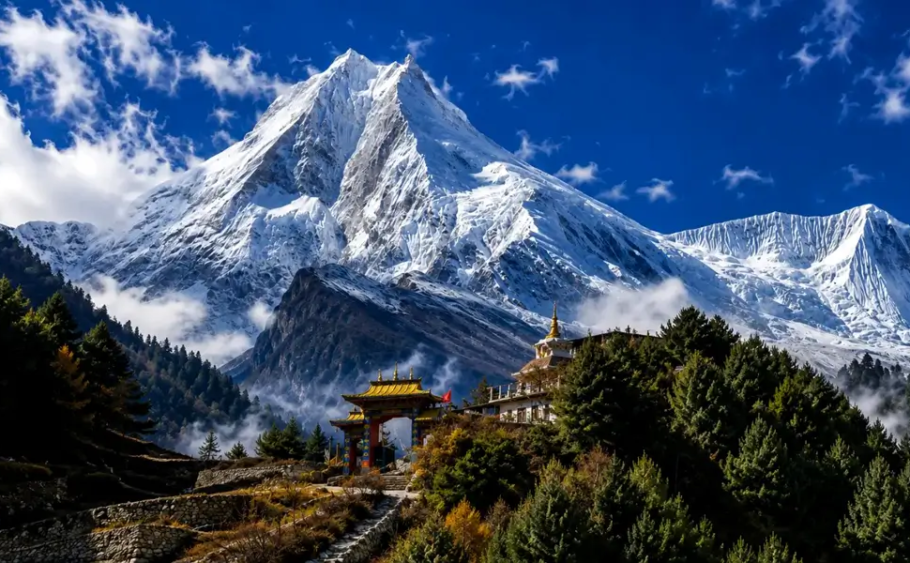



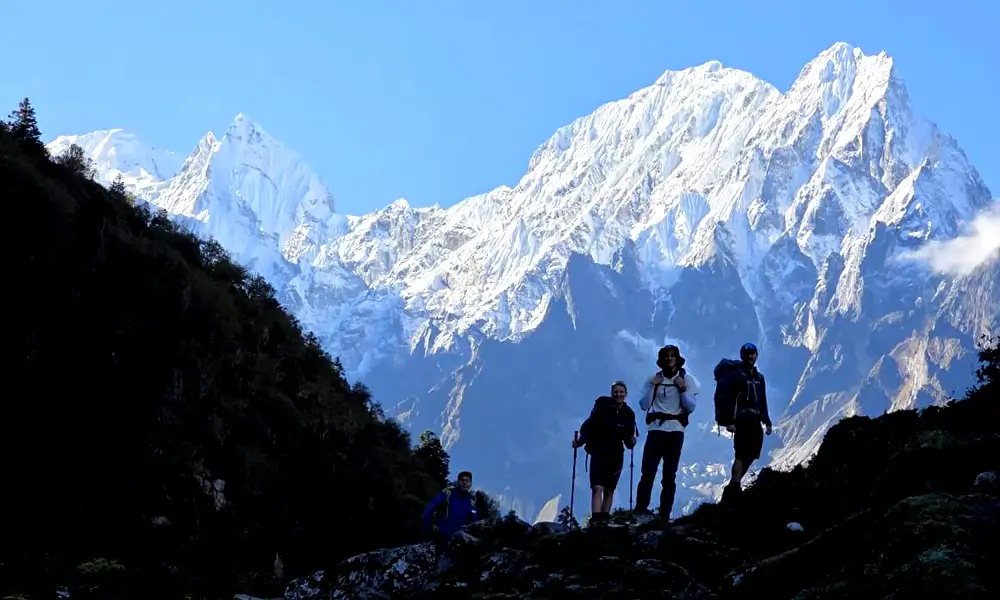 Unlike the shorter treks in Nepal, the
 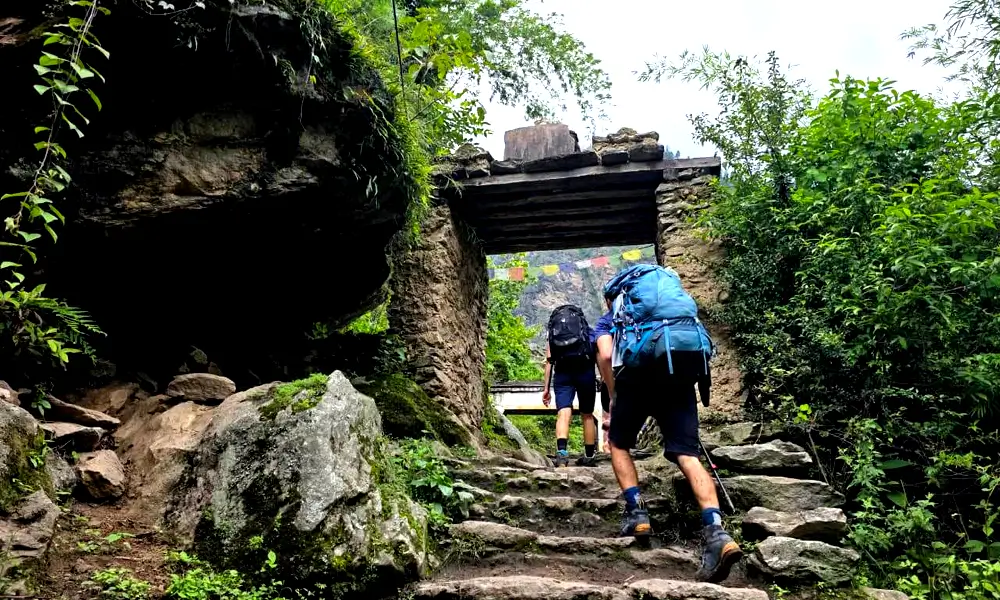 Manaslu Circuit Trek is a moderate-to-challenging high altitude trek, which we rate around 7-8 out of 10 for difficulty. It does not require technical climbing or mountaineering skills, but trekkers need good physical fitness and endurance to handle long walking days, steep ascents and descents, high altitude, and the 5,106 meters Larkya La Pass. With proper preparation, gradual acclimatization, and a suitable itinerary, fit and well-prepared trekkers can successfully complete the Manaslu Circuit Trek.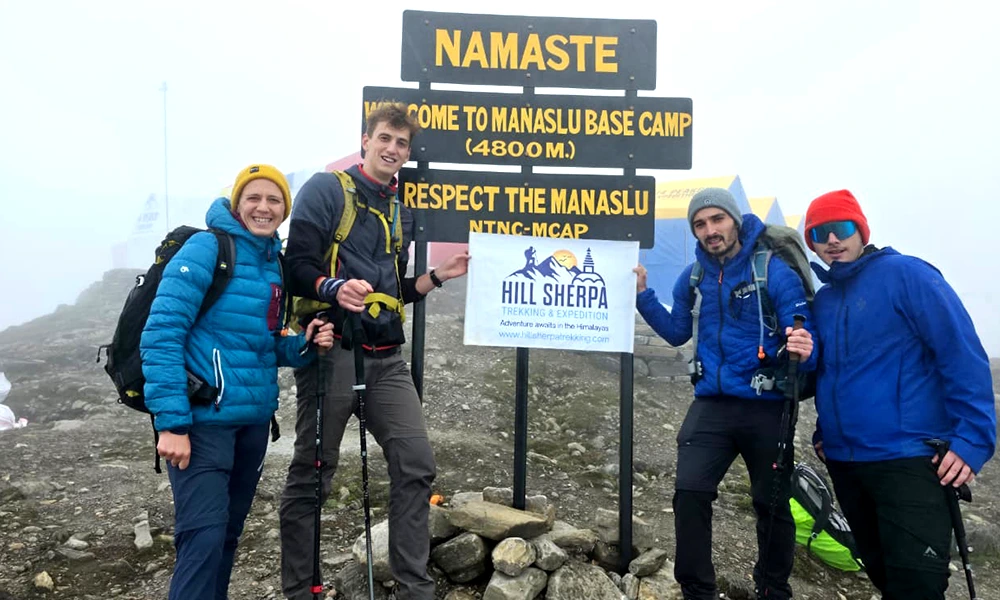
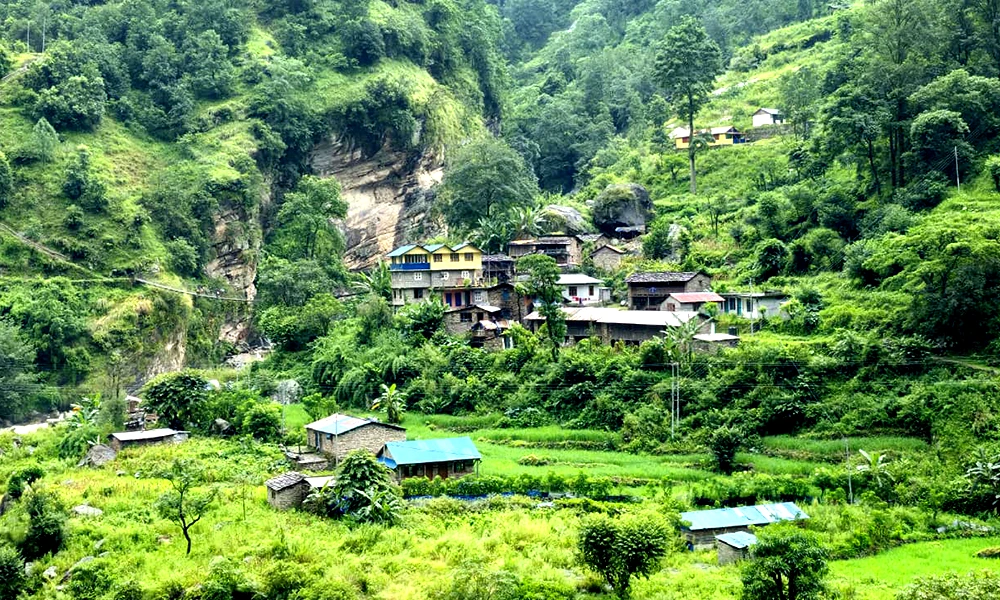 A remote and pristine attraction of the Manaslu Circuit Trek is its unspoiled and remote environment. Because the area is remote, the Manaslu Circuit Trek does not offer the same level of trek comforts that are available on the more popular trekking routes in Nepal.
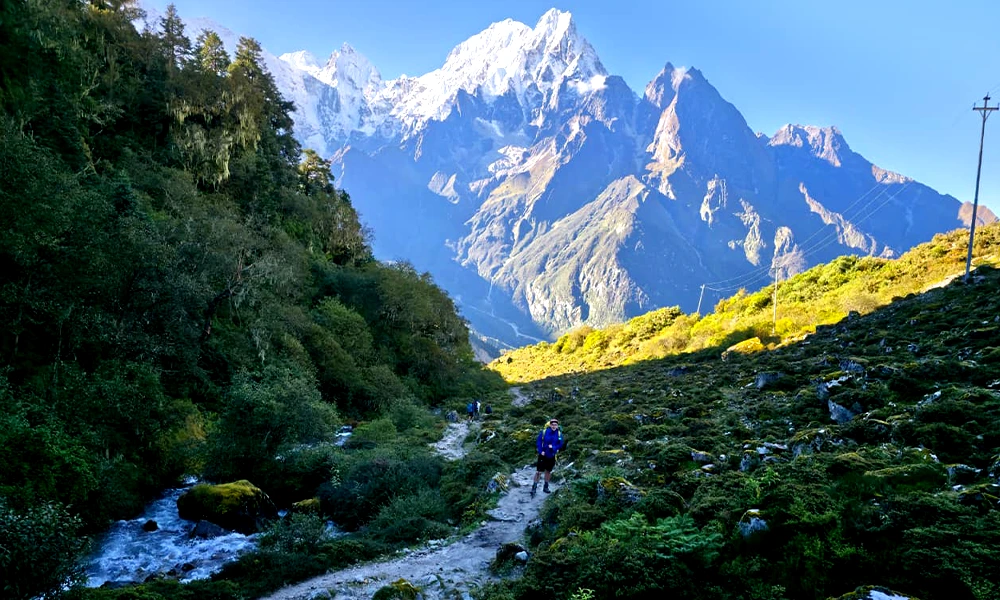 Quick-changing weather is a common phenomenon in the Himalayas. Bright and sunny weather may immediately change to cloudy, windy, snowy, rainy or mixed weather. This is especially true in the higher altitudes and/or close to a high pass.
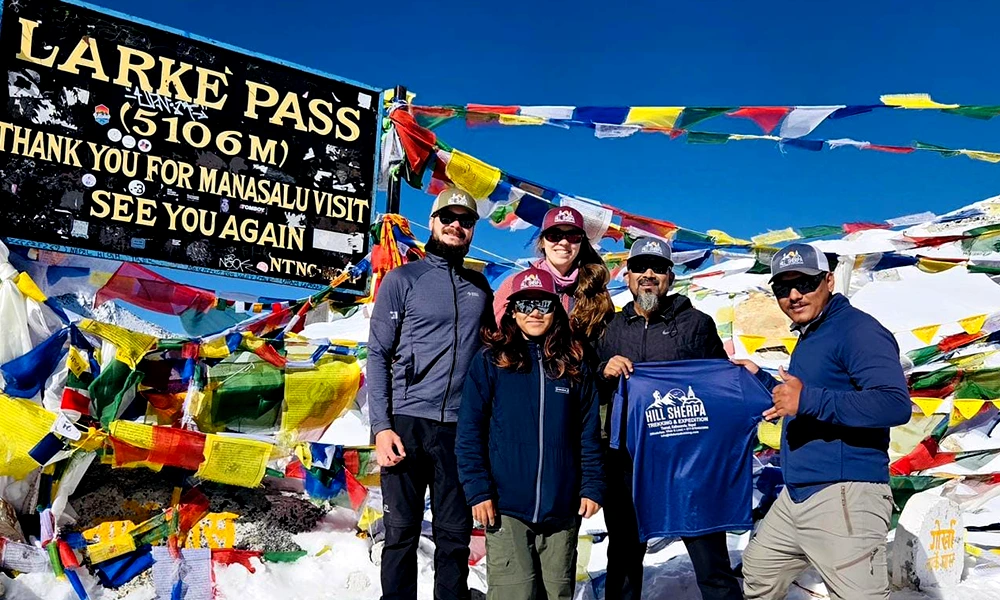 Larkya La Pass is the peak at the end of the Manaslu Circuit Trek. At 17,007 feet, an elevation which is the highest encountered on a trek, Larkya La Pass is the most difficult pass to cross on a trek in Nepal.
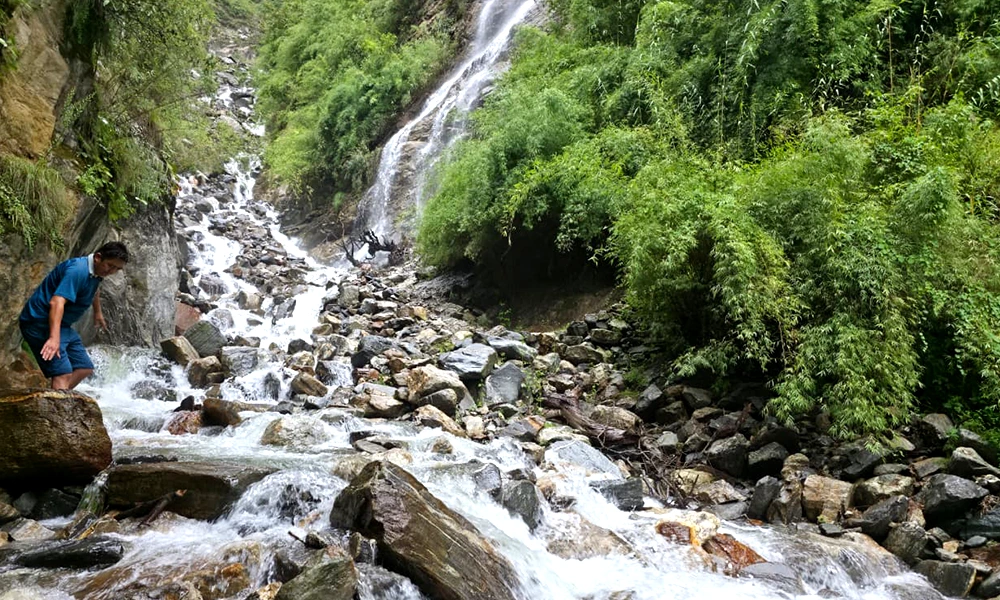 One of the furthest off-the-beaten-path trekking routes in Nepal is the Manaslu Circuit Trek. The trek offers quiet trails and allows trekkers an authentic look at the cultures of the Himalayas. Unlike many other trekking routes in Nepal, the Manaslu region is much less crowded, with fewer trekkers. The teahouses are simpler and have fewer facilities compared to many other trekking routes in Nepal.