The Fake Helicopter Rescue Scam in Nepal: What Every Trekker Needs to Know
Nepal trekking is a remarkable experience. Touching the sky in the Himalayas this way is thrilling. The names of the mountains, the myths, the beauty, and the culture are engrossing. There is a gigantic comfort industry, and trekking is a way to understand this subcontinent. However, with the increased number of trekkers to the Himalayas and the dozens of trekking companies, the fake helicopter rescue scam is growing fast. Trekkers need to be educated about this to give them the confidence to trekking in Nepal.
What is the Fake Rescue Scam?
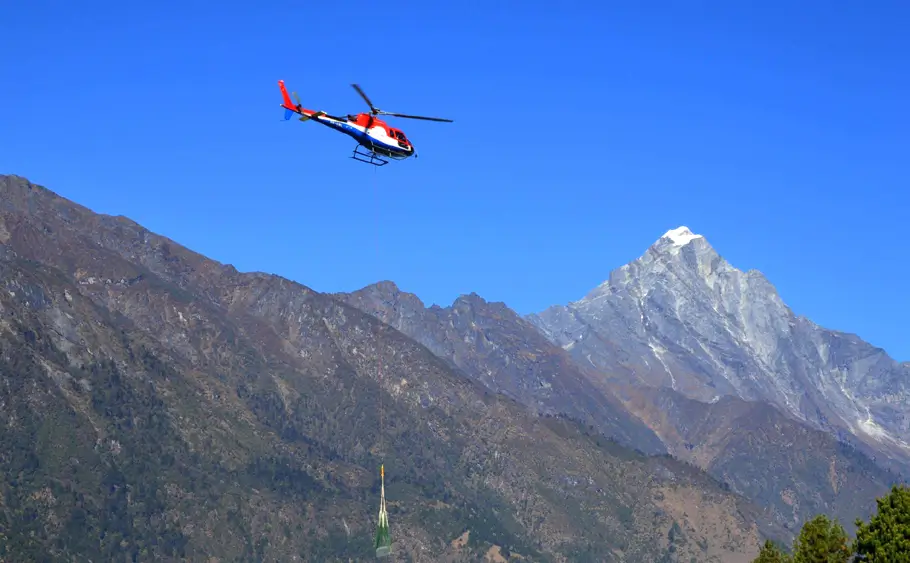
The fake helicopter rescue scam constitutes the fraud that is committed by certain trekking companies in Nepal when they arrange a helicopter rescue of trekkers, while no medical assistance is truly needed. An example of this scenario would be the collaboration of trekking companies, helicopter companies, and hospitals to literally create a medical situation, when there is no medical assistance needed, in order to defraud the trekker’s insurance company to cover the costs of the hop scam. The fact that it is done by certain companies and the way it is done have created a lot of distrust in the Nepalese tourism industry.
How the Scam Works
Usually, the first sign of a scam occurs when a trekker develops minor symptoms of headache, extreme fatigue, or slight discomfort due to altitude, which occurs when one approaches higher elevations. Instead of suggesting the trekker rest or acclimatize and wait it out, the guide creates a sense of panic by stating the trekker is in a ‘critical‘ state. This leads the trekker to the conclusion of the situation, and the guide does not waste any time. A helicopter is arranged then and there, and the trekker is flown to one of the many hospitals in either Nepal or Bhutan or to a base camp hospital.
Once there, unnecessary tests are run, or the medical report is inflated to justify the exorbitant rescue cost, and the trekker’s insurance is then charged the cost of the hospital and the report.
The Cheap Package Trap
A key factor in the scam socials is the extreme affordability factor in the various offerings made available to the trekkers. Some companies offer deals that are many, many, many, many, many times below the standard list prices in the market. While the company seems to offer a tremendous deal that does not exist at other trekking companies, the deal is in fact ‘free,’ since the ‘real deal’ is from a commission the company receives for unnecessary lifesaving rescues from unnecessary helicopter services.
Red Flags to Watch
Before signing up for a trekking company, there are some warning signs that patrons need to be aware of. When a price being offered by a company is significantly lower than that of all competitors, it is most likely a scam. This usually happens when a company is not properly registered or does not provide information about the company. Poor communication, unclear answers, or ill-defined trip details usually cause this. Being rushed to make a decision is also concerning.
If a trekking company is trying to coerce you into an expensive helicopter evacuation, it is a scam. A legit company will ensure a safe evacuation at the lowest price and will provide the information needed for a safe decision.
Fake Rescue Scam Reports
Fake rescue scams have mostly been reported on treks to the Everest and Annapurna regions. For both of these eternally popular regions, there is a good chance that anyone trekking there will have travel insurance. However, treks are usually done in the regions scam-free.
Government Action and Investigation
The government of Nepal has now taken the issue of fake rescue scams seriously. There is now a heightened state of identified false and fraudulent rescue scams alongside an increased data level toward helicopter scams. Nepal is now a fully indicated state for safe and supported trekking.
Impact of the Scam
Fake rescue scams have a huge impact on trekkers, insurance companies, and entire tourism ecosystems. Trekkers experience undue stress, perplexity, and lost time while making travel arrangements. Insurance claims, if made at all, may be even declined. If such scams became the norm in the trekking industry, Nepal would lose its positive reputation among tour companies as a credible, safe country. Insurance companies suffer a loss of income, to which they respond by either hiking premiums or creating more stringent coverage. Nepal’s tourism ecosystem suffers, as do the trekkers and insurance companies, among others.
How to Stay Safe
In order to stay safe while trekking in Nepal, you need to prepare. First, a trekker should pick a reputable, licensed trekking company. Trekking companies should be affiliated with the Trekking Agencies’ Association of Nepal. Trekkers have a right to demand and receive information on a company’s procedures before their decision to procure trek insurance. Even if you and fellow trekkers are on the insurance, you are under no compulsion to evacuate if you believe it to be a noncritical circumstance. In such a case, you have the right to leave and pursue your trek.
Trusted Trekking Company in Nepal
Although the trekking industry boasts a number of negative trekking companies, Nepal’s trekking companies are a testament to a cooperative and safe industry. The world recognizes Hill Sherpa Trekking and the best reviews as a credible trekking company. Ethical trekking companies offer peak climbing, trekking, cultural and adventure tourism, and avoid helicopter trekking at all costs.
Hill Sherpa Trekking’s world-class trekking services will accommodate your price. Always promote fair tourism to Nepal. The firm believes and upholds such. During emergencies, only helicopter evacuations will ever be available to trekkers.
Positive Developments in Nepal
After difficult years, the trekking industry in Nepal has the potential to grow again. With the knowledge the trekkers have today, tougher government laws, and ethical trekking businesses, fraudulent practices have a good chance of being eliminated. The transparency in the industry is strengthening trekkers’ knowledge and helping Nepal reclaim its reputation as a leading trekking country in the world, amongst the positive changes in the country.
Conclusion
Nepal is still and always will be a great trekking country with beautiful culture and amazing mountain views. Despite how serious the fake rescue scams are, it only accounts for a small part of the industry. Safe and life-changing trekking journeys are what the vast majority of trekking businesses are aiming for. The message is clear: always do your research and make your decision with a reasonable price in mind for a worthy destination. Now you’re getting started on a great adventure in Nepal.
FAQs
What is the fake helicopter rescue scam in Nepal?
There’s no medical emergency, yet hikers are airlifted in a rescue helicopter. Trekking companies can exaggerate or make up symptoms to get reimbursed large sums through the trekkers’ travel insurance.
Does this scam occur in other parts of Nepal?
No, the majority of Nepalese trekking companies are not like that. These events are limited to certain regions, particularly where there is heavy foot traffic like the Everest Base Camp and Annapurna region.
Are cheap trekking packages unsafe?
No, many inexpensive packages are legitimate. However, a particular travel package with extreme price cuts and a general downward trend in price should raise some business red flags. If your trekking deal is much cheaper, you should scrutinise the travel package components and verify the trekking company’s legitimacy.
How can you tell that a helicopter rescue is warranted?
A helicopter rescue is justified when significant elevation sickness, major injury, or some other life-threatening health condition is involved. If someone is compelling you to evacuate and there is no legible reason to warrant a helicopter rescue, you must make your inquiries and/or get some other professional opinion.
What symptoms are not worthy of a helicopter rescue?
Symptoms such as mild headache, fatigue, loss of appetite, and slight dizziness are typically associated with circumstantial exposure to high altitude. These symptoms usually resolve with a good rest and proper hydration, and good physiological acclimatization.
How do I tell the difference between diagnosis rescue scams?
One way to distinguish diagnosis rescue scams is to employ a trekking company found on the licensed companies list. Ascertain whether they are registered with the Trekking Agencies’ Association of Nepal. Ensure to familiarize yourself with their emergency and rescue policies beforehand.
Is it a must to get trekking insurance for Nepal?
Yes, of course, you are required to get travel insurance. Ensure that your insurance covers emergency rescue evacuations, trekking, and altitude. However, evacuations should only be done under medical emergencies.
How do I go about things when pressured for a helicopter rescue?
Be calm and do not exhibit any coastal emotions. You should be transparent about your condition. Try to contact your travel insurance and take a third party diagnosis with a larger scale scope to avoid making the decision by an iota.
Are helicopter rescues genuinely needed?
Yes, in bona fide emergencies, helicopter rescues can save lives when used correctly for altitude sickness, injuries, and illness.
How do I go about things when misled to take a helicopter rescue?
A company should make every effort to be fully registered, employ a team with ample scope, provide transparent emergence, and have prima facie reviews. An example of a trekking company is Hill Sherpa Trekking, who have proven to be an earnest travel company.
Has the Nepal government done anything about this?
Yes, the government have instigated and instituted regulations to maintain control over fraudulent helicopter rescues.
Is trekking in Nepal still safe?
Yes. Nepal is one of the safest places in the world for trekking and has been recognised for a considerable time now. Your experience will be rewarding and memorable with the correct trekking company and proper planning.