Adventures to the magnificent scenery of Nepal are not just a mountain and adventure trip; they are also a very fulfilling experience of Sherpa dishes in the Himalayas. The Sherpa people and their food can be characterized as being strong, culturally and lifestyle wise, and their food is a strength, culture and a way of life in the high altitude areas of the Himalayas and that survival and simplicity go hand in hand.
Himalayan Sherpa food is healthy and delicious and is well cooked to give energy and warmth in cold mountain environment. Each meal has a reason, whether it is a warm soup or a newly steamed bread, bringing comfort, strength, and a feeling of tradition. These are not dishes, but a representation of generations that lived close to nature.
The use of local foods (butter of the yaks, barley, potatoes, and fresh mountain vegetables) is what makes Sherpa cuisine unique. These products are incredibly energetic and are exactly what is needed in the high altitude environment to keep the body warm and fit on long and difficult days.
Whether it is a hot bowl of Thukpa or a hot cup of Su Chya, each bite and swallow is a comforting one on the trail. These are traditional foods that not only feed the body but also enable the travelers to associate with the daily life and culture of the Sherpa people.
Everest Base Camp and Annapurna Circuit are treks where a person gets the best chance to try this special cuisine. Still, on the road, teahouses offer some traditional local cuisine like Rikikur (Sherpa pancake) and Rildok, simple but nutritious dishes with profound cultural significance.
Himalayan Sherpa cuisine has a number of dishes that are must-try dishes in this blog, and every one of them has its flavor, story, and relationship with the mountains. It is a cultural, traditional and warm hospitality adventure that makes trekking in Nepal a memorable experience.
Rildok
Rildok
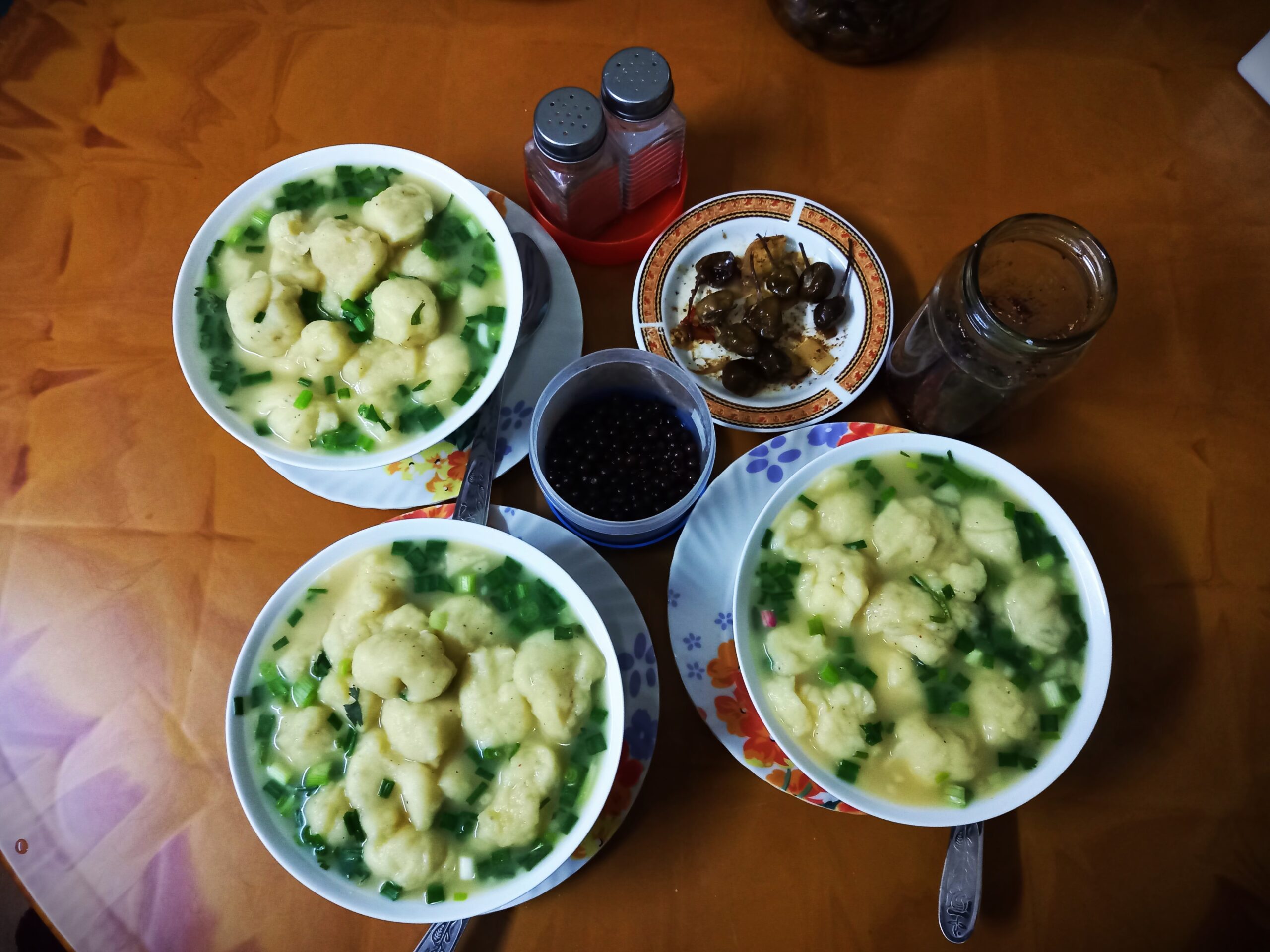
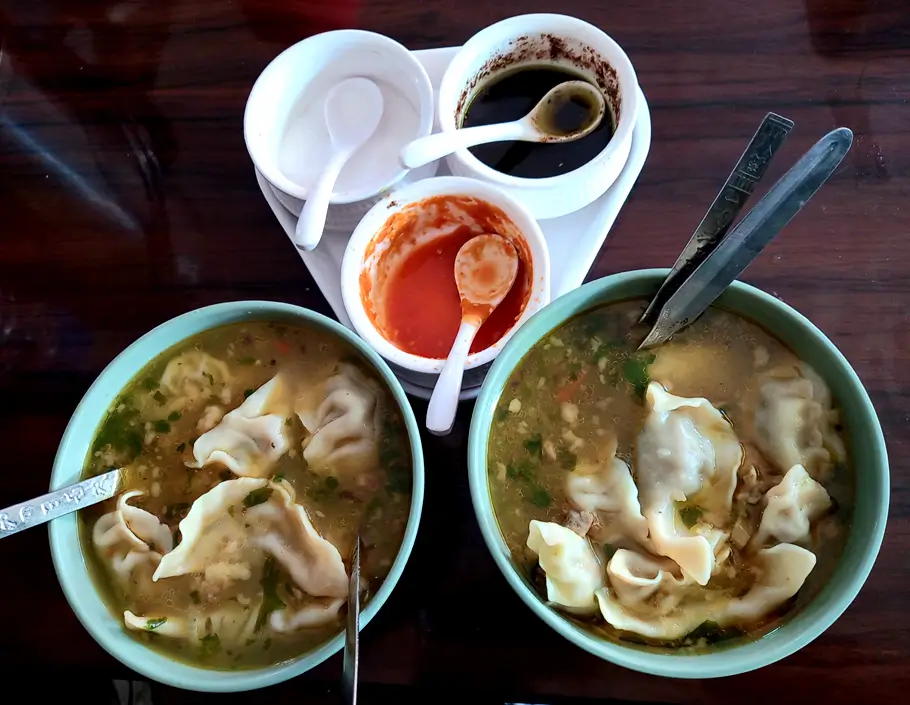
Out of the multitude of dishes in the Himalayan Sherpa foods, Rildok is an amazing and easy to make yet culturally enriched dish. This is prepared using potatoes which are pounded into soft sticky doughs following boiling and finally shaped into dumplings. These dumplings are then boiled in a seasoned sauce, making the meal light and most pleasing, and embodying the wholesomeness of Sherpa cuisine.
The broth of Rildok is hot, as is the spirit of Himalayan Sherpa food itself, and can be flavoured with Sichuan pepper and other local herbs to lend it a superior flavour. These dumplings rise to the surface of the soup and give it a completely new feel that suits very well with rich flavors.
It is a healthy meal; better still it is a symbol of how the Sherpa people can make do with what they can find in their area. Rildok is one of such little gems of Himalayan Sherpa cuisine that will hardly be discovered in an ordinary teahouse menu on the trekking trails.
In order to experience its original flavor, you might want to sample some of the small local restaurants of the Everest area. This traditional soup is easily found in such places as Lukla and Namche Bazaar, where you may taste the true richness of Sherpa cuisine.
Rildok must be included in your list of must-see places, should you be in search of the very spirit of the Himalayan food tradition among the Sherpas. It is unorthodox and full of hearty taste and thus is a memorable dish in the Himalayan Sherpa cuisine.
Tsampa
The Himalayan Sherpa food is naturally a part of the Tsampa food, and is highly enjoyed due to its simplicity and nutritional impact. The preparation of Tsampa primarily makes use of roasted barley flour and has become the perfect combination of taste and food that the Sherpas require.
It has diversified preparatory methods of becoming an important energy source among trekkers as they attempt to conquer the territory land of the Himalayas.
The versatility of Tsampa is one of the biggest characteristics of the Himalayan Sherpa food. Roasted barley flour is often combined with butter tea or yak cheese to create a high-calorie dough that may be cooked into a porridge or may be eaten uncooked to get a fast and nutritious meal.
Tsampa is available in the all over the mountain region and is commonly available in teahouses where trekkers can enjoy it during their treks. It is a staple dish of the Himalayan Sherpa diet, which offers a nutrient rich breakfast to climbers to get them ready for their mountain activities. Its great calorie content qualifies it particularly for high altitude trekking.
Tsampa is the delicacy for individuals who wish to experience the traditional Himalayan Sherpa food. The simplicity of its preparation and the common coziness provide it with the boost to the power of the Sherpas and their culture.
Tingmo
Tingmo is a well-liked and soothing meal in the Himalayan Sherpa dishes and it is also referred to as Tibetan steamed bread or T Momo. It is very easy and very tasty and is prepared using soft dough, which is shaped well and steamed until it becomes light and fluffy. Tingmo, unlike momo dumplings, is normally not stuffed but is accompanied by a range of delicious side dishes.
This is a soft bread that is used by the mountain dwellers. It is simple to digest, nutritious and provides good energy and hence is ideal for trekkers in the Himalayas. A day of walking is made so good with warm Tingmo and curry or soup.
Tingmo is very mild and soft to taste hence it is compatible with a great number of foods. It is usually served with vegetable curry, meat products, pickles or traditional butter tea. Its plush nature readily takes in flavors and each bite is a delight.
Tingmo is common in teahouses in trekking areas such as Everest. It is an easy, yet significant element of the local cuisine and it indicates the way of life of the Sherpa population,practical, warm and welcoming.
Tingmo is a sure must have for anyone visiting the Himalayas. It is not merely food, but an element of the culture and lifestyle of the mountain communities.
Su-Chya (Sherpa Butter Tea)
Himalayan Sherpa Butter Tea
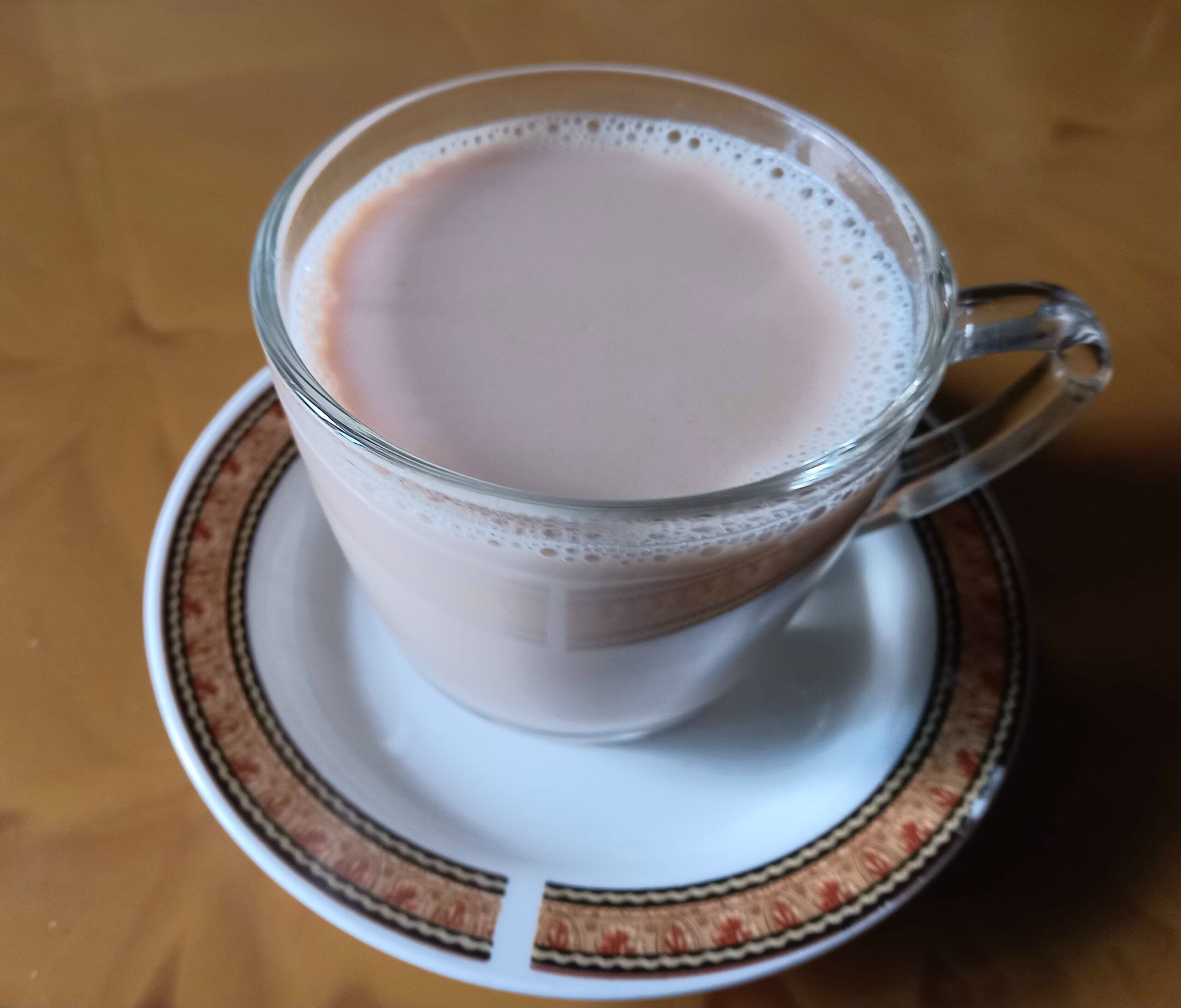
Su-Chya, or butter tea, forms an integral part of the Himalayan Sherpa cuisine and is used to warm up yourself against the cold Himalayan weather. It includes ingredients like tea leaves, yak butter, and a pinch of salt.
Su chya is a peculiar combination of richness in flavors and nutrition all combined. More than being a drink, it’s a tradition that comes with every sip.
Su-Chya is an important source of energy for trekkers in the rugged terrains of the Everest and Helambu regions in the Himalayas. This particular high-altitude lifestyle of the region demands a high-caloric diet, which this tea answers by offering hydration as well as food.
It also saves chapped lips, very common in cold, dry conditions; hence, a trekker’s best friend.
You will also find Su-Chya in almost every teahouse and Sherpa household along the Himalayan trails, signifying its important position in traditional Himalayan Sherpa cuisine. This creamy, whether paired with Tsampa or not, is a comforting break during a challenging trek.
The Su Chya will make the experience of the Himalayan Sherpa cuisine incomplete. This warm drink shows the stronghold and warmth of the Sherpas, a flavorful way to connect with the rich culture while exploring the majestic peaks of Nepal.
Rikikur (Potato Pancake)
Rikikur, also known as Sherpa pancakes, is a popular delicacy in the Himalayan Sherpa cuisine. Grated potatoes mixed with flour make this dish satisfying as a source of breakfast for trekkers through the rugged Himalayas. Its soft texture, combined with the earthy flavor of potatoes, makes it an ideal way to start the day.
Rikikur is also a special dish served in the Himalayan Sherpa cuisine with various accompaniments like yak cheese, butter, or spicy dipping sauces. This means that it can be had at any time of the day, be it for a filling breakfast or a satisfying snack after a long trek. Thus, it is light yet filling enough to leave trekkers energized.
Rikikur is a popular dish served in teahouses on the lower trail of Everest Base Camp Trek and Rolwaling trails and has established a niche as one of the staples of Himalayan Sherpa food.It is easy to make, soothing and even popular among the Sherpa and even the trekkers.
Rikikur is a delicious means through which you can feel both the culture and taste of the Himalayan Sherpa cuisine. This is a meal that feeds body and soul, keeping you going strong for the adventure.
Shyakpa (Sherpa Stew)
Himalayan Sherpa Cuisine (Shyakpa)
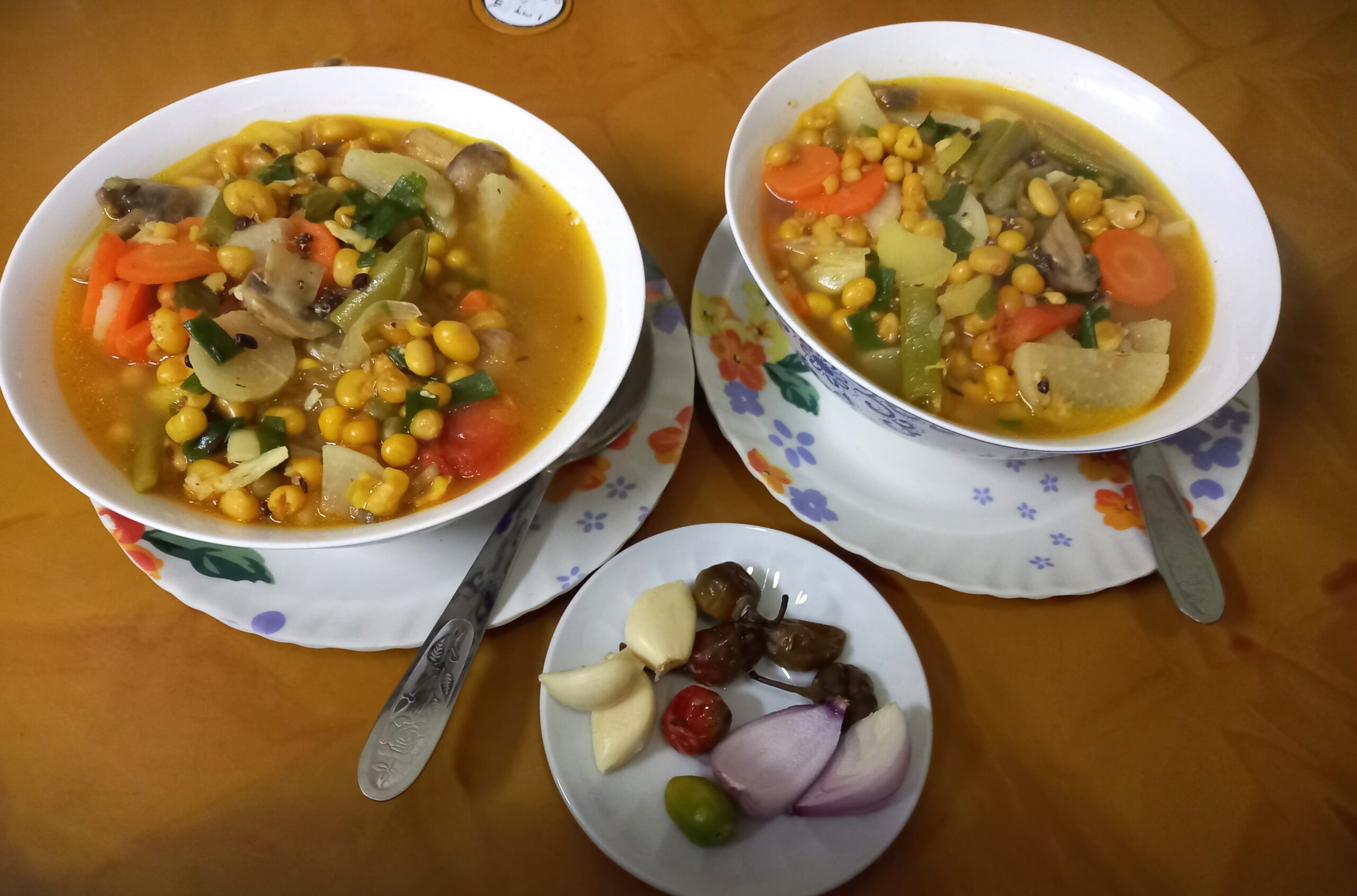
Shyakpa, also known as Sherpa stew, is the major staple for the Himalayan Sherpa cuisine and a staple dish for trekkers across the rugged mountains. This heavy meal consists of hand pulled dough, vegetables, tender yak, or sheep meat, which altogether make for a fulfilling and comforting meal. Ideal for the cold weather of the Himalayas, Shyakpa provides the nourishment you need on high-altitude treks.
Shyakpa is available in almost every teahouse and local eatery throughout the Himalayan Sherpa settlements, especially around the Everest and Annapurna regions. Rich in flavor and comforting in texture, Shyakpa is just what you need after a long day on the trail. A combination of dough and meat in a flavorful broth gives trekkers just the energy boost they need.
What makes Shyakpa special is how it fills you up without actually giving you that heavy feeling, all because of the hand-pulled dough that creates a soft and chewy texture that goes perfectly well with the tender meat and aromatic vegetables. It is absolute comfort food that reflects the Sherpa way of life.
For those in the Himalayas who want an authentic Sherpa meal, Shyakpa is not to be missed. Whether you are trekking up to Everest Base Camp or just wandering through villages, this stew will warm the trekkers and push them for further journeys into the high Himalayas.
Sha Phaley
Sha Phalay
Sha Phaley, a deep-fried bread filled with a spiced bowl of cabbage, minced meat imbued with spices, is one of the more popular dishes of Himalayan Sherpa cuisine. This will be the savory pie for any trekker who is seeking to fill his stomach after a long trek. Whether it is lunch or dinner time, Sha Phaley can present you with the Sherpa lifestyle.
Found in restaurants all throughout the trekking trails of both the Annapurna and the Everest region, Sha Phaley is something that no trekker will be able to miss out on the trails. Quite crispy on the outside, it has a savory interior that can be comforting and full. It is popular among trekkers and locals due to its taste that provide the person the energy that he/she needs when climbing mountains.
Amongst all the different types of cuisines the Himalayan Sherpas offer, Sha Phaley is one thing very unique, yet very satisfying. It is the ideal combination of minced meat, vegetables, and spices making it a rich savoury taste; the crust is deep-fried. This is normally served with pickles or chutneys to enhance the flavor and make it even more irresistible.
Sha Phaley is a crucial aspect of the food experience of trekkers in the Annapurna and Everest areas. On your trip, do not miss the opportunity to savor this crisp and tasty snack, as well as other heuristic delights of the full-fledged Himalayan Sherpa food.
Sherpa Momo
Himalayan Sherpa Cuisine – momo
Sherpa Momos are the most popular variation of Nepal’s favorite dumplings, filled with the flavors of Himalayan Sherpa cuisine. Originally, a combination of yak meat or local vegetables provided the filling for these dumplings, which makes for a savory and hearty dish especially during cold weather meals.
These Sherpa Momos taste great either steamed or fried and create a soothing sensation on the tongue after a day of trekking across the rugged Himalayas. These can be found in every teahouse and local eatery throughout the Everest region. It is a dish one should never miss if looking to taste the real essence of the Himalayas.
The use of local spices and fresh fillings gives them a unique, rich flavor with every delicious bite. These dumplings provide the perfect balance of crunch and tenderness, whether steamed or fried.
Especially in the Everest region, the soup momo version is a comforting food that enhances the flavors of the dumpling filling with flavorful broth. This variation warms not only the body but also gives a quick burst of nutrients making it perfect for trekkers in need of sustenance and energy.
The perfect representation of Himalayan Sherpa food, Sherpa Momos, boasts of local ingredients, traditional cooking and delicious flavors.
If anyone is on the trek of the trails of Everest, he should not miss these ‘sweet’ dumplings, and it will surely be a taste of the real Himalayas. Sherpa Momos are not just a source of sustenance; they form part of the cultural Himalayan Sherpa cuisine heritage.
Thukpa
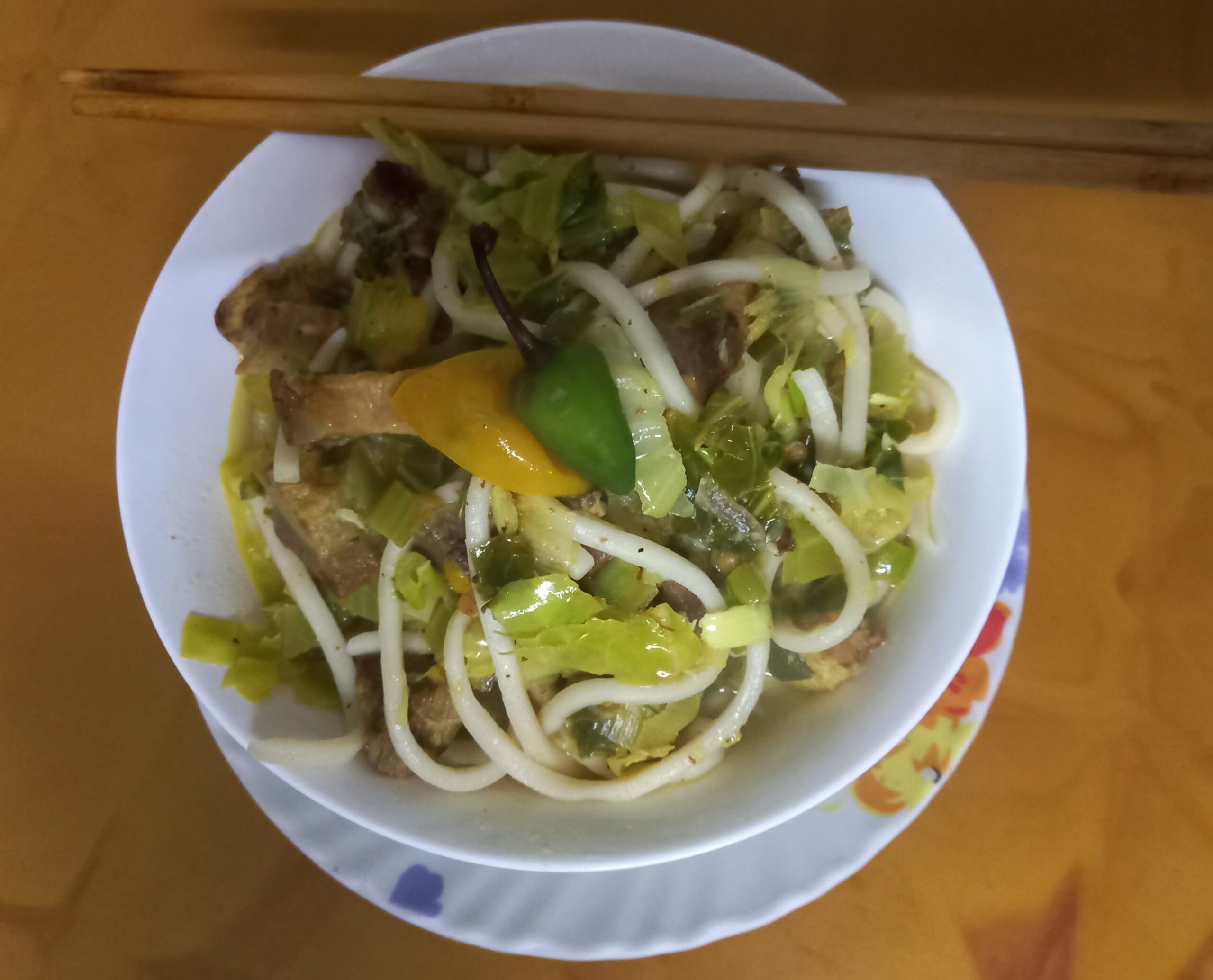
Thukpa is a flavor intensive, nourishing noodle soup that makes it important in the menu of the Himalayan Sherpa cuisine. With long, thin noodles and a rich broth, it is best served with fresh vegetables and optional meat either dried or fresh.
Thukpa is something to take right after a long, exhaustive trek up and down the chilly Himalayan trails, sufficient enough for a satisfying, hearty meal.
What makes Thukpa different, in a Himalayan Sherpa cuisine way, is the spiciness, a signature Sherpa twist that adds depth to the dish. Spices have combined well with noodles, vegetables, and meat, therefore food is warming, and energetic for the trekkers.
It is widely available in teahouses and local eateries along famous treks, such as the Everest Base Camp Trek and Annapurna Base Camp Trek, for a healthy break among travelers. Whether lunch or dinner, Thukpa is almost an experience itself, depicting the love and hospitality that the Sherpas have towards their guests; thus, it is more than a meal.
The freshness of ingredients, the addition of spices, and the richness of flavors will make this dish the perfect choice for trekkers negotiating the high-altitude trails of Nepal. For trekkers who want a fulfilling and delicious meal, Thukpa is a must try.
Kur (Tibetan Bread)
Traditional Tibetan bread, Kur is a favorite delicacy of the Himalayan Sherpa cuisine. It is a simple, fried flatbread usually served with butter, jam, or curry, offering a tremendous balance of flavors. Rich in texture and satisfying to the taste, this is the favorite breakfast among Sherpas and trekkers in the high Himalayas.
As a filling and inexpensively made food, Kur stands out as a staple offering in the region’s teahouses from Everest and on into other areas. While trekking in the rugged Nepalese landscape, this bread is more often served with a spattering of fresh butter or sweet local jam.
A versatile preparation that can be consumed in a variety of ways, it is also a must-have while venturing into the food choices offered by the Himalayan Sherpa people.
Be it for an early morning start of a trek or a short stop for a quick bite of meal, Kur stands convenient and satisfying. The crunch exterior and the soft and fluffy interior become refreshing for immediate energy and warmth that is necessary in the demanding conditions of the mountains.
Embracing Himalayan Sherpa cuisine on your journey, Kur offers a taste of Sherpa culture and the simplicity of life in the mountains. It forms a perfect treat that blends with the natural beauty and hospitality of the Everest region.
Sherpa food is more than a meal but is one cultural experience combined with your trekking adventure across the Nepal mountains. From thick stews to energy-packed bread, this set of dishes will keep you going and connected with the spirit of the mountain. Never miss an opportunity to research these treasures on your next trek.