Saga Dawa: The Most Sacred Month in Tibetan Buddhism
Saga Dawais one of the most important and remarkable occasions in Tibetan Buddhism. This holy celebration spans all of Tibet, Nepal, and Bhutan, as well as other parts of the Himalayas. This festival celebrates the life and teachings of the Buddha. During this month, millions of followers of Buddhism engage in the ritual of prayer, practice the art of meditation, and perform acts of charity, as well as participate in numerous religious ceremonies, all aiming to gain merit and decrease unwanted karma. For pilgrims and travellers, the festival gives the exquisite chance to observe the timeless, cultural, and spiritual practices of the Himalayas.
What is Saga Dawa?
Saga Dawa refers to the 4th month of the Tibetan lunar calendar and is, universally, the most sacred month of Tibetan Buddhism. Saga refers to the lunar month that is represented by a constellation of stars, while Dawa is the monthly designation in the Tibetan language. Saga Dawa has gained this level of importance due to the belief that 3 significant events of the Buddha’s life occurred during this month: his birth, his enlightenment, and his death, as well as his entry into the state of Parinirvana. Thus, for the followers of Buddhism, this month is one of the most significant and spiritually focused of all the Tibetan lunar months.
Historical Background of Saga Dawa
Saga Dawa is a celebration stemming from Buddhist traditions in the region of Tibet and the Himalayas. After the arrival of Buddhism in Tibet in the 7th century, the month was observed as a month of prayer and reflection. The modern-day celebration has grown from its smaller iterations to the largest event of its kind in the Tibetan Buddhist sphere. Saga Dawa traditions house their significance within the ancient monasteries, as well as the monks and local communities and leave the traditions intact and the legacy spiritually significant in the present day.
The Spiritual Significance of Saga Dawa
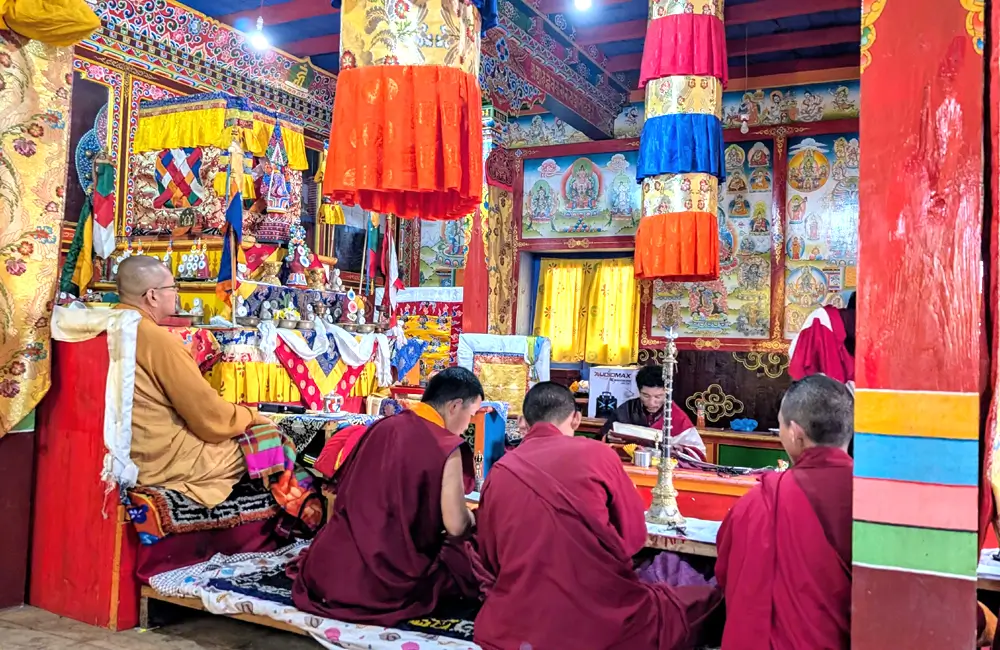
Saga Dawa is more than just a month of festivities and includes a Buddhist spiritual and charitable practice. The positive and negative extreme effects of behaviours and acts are shown within this month, which are eagerly avoided and absorbed, respectively. The month is spent praying, meditating, feeding, donating, and helping the less fortunate. This is all done in the hopes of spiritually levelling and creating merit.
What is the Importance of Saga Dawa?
Saga Dawa is considered the most important month because it recognizes the most important events associated with the life of the Buddha. Buddha’s birth, enlightenment, and Parinirvana are considered the beginning, the great teacher, and the end of the earthly journey, respectively. The sacred significance of this trio of events is Saga Dawa’s unique Buddhist calendar standing. During this month, Buddhist followers enhance their understanding of the Buddha’s teachings and strengthen their commitment to living mindfully and with compassion.
What are the Saga Dawa Traditions?
Buddhists engage in different forms of religious activities and ceremonies throughout the month. Followers journey to monasteries, temples, and shrines to pray and participate in religious rituals. An important ritual is the lighting of butter lamps. Butter lamps represent wisdom, and the lighting of a lamp symbolises the removal of ignorance. The Butter lamps are accompanied by the spinning of prayer wheels and chanting sacred mantras. Monasteries and monks are the recipients of many offerings. The month is filled with numerous religious teachings and prayer ceremonies that are attended by lots of people seeking blessings and guidance.
When Does Saga Dawa Start?
Saga Dawa generally begins in either May or June as it starts on the first day of the fourth month of the Tibetan lunar calendar. Since this calendar is based on lunar cycles, dates are flexible. The opening of Saga Dawa begins an entire month of heightened prayer, loving-kindness, giving, and improved spiritual practices and self-discipline. There is preparation in the Buddhist communities of Nepal, Tibet, Bhutan and the rest of the Himalayan region, which will begin a number of different ceremonies and activities that will take place throughout the month.
When Does Saga Dawa End?
Saga Dawa lasts a month and ends on the final day of the fourth month of the Tibetan lunar calendar. Its month-long observance reaches its spiritual climax on the full moon day, Saga Dawa Düchen, which marks the Buddha’s birth, enlightenment and death. Although this observance of the full moon day is the most significant, religious practice and merit-making activities will continue until the end of the month. The final days of Saga Dawa include many extra acts of prayer and giving.
How long is Saga Dawa?
Saga Dawa typically lasts a lunar month, averaging 29 to 30 days. During this time, Buddhists are especially active in their faith. Many make daily trips to the monasteries, practice kora, make offerings, and take part in group prayers. The month is full of holy days, which makes it quite important in the Tibetan Buddhist calendar.
Kora
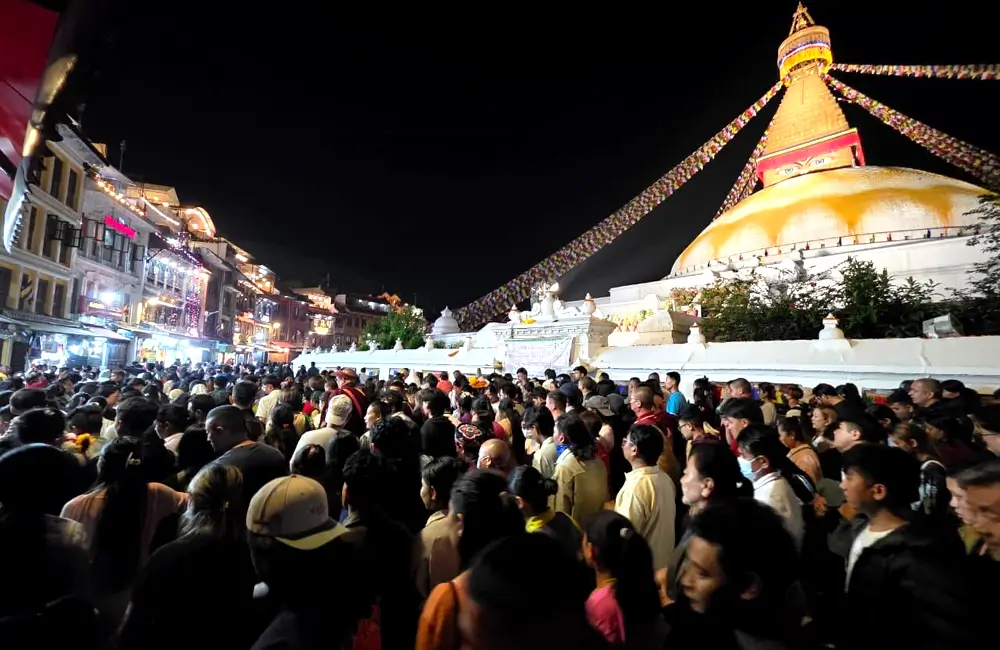
During Saga Dawa, Kora, which is walking in a clockwise manner around sacred sites, is one of the most significant activities. It is believed that negative karma is purified by this practice, and spiritual merit is gained. Thousands of Saga Dawa devotees spend time doing Kora in the sacred places. A proportion of the devotees perform the journey by prostrating on the ground. This is the way that they express their faith and their respect.
Significance of Prayer Flags during Saga Dawa Celebrations
During the Saga Dawa, colourful prayer flags that hold sacred prayers and mantras on cloth are abundantly available. It is a common belief that as the wind blows through the flags, the prayers are carried throughout the world, and thus it is a means of spreading positive energy and peace. Families and whole communities join in the endeavour of raising prayer flags on the hills. The secular prayer flags are meant to express a desire for the well-being of all living beings.
Saga Dawa in Nepal
About 10% of Nepal’s population identifies as Buddhist, so there is widespread celebration of Saga Dawa. In Kathmandu, festivities are concentrated around the Boudhanath and Swayambhunath stupas. Thousands make kora and give offerings there. Special events are held at monasteries, and there is lots of chanting and burning of incense and butter lamps. Colourful prayer flags fill the area. The festival is also celebrated in Mustang, Manang, Dolpo, and the Everest region, where Tibetan Buddhism is practiced.
Saga Dawa in Tibet
Saga Dawa is a major celebration in Tibet, and people flock to the festivities. Mount Kailash, one of the holiest places in all of Asia, hosts one of the largest events. Thousands make the Kailash Kora, a pilgrimage that is believed to remove all of a person’s karma. The festival is characterized by ceremonies and large gatherings that include the raising of large prayer flags. The festivities are at their height on the full moon day of Saga Dawa. This day is also the most auspicious.
Why is Saga Dawa Celebrated?
Saga Dawa is a rich opportunity to commemorate the birth of the Buddha, the Buddha’s enlightenment, and the Buddha’s death and subsequent Parinirvana. These three important events of the Buddha’s life occur at the beginning and then the beginning and the end of the Buddha’s life journey. Saga Dawa also invites reflection on the Buddha’s teachings of compassion, wisdom, and non-violence. During Saga Dawa, Buddhists honour the Buddha’s teachings of compassion and wisdom by engaging in acts of compassion and kindness, and by refraining from harmful activities, as well as by participating in spiritually constructive activities that help generate good karma and peace of mind.
Why is Saga Dawa Important in Buddhism?
Saga Dawa is the holiest month in Tibetan Buddhism because of what it embodies in terms of the Buddha’s teachings and accomplishments. It is said that during this month in Tibetan Buddhism, the karmic result of a person’s action is multiplied. Therefore, during the month of Saga Dawa, the focus is primarily on prayer, meditation, charitable giving, and general uprightness. This month is an opportunity to reflect upon one’s actions, fortify one’s faith, and promote loving-kindness to all sentient beings.
Best Place to Celebrate Saga Dawa in Nepal
Saga Dawa is best practiced in Nepal, as it is a land of Buddhists, and because of the cultural ties to Tibetan Buddhism. The most important celebrations in Nepal occur at Boudhanath Stupa and Swayambhunath Stupa in Kathmandu. These sites become populated with thousands of monks, pilgrims, and lay devotees, all of whom engage in kora, offering butter lamps, prayer recitation, and participation in the religious ceremonies.
In the districts of Mustang, Manang, Dolpo, Solukhumbu, and Helambu, Saga Dawa is celebrated with traditional rituals and monastery events. Visitors to these districts gain an insight into Tibetan Buddhism and the region’s scenic beauty and ancient monasteries.
Boudhanath Stupa: The Heart of Saga Dawa Celebrations in Nepal
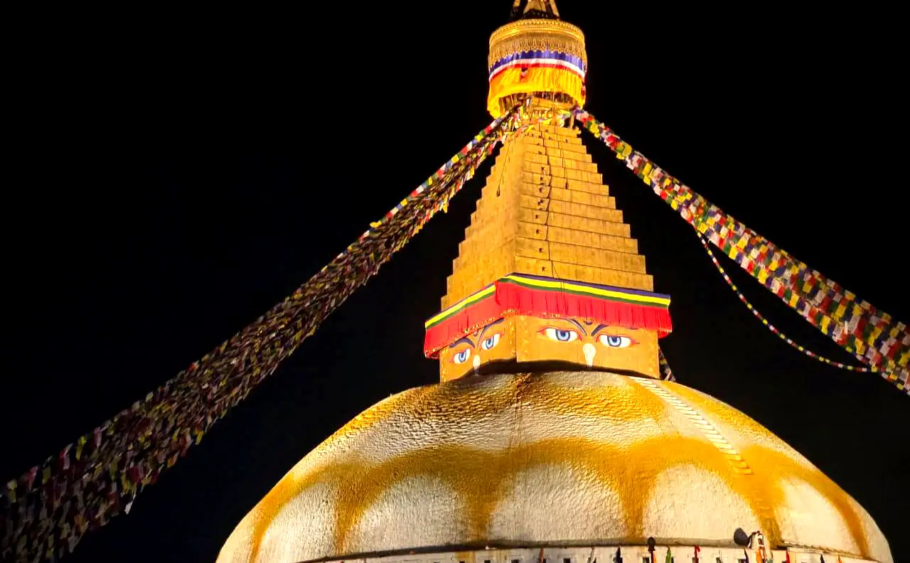
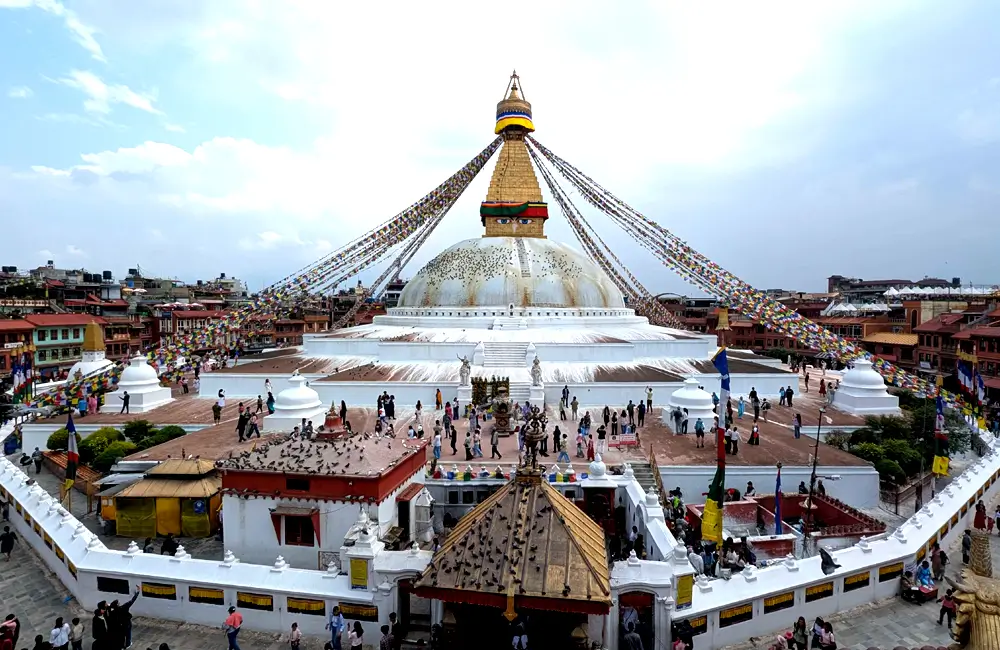
Saga Dawa celebrations in Nepal are said to centre on Boudhanath Stupa. It is one of the largest Buddhist stupas in the world and is a must-visit pilgrimage site for many in the Buddhist community, including many in Nepal, Tibet, and Bhutan. For the duration of the month, many walk the stupa, and community members may be found spinning prayer wheels while reciting mantras and setting butter lamp offerings. The atmosphere is always enriched by the colourful display of prayer flags and the endless flow of pilgrims. Boudhanath is a great place to celebrate the Saga Dawa festival.
Can Tourists Participate in Saga Dawa Celebrations?
Saga Dawa is one of the most exciting times to be a foreigner in Nepal, as foreign tourists are actually allowed to participate in the ceremonies and celebrations. Tourists participate in the walking of the sacred site, observe the prayer ceremonies, visit the monasteries, and partake in the Buddhist lifestyle. Observing proper Buddhist decorum is essential at all times. This participation provides great insight into the foreign population on the significance of this festival to the Buddhist.
What Can You Expect During Saga Dawa?
Saga Dawa is a spiritually uplifting experience made evident by the prayer ceremonies, butter lamp offerings, and extensive pilgrimages that Tibetan and other nearby Buddhist practitioners partake in, along with the presence of colourful prayer flags. Monasteries also perform special teachings and rituals and are open to the public. Festival performances can be used as a tool to cultivate an act of generosity and compassion. The festival is a great time to experience what is most sacred and meaningful for Buddhist practitioners of the Himalayas.
Mount Kailash and the Saga Dawa Festival
For Buddhists, Hindus, Jains, and Bon practitioners, Mount Kailash is of great importance. With the inauguration of Saga Dawa, pilgrims from far and wide flock to the mountain to take part in the revered spiritual pilgrimage. Walking the almost 52 km kora is said to be one of the holiest offerings and greatest spiritual cleansings. During the Saga Dawa, visitors to the festival will see pilgrims in prayer and chanting. The pilgrims and visitors will celebrate together and fill the sacred landscape of the Himalayas.
What Travellers Can Experience During Saga Dawa
Saga Dawa is the festival of a lifetime for visitors interested in both culture and spirituality. Saga Dawa is an extraordinary travel experience for those who want to witness ancient religious traditions, colourful ceremonies, and Buddhist philosophy first hand. The festival is a time to visit the many monasteries, be introduced to the Ball of a Monk, prayer etiquette, and values of loving-kindness and mind-cleaning, all while surrounded by the awesome yet vibrant atmosphere of the Himalayas.
Best Places to Witness Saga Dawa Celebrations
Nowhere else in the world can you find authentic celebrations and true spirituality of Tibetan Buddhism like in Tibet and Mount Kailash during Saga Dawa. This festival can be found in Lumbini,Boudhanath and Swayambhunath in Kathmandu, Mustang and Dolpo, and Everest monasteries. Each of the aforementioned locations in Nepal and Tibet offers unique opportunities to celebrate the festival.
Conclusion
Saga Dawa is a meaningful commemoration of the life and teachings of the Buddha. Being the most significant month in Tibetan Buddhism, it gives impetus to devotees to practice empathy, giving, and self-restraint. The festival reminds one of the common virtues of kindness and mental equanimity. The numerous opportunities to witness Saga Dawa throughout the Himalayan region are a rich opportunity to engage with one of the most venerated and long-standing of the world’s global religious phenomena.
I am the Founder and Owner of Hill Sherpa Trekking Pvt. Ltd. With more than 15 years of experience in the Himalayan tourism and mountaineering industry, I established the company with a passion for mountain adventures and a commitment to responsible tourism. Since then, I have dedicated my career to creating safe, authentic, and unforgettable trekking and climbing experiences throughout the Himalayas.







 Saga Dawa is more than just a month of festivities and includes a Buddhist spiritual and charitable practice. The positive and negative extreme effects of behaviours and acts are shown within this month, which are eagerly avoided and absorbed, respectively. The month is spent praying, meditating, feeding, donating, and helping the less fortunate. This is all done in the hopes of spiritually levelling and creating merit.
 During Saga Dawa, Kora, which is walking in a clockwise manner around sacred sites, is one of the most significant activities. It is believed that negative karma is purified by this practice, and spiritual merit is gained. Thousands of Saga Dawa devotees spend time doing Kora in the sacred places. A proportion of the devotees perform the journey by prostrating on the ground. This is the way that they express their faith and their respect.
 Saga Dawa is the holiest month in Tibetan Buddhism because of what it embodies in terms of the Buddha’s teachings and accomplishments. It is said that during this month in Tibetan Buddhism, the karmic result of a person’s action is multiplied. Therefore, during the month of Saga Dawa, the focus is primarily on prayer, meditation, charitable giving, and general uprightness. This month is an opportunity to reflect upon one’s actions, fortify one’s faith, and promote loving-kindness to all sentient beings.
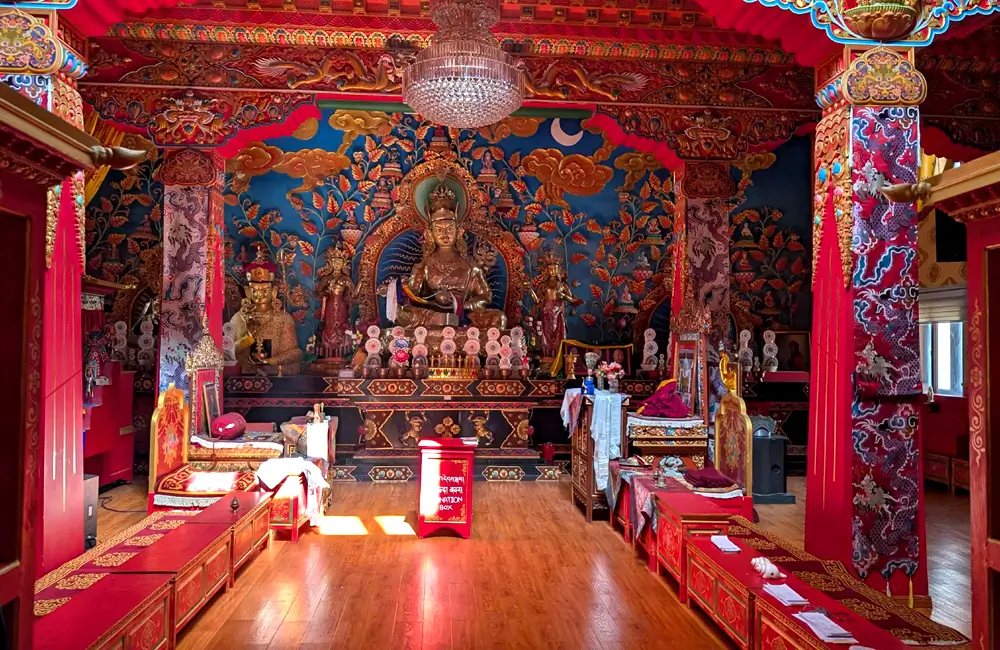 Saga Dawa is a spiritually uplifting experience made evident by the prayer ceremonies, butter lamp offerings, and extensive pilgrimages that Tibetan and other nearby Buddhist practitioners partake in, along with the presence of colourful prayer flags. Monasteries also perform special teachings and rituals and are open to the public. Festival performances can be used as a tool to cultivate an act of generosity and compassion. The festival is a great time to experience what is most sacred and meaningful for Buddhist practitioners of the Himalayas.