Short Annapurna Base Camp Trek: The Complete Guide to Nepal’s Best Short Himalayan Adventure
World renowned for having some of the tallest mountains on the planet, Nepal is one of the great trekking destinations for those who are short on time or unable to travel because of their busy work schedule. Dream destinations like the Annapurna Sanctuary or trekking routes that take you to the ABC (Annapurna Base Camp) are the must do trekking routes. Imagine standing amongst beautiful, towering summits of snow capped giants, assisted by the breathtaking beauty of Nepal. Sample a taste of all of that with the Annapurna Base Camp Short Trek, the number one trekking itinerary for those short on time.
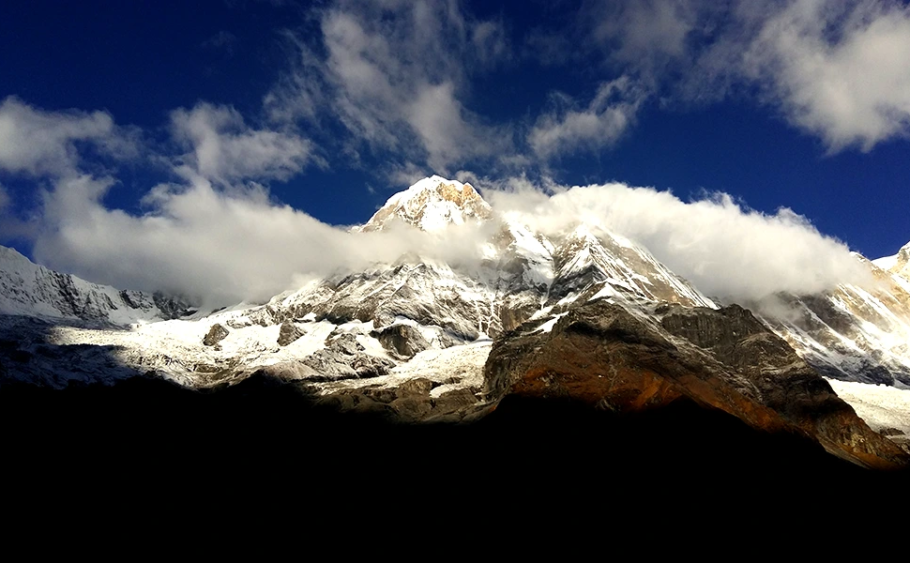
The Short Annapurna Base Camp Trek is designed to maximise the experience throughout the duration of the trek. From cascading waterfalls and alpine landscapes to picturesque villages and dense forests, all the highlights and features which make trekking through the Annapurna region so appealing to dozens of trekkers who travel to Nepal each year are incorporated in this trek. Even the journey to Annapurna Base Camp (4,130 meters) has its own special features, which make trekking in the Himalayas one of the most enjoyable experiences in the world. Picture a natural amphitheatre of towering, snow-capped, climbing peaks (which are higher than 8,000 meters) – the Annapurna Base Camp is one of the most beautiful trekking destinations in the world.
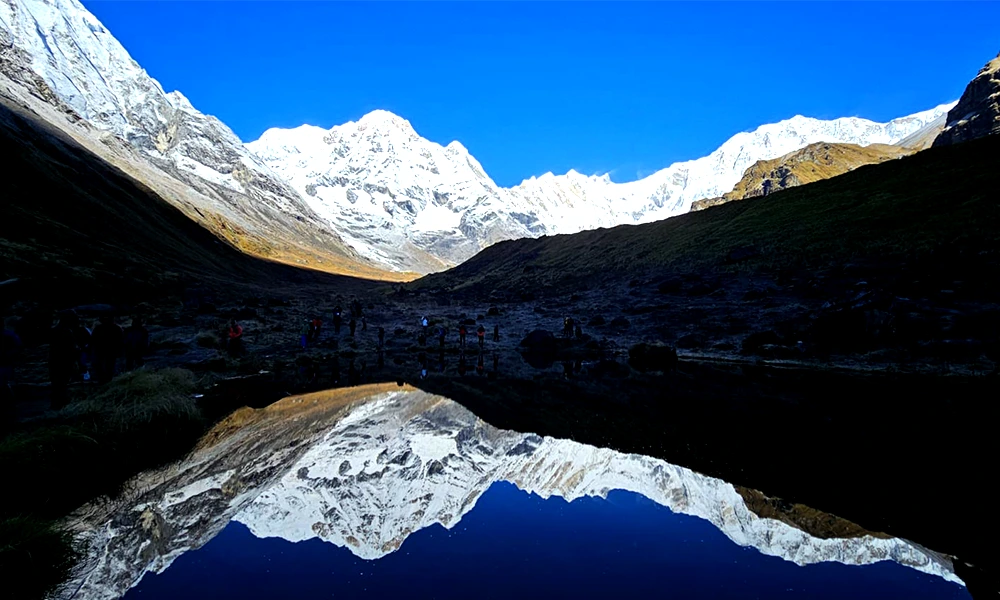
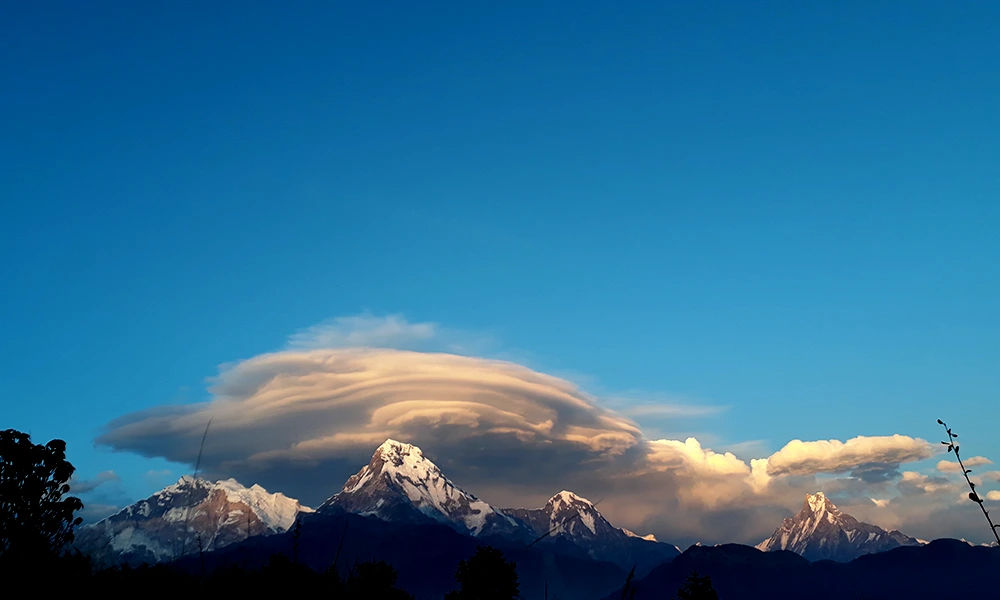
This is from Annapurna base camp
There are a few trekking routes which are designed so perfectly to incorporate so many features and scenic highlights, which not only make trekking one of the most enjoyable lifetime experiences, but also make it so accessible for so many people. The trekking route is designed for all levels of fitness. Even those who have never done any trekking before in their lives will find this trek the most enjoyable experience, but a little preparation by doing some trekking practice will make the experience that much more enjoyable.
The trek has more to offer than simply gorgeous mountain views. While on the trek, you will walk through villages populated mainly by the Gurung and Magar ethnic groups. In these villages, you will be warmly welcomed. You will also be able to experience and learn about the interactions of tradition and hospitality in the village’s daily activities. You may even get the opportunity to eat an authentic, warm, Nepali meal while relaxing in the cozy teahouses. You may also be able to enjoy the natural hot springs at Jhinu Danda after the trek. These cultural experiences along the trek make the trek just as memorable as the accomplishment of reaching base camp.
If this is your first time experiencing the nation of Nepal, or if you have previously been to this beautiful and exotic nation in order to experience another region of the marvellous and majestic Himalayas, the Short Annapurna Base Camp Trek has an extraordinary experience to offer trekkers in a short amount of time. This trek is perfect for those people who do not have a large amount of time to spare for a long expedition. This trek includes beautiful views, cultural experiences, and the fulfilment of reaching a world-renowned destination.
With this guide, you can learn to prepare yourself for the trek of a lifetime. This guide includes the time of year that is best to complete this trek, the difficulty and length of the trek, the costs of the trek, permits that you will need, what to pack, where to stay, and other tips that will help you stay safe during this trek and have an enjoyable experience.
Short Annapurna Base Camp Trek
The Short Annapurna Base Camp Trek is an amazing trekking opportunity that only requires a short duration to complete. This trek can be completed in a shorter duration than many other trekking routes and can be completed while still experiencing the beauty of the Himalayas. There have been many advancements in creating better road access in the lower Annapurna region. Because of this, trekkers are able to start their trek much closer to the base of the mountains. This means that the duration of the trek can be completed in a shorter amount of time, while still experiencing the most beautiful sections of the trekking route.
Most shorter itineraries start from Pokhara and travel by car to Jhinu Danda or Samrung and then follow the regular trekking route through Chhomrong, Sinuwa, Bamboo, Dovan, Deurali, and Machhapuchhre Base Camp. From there, the trail gradually continues into the Annapurna Sanctuary and then to Annapurna Base Camp, which rewards trekkers with stunning views.
Short trekking informations
Information
Details
Duration
7 Days
Highest Elevation
4,130 m (13,549 ft)
Starting Point
Kathmandu/Pokhara
Ending Point
Kathmandu/Pokhara
Region
Annapurna Conservation Area
Accommodation
Tourist standard hotel city, Local Tea Houses on trek
Difficulty
Moderate
Maximum Walking Hours
5-6 hours per day
Best Seasons
Spring and Autumn
Permits Required
ACAP & TIMS
While this route is more direct than standard Annapurna Base Camp routes, this trek still touches most of the major points along the way. You’ll wind your way through forests, cross suspension bridges over rivers, climb many a stone step, and progressively be enveloped by the high altitude terrain and the giant peaks of the Himalayas.
Several of the advantages of this route work in your favour if you are working with limited vacation time. Specifically, this route enables you to experience one of the major treks of Nepal at a comfortable pace. You will be stopping along the way at tea houses that offer a shelter to sleep in, meals that have been prepared along the way, and visitors for you to meet and connect with who have been along this trek from all over the world.
Short Annapurna Base Camp Trek
Though there are many paths to explore in Nepal, the Short Annapurna Base Camp Trek continues to be a favourite for countless adventurers. In a little over a week, trekkers can experience the majesty of the Himalayas, beautiful mountain scenery, Tibetan hospitality, and well-organised tea houses.
Best for Travellers with a Time Constraint
Some travellers do not have the luxury of two or three weeks to spend trekking the glorious Himalayas. Some travellers only have one or two weeks to explore, especially if they are coming to Nepal on business or taking a portion of their annual leave to visit. The short Annapurna Base Camp trek makes it easy to visit one of the most famous peaks in Nepal, with relatively little time taken from other priorities.
A Truly Himalayan Trek
During some of the shorter treks, hikers have the opportunity to see impressive views from a hilltop or village. However, the Annapurna Base Camp trek takes hikers far into the majestic mountains. Seeing the Himalayas from base camp is a very different experience from seeing them from a distance. The camp allows for visitors to be surrounded by the towering, snow-capped mountains.
The views are stunning. Visitors can look out to see Annapurna I (8,091 m), Hiunchuli, Annapurna South, and Tent Peak, along with the majestic Mt.Machhapuchhre. Many trekkers agree that watching the sunrise on the mountains is their favourite part of the trek.
Tea Houses on the Trek
The Annapurna Base Camp has lots of tea houses along the trail, unlike, for example, remote camping expeditions. Each night you will stay at a lodge with the luxury of a hot meal, a warm drink, and a comfortable bed. This makes the trek more accessible, even for first-time travellers in Nepal. Although tea houses are more basic than hotel stays, many provide a home-cooked meal that gives an authentic taste of trekking and makes for fond memories.
Experience the Local Culture
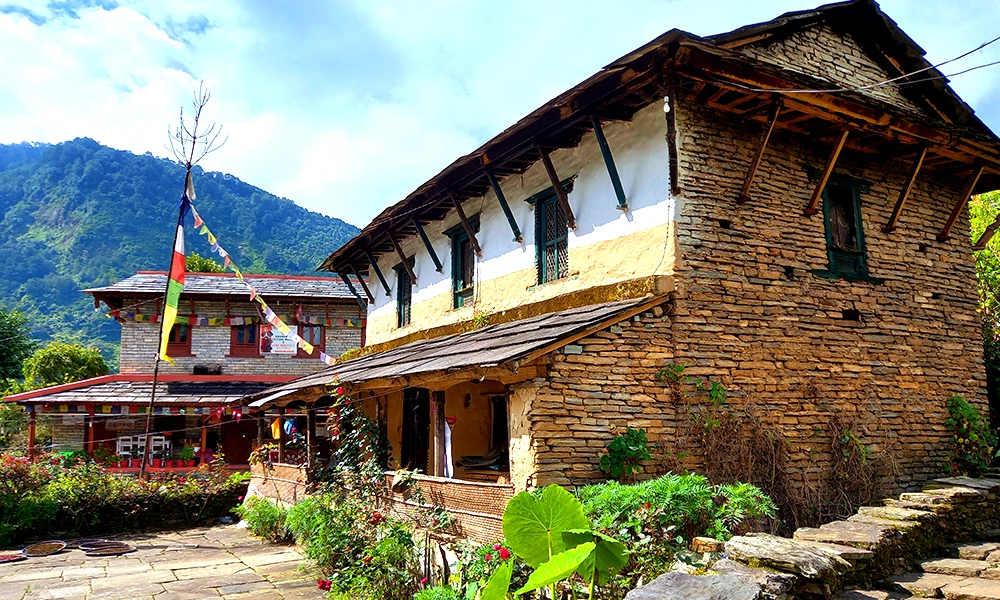
The tea houses are not the main attraction. The trek is about the Gurung and Magar communities and their way of life. Along the way, you will pass through multiple of their villages, like Chhomrong. You will find their hospitality, along with stone houses, fields with terraces, and waving prayer flags.
You will not feel like a lost tourist, you will be taking part in a community between the mountains.
The Achievement when you Arrive at Base Camp
After days of hiking, the reward that comes with the view at Annapurna Base Camp is hard to describe. There is a satisfaction that comes with every step and every picture that marks the many friendships and adventures that come along the trail with you. The change from lush green to the white of snow covered peaks makes it all worthwhile.
For many travellers who hit the trail and travel the world, this trek is one that is often their favourite and leaves them coming back to Nepal for their next captivating Himalayan travel adventure.
What are the geographical coordinates of Annapurna Base Camp?
Annapurna Base Camp (ABC) is one of the notable trekking peaks residing at 4,130 m (13,549 ft) in the Annapurna Sanctuary. In North Central Nepal, you are guaranteed the sight of high peaks, as the large, protected Annapurna Conservation Area is about 7,600 km² of forests, rivers, alpine meadows, and more of the high Himalayas.
Usually, you view the Himalayas from a distance, but if you ever find yourself on the trek to Annapurna Base Camp, you will be in the midst of the Himalayas. Annapurna Base Camp is located in the centre of an amphitheatre of high rising peaks. Annapurna I (8,091 m), Annapurna South, Hiunchuli, Tent Peak, Gangapurna and Machhapuchhre, the peak with the sacred, unscaled, pyramid shaped summit, which is also of great prominence, are the peaks you will come across.
The trek typically starts off in the city of Pokhara, the capital of adventure in Nepal. From there, you will be driven to the next location, which is a trek to the start of the hike, and from there you will have a long, multi-day trek with a variety of landscapes: thick bamboo forests, dense forests, and charming villages throughout to the entrance of the Annapurna Sanctuary. It is evident that the trek is full of many adventures.
One notable quality of the Annapurna Sanctuary is the variety you encounter with each step as the landscape continues to shift and change. The lower elevations are alive with forests, vibrant rhododendrons, and terraced farms. With every step, the forest grows sparser, the air grows thinner, and the mountains draw nearer. Base Camp is a threshold, a transition to a new realm of the sanctuary as the forest gives way to moraines, glaciers, and snow.
Although the remoteness of the sanctuary seems to promise a sense of isolation, the accessibility of the Base Camp punctuates the contrary. Beautiful, safe, well-maintained trails, prosperous tea houses, and helpful guides create the perfect combination of accessibility and beauty that draws considerable foot traffic and is the basis of its popularity, to the Short Annapurna Base Camp Trek.
Short Annapurna Base Camp Trek Itinerary 7 Days
Of the many benefits the 7-day Short Annapurna Base Camp Itinerary offers, one of the most notable is the extreme focus on the beauty that the trek has to offer. The base camp is now closer than ever due to a shortening of the routes that has left most of the major highlights intact.
The itinerary below has become quite popular due to its focus on some of the most beautiful and exciting components of the trek while adhering to major safety protocols.
Day 1: Drive from Pokhara to Jhinu Danda and Trek to Chhomrong
For the first part of your journey, we will drive from Pokhara. The route snakes through the first of many views of the rolling hills, traditional villages, and terraced farmland we will pass on this journey. The road winds up into the Annapurna region to Jhinu Danda, where our trek officially begins.
Day one is a relatively shorter day of trekking, with the only major climb occurring on the way to Chhomrong, which is the largest Gurung village on the path. The closer you get to Chhomrong, the better the views of Machhapuchhre and Annapurna South, which get the most excited to look forward to.
Chhomrong is the perfect village to spend your first night of trekking in because the village has tea houses that are comfortable, has small bakeries, and has great views of the mountains, which make it a great stop on the trek.
Day 2: Trek from Chhomrong to Dovan
Walking Time: 6-7 hours
Elevation: 2,600 m
Day two brings a steep descent down a long stretch of stone steps that leads to the Chhomrong Khola, where we will begin a long ascent through the Sinuwa. The trail from Sinuwa on leads through a dense forest of bamboo, oak, and rhododendron.
Leaving the villages behind completely alters the atmosphere. The forests become quiet, with waterfalls cascading down the cliffs over steep edges, and within the valley below, the Modi Khola can be heard rushing.
During this part of the trek, you will most likely see the most variety of wildlife. This includes langur monkeys and various birds of the Himalayas that have a great array of colours. If you are even luckier, you may even see musk deer.
Taking in the beauty of the forested area that Dovan is a part of will fill your evening! We will remain at Dovan overnight.
Day 3: Dovan to Deurali
Walking Time: 5 – 6 hours
Elevation: 3,230 m
Though the trek is shorter in distance, the steepness increases. The forest will become less dense as you continue walking along the route that takes you through the valley and the mountains will become more pronounced.
The next notable landmark will be the Himalayan Hotel and the Hinku Cave. The Hinku Cave is a natural rest area for trekkers. It is a good place to stop, but past this point, the trail turns rugged.
Deurali is above the tree line and gives good views of the cliffs and peaks. It is important that you take your time to adjust and be careful of the altitude, as you have now passed the 3,000 meters mark. Be sure to drink water frequently.
Day 4: Trek from Deurali to Annapurna Base Camp through Machhapuchhre Base Camp
Walking Time: 5 – 6 hours
Highest Elevation: 4,130 m
The excitement for this day has been building.
Once you leave Deurali, the path begins to climb, but the steepness gives way to a gradual widening of the valley. Peaked in every direction, you will enjoy a scenic lunch at Machhapuchhre Base Camp before continuing two hourstrek to Annapurna Base Camp. The trail is gentler in comparison to previous days.
Reaching Annapurna Base Camp is an incredible experience. In almost every direction, steep mountain walls rise up around the sanctuary. The views here are unrivalled compared to the rest of Nepal. For that reason, trekkers usually spend a long time seated outdoors by their tea house, sipping on tea, and watching the beautifully ever-changing clouds drift across the peaks.
Once the sun has begun to dip below the horizon, the sun’s scattered light turns the mountains and the surrounding base camp to a wonderful sunset palette of orange and pink. You will be hard pressed to find a mountain sunset that can even compare.
Day 5: Trek from Annapurna Base Camp to Bamboo
Duration: 6-7 hours
Get up early to catch the sunrise.
Of all the experiences during the trek, this will surely be the absolute best. First, you will see the sunrise hitting Annapurna I and begin illuminating the surrounding peaks from deep blue to brilliant gold. The early hours within the shelter of the sanctuary will be the most peaceful and calm.
After breakfast, you will continue the descent along the same path that you took up to the base camp. Although you will be on the same path, there will be different views of the mountains beyond each bend in the path.
Returning on the path will be much easier on the lungs, but will be on the knees, which is why it is better to have the trekking poles on this day. You will again spend the night inside Bamboo, which is surrounded by the green forests.
Day 6: Trek from Bamboo to Jhinu Danda
Duration: 6-7 hours
Highest Elevation: 1775 m
You will again trek back along the same path to Sinuwa and Chhomrong and then continue the descent to Jhinu Danda.
After every day of trekking for the last several days, there is nothing that feels better than resting the muscles in the natural hot springs along the Modi Khola River. The springs are located about 20 minutes below the village and provide a lot of relief for the muscles.
Completing the trek and jumping into the hot springs for the first time is a common tradition among trekkers.
Day 7: Drive from Jhinu Danda to Pokhara
Duration: 3-4 hours
Highest Elevation: 830 m
After breakfast, the trek will be done and the mountains will be left behind as you return to Pokhara. As the trip takes us through villages and nature, we can’t help but remember the beautiful, quiet, traditional villages in the mountains and the remarkable experience we had standing beneath the tallest mountains in the world.
From Pokhara, you can have an amazing view of the mountains you just trekked through while you enjoy dinner by the lakeside. You can even take a boat ride on Phewa Lake.
Highlights of the Short Annapurna Base Camp Trek
Trekking in Nepal is an amazing experience and the Short Annapurna Base Camp Trek is special in that it offers an incredible variety of experiences and breathtaking views to be enjoyed over the course of just 7 days. Starting from the trek that leaves from Pokhara and ending when you return, each and every day offers you new challenges and opportunities for adventure that you will reminisce about for years to come.
Here are a few highlights of this trek that make it one of the most spectacular experiences in Nepal.
Walk into the Heart of the Annapurna Sanctuary
Entering the Annapurna Sanctuary is an experience like no other. Unlike most trek destinations, Annapurna Base Camp is not just a lookout. Annapurna Base Camp is actually situated in the middle of a gigantic natural amphitheatre, the Annapurna Sanctuary, which is surrounded by the towering peaks of the Himalayas.
When trekkers enter the sanctuary, they experience an unrivalled shift in the landscape. The sound of the forests is replaced with the serene silence of the mountains, avalanches and glaciers fill the valley and the silence is broken by the booming of the Himalayas.
Witness Sunrise at Annapurna Base Camp
One experience that you really have to see to believe is the journey to watch the sunrise at Annapurna Base Camp. The stark contrast of the mountain peaks glowing with the first rays of sun to the crisp air and clear sky is a one of a kind experience.
Watching Annapurna I, Annapurna South, Hiunchuli, Machhapuchhre, Gangapurna, and Tent Peak change into gold and orange is an amazing sight. There are no time restrictions. The only thing present is the magnificent, the most marvellous, and the biggest mountain range of the Himalayas. Many trekkers claim that this sight alone is worth every step of the journey.
Discover Amazing Landscapes in Nepal
The varying landscapes along the Annapurna Base Camp trek are part of what makes this trek so enjoyable. The lower portions of the trek lead you through quaint villages and terraced fields, and up into the hills. The higher portions of the trek take you through forests of bamboo, oak and rhododendron, making the trek cooler and more comfortable.
Beyond Deurali, the landscape changes completely. The forests thin out into rocky cliffs, and the far end of the valley is dominated by snow-capped peaks. By the time you reach Annapurna Base Camp, it is almost as if you have entered another world. Few treks in Nepal offer the ability to experience such varying landscapes in such a short distance.
Trek Below Machhapuchhre (Fishtail Mountain)
Fishtail Mountain, or Machhapuchhre, is one of the most famous mountains in Nepal. Its distinct double summit and elegant appearance makes it a favourite for many trekkers.
Machhapuchhre is unique in the fact that it has never been climbed, unlike many of the other mountains in the Himalayas. Because of its sacred status to the local communities, it has been kept untouched, which only adds to its mystery.
During the trek, views of the mountain can be had from many angles, but there is nothing compared to the views of the mountain from Machhapuchhre Base Camp and Annapurna Base Camp.
Experience True Mountain Hospitality
Along the trail, the locals that you meet often become the highlight of the trek. For decades, trekkers have been welcomed by families providing accommodation in their tea houses. Though the accommodation is basic, the hospitality is sincere. After a long day of trekking, there is comfort in sitting beside the stove in the dining room, eating a steaming meal and conversing with international travellers. Gurung communities along the routes are famous for their smiling faces and hospitable nature.
Relax in Jhinu Danda’s Natural Hot Springs
Soaking in the natural hot springs at Jhinu Danda is a perfect way to relieve your bones and muscles after several days of trekking. The hot springs, located beside the Modi Khola, are rich in minerals and provide a picturesque stop to recover before heading back to Pokhara, and are an ideal way to celebrate finishing the trek. The natural hot springs are a favourite among trekkers after one of the best experiences of their lives.
Best Times for the Annapurna Base Camp Trek
You can do the Annapurna Base Camp Trek at many different times of the year, but the experience can differ greatly depending on the season. Weather patterns will impact the view of the mountains, the conditions of the paths, the temperatures, and the overall experience of the trek.
Picking a season will allow you to maximize the experience you have.
Spring (March – May) the Most Colourful Season
Spring, along with Autumn, is one of the best times to do the Annapurna Base Camp trek. As the snow from the winter begins to melt, the forests begin to sing with blooming rhododendrons, the national flower of Nepal. The hillsides are blanketed with vibrant shades of red, pink, and white.
Spring temperatures make it easy to do long walks without the heat brought on by the lower temperatures.
Clear views of the Mountains can be seen in the early mornings before clouds cover the peaks and wildlife is seen more often.
If you are a fan of colourful landscapes and mild weather, then spring would be a great time for you to do the trek.
Average Temperature
lower elevations: 15°C – 25°C
Annapurna Base Camp: -2°C to 10°C
Why Choose Spring?
Flora of Rhododendron Forests
Comfortable temperatures during the day
Beauty of the Mountains
Daylight for longer hours
Conditions for Good Photos
Nepal October – December – Best Overall
Between September and November, fall is the best season for trekking in Nepal.
Autumn follows the summer monsoon. Rainfall stops and, along with perfect trekking temperatures, dry pathways, and comfortable weather, the clean air and crystal clear mountain views extend for hundreds of kilometres.
October can be the busiest month for trekkers, so be sure to make tea house reservations in advance.
There is often the added benefit of the Dashain and Tihar festive atmospheres along the trails.
Reasons to select fall
Autumn can have the best mountain views.
Weather and temperatures are at their best.
The trails are at their best.
It’s an easy choice for novice trekkers.
Winter (Dec to Feb) – Trailing through Peace and Snow
Annapurna Region is a winter wonderland.
It is normal for sections of the trail to be covered with snow. This makes trekking through Machhapuchhre Base Camp and Annapurna Base Camp scenic as the snow frames the landscape. The contrast of the winter skies and snow with the mountains is breathtaking.
The trails are less crowded. This means a louder trek. and a quieter tea house.
The tea houses are typically less crowded, which means a louder trek. However, you will need winter clothing as the nighttime temperatures at Annapurna Base Camp are below freezing.
Winter trekking is best suited for those who have some winter trekking experience.
Monsoon (June to August) – Green but Difficult
The monsoon brings heavy rains to much of the Annapurna region.
The forests are lush with rain, and the hills are a vibrant green, but the rain makes hiking difficult due to muddy paths and slippery hills. The steep stone staircases make this even more dangerous as the rains cause landslides.
Clouds frequently cover the mountains, obstructing a good view.
If you are trekking during the monsoon, you will need to have a flexible itinerary as there will be rapid changes in weather.
What is The Difficulty of The Short Annapurna Base Camp Trek?
Short Annapurna Base Camp Trek is often classified as moderately difficult. Good fitness levels are needed, and the ability to walk for many hours is essential. Otherwise, there is no major difficult requirement like technical climbing (or skills related to climbing).
Most trekking days include walking for about 5 to 7 hours. During this time, trekkers experience a combination of gradual rises along with some steep ascents, long descents, and thousands of steps made out of stone. The climb to Chhomrong and the subsequent return descent is demanding on the legs, as well.
When the air gets thinner, even slight rises become more difficult. Fortunately, most healthy trekkers can adapt to the altitude, provided the trek is taken at a pace that is more comfortable and frequent hydration is done along the route.
The trek has no major difficulties, so long as good fitness to walk and hike rough and rocky terrain is maintained. The trek should be seen as a more enjoyable experience than overwhelming. Benefits can be had from the trek if cardio or walking is done in the weeks up to the trek.
Can Beginners Go On The Short Annapurna Base Camp Trek?
Yes. Annapurna Base Camp Trek is often done as a trek for a beginner to the Himalaya Trekking. There is no major difficult requirement and no technical skills are needed. The most important preparation that should be done is to arrive with a good fitness level and a realistic expectation for the trek.
For those who are prepared to walk consistently at a good pace while staying hydrated, paying attention to your guide, and giving yourself time to rest, there is a strong belief that you can reach Annapurna Base Camp.
Many first-time trekkers, in fact, say that this trek has inspired them to return to Nepal and explore even more walking routes in the mountains.
Altitude Sickness and Acclimatisation
The main concern for anyone wanting to do the Short Annapurna Base Camp Trek is altitude sickness. With the trail reaching 4,130 m (13,549 ft), trekkers should get educated on this, and the good news is that many people complete the trek without serious issues, especially those who take the right precautions.
Altitude sickness, or Acute Mountain Sickness (AMS), has to do with there being less air (and therefore less oxygen) the higher you ascend, and your body requires quite some time to adjust to that. Each person is different, and you cannot judge how fast someone is going to adapt to altitude sickness based on whether they are young, fit, or experienced. Even experienced trekkers can get altitude sickness if they ascend quickly.
The first signs of altitude sickness are the easiest to notice and are usually mild. The first symptoms are headache, loss of appetite, slight dizziness, lack of quality sleep, fatigue, and shortness of breath when walking steep inclines. While these symptoms are not an indication to give up the trek, they are a good reminder to slow the pace of the trek to allow the body to adjust.
The itinerary for the Short Annapurna Base Camp Trek includes an overall gentle ascent. It would be beneficial to the trekkers to take their time, as there is little to no advantage to working harder to be the first to arrive at the tea house. Most skilled trekking guides would tell their trekkers to “walk slowly, breathe deeply, appreciate the wilderness, as they would be able to take in the beautiful scene that the trek provides.
The dry air of the mountains can allow people to dehydrate without feeling sweaty. Because of this, it is very important to drink three to four litres of water while trekking in the mountains. Many trekkers enjoy eating garlic soup because it is warm, nutritious, and a tradition in the Himalayas, even if there is no scientific evidence that it is beneficial for preventing altitude sickness.
Once the trek starts to gain elevation, it is important to eliminate alcohol and excess caffeine from the diet. Although beverages like beer are very tempting after a strenuous trek, the negative impact on dehydration and the body’s ability to adapt cannot be overlooked. It is very similar to smoking, in that the reduction of oxygen to your lungs and muscles will be very detrimental.
Listening to one’s body holds the utmost importance as a rule. Symptoms worsening instead of improving warrant a decrease in altitude. Serious altitude sickness on an Annapurna Base Camp trek is rare. This is due to the trek providing gradual acclimatization to altitude as well as numerous lower villages to accommodate trekkers for rest.
Safety is further enhanced when a local guide is hired. Due to guides’ knowledge of both the trail and symptoms of altitude sickness, they help ease trekkers’ fears of the unknown, especially those on their first Himalayan adventure.
Distance and Elevation
The short Annapurna Base Camp trek is around seven to nine days long, yet covers a long distance.Terrain is highly variable and understanding the daily walking and elevational distances is important for mental and physical preparation.
Total trekking distance is generally 65 to 75 km (40 to 47 mi) depending on the starting point and itinerary. Daily distance is usually between 8 and 15 km, though mountain trekking is always more difficult than on a flat, inclined road. It is much easier to cover a kilometre on a flat inclined road than on a busy trail with stone stairways, steep trails, and rough terrain.
Generally, the elevation profile is as follows
· Location
· Elevation
· Pokhara
· 822 m
· Jhinu Danda
· 1,780 m
· Chhomrong
· 2,170 m
· Sinuwa
· 2,340 m
· Bamboo
· 2,310 m
· Dovan
· 2,600 m
· Deurali
· 3,230 m
· Machhapuchhre Base Camp
· 3,700 m
· Annapurna Base Camp
· 4,130 m
This trek is easily achievable for many novice trekkers because of the long, gradual ascents instead of steep climbs that force your body to adapt to altitude quickly. Instead, your body acclimatizes to the altitude more naturally over the multi day trek.
An unexpected feature for many first-time trekkers is the number of stone staircases. These are especially prominent in the Annapurna region around Chhomrong. The stone steps can be quite troublesome for your knees, especially on the way down, as they are more painful than the uphill climbs. Trekking poles help with your knees, as they lessen the pain and help you balance on the steps which can be difficult.
If you can survive the physically demanding trek, the views make every step worth it. There is an entirely new set of mountains awaiting your gaze with each step up and new levels of valleys and forests awaiting your eye with each step down. The new environments can keep your mind off the distance, keeping you alert with each step.
Transportation
One reason for the short Annapurna base camp trek’s popularity is the ease of transport to the trailhead. In the past, trekkers had to walk for several days to reach the start of the trek. Nowadays, with better road access, trekkers can spend a week trekking instead of several days just to reach the base of the mountains.
Kathmandu to Pokhara
Travellers have to go through Pokhara, the adventure capital of Nepal, to access the Annapurna base camp. There are two options to travel from Kathmandu to Pokhara. The first option is to take a domestic flight, which on a good weather day can take around 25 minutes with amazing views of the Himalayas and is a time saver since road travel can take a whole day. The other option is to take a road trip. A tourist bus that can take between seven and nine hours, depending on road conditions, is required. This option offers an amazing opportunity to see the rivers, terraced hills, and rural Nepali life that pass along the way.
Travellers with families or in small groups can book a private vehicle for more flexible travel.
Pokhara to the Trailhead
There are many jeep ride options to take trekkers to the starting point from Pokhara.
The ride to the poorly maintained but scenic road takes about two or three hours to see waterfalls, small communities, farmland and to get to the base of the trekking path.
Local transport has its downsides. Boarding a private jeep is usually a more comfortable and flexible alternative.
Returning to Pokhara
Another bumpy jeep drive will take you to Pokhara. Most trekkers like to spend at least one extra night in Pokhara and this is understandable. After a few days in the reward in the mountains, a lakeside meal at Phewa would be perfect.
Accommodation During the Trek
The network of tea houses along the Annapurna Base trek means it is more accessible than other treks. You do not have to carry any of your camping gear.
The tea houses all have simple and clean rooms. Typically, the rooms have a set of two single beds. In the colder months, bringing a sleeping bag is recommended. More blankets are usually provided if requested.
As you go up, the facilities go down. Bathroom facilities are shared and hot water for showers has to be paid for. This is due to the increased difficulty of transporting supplies to the mountains.
The dining room is usually the favourite. Playing cards, Eating, and telling stories are the main activities for trekkers. The lamp will be the centrepiece for all the activities as well as a place for the best conversations between trekkers.
Most tea houses provide electricity, making it easier to keep everything charged, although there is typically a fee. Wi-Fi is available in several villages, however, the higher the elevation, the slower the connection becomes.
Accommodations tend to be simple and basic, but a tea house provides a unique mountain experience and hospitality that most hotels lack. The delicious host-prepared meals and the welcoming environment of the villages offer a contrast to the long hiking days and become a special memory of the journey.
Food and Drinks on the Trail
Many first-time trekkers are surprised by how much food variety there is along the trail. Much more than a single dish, tea houses have extensive menus, meaning you will not go hungry.
Dal Bhat, a combination of lentils, rice, seasonal veggies, and curry, is the hearty national dish of Nepal. It’s so filling that some tea houses offer free second servings.
You will have several options for breakfast, as some tea houses offer porridge, eggs, pancakes, Tibetan bread, and toasts, as well as muesli. All breakfast options for trekkers are served with tea or coffee.
For lunch and dinner options, include fried rice, noodles, pasta, veggie curry, momos (Nepali dumplings), tea house pizza, and macaroni. Even though most tea houses have the same menus, the quality of food can differ from place to place.
The higher the altitude, the higher the cost of food. Each ingredient has to be carried in.
You have to be mindful about drinking enough water. Bottled water is available, but you should consider carrying a reusable bottle and purchasing water purification tablets and/or a water filtration system. In the evenings, hot drinks become more popular. You can get tea with lemon and ginger, mint, or honey.
Along with the water, you should carry snacks that are high in energy, like nuts and chocolate. Eating meals at regular intervals is important. The snacks you carry should also be energy bars.
Permits Required for the Short Annapurna Base Camp Trek
Trek permits are required by law. They assist the region by protecting wilderness areas, contributing to conservation efforts, and aiding in the locating of lost or injured trekkers.
Short Annapurna Base Camp Trek permits can be easily acquired when trekking with a local trekking company or authorized trekking guide. Local trekking companies take care of permits ahead of the trek, so you can enjoy the trek.
Annapurna Conservation Area Permit (ACAP)
The Annapurna Conservation Area Permit (ACAP) is the most significant trek permit. The Annapurna Base Camp trek takes you through Nepal’s largest protected area and visitors are required to have this permit.
The Annapurna Conservation Area is home to hundreds of species of plants, birds, and animals as well as traditional mountain communities that have lived here for generations. The permit assist fund the maintenance and protection of the trails, as well as waste management and developing the community in the area.
You will come across many areas where trek officials will ask to see your permit. Please keep your permit handy.
TIMS Card
Over the past several months, there have been many regulations that involve the need for a TIMS Card. The TIMS system aims to enhance safety while trekking by documenting the travellers who are entering and exiting the trekking routes.
Because trekking regulations can change, it’s always best to confirm the requirements before your trip. Registered trekking agencies will ensure you have the correct documentation.
What Documents Are Necessary?
It’s not difficult to apply for permits. Generally
A Valid Passport
A passport-sized photo (if needed)
Your travel itinerary
Permit fees
Trekking agencies often put together the necessary details and then submit permits on your behalf before your arrival in Pokhara.
Cost of the Short Annapurna Base Camp Trek
The Short Annapurna Base Camp Trek is popular among the best treks in Nepal because of how cost-effective it is for trekkers. While trekking carries a cost no matter where it is done, the Annapurna Base Camp trek gives trekkers an experience of the Himalayas at a fraction of what other treks in the world do.
There are many aspects that comprise the cost of the Annapurna Base Camp trek. Trekking independently or with an agency, the method of transportation and many more factors are customized based on a trekker’s budget and spending, but normally the cost starts from 499 to 1249 USD.
Guided Trek Package
For most people visiting from other countries, participating in a guided trek is the simplest and safest option. These packages typically contain:
Airport Transfers
3 star hotel in kathamandu
Transportation between Kathmandu, Pokhara and back to Kathmandu
All necessary trekking Permits
Licensed, English-speaking Guide
Shared or private, porter service
Tea House Accommodations
Three daily meals per day during the trek
Government taxes and service charges
Travellers enjoy the convenience of every detail coordinated, and having the opportunity to enjoy the trek without concern for logistical details.
Independent Trekking Expenses
You will have to set aside money for your own arrangements for the trek if you decide not to purchase a guided trek package. These expenses can include:
Transportation
Accommodation
Meals
Trekking Permits
Guides and Porters
Snacks and Drinks
Hot Showers
Battery Charging
Wi-Fi
Travel Insurance
Personal Expenses
Costs will begin to increase the higher in the mountains the trek takes you, as supplies brought to the mountains will be transported by porters and mules.
Additional Expenses
There are personal items that you will want to have cash for, even if you have booked an all-inclusive package. Some of these items are:
Soft Drinks
Chocolate Bars
Baked Goods
Souvenirs
Laundry
Trekking Guide and Porter Tips
There will be no access to any cash machines while on the trek, so be sure to get enough Nepali Rupees in Pokhara.
Annapurna Base Camp Trek – Comprehensive Packing List
Packing well is important for an enjoyable trek, it means you can carry everything you need without extra, unnecessary weight. You’ll be walking for hours each day, so an ideal hiking bag is lightweight.
Clothing
The weather can change rapidly in the Himalayas, so the best way to tackle it is with layers.
Essential items include
Moisture-wicking T-shirts
Thermal base layers
Fleece jackets
Lightweight down jackets
Waterproof and windproof outer jackets
Trekking trousers
Waterproof pants
Warm hats
Sun hats or caps
Gloves
Socks and underwear
Layering means you can better tailor your clothing to temperature changes.
Footwear
Of all items packed, trekking boots are the most essential.
Pick ankle-supporting, waterproof hiking boots and wear them multiple times before your trip to help ease the chances of developing blisters.
Lightweight sandals also pack well for wearing around the tea houses after each day’s walk.
Trekking Equipment
There are a few items that are essential for a more enjoyable trek.
Suggested items
Trekking poles
Sunglasses
UV Protected
Water bottles
Water purification tablets or filters
Headlamps
Power banks
Rain covers for your backpacks
Daypacks (20 – 30 Litres)
Personal Items
These essentials also need to be packed:
Sunscreen
SPF 50+
Lip balm
Toothbrush and toothpaste
Wet wipes
Quick-dry towels
Hand sanitizer
Personal medications
Toilet paper
Cameras
Small First Aid Kits
Guides will usually carry a medical kit, but bringing a few personal supplies is always a good idea. Packing these items will help make an inconvenient situation bearable while keeping your pack as light as possible. Bandages, Blister treatment, Pain relievers, Antiseptic cream, Medication for altitude (consult your doctor), Rehydration salts, etc.
Internet, Mobile Network, Electricity and Charging
While you’re possibly many miles away from most cities, remaining in touch with the rest of the world is less complex than the average person would assume.
Mobile Network
The two mobile companies, NCELL and Nepal Telecom (NTC) operate for a large portion of the trek to Annapurna Base Camp. Depending on your exact location along the trail, you will likely be able to make phone calls and send messages in most of the villages.
As you get further away from the Main Base Camp, service will continue to become spotty, but you will likely be able to connect for a short time while the weather is good.
WiFi
Multiple tea houses will provide WiFi for a fee. Service speeds in the best case scenario will get you enough time and bandwidth to send some messages, emails, and a couple of photos. There will be no WiFi for large file uploads and streaming. This problem will become even more apparent as the trek goes on and the tea houses begin to rely on satellite based services.
If you find yourself in a tea house, you will likely become aware of why most trekkers would rather spend time in the moment appreciating and enjoying the surrounding mountains rather than the tea house.
Electricity
Almost all tea houses will have a reliable means of charging your devices. Most will have good enough service to allow you to charge your devices for a small fee.
It is a good idea to bring a large charging bank. This will help you ensure devices you really need remain charged, while lessening the burden on the tea house charging services.
Do I hire guide and porter?
A guide and/or porter is often a good idea, but whether you should hire one really depends on your experiences and confidence.
Benefits of Hiring Guide
Guides do more than just lead the trek. They arrange lodging, take care of the day to day logistics day to day, keep track of your health, familiarise you with the culture as well as aid you with communication with the tea house owners. If the weather were to shift or someone were to have altitude sickness, a well-trained guide would handle those conundrums with no issue.
Guides will share all the fun and exciting tales regarding the local wildlife as well as the mountains and the villages you will pass during your trek. Most independent trekkers would miss out on these details.
The best part about hiring a licensed guide is that you will be aiding the tourism of Nepal as well as the employment of the local communities around the mountains.
Benefits of Hiring a Porter
Many trekkers underestimate how difficult it is to trek with a heavy backpack. Porters will carry your heavy load, allowing you to trek with a small backpack containing only your essentials. This is especially helpful when the trail is steep with stairs and is tiring to trek.
Normally, a porter will carry a load of around 20 kilograms for 2 trekkers. This will turn your attention from worrying about your belongings to the beauty of your surroundings.
It is common for trekkers to go against hiring a porter, but it is also common for trekkers to say it is the best decision to hire a porter.
Is It Worth It?
For someone who is visiting Nepal for the first time, it is unquestionable, yes. An excellent trek requires a great guide and porter. With them, you can relax and walk at your own pace while they utilize their experience and local knowledge to maximize your enjoyment and the opportunities to see everything the Annapurna region offers.
Even more than those memories, you will actually be bringing home friendships from the trek.
Annapurna Base Camp Trek: Short Trek vs Classic Trek
One question many trekkers grapple with is which option to choose between the classic version of the Annapurna Base Camp Trek and the short version of this trek. The answer to this question is subjective and relies on the trekker’s level of fitness, the amount of time they are willing to spend on this trek, and a host of other factors.
The Short Annapurna Base Camp Trek is a great option for individuals who may be unable to spend extensive amounts of time in the mountains or for trekkers who wish to reach Base Camp in less than two weeks. Thanks to the development of infrastructure in the country, trekkers can now access sections of the trail that would have previously taken over one week to access in a matter of days. This version of the trek captures much of the classic trail and includes the amazing Chhomrong village and the mediocre bamboo forests, as well as Machhapuchhre Base Camp, and of course, Annapurna Base Camp.
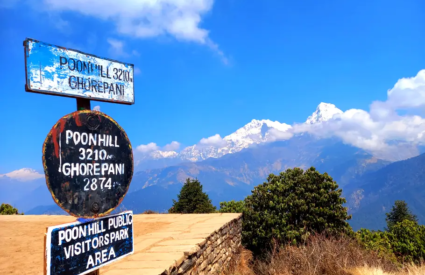
The Classic Annapurna Base Camp Trek offers a more leisurely pace and often incorporates additional stopover places, such as Ghorepani, Poon Hill, and Ghandruk, and/or Landruk. These extra days provide trekkers with the opportunity to experience the culture of the people living in these places, view the varying landscapes, and experience a gradual increase in altitude. This trek version is recommended for individuals who have more time to spare and prefer more extensive expeditions.
For many, the shorter option is an especially convenient option. You won’t miss the scenic views of the mountains that the Annapurna Base Camp trek is famous for, and you can fit the entire trek into a week of vacation. The trek is especially popular for first-time travellers to Nepal, busy professionals, and the average trekker who seeks a Himalayan adventure without the time commitment of a longer trek.
Responsible Trekking in the Annapurna Region
The Annapurna region is a national treasure. It’s important that the forests, rivers, wildlife, and the communities that call it home are sustained by visitors who cherish this environment. As a trekker, making the right choice will mean a trek of a lifetime that is a little bit better.
Avoid single-use plastic by carrying and using a reusable water bottle. Many tea houses offer safe drinking water that can be purified with tablets and help reduce plastic waste along the trail.
Ensure you take personal waste to an appropriate waste station. If you snack on the trail, be sure to take wrappers to Pokhara. Local communities have made the trails clean and it is a duty to uphold.
Visiting a community is an adventure and you must value their customs. Cover your body and seek permission to photograph at the monasteries and temples. Trekking is a great way to meet new people, and smiling while greeting them with “Namaste” is the perfect way to engage.
Try to support local businesses during your travels. The mountain economy and family businesses that rely on traditional techniques benefit from sleeping in family run tea houses, buying handmade souvenirs, and hiring local guides and porters.
Along with supporting the locals, always stay on the marked trails. Take the path instead of trying to take shortcuts. Trying to take shortcuts causes erosion of the soil and damage to the vegetation. Keeping to the paths also ensures your safety.
There is nothing complex to responsible trekking. You are simply keeping the mountains pristine to allow future generations to see them unchanged.
Preparation and Training
You do not need to be worried about the level of fitness needed to complete the Short Annapurna Base Camp Trek. You will just make the experience more enjoyable if you arrive with a basic level of fitness.
The best way to prepare for the trek is to simply go on a walk more often. Once you are used to walking, begin walking more and more and try to include more hills and stairs. While you are practising, try to walk with a light backpack. This will prepare you a lot more for the trek.
While you are walking, you may also have the opportunity to fit in cardio. Jogging, swimming, and cycling all help increase your fitness and prepare your body for walking. If you plan on going to a gym before the trek, be sure to focus on your back and legs. These will more likely be used during the trek.
Be sure to break in your trekking boots ahead of your arrival in Nepal. New boots will blister, and what would normally be an enjoyable trek will be quite the opposite. Break boots in on training walks to be sure the fit is to your comfort before your adventure.
Do not skimp on the prep of the mind. Trekking in the Himalayas is not about racing. Prepare to have days that feel longer than expected, be ready for the weather to have its own mind, and be ready to live without some of your basic comforts. Achieving this, while having a good and patient attitude, will allow you to enjoy every step.
Alternative Short Treks in the Annapurna Region
If you’ve already been on the Annapurna Base Camp Trek, or are just looking for something new, the Annapurna Region has a lot to offer.
Mardi Himal Trek
The Mardi Himal Trek is one of the new and developing trekking routes. This trek is known for having little foot traffic. The views of Machhapuchhre from the viewpoint of Mardi Himal are breathtaking. This trek usually takes five to seven days and is a great option for those looking for fewer people.
If you are looking for a quiet trek, the Khopra Danda Trek is a great choice. This trek passes through diverse topography and offers great views from Khopra Ridge of Dhaulagiri, Annapurna South, Nilgiri, and Machhapuchhre.
The Ghorepani Poon Hill Trek is suitable for families with children and is quite popular due to the stunning sunrise it offers. Once again, this trek does not reach a high altitude, but it is an excellent option for capturing stunning views of both the Annapurna and the Dhaulagiri ranges. This trek can be done within four to five days.
The Ghandruk trek is a great option for a few days in Nepal if you want a taste of Himalayan trekking. Ghandruk is a stunning Gurung village which lies on the foothills of Annapurna South, therefore giving trekkers a view of the Annapurna mountain range that is one of the best views that can be accessed through a short hike from Pokhara.
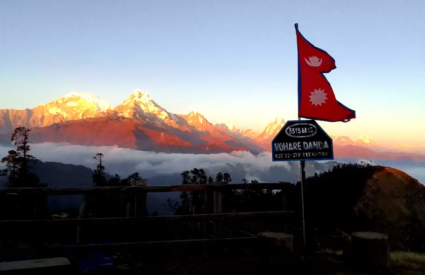
Mohare Danda Trek
Mohare Danda is a more peaceful alternative to Poon Hill. This route passes through a range of lodges that are managed by the locals and so offers trekkers the opportunity to contribute to the livelihood of the local villages as well as walk through a peaceful forest and engage with the local culture and view the mountains without the hustle and bustle of a regular trekking route.
I am the Founder and Owner of Hill Sherpa Trekking Pvt. Ltd. With more than 15 years of experience in the Himalayan tourism and mountaineering industry, I established the company with a passion for mountain adventures and a commitment to responsible tourism. Since then, I have dedicated my career to creating safe, authentic, and unforgettable trekking and climbing experiences throughout the Himalayas.