Tea House Trek in Nepal – The Ultimate Trekker’s Guide
The Tea House Trek in Nepal is an amazing hiking trip. It captures stunning views of the Himalayas, and you can immerse yourself in the local culture, all while sleeping in a bed every night! You could do a traditional camping trek if you really want to sleep in a tent, but then you’d have to haul a tent, a stove, and all the food you will need. Lots of people prefer tea house trekking. Along the trails, locals have built mountain lodges where the families offer you a bed and dinner.
All of the popular trekking regions in Nepal like Manaslu, Langtang, Annapurna, and Everest, have Tea House trekking routes. Trekking here is great for everyone from beginners to pros. Trekking is a great way to view the snow capped peaks of the Himalayas. The path takes trekkers through varying landscapes of villages, forests, meadows, and farmland.
You will be in close contact with local families, eat local food and visit monasteries, all while learning the customs and mountain lifestyles of the locals. Tea house trekking is great for those desiring their first adventure in the Himalayas or more seasoned travellers who are looking for a more comfortable adventure.
What is a Tea House Trek in Nepal?
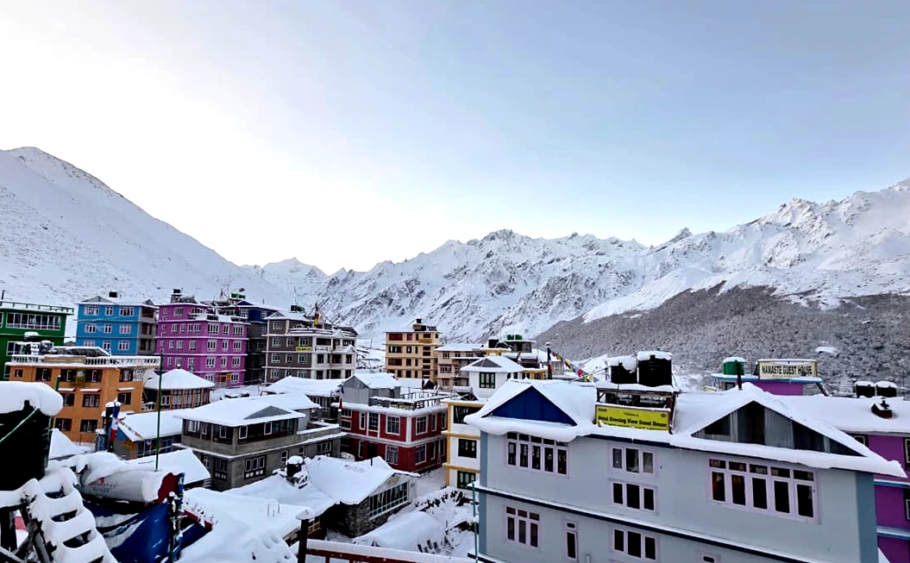
Nepal tea house trekking means trekkers spend the nights in tea houses, lodges, or guest houses, instead of camping. Tea houses are located on the principal trekking routes. They offer essential services and provide accommodations, meals, drinks, and bathrooms. The local trekking communities have developed the tea house system in response to the growth of trekking tourism in Nepal’s mountains.
In the less populated lower areas of the mountains, tea houses provide private rooms and attached baths and may offer other modern conveniences. In the more remote regions of Nepal, tea house services are offered in much simpler construction because of transportation and resource issues. Regardless, tea houses offer trekkers exploring the Himalayas a much more comfortable option than camping.
Fewer camping trekking services mean trekkers can cover more miles with less weight. The tea house trekking system has made trekking in the Himalayas convenient and comfortable for a greater age range and fitness population. People trekking in the mountains can stop at tea houses for meals and a warm bed each night along the way.
Why Tea House Treks Are Popular in Nepal
Tea house trekking is a popular trekking style because it incorporates a comfortable system of prepping and serving meals and a bed along the route each night. Instead of sleeping in a tent and carrying a camping stove and supplies, trekkers can focus on enjoying the trek. Each tea house provides a warm meal and a comfortable bed.
One of the reasons tea house trekking has become popular is the cultural immersion. Local families run the majority of tea houses and they treat the trekkers with hearty Nepalese hospitality. Trekking offers tourists the opportunity to learn the local customs, traditions, and languages. Trekking also boosts the economy of the mountain communities via tourism.
Not only is tea house trekking popular, but trekking tea houses is significantly cheaper than setting up a campsite. The cost of tea house accommodation and the price of meals are also cheaper because fewer support staff are needed. Due to its affordability, Nepal is one of the most sought after trekking locations globally.
Also, the trekking tea house routes of Nepal are flexible. The less experienced trekkers have shorter trekking routes, such as Ghorepani Poon Hill. In comparison, the more experienced trekkers have longer trekking routes, such as the Everest Base Camp Trek and the Manaslu Circuit Trek.
How Tea Houses in Nepal Function
Tea houses are designed to function as boarding houses for trekkers. Trekkers usually share a room with someone else, but tea houses offer basic bedding, such as a mattress and pillow. Although they won’t be considered luxurious, you can count on tea houses to be clean, comfortable, and provide a rest after a long days trekking.
There is a dining hall which has excellent social value because it is the warmest location in the tea house. Trekkers enjoy congregating around the warm stove in the evening and sharing life stories and experiences from the trek, plus it is an excellent time to meet trekkers from different countries and cultures.
Many tea houses offer other amenities. These include Wi-Fi, hot showers, charging stations, drinking water, and laundry services. Because there are few other options for supplies and transportation, these amenities cost more at higher elevations. Even considering extra costs, they provide excellent value to trekkers.
Accommodation Facilities in Nepal Tea Houses
Accommodation in Nepalese tea houses is very simple. There are usually 2 single beds in a room. These beds will have mattresses, pillows, and blankets. The walls may be built of wood or stone. At higher elevations, tea houses generally provide less insulation. Because of this, it is advisable to bring a good quality sleeping bag for really cold months.
Tea houses will usually have shared bathrooms. At lower elevations, there may be western-style toilets and private bathrooms for trekkers. At higher elevations, toilets will often be shared with no or very limited running water. Regardless of altitude, most tea houses provide good hygiene and cleanliness.
Many tea houses will have hot showers. Water for these showers will be heated using solar energy, a gas or a traditional style heater. Tea houses are usually fully booked during the peak trekking season, and a hot shower will be especially appreciated at the end of a long day hiking in the cold.
Food & Drink Related to the Tea House Trekking
Tea house trekkers look forward to meals at the tea houses, with a range of local and international offerings. Throughout the trekking community, Dal Bhat is considered the most popular option. This traditional Nepali dish of rice, lentils, vegetables, and pickles is vegetarian, comes with refills, and is often served with meat. Therefore, Dal Bhat is a perfect dish to replenish lost nutrients throughout the day.
More food options include momos, instant noodles, fried rice, instant pasta, soups, Tibetan bread, pancakes, and porridge. Higher up in the elevation change, transportation restrictions mean that tea houses contain fewer options. Regardless, trekkers are still able to enjoy adequate meals.
With drinks especially appreciated during the cold trek, the tea houses sell plenty of options. These options include black tea, milk tea, ginger tea, lemon tea, coffee, hot chocolate, and garlic soup. Garlic soup is especially popular among trekkers as it is harmonized with the altitude changes.
While trekking, the importance of being hydrated cannot be overstated. Tea houses typically sell bottled water. However, more environmentally friendly trekkers use a water purification system and a reusable water bottle. Furthermore, tea houses typically provide boiled water for drinking for a small fee.
Pricing of Tea House Trekking in Nepal
Compared to camping treks, tea house trekking prices appeal to a wide audience. The price of a tea house trekking experience in Nepal is dependent on a myriad of things. First are the factors of the trekking region, duration, and season. Next is the cost of transportation, accommodation, and the services of the guide and porter. Lastly, and least importantly, are the personal expenses. The most expensive trek routes include the Everest Base Camp Trek. Budget friendly trekking routes include those in the Annapurna and Langtang regions.
In a tea house, accommodation is affordable. The lower you go in elevation, the cheaper the price of lodging. Rooms in the lower elevations might cost USD 5 and USD 15. The higher you go, the more expensive lodging might be due to an increase in the cost for the tea houses to transport supplies. Some tea houses provide free lodging if trekkers buy their meals.
Food is usually the highest cost for trekkers. The cost of food goes up the higher the elevation. The cost of food also depends on which route the trekkers take, which services are provided, and personal preferences. The cost of food also depends on which route trekkers take. Expect to pay USD 20 to USD 40. Many other services may also incur a cost.
Safety and enjoyment increase when travelling the trails with a licensed trekking guide. Guides charge about USD 30-40 per day. Porters charge USD 20-30 per day. Local guides and porters are able to provide insights about their culture, which many trekkers find to be a valuable addition to the experience. They also help describe the route and can assist in emergency situations.
Trekkers should also expect to buy trekking permits. These can be national park fees, permits for conservation areas, or restricted area permits and will vary depending on the destination. Generally, a tea house trek in Nepal can cost a few hundred dollars for short treks and can cost several thousand dollars for the longer guided treks.
Picking the right season is an important aspect of a successful tea house trek in Nepal. There are four seasons with different trekking conditions and experiences available to travellers.
Spring Season (March to May)
Spring is the most popular trekking season and for good reason. The temperature is moderate, and high visibility means clear skies and stunning views. Trekking paths are lined with blooming rhododendrons, magnolias, and wildflowers.
With the increased activity in the wildlife, spring is the best time for nature lovers. Tea houses remain fully booked and the trails are full of trekkers.
Most Trekkable Season: Autumn (September – November)
Post-monsoon is the cleanest time of the year to see the mountains. The rainy season is essentially over, and the air is clear. Trekkers can expect good temperatures and stable weather.
There is also the opportunity to experience some cultural festivities, as there are national holidays, such as Dashain and Tihar, that occur. Autumn is the most popular and busiest trekking season, so Trekkers should book in advance.
Least Trekkable Season: Winter (December – February)
Winter offers a nice break from crowds, but the beauty of the mountains is still a major draw, particularly for lower-altitude treks. The temperatures drop, however, and at higher elevations, snow may block the trail.
Many of the Tea houses along popular trekking routes remain open, but may be lacking along infrequently trekked routes. Trekking in this season requires adequate winter clothing and preparation.
Least Popular Season: Monsoon (June – August)
The Monsoon season is not the most popular for trekking due to the rains making a muddy trek and obstructing mountain views. While greenery flourishes and an abundance of greenery may be enticing, there are still many fewer trekkers making this season a more tranquil time to trek.
The rain shadow regions of Upper Mustang and Dolpo make trekking possible, but the typical trekker should still expect delays in transportation, leeches at lower elevations, and wet trekking.
Top 10 Best Tea House Treks in Nepal
Everest Base Camp Trek
The Everest Base Camp Trek is the most famous tea house trek in Nepal. This trek ventures into the Khumbu region, home of the Sherpas, and Mount Everest.
This trek usually starts with a flight to Lukla and then winds its way through Namche Bazaar, Tengboche, Dingboche, and Lobuche. Trekkers can view Everest and a number of other interesting mountains, including Lhotse, Ama Dablam, and Nuptse.
The tea houses on the Everest Trek, along with the trekking infrastructure, are some of the most developed in Nepal, providing trekkers with an array of food and comfortable accommodations. The trek normally takes 12 to 14 days and is suited to the average, moderately fit trekker.
The Annapurna Base Camp Trek is the trek that has it all. The varied landscapes and topographies, as well as the cultural experiences gained along the trek, help to make this trek one of the best in Nepal.
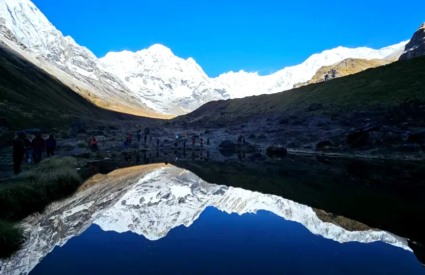
The trek passes through many picturesque Gurung and Magar villages and terraced farms, rhododendron forests, alpine landscapes, and more. Base Camp sits at 4,130 m. Trekkers reward themselves with spectacular views of a number of the Annapurna peaks and Machhapuchhre as well.
The tea houses along the route are well established and provide trekkers with comfortable accommodations throughout the trek. The Annapurna Base Camp Trek is one of the more accessible high altitude treks in Nepal, taking about 7 to 12 days to complete.
The Langtang Valley trek is an easy trek that allows beautiful views of the mountains as well as the local culture of the Tamang people. Langtang Valley is full of rhododendrons and bamboo as well as other wildlife.
Langtang Lirung and Dorje Lakpa, along with the other surrounding mountains, can be seen during the trek. A trip to Kyanjin Gompa can be used as a way to learn about the local culture as well as a way to acclimatize.
Compared to the tea houses of other regions, the tea houses of Langtang are less busy and very welcoming.
Considered one of the best trekking routes worldwide, the Annapurna Circuit Trek passes through many ecosystems after spanning around the Annapurna Massif.
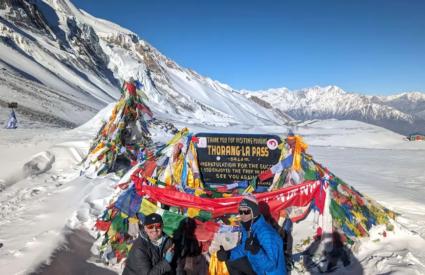
Trekkers cross Thorong La Pass, one of the highest trekking passes in Nepal, at 5,416 meters. Trekkers have the opportunity to see stunning scenery, ancient monasteries, and pilgrimage sites including Muktinath.
The tea houses along the trek are well-maintained and provide a nice combination of adventure and comfort.
Those wanting to see the sights of the Everest region without heading to base camp should consider the Everest Panorama Trek. This trek runs for a shorter time but still offers fantastic mountain views and opportunities to visit Sherpa villages and participate in local cultural activities.
Those looking for Himalayan treks that are remote and authentic will enjoy the Manaslu Circuit Trek. This trek circles the 8th highest mountain in the world, and along the way, traditional Tibetan-influenced settlements can be found.
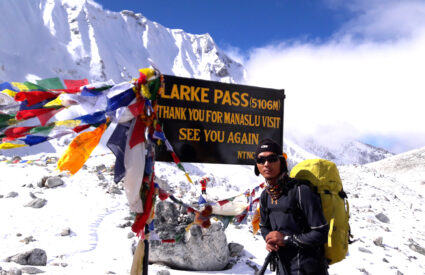
Crossing the Larkya La Pass (5,106 m) offers stunning views of Manaslu, Himlung Himal, Cheo Himal, and Annapurna II. The tea house infrastructure along the trek has improved, making it easier and more appealing.
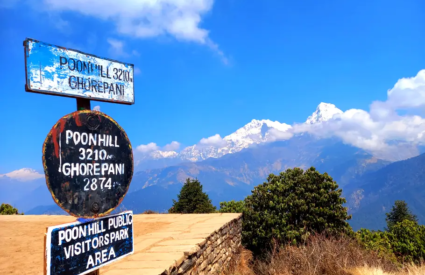
The Ghorepani Poon Hill Trek is a great short family trek located in the Annapurnas. It is also beginners friendly and reasonably easy to accomplish. The trek offers magnificent views of the sun rising over the Annapurna and Dhaulagiri ranges.
The trek passes through lush Rhododendron forests and traditional settlements. The trek usually takes 4-5 days and there is no previous experience is necessary.
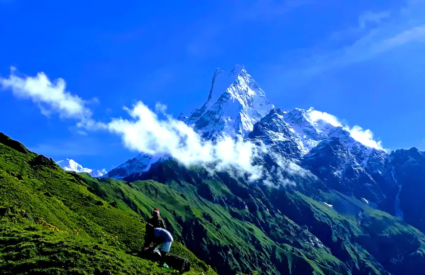
The Mardi Himal Trek is known to be short and easy to accomplish, while offering majestic views of the mountains. The trail takes you along ridges over the forests and through the alpine, providing great views of Machhapuchhare, Hiunchuli and Annapurna South.
Tea houses along the trail provide good accommodation while preserving the serenity of the trek.
Pikey Peak Trek is known for its stunning scenery of Everest surrounded by untouched culture. This trek leads through Sherpa villages and monasteries and lovely woods, all while having low foot traffic. Most trekkers consider the Pikey Peak sunrise to be one of the best mountain views in Nepal.
What to Anticipate During a Tea House Trekking Experience
The thing most trekkers enjoy the most during a tea house trek is the brand-new experience that they get to enjoy every single day. Traditional luxury travel, which most people are used to focuses more on the travellers themselves; tea house trekking, on the other hand provides an opportunity to enjoy nature, local, and cultural engagements. Travellers get to combine stunning mountain vistas with meaningful cultural experiences; therefore, every moment of the tea house trek is as rewarding as the destination.
What Happens During a Typical Day of Trekking?
Camping structures the schedule of trekkers. This means that people are usually awake from 6 am to 7 am. Breakfast involves Tibetan bread, eggs, muesli, and beverages. After breakfast, trekkers move out first to avoid being caught in the changing weather.
Most trekkers hike in the morning for three to four hours. By this time, trekkers should be able to reach a village or tea house for lunch. Lunch is usually noodles, fried rice, or soup. After lunch, trekkers continue for another two to four hours.
After trekkers have arrived at their overnight destination, they spend the evening in the dining room. This is usually the most occupied space. Here, trekkers can swap stories and engage in card games or reading. The dining room is conveniently located next to the stove. Dinner can take a while to be served, so most trekkers go straight to bed after dinner.
Meeting Fellow Trekkers
Teahouse trekking is one of the best ways to meet new people on the trails. Since trekkers share lodges and communal dining rooms, conversations can happen effortlessly. Many friendships have started in teahouses on trekking paths in Nepal.
Trekkers share travel stories, personal advice on trekking routes, conditions, and tips, and celebrate accomplishments on the way to the next milestone. The ease of making social connections on the trail is one of the greatest aspects of teahouse trekking, especially for those who prefer to travel alone.
Cultural Interaction with Local Communities
One of the greatest aspects of teahouse trekking is the prospect of meeting local people. Since most teahouses are family-owned, trekking visitors are always introduced to genuine Nepalese hospitality.
Helpful trekkers can learn about local ways of life including customs, traditional farming, and religious practices, as well as how daily life is lived in the mountains. Depending on the place, visitors are likely to meet one of the many culturally unique community groups including the Sherpa, Gurung, Tamang, Rai, Magar, or Tibetan-influenced peoples.
Teahouse Trekking vs Camping Trekking
Nepal offers both teahouse trekking and camping trekking options and experiences. Trekking options in Nepal are famous for offering views of the stunning Himalayas, and teahouse trekking wins as the best for offering an easy and budget-friendly trekking option.
With teahouse trekking, trekkers spend the night in lodges that have food and accommodations available. This means trekkers no longer need to spend trekking days carrying camping gear, cooking gear, or food. This leaves trekkers with a much lighter and easier-to-carry backpack.
Camping treks generally target areas without tea houses. A larger support crew including guides, cooks, and porters, is required. Camping is more remote and offers more solitude. Camping treks are more expensive and more logistically difficult.
Tea house trekking is a good balance of comfort and adventure for most travellers. It is one of the best options to experience the local culture.
Trekking Permits Required for Tea House Treks in Nepal
Permits need to be obtained before tea house treks are embarked upon in Nepal, and these permits differ depending on the trekking regions.
TIMS Card
The Trekkers’ Information Management System (TIMS) card was developed to aid in tracking trekkers in Nepal’s trekking regions to help improve trekker safety. The card also aids the governing bodies in the region by allowing them to monitor trekking activities and helps provide assistance during emergencies.
National Park and Conservation Area Permits
Most popular trekking routes traverse protected areas, requiring trekkers to acquire permits to enter these areas. Some of the more common permits include:
Fees associated with these permits are used to help aid in the maintenance of the trails and provide community development.
Restricted Area Permits
Some of the more remote trekking regions will require special restricted area permits. Some of these areas include Manaslu, Upper Mustang, Upper Dolpo, Kanchenjunga, and Nar Phu Valley. These permits are generally more costly and will require trekkers to travel with a licensed guide.
Health and Safety Advice for Tea House Trekking
Early planning is always helpful for ensuring an enjoyable, safe tea house trek in Nepal. Even though tea house trekking is fairly safe, some challenges exist that trekkers should prepare for.
What is Altitude Sickness?
High Altitude Trekking brings the risk of Altitude Sickness (Acute Mountain Sickness). Headache, dizziness, nausea, fatigue and insomnia are common symptoms.
To avoid developing altitude sickness, trekkers should limit the rapidness of ascent, while the negative effects of altitude sickness are best resolved by the rapidness of descent.
Hydration
The risk of developing altitude sickness and fatigue increases with dehydration. Consumption of 3 to 4 liters of water on any given day is recommended while trekking at high elevations.
Travel Insurance
Substantial travel insurance is recommended. Without insurance, Helicopter rescues in Nepal are exorbitantly expensive.
First Aid Kit
The First Aid Kit is best stocked with:
Personal Medications
Pain Meds
Altitude Sickness Meds
Bandaging Material
Blister Treatment
Antiseptic
Water Purification Tablets
Sustainable Tea House Trekking in Nepal
The steady increase of trekking tourism to Nepal makes the need for sustainable trekking practices urgent to help protect the mountain ecosystems as well as the communities within the trekking regions.
Buy from Local Shops
Purchasing from locally owned tea houses ensures that mountain families benefit directly and helps aid the local economy. Buying local products and services ensures the tourism money is spent in that community.
Help the Environment
Mountains are delicate ecosystems and the environmental challenges that single-use plastic causes greatly affect them. Carrying a reusable water bottle and a purification system is the better option.
Be Mindful of the Local People
People should be more respectful of other cultures and in this case they should be dressing conservatively, ask for permission to take pictures and respect customs and religious sites.
Be Responsible with the Environment
Carrying out waste, staying on the path and cutting back on environmental impacts should be the norm followed by the trekkers. Being responsible helps keep the Himalayan mountain range beautiful for future people to appreciate.
What to Bring on a Tea House Trek
The trekking experience can be more enjoyable with the right packing. Tea houses offer the most basic service and tea trekkers offer shelter.
What to Wear
Base Layers
Moisture-wicking
Fleece
Down
Waterproof
Trekking pants
Thermal underwear
Accessories
Hat
Gloves
Socks
Footwear
Trekking boots
Camp shoes
Wilderness Trekking Aid (for snowy conditions)
What to Bring
Daypack
Sleeping Bag
Trekking poles
Headlamp
Sunglasses
Water Bottles
Power Bank
Essentials
Sunscreen
Lip Balm
Toiletries
Wipes
Hand Sanitizer
Medications
Travel Documents
Packing lightly and offering adequate protection from the elements ensures successful trekking.
Are there tea houses on all trekking routes in Nepal?
No, they focus on such treks as Everest Base Camp, Annapurna Base Camp, Annapurna Circuit, Langtang Valley, Mardi Himal, Manaslu Circuit, and many more. Trekking and camping support is still needed in remote areas.
What is the cost of a tea house trek in Nepal?
The cost of a trek in Nepal varies depending on the destination, duration, and services included in the trek. For example, budget trekkers can spend USD 25-40 a day, while a guided trek, inclusive of permits, accommodation, meals, and transportation, can cost USD 600 to USD 2,500 (or much more).
Do tea houses have hot showers?
Generally, most tea houses have hot showers, however, at higher elevations, hot showers are made available at an additional cost.
Is there Wi-Fi in tea houses?
Wi-Fi is available in a majority of tea houses in the more popular trekking routes. Connection speeds are subject to being determined by the location and weather, and are often available for a small fee.
Are tea house treks in Nepal suitable for beginners?
Yes, some tea house treks, including Mardi Himal, Ghorepani Poon Hill, and Langtang Valley, have routes that are beginner-friendly, as long as you are reasonably fit.
Is a guide necessary for tea house trekking?
Not all trekking routes make it necessary to have a guide, however, it is highly recommended to have a licensed guide as it maintains safety, and your guide will be able to provide local knowledge, and help with navigation and logistics.
Conclutions
The Tea House Trek in Nepal is the perfect place for trekking enthusiasts. It is one of the best locations to find some along the Himalayan range, with picturesque trekking routes. It offers convenient accommodations with reasonable prices, as well as a chance to meet the local culture and community.
Thanks to all of these features, you can make some of your trekking dreams come true, whether that is standing at the foot of Mt. Everest, crossing the famous Thorong La Pass, seeing the beauty of the Langtang Valley, or even taking in the sunrise from Poon Hill.
For people who want to combine trekking with comfort, culture, and cuisine, Nepal’s tea house treks are some of the best treks in the world that will also create great, lasting memories.
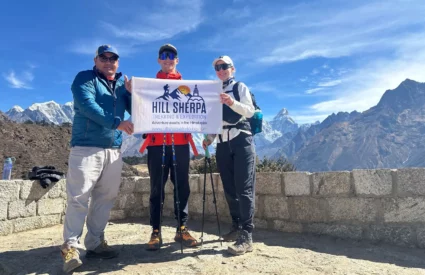
I am the Founder and Owner of Hill Sherpa Trekking Pvt. Ltd. With more than 15 years of experience in the Himalayan tourism and mountaineering industry, I established the company with a passion for mountain adventures and a commitment to responsible tourism. Since then, I have dedicated my career to creating safe, authentic, and unforgettable trekking and climbing experiences throughout the Himalayas.





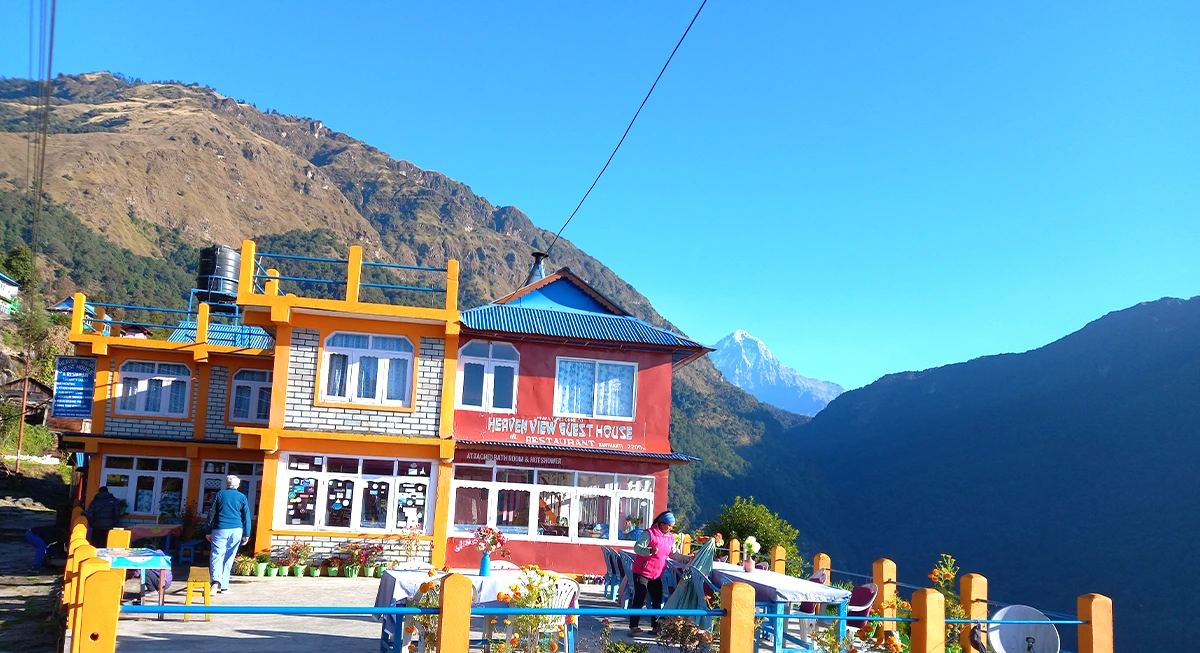 Nepal tea house trekking means trekkers spend the nights in tea houses, lodges, or guest houses, instead of camping. Tea houses are located on the principal trekking routes. They offer essential services and provide accommodations, meals, drinks, and bathrooms. The local trekking communities have developed the tea house system in response to the growth of trekking tourism in Nepal’s mountains.
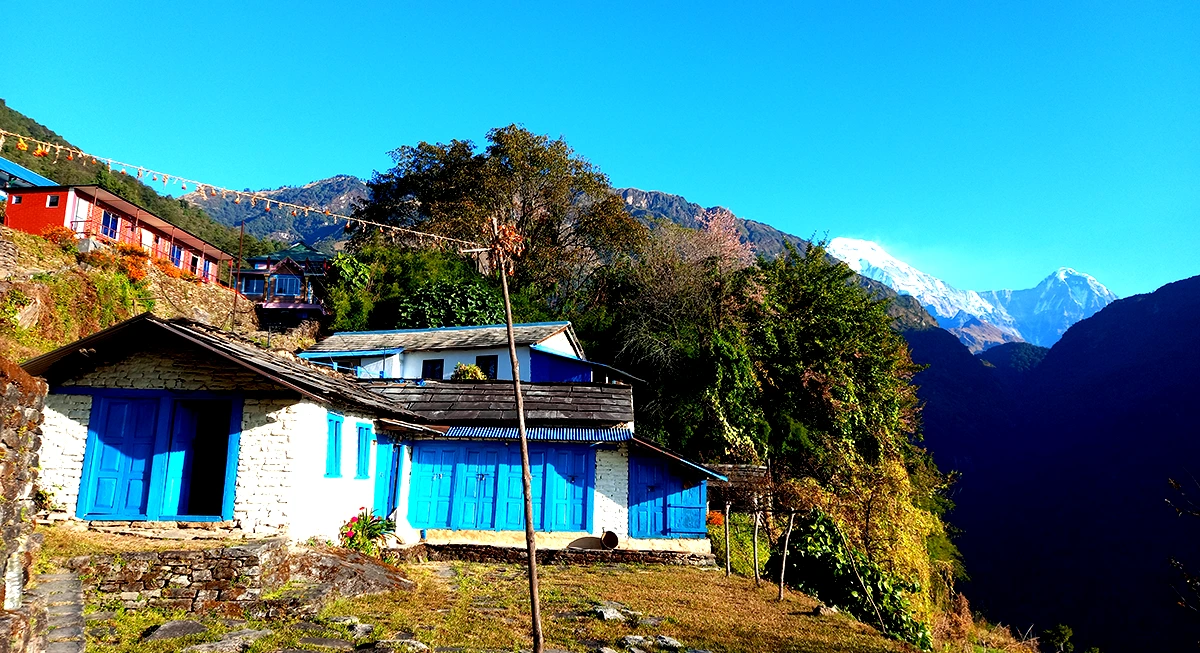 Tea house trekking is a popular trekking style because it incorporates a comfortable system of prepping and serving meals and a bed along the route each night. Instead of sleeping in a tent and carrying a camping stove and supplies, trekkers can focus on enjoying the trek. Each tea house provides a warm meal and a comfortable bed.