What is the Meaning of Namaste?
Echoing with great promise, NAMASTE is one of the most graceful greetings in the world. In Nepal, India and across South Asia, it is commonly employed as a friendly form of greeting. It’s much more than that, however. It is rich in culture and spirit, it is a symbol of peace, humility, compassion, and the connection between and among people. This is a friendly greeting that will be heard by travellers in the Himalayas or tourists visiting temples, monasteries and villages in Nepal. Nowadays, this culturally rich word is used across the world, largely thanks to yoga and meditation as well as wellness practices.
Where does the term Namaste originate?
The language of the word NAMASTE is Sanskrit, the ancient language of the Indian subcontinent and some parts of Asia. This greeting is derived from two Sanskrit terms. NAMAH, which means a bow, respect, or honour and TE, meaning to you. Therefore, Namaste signifies I bow to you, and as is customarily known in the Western world, a bow is defined as bending at the waist as a mark of respect and submission. However, this is too simplistic for a greeting that embodies the respectful spirit. In Hindu and Buddhist traditions, it is believed that every individual has a spirit or divine presence; the greeting serves to honour that spirit or presence.
A Cultural Exploration
The sacred meaning of NAMASTE reaches beyond the bounds of a traditional salutation. It connects the giver and receiver of the gesture in a united, spiritual, energetic bond. It provides evidence for the belief in a universal connection through loving energy. An extended definition is, I see the god in you. This definition promotes the highest form of treatment for everyone. It provides equality for people regardless of their background. In a world filled with division and, in many cases, a lack of compassion, the invocation of Namaste reflects our need for unity.
The Significance of Namaste in Daily Life
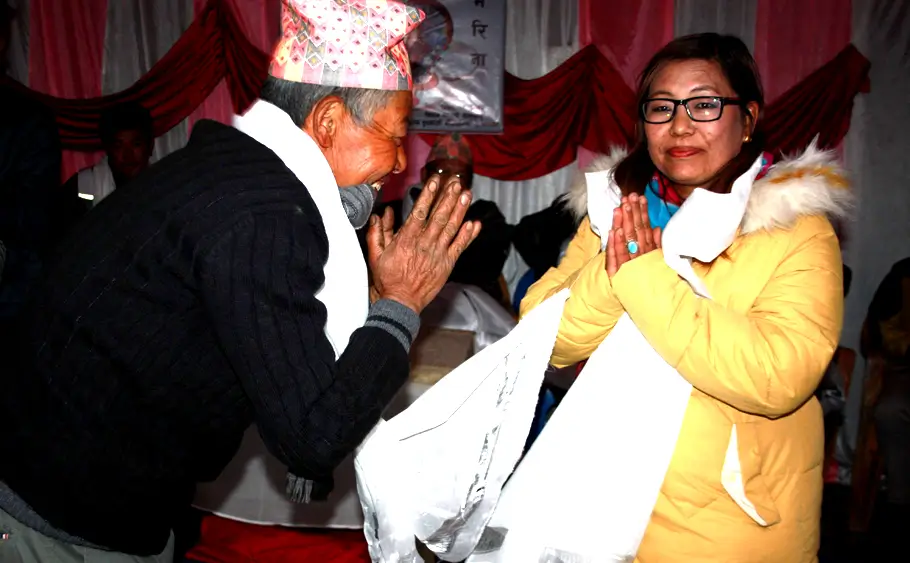
In South Asian countries, predominantly Nepal and India, NAMASTE is used to greet or show gratitude and respect to superiors; it is the customary goodbye among friends, family, and guests. It is a peaceful and humble gesture, as the palms are brought together, as opposed to a handshake, which requires touch. During the pandemic, NAMASTE became a world-renowned substitute for the handshake and other greetings that involve physical contact. Namaste is also used in places of spirituality to create a center of serenity and positivity.
A Guide to Namaste
To do NAMASTE properly, start by placing both hands together at the centre of your chest, with your fingers pointing up and your elbows bent. Lightly bow your head toward the person you are greeting. With a smile, use a warm tone to say, Namaste. Some choose to close their eyes as a sign of inner peace. Feel free to do Namaste while standing, sitting, or kneeling. Namaste emphasises simplicity and humility and shows genuine respect.
Namaste in Nepalese Culture
Depending on which part of Nepal you go to, you will see Namaste used in all walks of life. From bustling Kathmandu to remote villages, NAMASTE is exchanged in homes, schools, markets, temples, and along the trekking paths. Namaste is especially popular among trekkers. Trek to Everest, Annapurna, and Langtang regions, trekkers, along with Sherpas who own tea houses, guides, and villagers, use Namaste to greet trekkers. People who use Namaste also show their appreciation for the Nepalese culture.
Namaste in Yoga and Meditation
Recently, yoga and meditation practices have made Namaste globally popular to some extent. Yoga instructors use Namaste as a form of thank you to their students at the end of the session and as a means to indicate peace and unity. In yoga philosophy Yes Namaste, signifies the harmony of the mind, body, and soul. It is fair to say that many people outside of South Asia learn the word in yoga studios. However, Namaste has its roots in the ancient spiritual practices of Nepal and India. Namaste is most definitely a symbol of mindfulness, positivity, and respect.
Difference Between Namaste and Namaskar
While travelling in South Asia, many people hear both “NAMASTE” and Namaskar and wonder what the difference is. Both words are greetings that are used as a form of respect and are understood to have the same meaning. Namaste is more widely used in everyday conversation and Namaskar is used in a more formal context. In both Nepal and India either greeting is understood and used. Whether Namaste or Namaskar is used, in both cases the greeting is meant to represent respect, peace, and kindness towards any individual.
Namaste’s Role in Contemporary Culture
In a fast-paced world defined by technology, Namaste takes on added importance. Life oftentimes excludes face-to-face human contact. In the modern age, Namaste gives the world an opportunity to pause, give thought and interact civilly. It’s a gentle reminder that respect is not an act reserved for grand gestures. Namaste challenges that idea and creates familiarity with strangers, friends, and family, all while providing warmth and a positive outlook and inspiring people throughout the globe.
Conclusion
Namaste is far beyond an expression to greet one another. The Sanskrit word and its meaning stretch well beyond the word ‘HELLO‘. It represents respect, spirituality, and the relationship of all people. This popular practice found in Nepal and India informs the world to recognise the positive in each person. Namaste embodies a message of caring and togetherness, whether one is on a journey to the Himalayas in search of an answer to life or on the path to inner peace through Yoga or visiting sacred temple grounds or bowing lovingly to the neighbour, Namaste brings its message.
When you hear or say Namaste, next, take a second to remember the peace we all have within.
NAMASTE