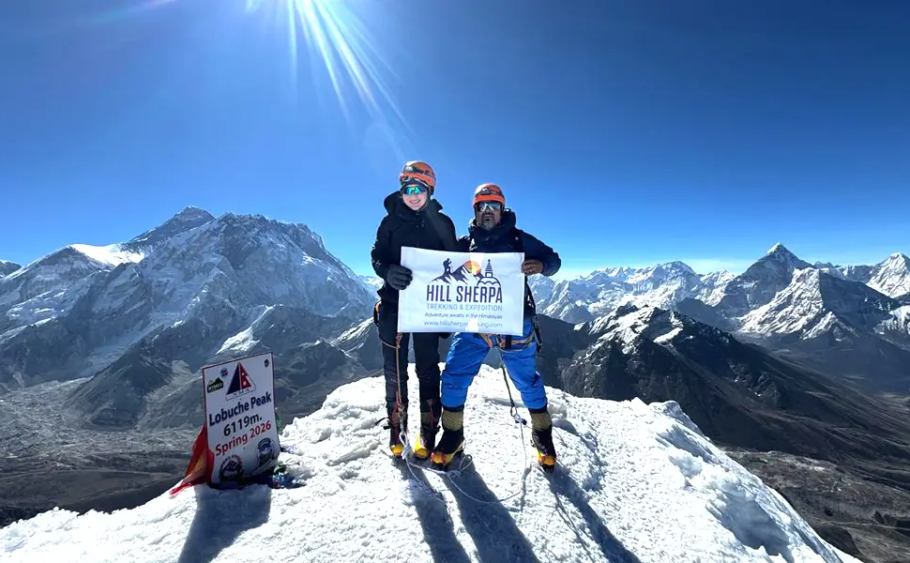
Lobuche Peak measures 6,119 meters (20,075 feet) and ranks as one of the most popular trekking peaks in Nepal. Found in the Everest Region, Lobuche Peak provides the opportunity to enjoy gorgeous views of the Everest Region’s imposing giants, including Mt. Everest, Lhotse, Nuptse, Ama Dablam, Pumori and an infinity of snow-draped peaks. Though the climb has a reputation as an easier climb for beginners (with the aid of experienced professionals), the likelihood of success is correlated with the choice of climbing season.
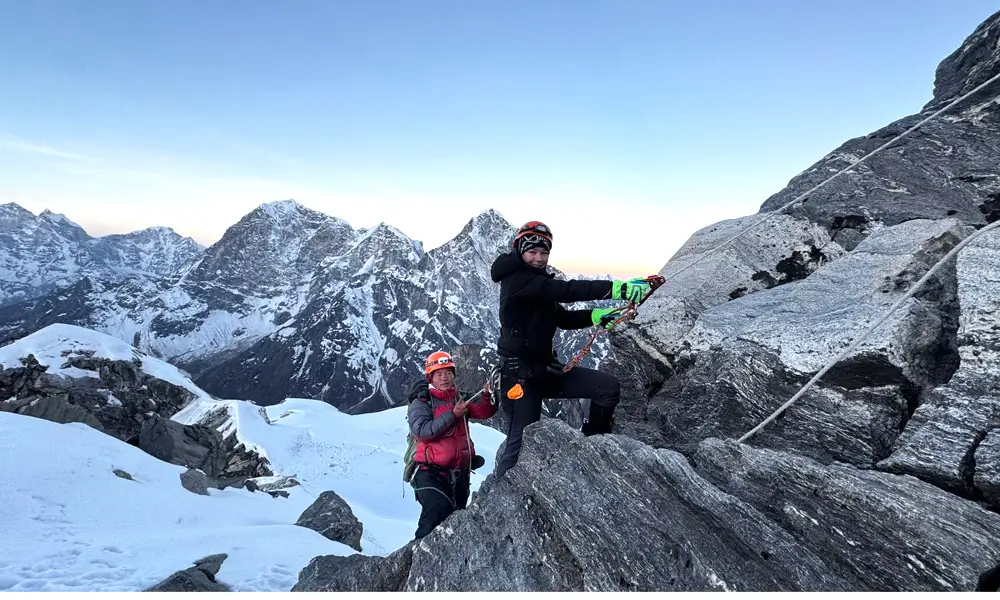
Unlike most trekking routes, the climb of Lobuche Peak involves the use of ropes, travel over snow slopes, and sections of the climb that require technical skills and glacier travel. At higher altitudes, the weather is unpredictable and can change in an instant. Therefore, the timing of your expedition is one of the most crucial decisions that you will be required to make for the climb. Choosing the correct season gives you the best chances of making it to the summit and provides a safer and more enjoyable experience.
Spring (March to May) and fall (September to November) are the prime climbing months for Lobuche Peak. At these times, the Everest Region tends to have stable weather, moderate temps, good visibility, and clear skies, all making for a good climbing season. Winter and Monsoon season ascents to Lobuche Peak are harder, requiring a higher degree of expertise and planning for a flexible itinerary.
Why the Right Season Matters
Very few understand the impact that different weather systems can have on an expedition. The weather is very unpredictable on the mountain. Even a change in the wind or a slight temperature change can affect the conditions while climbing on a mountain that exceeds 6,000 m. Lobuche Peak climbing is different to the trek to Base Camp at Everest. It involves crossing a number of glaciers, and the use of crampons, and navigating very dangerous exposed ridges.
Poor weather can heighten all of these challenges, but selecting the right season can reduce many of these hazards. Stable weather means sufficient frozen snow, high visibility and safe climbing. It can also improve the chances of flight to Lukla and decrease the threats of avalanches, allowing the guide to create a sound plan for a summit push. The time of year can be the difference between reaching the summit and being forced to turn around.
Spring (March to May): The Optimal Season for Lobuche Peak Climbing
Spring is the optimal season for climbing Lobuche Peak, and for good reason. As the season starts to change from winter to spring, the conditions on the pass start to get more stable in the upper ranges of the Himalayas. With the winter conditions starting to fade and snow pack starting to be less dangerous, the conditions for climbing continue to get better. Longer days and warm temperatures improve the predictability of the weather.
Spring is the best season for the Everest region. The lower elevations turn the Rhododendrons to bloom, and the mountain becomes even more vibrant as the meadows turn green and the lower elevations’ alpine meadows become less snowbound. The spring climbing season is the busiest of all because of the more favourable conditions, more climbers are out of base camp and on the mountain than at any other time of the year.
Spring is popular among trekkers and climbers for good reason. Spring boasts excellent conditions for those labouring up from Base Camp and for those hoping to summit the highest peaks. The spring months balance pleasant temperatures for trekkers with reliable snowfall. The high Himalayan temperatures may be warmer than autumn’s chilling conditions, but spring’s clear conditions and trekking temperatures are better for climbing. Spring affords trekkers and climbers better visibility of the giants of the Himalayas. Even professional climbing guides prefer the spring months as snow conditions are more predictable.
Unstable but safe mountain conditions
Temperatures moderate for mountain trekking
Springtime blooms of rhododendron
Maximum daylight
Maximum summit success
Maximum views of the mountain
Perfect snow and glacial conditions
Increased popularity is the only drawback. Tea houses become busy as trekkers fill the Base Camp route. Flights become fully booked to Lukla. It’s highly suggested that bookings be made well in advance.
Considering Autumn
The October to November period offers a great climbing season. Many professional climbers consider this the next best season for Lobuche Peak climbing. The Indian monsoons cleanse the air and make the visibility in the Himalayas among the best in the world. Autumn is particularly clear and the vistas extend well beyond the usual.
The trails are dry and the glaciers are stable. The fall rains are infrequent and easy to manage. The temperatures are a bit cooler than in spring, particularly at night. Daytime trekking remains very comfortable, and stable conditions for fall make trekking and climbing safe.
Autumn captivates photographers: the crisp air and clear skies mean stunning mountain vistas and dramatic sunrises and sunsets. The autumn sun paints the mountain peaks of Everest, Lhotse, Nuptse, and Ama Dablam in golden hues, highlighting their year-round snow.
Autumn, like spring, is a popular trekking season. The thousands of trekkers and climbers spread a buzz to the Everest region’s villages of Namche Bazaar, Tengboche, Dingboche, and Lobuche.
Benefits of Autumn
clear blue skies
dry trails
calm and stable weather
visibility
temperatures
landscapes post-monsoon
The only drawback is that post-monsoon landscapes are so beautiful that we must pre-book flights, lodgings, and climbing permits to ensure we have a spot.
Winter (December – February)
Reserved for the Skilled Only
The scene on Lobuche Peak changes starkly in winter. Quiet, still nature beckons experienced climbers, but the fresh snow and empty trails hide lousy weather.
Temperatures drop. Wind picks up. Water freezes. Daylight decreases. Winters in the mountains turn beautiful vistas into an engineering challenge.
The tradeoff is worth it, because on clear days, the views are excellent and so is the solitude, but you need a well-equipped team, a solid guide, and good physical fitness to tackle the cold Everest has to offer.
Monsoon (June to August)
The Most Unfavourable Season
From June to August, summer monsoons bring torrential rains to Nepal, making a Lobuche climbing expedition the most undesirable option. Traffic along higher elevations tends to get restricted due to snow, but the mud in the lower sections makes the trails slippery and prone to landslides.
Unfortunately, cloud cover is a more difficult hurdle to overcome. Many days even provide limited visibility of the surrounding peaks. One of the main attractions of the Everest region is severely diminished. Delayed or cancelled domestic flights to Lukla due to limited visibility worsen the problem.
Unstable climbing conditions due to snow, along with the higher risk of avalanches, increase the difficulty of traversing Glaciers along the upper sections of the mountain, too. Monsoons also make weather highly unpredictable, making it difficult to forecast favourable conditions for the summit.
If climbers lack mountaineering experience and a flexible itinerary, most guides suggest avoiding the entire monsoon season.
Monthly Breakdown of Climbing Conditions at Lobuche Peak
Every month has a different level of difficulty associated with it. Spring increases climbability in March as temperatures begin to rise and thaws begin. April is the best month for Lobuche climbs. Travellers experience the most comfortable temperatures with the best snow conditions during dry, stable weather. May experiences the build-up of the pre-monsoon cloud cover. Afternoons may also get increasingly overcast.
Beginning in June, the monsoon clouds begin to invade the Everest region and worsen visibility in addition to rain. July and August experience the most rainfall along with the worst climbing conditions.
With the end of the rains, September usually brings the return of blue skies and dry weather. October is probably the most popular month for climbing Lobuche Peak, with both excellent visibility and good conditions in the mountains. November continues good climbing conditions before the onset of winter temperatures. December, January, and February have clear views of the mountains, but require more planning for the increased risks of winter with cold and snow.
Weather and Temperature During the Climb
As you climb, the weather changes quickly, and while Lukla and Namche Bazaar can have pleasant, mild temperatures, the air quickly becomes much colder above Dingboche and Lobuche. High Camp expects freezing temperatures, even in the climbing seasons.
Summit attempts usually start soon after midnight, with temperatures in the air typically between -20°C and -30°C, and with wind chill, even lower. High quality insulated clothing, gloves, mountaineering boots, and a good layering system are important.
In the rapidly changing weather of the Himalayas, climbers should remain adaptable, and should heed the advice of their expedition leader about the timing of the summit.
Best Time for Beginners
The safest and most pleasant months for beginner climbers in the Himalayas are the months of April, early May, October, and early November. During these months, the weather is more hospitable, and beginners can have more of a focus on technique and less on dealing with the weather.
Most guided climbs provide training in the use of crampons, harnesses, fixed ropes, and ice axes prior to an attempt on the summit. Along with well-behaved weather, these months allow novices the best opportunity to safely attempt a summit and gain confidence to pursue further alpine activities.
Advice for Selecting an Optimal Climbing Season
Selecting the appropriate climbing season is only one element of a successful climb. Allowing adequate time for the ascent to acclimatize is also important. Acute altitude sickness presents a significant risk when climbing Lobuche Peak. It is recommended to incorporate additional contingency days to your itinerary to account for flight delays or other factors that inhibit the ability to make a summit attempt.
The busy period for guides, tea houses, and flights is the spring and fall. For these seasons, it is imperative to book your climb several months in advance. The other prerequisites to a safe and successful climb are investment in high quality equipment, good physical condition, and participation in the climb with a guide of good repute.
Conclusion
The prime climbing seasons for Lobuche Peak are the spring (March to May) and the fall (September to November). The prime months for sustained comfort during the trek and high rates of successful summit attempts are April and May, and October and November. The optimal selection of the season allows the novice climber the greatest chance to undertake the summit attempt on Lobuche Peak.
Lobuche Peak is a mountaineering adventure offering mesmerizing views of the mountains with the perfect weather, a well-planned team of experienced climbers, and proper altitude acclimatization.
FAQs
When is the ideal time to climb Lobuche Peak?
With stable weather and optimal climbing conditions, April and October are the ideal months to attempt Lobuche Peak.
When is best time to climb Lobuche Peak, Spring or Fall?
Both Spring and Fall are excellent times to climb Lobuche Peak. Spring will have higher temperatures and blooming landscapes. Fall will have post-monsoon crystal clear mountain views.
Can beginners attempt Lobuche Peak?
Yes, we recommend that beginners climb Lobuche Peak with good physical fitness and an experienced guide. Also, proper acclimatization and an introduction to basic mountaineering techniques are necessary.
Is climbing Lobuche Peak in Winter safe?
Yes, Winter climbing is possible. The incredibly cold temperatures and strong winds, combined with challenging conditions, create a greater risk. Only the most experienced climbers should attempt Lobuche Peak in Winter.
Why is climbing during the monsoon season not recommended?
With heavy rains, cloud cover, and slippery trails, combined with unstable snow conditions and flight delays, the monsoon season is the most unfavourable time to attempt a climb.
How long will a typical Lobuche Peak climbing expedition be?
Typically, Lobuche Peak climbing expeditions last 16 to 18 days. This includes the trek to Lobuche Peak, acclimatization, the summit attempt, and the trek back.
What is the temperature at the summit of Lobuche Peak?
At the summit of Lobuche Peak, temperatures will range from -20°C to -30°C and with winds, it could feel colder.
Is it recommended to do both Lobuche Peak and Everest Base Camp?
Yes. It is highly recommended to do both Lobuche Peak VIA Everest Base Camp Trek. The Everest Base Camp Trek will provide excellent acclimatization, and both treks combined will be a once in a lifetime opportunity to experience two of the greatest treks in the Everest Region.
I am the Founder and Owner of Hill Sherpa Trekking Pvt. Ltd. With more than 15 years of experience in the Himalayan tourism and mountaineering industry, I established the company with a passion for mountain adventures and a commitment to responsible tourism. Since then, I have dedicated my career to creating safe, authentic, and unforgettable trekking and climbing experiences throughout the Himalayas.





 Very few understand the impact that different weather systems can have on an expedition. The weather is very unpredictable on the mountain. Even a change in the wind or a slight temperature change can affect the conditions while climbing on a mountain that exceeds 6,000 m.