Best Time for Annapurna Base Camp Trek – Seasonal Guide (2026 – 2027)
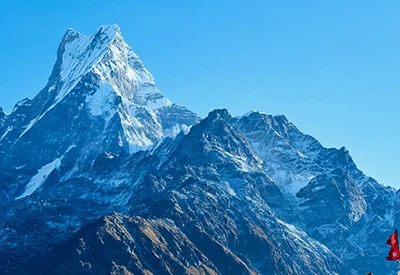
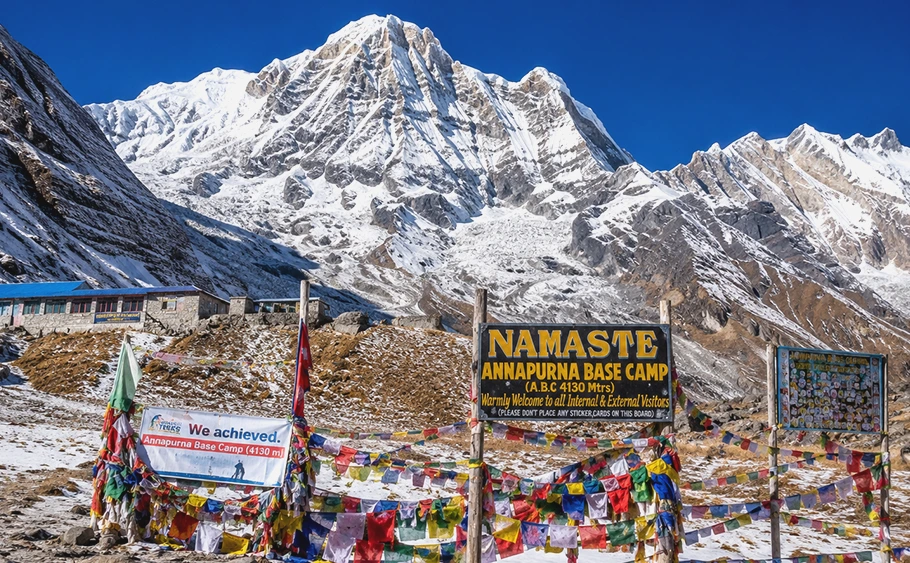
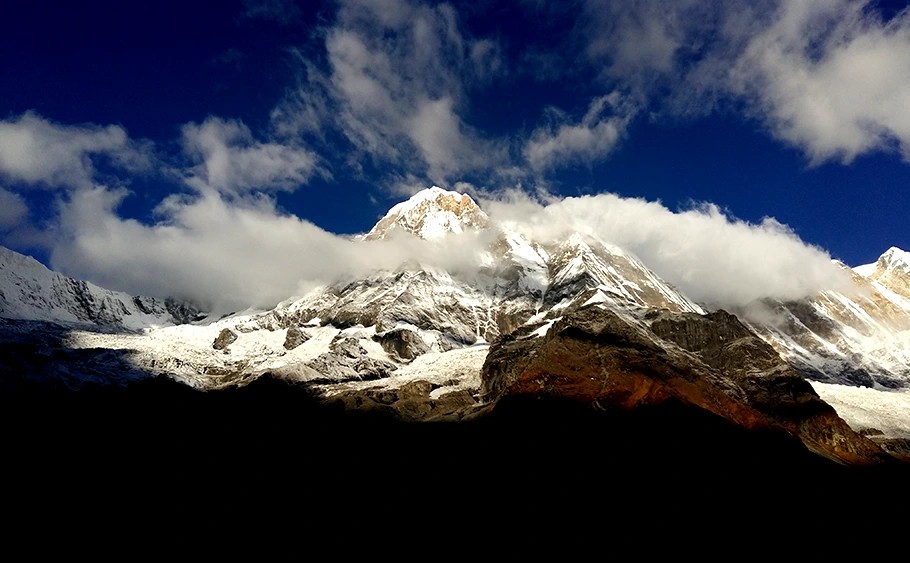
The Annapurna Base Camp Trek is a beautiful Trek in Nepal that envelops inquisitors in local livelihood, farmlands, and rhododendron forests. Trekking the Annapurna Base Camp settles at an elevation of 4,130 m (13,550 ft) surrounded by the panoramic picturesque of the Annapurna mountain ranges. These encompass Annapurna I(8,091 m), Machhapuchhre (6,993 m), Annapurna South and Hiunchuli.
The best time to do the Annapurna Base Camp Trek is at a time when there are the fewest trekkers and great views of the mountains without inclement weather. There are always weather changes and trail condition changes in the Himalayas. It is possible to do the trek year-round. Each season is defined by its own charm. Spring has blooming flowers, Winter is snow covered, Autumn is clear and dry, while the monsoon season is lush green.
Spring (March to May) and Autumn (September to November) are the best seasons and when most trekkers aim for this trek. It is widely accepted that Autumn is the ideal time to complete the trek for great visibility and pleasant conditions, while Winter offers great solitude and Monsoon is a discount season.
This complete guide will help you identify the best time for your Annapurna Base Camp Trek, including a breakdown of the weather by month, the temperatures you can expect, the pros and cons of each season, the best times to take photos, and when to take the trek, as well as tips and tricks and advice to help you prepare for your expedition.
When Is the Best Time for Annapurna Base Camp Trek?
To the seasoned trekker, the best time for the Annapurna Base Camp Trek is the spring (March to May) or the autumn (September to November) seasons. Trekking during these seasons means some predictable praiseworthy weather, great visibility of the mountains, moderate temperatures, and improved trail conditions. Travel for the first time or return to the Annapurna region at these times for safe and spectacular scenery with less discomfort.
Of the two, spring brings even more beauty and a greater variety of blooming flowers. Animals also spring to life. The snow retreats to the high peaks, the hills turn green and vibrant with newly active flora and fauna and blooming forests and fields of rhododendrons and more wildflowers carpet the hills. The active fauna, blossoming flowers, and exceptional peak views at dawn extend ample opportunities for nature and photo enthusiasts.
Acclaimed as the best season of the year for trekking in Nepal, autumn brings the most trekkers. Transitions of the seasons clear dust and pollution. The now pristine skies boost visibility, enhance views of the impressive peaks, and dry out the trails. With cool, comfortable, and clear weather, autumn entices trekkers aiming for adventure, and all points in between, but expect delays due to the high traffic season.
Annapurna Base Camp Trek can be completed at any time of year, but spring or autumn are the most highly regarded. Winter brings quiet, peaceful trails and a snow-covered, atmospheric landscape. However, it can be very cold in the Himalayas. The summer monsoon season brings a very green landscape, but heavy, frequent rains can make for a muddy trek and obstruct views of the mountains.
When you do a trek is all about what you value most about the trip. Other seasons are definitely beautiful too, but the weather and views from the peaks are best in the spring and fall. Travelling in winter can be a great, solitary experience, and summer monsoon trekking can be a very economical way to travel. Just be prepared for the slushy trails and reduced visibility.
Spring (March – May), the Best Season for Nature Lovers
Spring offers some of the best trekking conditions on the Annapurna Base Camp Trail. With the end of winter, the trails begin to fill with blooming foliage. The big trek in spring is the Rhododendron. The average temperatures for spring days on the trek are between 10°-20°C. The night temperatures on the trek stay cool. The conditions stay stable long enough for great visibility of not just Annapurna but also Machhapuchhre, Hiunchuli, and Annapurna South. This season is also the choice of trek lovers who enjoy hiking with nature, vibrant scenery and enhancing their photography skills.
Weather and Temperature
Spring is the season for mild temperatures that bring sunny days. The lower elevations become warm and comfortable, but the morning and evening temperatures stay cool as the trek gains altitude. The early parts of spring are still prone to light snows. When the snow does come, rest assured the trails will still be clear and safe.
Rhododendron Forests in Bloom
If you want to see colourful blooming Rhododendrons, you should go on the trek in March and April. The hills of the Annapurna region are blanketed with the vibrant reds, pinks, and whites of the flowering Rhododendrons.
Mountain Views
Spring is the season for the best photography on the trek. It is the best season for photography because in the mornings the visibility is the best and the skies are clear with no precipitation.
Trail Conditions
The trails are in the best condition for trekking in spring. The trails are dry and well maintained. In late May, there is the potential for some light afternoon showers, but they will not impact trekking.
Spring
The pleasant weather of spring is coupled with breathtaking views of flowing waterfalls, blooming forests, and the most ideal trekking conditions. Spring trekking caters to beginners, families, photographers, and experienced trekkers.
Disadvantages
Spring is the most popular trekking season, and because of this, teahouses and trails can get quite crowded in April. It is best to book accommodations ahead of time.
Who Should Trek in Spring?
Spring yields the best trekking conditions for first time trekkers, photographers, families, and nature lovers who prefer trekking in comfortable weather compared to the complicated and unpredictable rugged trekking in the fall and winter.
Summer/Monsoon (June-August), Lush Landscapes and Fewer Crowds
The vibrant greens of summer and the monsoon make the Annapurna Region a trekking paradise. The frequent rain can make the trek challenging, but the peace of a less crowded trail is worth it.
Weather and Temperature
The rain of the monsoon can make trekking quite uncomfortable with an early morning a necessity to avoid the rain.
Green Landscapes
A nature lover’s paradise, the trails filled with waterfalls and flowing creeks, coupled with a forest filled with lush green foliage.
Mountain Views
Clouds and mist can block the views of the mountains during the monsoon season. The early morning treks often grant the best views.
Trail Conditions
The trails can become filled with mud and slippery due to landslides in the monsoon season.
Advantages
The monsoon season brings a quieter trek while the scenery is filled with vibrant greens. Combine this with lower accommodation rates, and you have ideal trekking conditions.
Disadvantages
Trekking this season is difficult. Continuous rain has created muddy and treacherous trails. Views along the trails have been obstructed by fog. Travelling this season will be made more difficult due to the extra risks of leech infested paths and delayed transport.
Who Should Vacate this Season?
Inexperienced trekkers should not travel this season. Trekkers who want to have a more solitary experience and leaf peepers will enjoy this season.
Autumn (September to November), the Most Popular Trekking Season
Best Time for Annapurna Base Camp Trek
From September to November, the weather is at its most favourable for trekking at the Annapurna Base Camp. The rain will have mostly ended, meaning that the air is clear and fresh. Summers scorching heat will have passed, meaning that the air cools, and the risk of sweating profusely and discomfort is eliminated. Perfect Weather encourages the thousands of trekkers who frequent this part of Nepal to return once again.
Weather and Temperature
Autumn brings dry weather and comfortable temperatures in the range of 10 °C–20 °C during the daytime. Fall temperatures drop at night, though remain comfortable and are well suited for trekking in the higher elevations.
Mountain View
Autumn is the best season for visibility of the Himalayas and the mountains of Nepal. Clear skies provide excellent views of Annapurna I, Hiunchuli, Machhapuchhre, and the other surrounding peaks.
Trail Conditions
After the rains from the monsoon season, the trek in autumn has dry and safe trails. The trails are well maintained and enjoyable for trekkers of all experience levels.
Festivals in Nepal
Dashain and Tihar, two of the most important festivals in Nepal, take place during autumn. This provides trekkers with the opportunity to experience local traditions and participate in the harvest celebrations.
Advantages
The best trekking conditions, the best visibility, and the best weather of the year all coincide with autumn. Temperatures are also comfortable for trekking.
Disadvantages
Catered hiking trails and guesthouses become busy. It is essential to book ahead. Autumn is wonderful for trekkers new to the sport, families, people who like to take photographs, people who prefer to hike alone and people who want the overall best trekking experience.
Winter (December – February), a Quiet Snowy Journey
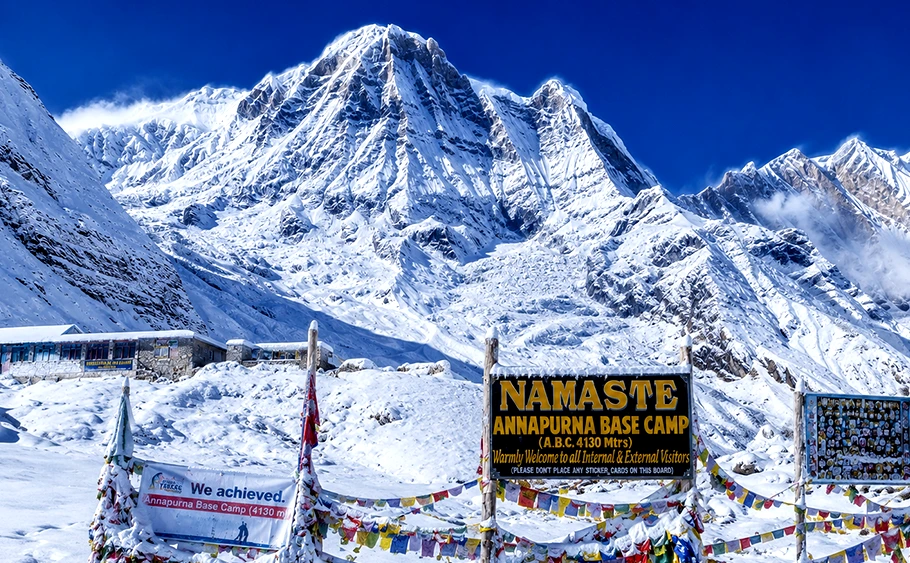
Winter creates an entirely new experience for the Annapurna Base Camp trek. Snow means no more busy trails and some of the most beautiful views of the mountains (and perhaps the most beautiful of all time) and all this combined means an experience that is incredibly peaceful. The lonely views are a huge reward for the freezing temperatures.
Weather and Temperature
Winter days are generally clear, with daytime temperatures ranging from 5°C to 10°C at the lower elevations. Nights at Annapurna Base Camp are below -10°C, especially in January.
Snowy Landscapes
With every step on the freshly fallen snow, the trek creates a magical winter wonderland that won’t ever be forgotten. The sight is unforgettable.
Trail Conditions
Most trails stay open, but snow and ice can make higher sections treks more difficult. For winter trekking, especially in the snowy sections, proper winter trekking clothes and gear are a must.
Benefits
Winter means easy trekking, clear winter views, and a beautiful view of the Himalayas and all of this means a great experience.
Cost
Freezing temperatures, heavy snow, and short days can be somewhat of a downfall if the proper winter trekking gear isn’t used.
Winter Trekking Suit
The trekkers with the most experience, the most desire for adventure, and the best nature photography skills enjoy the winter treks the most due to all the peace the snow and the quiet trails provide.
Annapurna Base Camp Trek Weather by Month
Annapurna Base Camp Trek in January
January is the coldest month on the Annapurna Base Camp Trek, with cool daytime and frigid nighttime temperatures and air that is crisp. The landscape is snowy. With usually clear skies, trekkers will have fantastic views of the Annapurna range. Parts of the trail may be covered in snow, but there will be few visitors, making for a peaceful trek. Those who like winter views and don’t mind cold weather will find January to be the best month to trek.
Annapurna Base Camp Trek in February
February marks the end of winter. Snow will still cover the upper trail, but conditions begin to improve. With favourable weather for views, February is a good month for photography, especially since the trails will be less crowded. February is also an excellent month to experience the peace of the Himalayas.
Annapurna Base Camp Trek in March
March begins one of the best trekking months in Nepal. As winter fades and spring begins, the weather begins to warm along with the blooming of the flowers. The forests begin to sprout new greenery. The weather in March is generally stable with clear views of the mountains. Trekkers who want to beat the spring trekking crowd will find March an excellent month to trek.
The Best Month to Trek Annapurna Base Camp
April is the best month to trek to Annapurna Base Camp. Every trekker can appreciate the blooming rhododendron forests along the trails. The weather is fairly warm during the day. The views of the mountains are clear. Warm weather and beautiful views draw trekkers from all over the world. Since April is popular, you should book accommodations ahead of time.
May Trekking Conditions
May comes with warm weather and beautiful views, which makes trekking pleasant. Higher elevations are comfortable, but clouds and light rain may develop in the afternoon. The trails are in good condition, making May still a good month to trek before the rain gets too serious.
June Trekking Conditions
June is the start of the monsoon season. Rain in the afternoons and evenings makes trails muddy and slippery. The lush forests hide the mountains in the clouds. The best chance at clear views of the mountains is hiking early in the morning.
July Trekking Conditions
July is the wettest month. Rain makes the landscape beautiful with flowing waterfalls and lush greenery. Slippery trails and an occasional landslide make trekking more difficult. Virtually no trekkers make it out in July, so it is a good time to go if you want solitude.
Annapurna Base Camp Trek in August
August is still in the monsoon season, but the rain starts letting up towards the end of the month. The valleys are rich and full of life, while the mountain views are clearer on sunny days. Trekkers should prepare for wet paths and rain. Waterproof gear should be brought.
Annapurna Base Camp Trek in September
September is the end of the monsoon season and the start of autumn. The first couple of days in September may still have rain, but conditions get significantly better in the following weeks. September has nice, fresh air with green views and clearer skies. This makes September one of the best trekking months. But conditions get better, popular and crowded.
Annapurna Base Camp Trek in October
October is the best month for the Annapurna Base Camp Trek. With a comfortable temperature, dry trails, and great views, trekking conditions are the best this month. The clear views paired with the festive mood of Nepal for Dashain and Tihar mean October is the best month for most tourists.
Annapurna Base Camp Trek in November
November carries the great trekking conditions of autumn. Temperature views of the Himalayas become clear and dry. The trekking crowds of October also start to thin out towards the end of the month. Beautiful views are still present. The best time for a more peaceful trek is in November.
December at Annapurna Base Camp
Winter starts in December, bringing cooler temperatures and some snow at higher altitudes. You can always count on spectacular views of the mountains with the bright, clear skies in the weather. The number of visitors decreases, resulting in quieter trails. These are just some of the reasons the Annapurna Base Camp Trek is recommended for those wanting to experience some beautiful wintry views before the temperature drops to the harshest part of the winter.
Temperature Variations at Altitudes Along the Annapurna Base Camp Trek
When on the Annapurna Base Camp Trek, the temperature declines with increased altitude. The lower villages have pleasant, comfortable temperatures, but the higher villages experience cold days and much colder nights during autumn and winter. Knowing the temperature can help you pack and prepare for possible alterations in the mountain weather.
Pokhara (822 m)
As the starting point for trekkers, the climate in this part of the Annapurna region is mild and subtropical. The average daily temperature can be between 18 °C and 30 °C, depending on the season. The evenings are generally Pleasant. Most trekkers spend a night or two, before and after their trekking, in this town. A good opportunity to relax.
Chhomrong (2,170 m)
This is the first major Gurung village on the trekking route. The temperature is cooler than in Pokhara. The average daily temperature can be between 10 °C and 20 °C. It is a pleasant trekking temperature, although, like winter and autumn, the nights can be chilly.
Bamboo (2,310 m)
Located in a lovely Forest, Bamboo can have a cool and humid climate throughout the year. The average daily temperature can be between 8 °C and 18 °C, while nighttime temperatures are colder. Even during the warmer months, the Forest can help keep temperatures moderate.
Deurali (3,230 m)
When you start climbing above the tree line, and the temperature starts reducing even more, the average daytime temperature can be between 5 °C and 15 °C in Deurali. During winter, this temperature can be even colder than freezing. Good Trekking temperature is very important at this altitude.
Machhapuchhre Base Camp (3,700 m)
Machhapuchhre Base Camp (MBC) has the best views of the towering peaks of the Himalayas and is the last stop before Annapurna Base Camp. Daytime temperatures typically range between 2°C and 12°C, while the nighttime temperatures can dip below -5°C, especially in winter. The air there is thinner and the temperatures are lower, so it is important to be equipped with the right layers and proper insulation.
Annapurna Base Camp (4,130 m)
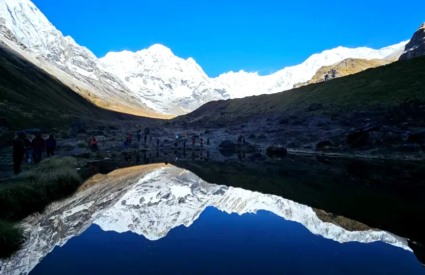
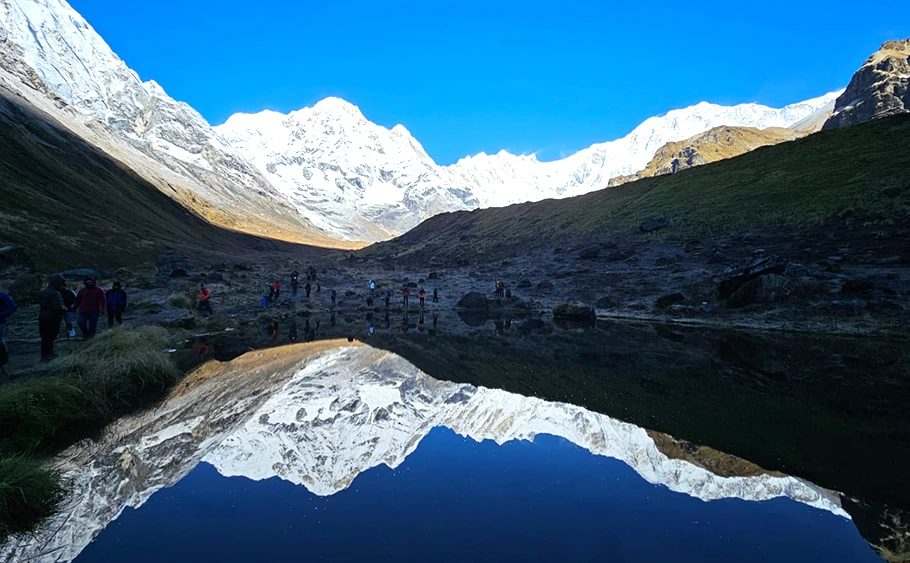
Annapurna Base Camp is the highest point on the trek and is absolutely surrounded by gigantic, stark white, snow-covered peaks. Daytime temperatures during the main trekking seasons typically range between 0°C and 10°C, but it can get as low as -10°C, and possibly even lower, at night during winter. It can be bitterly cold, but the mornings are usually clear and can provide some of the best views of Annapurna I, Machhapuchhre, Hiunchuli, and Annapurna South.
Best Month for Clear Mountain Views
For the most stunning views of the Himalayas, the best clear weather months for the Annapurna Base Camp trek are October and November. While Nepal’s grain harvest is happening, the post-monsoon rains make the air clear, clean and dust-free with the crisp blue skies and excellent visibility. These months also provide some of the best views with the blooming of the spring season’s colourful flowering forests, especially in March and April.
Montane views are best during early mornings, as the rest of the day can be obscured by the typical cloud cover. While trekking, it is possible to see stunning views of the nearby peaks from numerous vantage points along the trail during these months, including Annapurna I (8,091 m), Machhapuchhre (6,993 m), Annapurna South (7,219 m), Hiunchuli (6,441 m), and Gangapurna (7,455 m).
Best Time to Visit the Rhododendron Forests
Visiting the Annapurna Region in the spring is popular for a great reason. During the month of April is the best time to see flowering rhododendrons throughout the regional forests. March is also a good time to visit if you want to avoid the crowds.
The best forests to see rhododendrons in bloom are in Ghandruk, Chhomrong, Sinuwa (and many others, along the trekking trails). If you’re looking for the best views and amazing snowcapped backdrops, consider the Annapurna Base Camp Trek. Some of the best photos are captured during April as the mountains are peaceful and untouched.
Peak Season vs Off-Season Trekking for Annapurna Base Camp Trek
There are a variety of aspects, from cost to weather, to help determine the time of year for trekking. Choosing an on-peak or off-peak season trek to the Annapurna Base Camp requires some thought, as there are benefits and challenges associated with it regardless of the time of year.
Peak Season Trekking (Spring and Autumn)
There are two peak trekking seasons, and they are in the Spring (March-May) and the Autumn (September-November). Fall and Spring are when the most trekking occurs. The weather is stable, with comfortable temperatures and good visibility of the mountains.
Peak trekking time means a bustling trail of trekkers! The fully functional teahouses mean fully functional services for food and lodging, and even transport. The unobstructed views of the Annapurna mountain range mean fantastic photo opportunities, so there is no reason to delay a first trek during these months.
Advantages of Peak Season Trekking
Weather conditions are stable, and the chance of rain or snow is low.
People can see the Himalayan Peaks better.
The temperature during the day is mild.
The trails are in better condition.
Teahouses and services are fully available.
This season is good for the inexperienced and good for families.
This is a good season for social interaction with other trekkers.
Disadvantages of Peak Season Trekking
Trails are crowded, especially in October and April.
Teahouses and dining are busy.
There is a greater need for accommodation.
There is less peace in comparison with trekking during the quieter season.
Accommodation and trekking services may need to be booked in advance.
Off-Season Trekking (Winter and Monsoon)
Winter and monsoon months bring charm for seasoned trekkers with lures of isolation given the wild weather conditions. December to February sees snowy trails. June to August turns the Himalayas into a dense flora, but still has waterfalls and rivers and an abundance of blooming vegetation, though trekking conditions can be improved with the correct gear.
Benefits of Off-Season Trekking
Few trekkers are afoot
Less crowding
Cheaper accommodation
More contact with locals
Seasonally unique scenery
Great for the seasoned trekker
Costs of Off-Season Trekking
Weather can be a wild card
Fewer trekkers mean colder temperatures
The wet monsoon equals slimy trails
The rainy season has shoddy visibility of the mountains
More is required for higher safety
Best Time for Different Types of Trekkers
Best Time for Beginners
The best time to trek for first time trekkers is from March to May and from September to November. First time trekkers experience a more or less moderate warm climate, clearer, less obstructed views of the mountains, and less obstruction in terms of easier trail conditions. Beginners don’t have to experience extreme coldness, heavy rain, or challenging terrain.
Best Time for Families
It’s best for families to trek in the spring and autumn (especially April, October, and November). Families travelling with children or older family members can plan more comfortable hikes with enjoyable temperatures, dependable weather, and pleasant scenery.
Best Time for Solo Travellers
The busy spring and autumn seasons are best for solo travellers as the trails are all busier and provide a greater chance to meet fellow trekkers to team with for the rest of the hike. These seasons offer safer trekking conditions.
Best Time for Photographers
April, October, and November are the best months for photographers in the Annapurna region. The spring season has striking pink forests from the blooming rhododendrons, while the autumn season offers dramatic views of the Himalayas’ clear skies.
Best Time for Budget Travellers
The winter and monsoon seasons are the best times for budget travellers as accommodation rates tend to drop as availability increases. Cold rain and unpredictable weather conditions are a downside for trekkers.
Annapurna Base Camp Trek Packing Tips by Season
Planning for the Annapurna Base Camp Trek is incomplete without the consideration of the packing process. Equipment is season and temperature dependent. Trail conditions and likelihood of rain are also important when determining what gear to pack. Depending on how you pack your backpack, trekking through the Himalayas can be comfortable (yet still exposed to the elements).
Spring Packing List (March – May)
Spring makes trekking a little bit easier, but the higher elevations can still be a little on the chilly side. Packing a few light layers along with your sun protection and trekking gear is important.
Suggested items
Moisture-wicking base layers
Fleece or mid-layer
Lightweight down jacket
Waterproof jacket
Trekking pants and hiking shirts
Trekking boots
Warm hat and gloves
Sunglasses and sunscreen
Trekking poles
Sleeping bag (recommended for higher elevations)
Water bottle or hydration system
Spring trekkers should be prepared for warmer days and cooler mornings/evenings, especially above Deurali and Machhapuchhre Base Camp.
Summer/Monsoon Packing List (June – August)
Submitting without a raincoat during the rainy season is a recipe for disaster. Traffic jams combined with bad shoes can make for a very uncomfortable commute! Waterproof shoes and umbrellas are vital.
Suggested items
Waterproof trekking jacket
Rain pants or rain cover
Waterproof backpack cover
Trekking clothes that dry quickly
Anti-slip trekking boots
Lightweight clothes
Insect repellent
Trekking poles
Waterproof bags for electronics
Small towel
A good rain jacket and waterproof backpack protection will go a long way for monsoon trekking.
Packing List for Autumn (Sept – Nov)
Fall weather can be the most stable. However, the higher the elevation, the lower the temperature. Layering becomes necessary to adjust to the temperature swings throughout the day.
Suggestions include
Base layers
Fleece Down
Waterproof Shell
Trekking Pants
Trekking Socks
Trekking Boots
Sleeping Bag
HeadlampPoles
Sunglasses/Sunscreen
Gloves/Hat
Trekking to higher elevations can lead to frostbite overnight. A good quality sleeping bag is essential for base camp.
Winter Packing List (December – February)
Much of the winter months means trekking in the cold and even the possibility of snow. This means having the proper clothing to provide protection from the elements is especially critical. The big focus is on warmth and insulation.
Suggested items include the following
thermal base layers
heavy down jackets
insulated trekking pants
waterproof shells
thick toes
wool or fleece hats
neck warmers or buffs
winter trekking boots
a sleeping bag rated for cold temperatures
microspikes (if heavy snow is in the forecast)
With the added elements of wind and the cold, winter trekkers need to be more focused on warmth.
Annapurna Base Camp Trek Seasonal Safety Tips
Proper preparation is important for safe trekking to Annapurna Base Camp, no matter the season. Safe trekking practices should also be. The Himalayan environment can change rapidly, so trekkers should always be ready to adapt to conditions and follow the guidelines for safety.
Expect Changing Weather Conditions
Changing weather should always be accounted for when trekking, this is true even during the best seasons for trekking. Having the proper clothing layers, rain protection, and warm clothes packed for the weather is a great safety tip for trekkers.
Altitude Sickness
Annapurna Base Camp is not considered an extreme altitude trek, but altitude sickness can occur when trekking above 3,000 meters. The best way to prevent altitude sickness is to trek at a moderate speed, stay properly hydrated, eat enough, and give the body the proper time to acclimatize.
The symptoms of altitude sickness include, but are not limited to, the following
headaches
shortness of breath
anorexia (loss of appetite)
insomnia
fatigue
The best option is to descend to a lower altitude if symptoms become severe.
Eat Well and Stay Hydrated
Higher elevations require more energy, so it’s important to eat well and drink plenty of water to trek. Carbohydrate and protein rich meals help maintain strength during the trek.
Have the Right Gear
To be comfortable and to sustain the least amount of injury and illness, having good, quality gear (trekking boots, warm clothing, trekking poles, a good sleeping bag, etc.) is important. Good preparation can help you to enjoy the trek without the added burden of unnecessary difficulties.
Hire a Local Guide
Hiring a local guide can be the best way to get help for navigation, weather-related decisions, arrangements for lodging, and help during emergencies. Good, local guides can also explain the culture along the trek, making the trek both safer and more enjoyable.
Preserve Surrounding Culture and Nature
The Gurung and Magar ethnic groups, among many others, live in the Annapurna region. Please practice responsible trekking so that you can honour the practices of the people, the customs and traditions of the locals while also protecting the natural beauty of the Himalayas.
Other tips for selecting the best time for the Annapurna Base Camp Trek
Season is not the only factor to consider when choosing the Annapurna Base Camp Trek. Your level of fitness, ways of travelling, travel budget, and your interests also matter a great deal. Knowing these will enable you to pick the right time and set foot in the Himalayas without a hassle.
Your trekking experience level
Spring and autumn are the most recommended seasons for beginner trekkers due to the less extreme weather conditions, the more predictable weather and the easier trails. First timers can relax and enjoy the views with the comfort of a mild climate, without the added stress of extreme weather conditions.
For experienced trekkers who can cope with changing conditions, the monsoon season or winter season can be selected. Preparation for cold weather and snowfall is necessary in winter, while good rain protection and flexibility are essential in monsoon trekking.
Choose the season based on your main purpose
Annapurna Base Camp is a different experience for each season. When making your decision on when to trek, you should ask yourself what you are looking for the most in your trek.
For the best mountain views, October and November are ideal.
For colourful forests and flowers, March and April are the best choices.
For fewer crowds and quiet trails, Winter and monsoons are good.
Spring and fall are the good options if the focus is on photography.
Choose winter and monsoon for an economical trek.
Select a season based on your own drive, and you will appreciate the trek even more.
Buy well in advance if you can during busy seasons
Spring and autumn have the heaviest trekking traffic in the Annapurna region. October, November, April, and May are the months in which most trekkers hike through the area, resulting in busy popular teahouses.
The best accommodation and transport packages (together with trekking packages) are available through advance planning and booking of treks. This is especially important during peak months and for fixed group treks.
Get ready for changes in the weather
In the Himalayas, the weather can turn crazy even in the best of trekking seasons. It is possible for a morning to turn cold on a sunny day, particularly at higher altitudes. Bring key layers, rain gear and warm clothes year round.
It helps to have a flexible attitude as mountain weather is unpredictable. By following your guide’s instructions and taking into consideration the weather conditions, you can make sure you are trekking safely.
Get an experienced local trekking guide
An experienced local guide can make your Annapurna Base Camp Trek safer, smoother and more enjoyable. A knowledgeable guide is aware of the conditions of the track, the weather, where to stay and the challenges of the altitude.
Along the way, you’ll get plenty of cultural insights from the local guides as they introduce you to the traditions, lifestyle, and history of the Gurung and Magar communities.
Please verify the weather forecast before embarking on the trek
Before going on a hike, check the weather and dress for the conditions. Use a weather forecast to plan difficult sections of the hike, and plan the optimal time to walk.
Your hiking agency and guide will also provide real time condition information on the trail, especially during the winter and monsoon seasons.
Annapurna Base Camp Trek During the Nepali Festivals
Nepal’s rich culture and traditions turn any trek into a unique experience, especially those done during the festivals. Traditional celebrations and local food and activities can be found in the communities of the Gurung and Magar in the Annapurna region.
Dashain Festival (September – October)
Dashain falls during the autumn trekking season and is the biggest festival in Nepal. Traditional rituals are conducted and families gather throughout the villages. In Dashain, you can see the stunning views of the mountains in Nepal while observing and experiencing their culture.
Tihar Festival (October – November)
Tihar is the festival of lights, and fall is also a time of celebration in Nepal. The villages are decorated with lights, flowers, and other decorations. In the Annapurna region, you can find village hospitality and performances of the culture while trekking.
Nepali New Year (April)
In the spring trekking season, you can find the Nepali New Year. The new year celebrations, the blooming of flowers in the forests and the pleasant weather make trekking a wonderful experience in April.
Best Time for the Annapurna Base Camp Trek for Varied Budgets
How much the Annapurna Base Camp Trek will cost will depend on the time of year, the availability of lodging, the cost of transport, and the demand for various services.
Budget Trekking
The least expensive months of the year are normally June-August and December-February. There are fewer trekkers, making lodging and services more flexible.
Standard Trekking
The spring and autumn months are when most trekkers, and therefore the costs, are at their highest. The weather and trekking conditions during these months make the slightly elevated costs good value.
Luxury and Private Trekking
Private and customised Annapurna Base Camp Trek travellers should be looking at spring and autumn as the best times of the year for great conditions. Lodging, along with all other services, is at its best, as well as great conditions for your personal and customized trekking experience.
Alternative Trekking Routes to Annapurna Base Camp
While the standard Annapurna Base Camp trek is the most well-known trek of the area, there are many different trekking routes in the Annapurna region, each providing a different set of landscapes, culture, levels of challenge, and adventure. Depending on your time, interest, and physical fitness, these other routes can either be done in conjunction with Annapurna Base Camp or can be done as independent treks.
Annapurna Base Camp via Ghorepani Poon Hill Route
Annapurna Base Camp Trek via Ghorepani Poon Hill Route is a beautiful and popular trekking alternative. This route brings trekkers to the Poon Hill viewpoint (3,210 m), which is famous for its stunning sunrise over the peaks of the Annapurna and Dhaulagiri mountain ranges. This trek joins the magic forests of rhododendrons, traditional Gurung settlements, and terraced fields and eventually connects with the main Annapurna Base Camp trek.
This hike is longer than the usual ABC hike route, but offers more cultural experiences and a slower uphill climb. This hike is suggested for trekkers intending to combine some of the qualities of the mountain, some of the village, and some of the wilderness. The rhododendron woods in the spring are particularly beautiful.
It’s the perfect option for trekkers who have limited experience, photography enthusiasts, families, and those who want to do the whole Annapurna trek.
Those with time constraints can take the Short Annapurna Base Camp Trek via Jhinu Danda. This faster option lessens the number of walking days, while still making it possible to reach Annapurna Base Camp. This route includes Chhomrong, Bamboo, Deurali, and Machhapuchhre Base Camp before reaching the ABC viewpoint.
Jhinu Danda provides trekkers with the opportunity to take a scenic warm bath, an option not found on most trekking routes. This option is shorter, but has a greater degree of difficulty and requires an advanced degree of fitness to complete.
Best for experienced trekkers, those wanting to shorten their trek, and those without much time to spare.
Annapurna Base Camp and Mardi Himal Trek Combination
Mardi Himal, a trekking destination to the east of the Annapurna region, provides trekkers with breathtaking views of Machhapuchhre, Annapurna South, and Hiunchuli. The Annapurna Base Camp and Mardi Himal Trek combination provides trekkers with an alternative that is less crowded and more versatile.
This combination also provides trekkers the opportunity to traverse the ridge walks of Mardi Himal, which are more remote, and the large mountain amphitheatre that is home to Annapurna Base Camp. This trek also provides stunning viewpoints and a closer look at the less-travelled trails of the Annapurna region.
Best for Photographers and trekkers seeking an alternate trail that is less crowded.
This is an Annapurna Circuit with Annapurna Base Camp Extension trek.
The Annapurna Base Camp trek is one of the most extensive trekking itineraries in Nepal. Apart from the Annapurna Base Camp trek, which is unmatched in beauty, there are other highlights which include Thorong La Pass (5416 m), one of the well known passes of the Annapurna region.
This trek is designed for those who want to explore all the facets of the Annapurna region. The variety of landscapes trekkers pass through on the route is astounding, from subtropical valleys to high desert and traditional settlements to glacial peaks.
Best for trekkers with a high level of fitness and those who prefer to spend more time in the Himalayas.
Khopra Ridge Trek with Annapurna Base Camp Option
The Khopra Ridge Trek is another option in the Annapurna region, which passes through far less busy trekking routes. Along this trek, traditional Magar villages and alpine forests are passed through, and majestic views of Dhaulagiri, Annapurna South, Nilgiri, and the surrounding peaks of the Himalayas are possible.
The Khopra Ridge trek can be extended to Annapurna Base Camp to provide trekkers the opportunity to take a blend of quiet, far less trekked routes with a trek to the well-known ABC.
Best for those in search of authentic villages, quiet trekking routes, and Himalayan alternatives.
Mardi Himal Trek as a Replacement for Annapurna Base Camp
Mardi Himal is one of the best alternatives to Annapurna Base Camp for those looking for a shorter trek that is also less busy. Trekking the Mardi Himal yields views of Machhapuchhre and the Annapurna range while taking you through forests and traditional villages.
For those looking for a more remote trek, the Mardi Himal has a lot fewer trekkers than the ABC trek. Reaching Mardi Himal Base Camp is an accomplishment at 4,500 meters with fewer people.
Best for Less busy short trips, more time to photograph, more time to enjoy surroundings.
Annapurna Sanctuary Trek takes the same path to Annapurna Base Camp but offers a more cultural and scenic trek to the center of the Himalayas. After winds through traditional villages, narrow valleys, and lush forests, the trek leads to the impressive Annapurna Sanctuary.
This trek is less about the length and more about the journey. Trekkers will appreciate the combination of scenic trekking and cultural experience.
Best for Nature lovers and beginning trekkers needing to fulfil their desire for a classic trek in the Himalayas.
How to Pick the Right Alternative Annapurna Trekking Route?
The other route options available to take the Annapurna depend on the time at your disposal, experience, and the type of experience you wish to have. Another culturally rich and picturesque hike is the Ghorepani Poon Hill trek. If an isolated and less travelled ride is desired, try Mardi Himal or Khopra Ridge. The Annapurna Circuit trekking combined with the Annapurna Base Camp trek is one of the longest trekking routes in Nepal, but for more experienced trekkers, it is an ideal one.
There is no bad trekking alternative in the Annapurna region; each route is one of a kind. Some of the similar features around the region are the incredible views of the Himalayas, friendly local people, and a variety of trails. The trekking route focuses on the adventure and experience of the mountains.
Why choose Hill Sherpa Trekking for the Annapurna Base Camp Trek?
To successfully trek to Annapurna Base Camp, you have to find the perfect choice of a trekking company. At Hill Sherpa Trekking, safety, enjoyment, and memorable experiences are our priorities, with the added benefit of knowing the people, the professionalism, and the love we have for the Himalayas.
We are a local ownership and operation company where our leaders are the Sherpa professionals who have been in the trekking business for years and have explored the mountain routes of Nepal. Our expert guides are familiar with the geography, climate, elevation and local norms of the area for which they will guide you, ensuring that your trip is planned and safe, but also enjoyable.
From a first-time trekker to an experienced hiker, we have private treks, group departures, and custom itineraries that fit your schedule, fitness and travel style. Since your arrival in Nepal, till the end of your trek, we take care of all your arrangements from permits, transportation, accommodation, experienced guides and logistics.
We also help you plan the Annapurna Base Camp Trek at the most suitable time of year based on what you are looking for – whether you want to see the mountains with clear blue skies, enjoy blossoming rhododendron forests, fewer people or go for a quieter winter trek.
We think that it is not only about reaching a destination on the trek. It’s about witnessing the majestic beauty of the Himalayas, meeting the people and enjoying the memories for life. Trekkers from around the globe have trusted us for our responsible tourism, personalized service, transparent pricing and high safety standards.
With Hill Sherpa Trekking, experience Annapurna Base Camp with local Sherpa expert guides who are responsible for keeping your journey to the Himalayas safe, authentic and memorable.
Frequently Asked Questions
When is the best time for the Annapurna Base Camp trek?
October, November, April and May are the best months to hike towards Annapurna base camp. All of these months have fair temperatures and dry trails, good visibility. October and November are certainly the months when trekking is at its peak; the Annapurna range is truly spectacular this time of year, following the monsoons.
Is October a better season than April for the Annapurna Base Camp trek?
Both months are great, and trekking in October has the best clear views of the mountains with the dry weather. In April, the flowers blossom and trekking in April is a great choice for natural beauty. It all comes down to views or flowers.
Can I trek to Annapurna Base Camp during the monsoon season?
Annapurna Base Camp Trek can be done in the monsoon season (June to August), but requires a bit more preparation. Water, mud, and clouds are common, which makes for less than optimal visibility of the mountains. With proper rain gear and a bit more prep, trekkers can have a great trip and enjoy the green, less crowded, and more tranquil trails.
Is Annapurna Base Camp snow covered?
Annapurna Base Camp experiences heavy snowfall during the peak winter months from December to February. Snowfall can occur at other times as well, especially during the spring months. Winter trekkers must be well prepared with the appropriate warm clothing and trekking equipment, due to the extreme cold.
which season is visibility best during the Annapurna Base Camp trek?
Best visibility during the Annapurna Base Camp trek occurs during Autumn (September to November). After the monsoons, visibility improves greatly. Spring (March and April) also offers good views with pleasant weather and blossoming greenery.
Is it safe to trek to Annapurna Base Camp in the winter?
Yes. Winter treks can be very beautiful with an excellent peace. While winter makes trekking more difficult due to temperature and snow cover, the correct preparation can keep you warm and safe. An experienced guide is also highly recommended.
Which time is best for trekking to Annapurna Base Camp?
The monsoon (June to August) and winter ( December to February) months are the most cost-effective times to visit. The low number of visitors to trekking teahouses makes other accommodations much more flexible. The trade-off for low cost is an increased level of difficulty, uneven, cold, and possibly rainy.
When do the Rhododendrons bloom on the Annapurna Base Camp Trek?
In April, the best blooming season for Rhododendrons occurs from March to May. At this time, the forests around Ghorepani, Chhomrong, and the various trek routes around Annapurna are vibrant with red, pink, and white blossoms. This gives you one of the best trekking experiences in the country of Nepal.
What is the temperature in Annapurna Base Camp?
At the elevation of Annapurna Base Camp (4130 m), the temperature is different by season. In autumn and spring, the temperature can fall to -5 to -10° C. In winter, the temperature can be lower than -15° C. The temperature during the day can be pleasant if the sun is shining, but it is necessary to pack warm clothing.
Is Annapurna Base Camp Trek open all year?
Annapurna Base Camp Trek is open all year. Each season has its unique experience. Spring and autumn have the best weather and comfort with clear views. The winter season has a landscape that is calm and covered with snow, and the monsoon has greenery with the least amount of trekkers.





 To the seasoned trekker, the best time for the Annapurna Base Camp Trek is the spring (March to May) or the autumn (September to November) seasons. Trekking during these seasons means some predictable praiseworthy weather, great visibility of the mountains, moderate temperatures, and improved trail conditions. Travel for the first time or return to the Annapurna region at these times for safe and spectacular scenery with less discomfort.
 Spring offers some of the best trekking conditions on the Annapurna Base Camp Trail. With the end of winter, the trails begin to fill with blooming foliage. The big trek in spring is the Rhododendron. The average temperatures for spring days on the trek are between 10°-20°C. The night temperatures on the trek stay cool. The conditions stay stable long enough for great visibility of not just Annapurna but also Machhapuchhre, Hiunchuli, and Annapurna South. This season is also the choice of trek lovers who enjoy hiking with nature, vibrant scenery and enhancing their photography skills.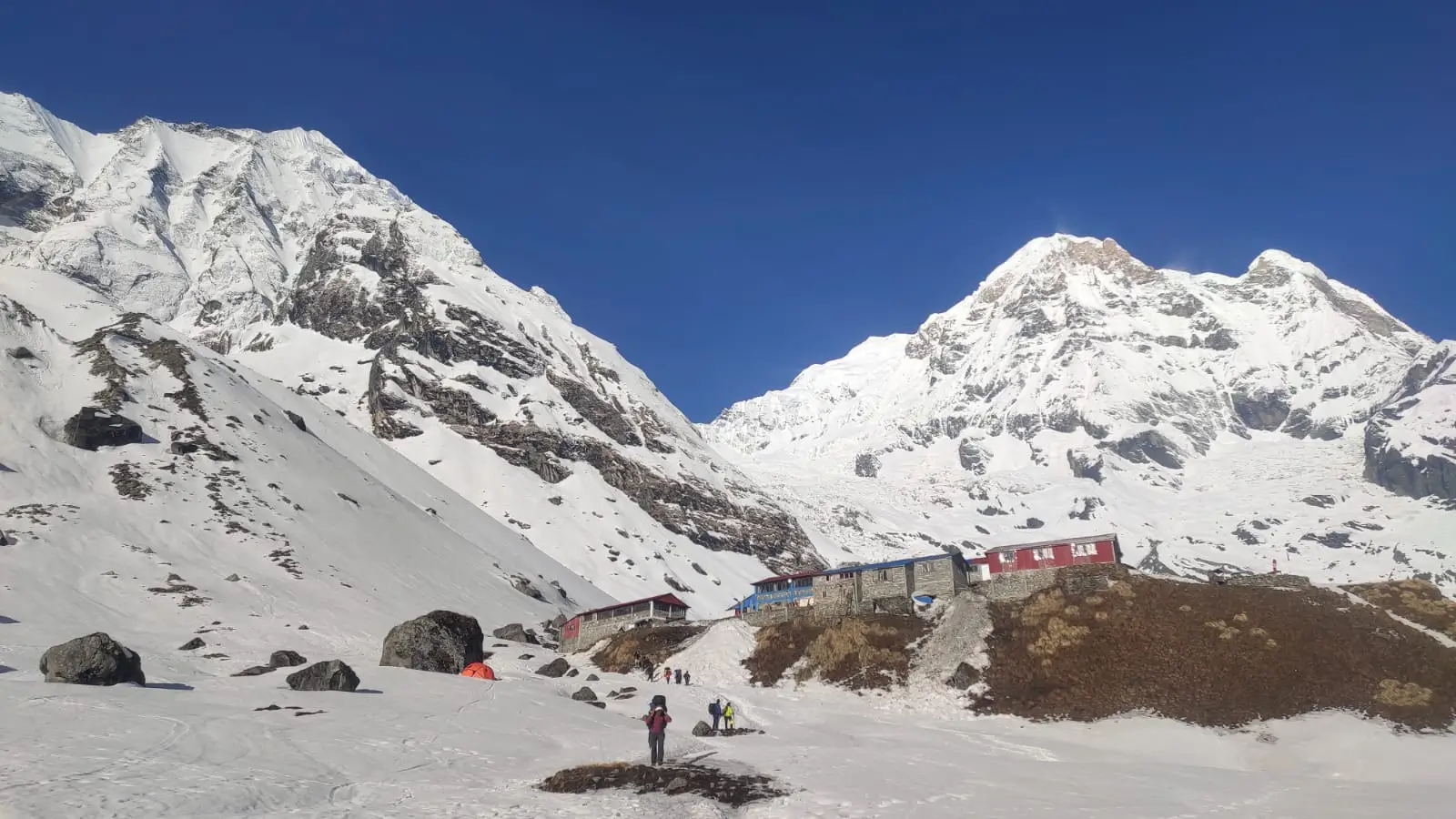
 Winter creates an entirely new experience for the Annapurna Base Camp trek. Snow means no more busy trails and some of the most beautiful views of the mountains (and perhaps the most beautiful of all time) and all this combined means an experience that is incredibly peaceful. The lonely views are a huge reward for the freezing temperatures.