Group Joining Trek in Nepal – A Complete Handbook for Independent Travellers and Adventurous Souls
Nepal is one of the ultimate trekking destinations in the world, for good reason. Year after year, trekkers hit the trails to enjoy the stunning Himalayan scenery. Additionally, they are able to enjoy the rich culture of the Nepali people. There are countless trekking options and routes. Some professional trekkers may prefer private treks. However, there are plenty who prefer to join group treks that are social and more affordable.
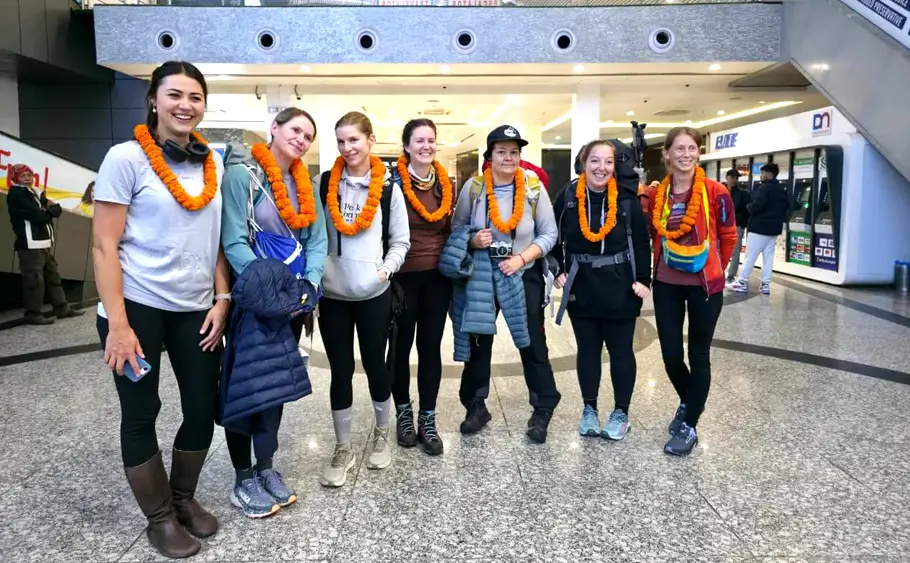
There is a lot of demand for group joining treks in Nepal. For a small group, a couple, or even individuals, joining a group trek provides an excellent opportunity to join a pre-planned trek that has many other group members. Group join treks are increasingly becoming the method of choice for budget adventurers and solo trekkers who want to enjoy the trails of Nepal while keeping the trek affordable and forming bonds and memorable moments with as many trekkers as possible.
What is Group Joining Treks?
Group joining trek in Nepal is an arrangement that gives a predetermined itinerary while allowing trekkers from different countries, cultures, and backgrounds to join the trek. Private treks do not exist for group join treks. Instead, the various groups share the guides, porters, vehicles, and all other logistics required for the trek. The trekking company makes all arrangements with set dates. Group join treks are frequent for some of the most popular trekking routes in Nepal, such as the Everest Base Camp Trek, Annapurna Base Camp Trek, Manaslu Circuit Trek, Langtang Valley Trek, or Mardi Himal Base Camp. Group join trekking brings together those who enjoy hiking in a natural setting.
Advantages of Group Join Trekking
There are many benefits for the traveler in group trekking that many find it a very attractive mode of travel. Costs of trips are lower for those who travel in groups. It is also a great way to socialize. Many also find it provides security from the largely unprotected portions of the trip. Group trekking also takes the burden of logistics from the traveller. Guided treks allow the traveller to just enjoy the scenery and the adventure that travel brings.
Cost Savings
Group join trekking allows trekkers to traverse remote avenues and enjoy nature for a fraction of the cost of a private trek because many expenses are shared, such as guides, transportation, permits, and porters. Part of the cost of a trek is the premium level support for the participants, and group join trekking participants benefit from this.
Find Friends
Group trekking is a great way to make new friends because participants come from all over the world and form a community on the trail due to the shared nature of the experience. This even has an effect after the trek because many trekkers create lasting friendships throughout.
Safety
An important benefit of group trekking is safety. Guides make sure trekkers are safe and healthy, especially at dangerous high altitudes, where altitude sickness can become a real threat. A supportive trekking community also makes the mountains feel safer and more friendly.
Convenient Arrangement
There can be several logistics involved in planning a trek to Nepal, such as arranging transportation, acquiring necessary permits, securing accommodations, and hiring guides. With group join trekking, all of these processes become streamlined. After travellers book their place, all of the arrangements are made, and travellers can spend that time focusing on the trek itself.
Who Should Choose a Group Join Trek?
A variety of individuals can benefit from a group join trek. This option is perfect for solo travellers, as they will not be alone, and they will be sharing the same adventure with a group of like-minded individuals. First-time trekkers will have the benefit of group trek guidance and professional support, and this is also a great option for those who are socially adventurous and will enjoy meeting new people on the trek. Couples and friends are welcome on the group trek, and will enjoy the option to meet other travellers as well as enjoy the group trek.
Popular Group Join Trekking Destinations in Nepal
There are hundreds of trails in Nepal that will allow group trekking. Trekking to Everest Base Camp is one of the most popular treks in the world, as it offers a magnificent view of Everest and an opportunity to learn about the Sherpa culture. The Annapurna Base Camp trek also has excellent views of the mountains, as well as Sherpa culture and the traditional villages.
Trekking around the Annapurna region is famous for its landscape variety, and the notorious Thorong La Pass is also among the popular treks. Langtang Valley is an excellent trek as it is a short distance from Kathmandu. The Manaslu trek is a great option for trekkers looking for an undisturbed trek. Gokyo Lakes and the Mardi Himal trek are also among group trekking favourites.
The grouped trekking process begins with the selection of a trekking destination and a fixed departure. Detailed communications on itinerary, equipment and arrival follow bookings. After reaching Nepal, participants often attend a pre-trek briefing to meet their guide and fellow trekkers. The trek group follows an outlined plan with guides who oversee the itinerary, the day’s schedule, where they will stay, and safety and risk management. This plan gives trekkers the ability to focus on their experience while trekking.
What comes in the group join trek package?
The group joins trek packages that most often have a licensed guide, a porter, accommodations along the trek, transport to and from the trek, permits, and at least some meals. Some packages include an airport transfer and a stay in a hotel in Kathmandu or Pokhara. The companies and their destinations each have unique offerings, so the specifics of what is included should be studied before a trek is booked.
Group Size and Experience
The size of the trekking group is affected by the trekking route and the date on which they depart. Most group join treks include between 4 and 16 people, with the potential of many more for popular routes. Smaller groups tend to be more personal and allow a guide to focus on each trekker’s individual needs.
Treks with a larger group are often more lively and social, which creates a new experience for all trekkers and an opportunity to meet many new people. Group treks are designed to share the experience with your fellow trekkers; a large group can make that experience more fun.
Best Seasons for Group Trekking in Nepal
The right season can make or break your trek; it can be done year-round, however, some seasons are better than others for weather and sky scenes.
Spring is a favoured trekking season, and for good reason. The weather is pleasant, with blooming rhododendron forests lining the stable temperatures and relatively calm trekkers. Another reason for the popularity of spring trekking is the excellent visibility of the mountains.
Autumn is considered to be the best trekking season. After the monsoon rains, the skies clear and the visibility of the mountains is at its best. The stable weather and comfortable temperatures post-monsoon bring even more trekkers to the trails.
Winter trekking entails more experience as the colder temperatures and higher elevations are less hospitable. Although winter trekking on the less trodden paths (and at lower elevations) can be an excellent way to get off the beaten path in solitude, there is a trade off. Skies can be crystal clear with breathtaking views, but the path can be icy and the air can be frigid.
The trekking season of the monsoon months can be the most challenging, with heavy rains, low visibility, and muddy trails. The paths of the rain-shadow regions of Upper Mustang and Dolpo still make excellent trekking destinations.
Price for Group joining Trek in Nepal
The price variations when trekking in a group in Nepal depend on the specific trekking route, the number of days trekking, the trekking season, the accommodation level, the trekking package, and the included services.
For example, the price for the short to moderately difficult Mardi Himal Trek usually starts from USD 500. Trekkers usually pay between USD 699 and USD 850 for the Langtang Valley Trek. Other challenging treks, like the Everest Base Camp Trek, are between USD 1,199 and USD 1,599, and the Manaslu Circuit Trek is between USD 999 and USD 1,600, depending on the itinerary and services.
The best reason to do a group trek is the high value. Because the trek is shared, all transport, guides, porters, permits, and logistics are included and trekkers can do long walks for very little money and still be safe, comfortable, and well catered for. Group join trekking is best for travellers who want a low-cost experience of one of the best trekking experiences in the world, the Nepal Himalayas, in a well-organised manner and with fellow trekkers.
Advice On Group Trekking
Group trekking is all about cooperation, fairness, flexibility, and positivity. It is important to respect the preferences of the group while maintaining a friendly, supportive, and positive trek. The best way to help support the group is to be prepared for the trek in advance, and be sure to pack the proper clothing and be sure to hydrate and listen to the guidance of the trekking guides. Communication helps ensure everyone enjoys the adventure.
Hurdles of Group Trekking
Group trekking will definitely lead to challenges and will require adjustments because of the varied pace and fitness levels of the trekkers. Also, the participants may differ in the way they communicate and in their culture. Being easy-going, limber (not like a rod), and enthusiastic will help negate the majority of the problems.
Why travel with a local trekking company?
With a local trekking company, you know that your guides know Nepalese culture and the best trekking conditions in the Nepalese mountains. Local companies help the local mountain communities and help the Nepal tourism economy. Equally, local companies help the smaller international (Nepal) companies with tourism, who tend to provide a better experienced guide, who will know the trekking trails better, but who will also have the local area customs, traditions and history. An experienced local trekking company will ensure that you understand the local surroundings.
What should you take on a group trekking tour?
The comfort of your trek significantly depends on the gear that you carry. Major items include trekking shoes, weather-wicking clothing with warm weather clothing, weather gear (jacket, gloves, hat, etc.), a proper sleeping bag (preferably a mountain sleeping bag), sun protection (hat, sunglasses, and sunscreen), personal medications, and a reusable water bottle with trekking snacks. Toiletries and other lighter, less essential items should also be considered. Ensure that proper gear is taken, but lighter is better.
Is a group joining trek appropriate for a beginner?
Yes. Group trekking in Nepal is appropriate for many beginners. Treks include Mardi Himal, Ghorepani Poon Hill, Langtang Valley, and Annapurna Base Camp, and are great starter treks for the beginner who is generally fit. The other more difficult routes, such as Everest Base Camp and Manaslu Circuit, are more demanding not only in terms of trekking, but on fitness and preparation as well.
Altitude Sickness on Trekking Tours
Altitude sickness is a possible concern on treks that go above 2,500 meters around the Himalayas. Headaches, dizziness, nausea, fatigue, and sleep issues are all potential symptoms. The safest option is always group trekking. Guides receive training to notice symptoms and take preventative steps. The best ways to defend against altitude sickness are proper gradual ascent, drinking lots of water, and listening to the guides.
Frequently Asked Questions (FAQ)
Can I go on a group trek if I am alone?
Yes, the group join trekking option is for people who want to go solo, and also for people who want to join groups while they trek.
What is the group size on average?
While group size varies by season and location, the average group size for a trek is 4 to 12 people.
Is group trekking for a beginner?
Yes, many beginner-friendly trekking routes are available.
Is going on a group trek safe?
Yes, the trekking profession is safer and more enjoyable with the combination of guides and well thought out.
Can I register on the day of the trek?
Peak season availability is the largest determining factor for trekking companies that allow last-minute treks.
What do you do when you get altitude sickness?
The condition is monitored by the guides and they will make the call to rest, descend, or seek outside help.
Can I make changes to the route?
While group treks are on a fixed route, some companies allow limited changes before the trek.
Conclusion
For those who value affordability, safety, and community, while also seeking adventure, group joining trekking in Nepal is your best option. It is a combination that has it all, including organized trekking to numerous famous spots throughout Nepal, including the Everest Base Camp
Trek, the Annapurna trekking area, or the less-crowded trekking routes in the Himalayas.
When trekking in a group, you have the chance to socialize with new people as well as relax and absorb the awe-inspiring scenery. Best of all, the professionals have organized and guided everything. Group join trekking combines all aspects to the best of its ability and is perfect for trekkers in the Himalayas.