Best Time to Trek in Nepal – Complete Seasonal Guide
Trekkers of all levels can find something in Nepal. High Himalayan peaks touch lush green valleys and terrain. Traditional villages and an ancient culture combine with a multitude of adventures. Home to some of the best trekking in the world, Nepal doesn’t disappoint. From the renowned Everest region to Annapurna, Manaslu, Langtang, Mustang, Kanchenjunga, Makalu and Dolpo regions, trekking routes abound.
No matter what your experience level, choosing the right trekking season adds to your enjoyment. For short treks in the Himalayas, the months from September to November are good. If you want more challenging treks, January through April are better. Treks can be treacherous and dangerous at altitudes of over 13,000 feet.
Spring (March to April) and Fall (Oct to Nov) are popular trekking seasons and offer the best weather, but there are several areas that can be trekked in the other seasons. Trekking in the winter can offer solitude and peace. The monsoon season (June to Aug.) offers beautiful landscapes and fewer people, but many of the lower altitude treks are not passable.
What Is the Best Time to Trek in Nepal?
The best time to trek in Nepal is generally during spring and autumn, particularly from March to May and September to November. These months are popular because many trekking regions usually experience favorable weather, better mountain visibility, and relatively comfortable daytime conditions.
Autumn and spring provide distinct yet attractive displays in the Himalayas. Colorful autumn foliage gives way to the arrival of clear skies in fall and the beginning of the Himalayan trekking season. In the spring, lower elevations are home to prismatic displays of flowers, with rhododendrons being the most dominant. Though spring and autumn provide good seasons for many areas, high elevation treks may be inaccessible in the spring due to snow, and in the winter due to hazardous conditions from a lack of snow. Monsoon conditions bring shelter from the rains to the Upper Mustang region.
Nepal Trekking Seasons at a Glance
There are four seasons for trekking in Nepal: spring, summer/monsoon, autumn and winter. Spring, from March to May, is the time of the year when the climate is balanced and rhododendrons blossom. Summer, monsoon season from June to August, brings plenty of rain to the country and isn’t really good for trekking. However, trekking the rain-shadow areas is still good during this season.
The clearest climate of the mountains is during the autumn season from September to November. Trekking during this season is world famous. Mountain views are fascinating. The final season, winter from December to February is cold and unpleasant especially at higher altitudes. Lower altitudes are still good for trekking during this season. Nice and clear views of the mountains can be enjoyed in the mornings before the mountain air gets stirred up by the winds. Winter also provides a good time for solitude. Choice of a good trekking package is made easy by the seasonal variations of weather.
Autumn Trekking in Nepal
Autumn is one of the most popular trekking seasons in Nepal. From September through November, many Himalayan trekking routes experience favorable conditions after the summer monsoon. The atmosphere often becomes clearer, the mountain views can be spectacular, and trails are generally in good condition.
September is a transition month, so early September can still experience some rainfall in certain areas, while October and November usually offer more stable autumn conditions. October is particularly popular for trekking, meaning famous routes such as Everest Base Camp and Annapurna Circuit can become busy. If you want to trek during the autumn peak season, it is advisable to arrange your trekking package, accommodation, permits, guide, and transportation in advance.
September Trekking in Nepal
September marks the beginning of the autumn trekking season. The weather gradually improves as the monsoon retreats, although conditions can vary, particularly during the first part of the month. As the month progresses, mountain visibility generally improves and the trails become more suitable for trekking.
September can be an attractive time for travelers who want to experience the beginning of the main trekking season while potentially encountering fewer trekkers than during the busiest weeks of October. Popular routes such as the Everest Base Camp Trek, Annapurna Circuit Trek, Manaslu Circuit Trek, and Annapurna Base Camp Trek can be considered, subject to current weather and trail conditions.
October Trekking in Nepal
October is one of the most popular months for trekking in Nepal. The post-monsoon atmosphere often provides clear mountain views, favorable trail conditions, and comfortable daytime temperatures in many trekking areas. The Everest, Annapurna, Manaslu, Langtang, and other major trekking regions become especially active during this month.
Travelers can choose packages ranging from short treks such as Ghorepani Poon Hill and Mardi Himal to longer high-altitude adventures such as Everest Base Camp, Annapurna Circuit, Manaslu Circuit, and Everest Three High Passes. Because October is a peak trekking month, popular teahouses, flights, and trekking services can be busy.
November Trekking in Nepal
November continues to offer generally favorable conditions for trekking, although temperatures gradually become colder, especially at higher elevations. Skies can remain clear, providing excellent views of snow-covered Himalayan peaks. The later part of November can feel considerably colder than October, but this can also mean fewer trekkers on some routes.
November is suitable for many classic trekking packages, including Everest Base Camp, Annapurna Circuit, Annapurna Base Camp, Manaslu Circuit, Poon Hill, Mardi Himal, and other routes, provided that the specific high-altitude conditions are suitable.
Spring Trekking in Nepal
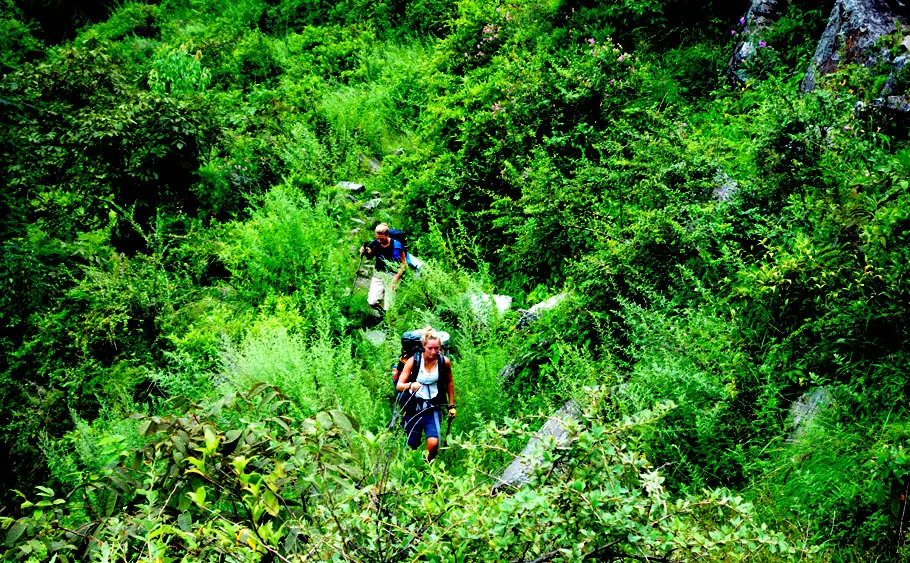
Spring is another major trekking season in Nepal and is especially attractive to travelers who want pleasant conditions and colorful mountain landscapes. From March to May, temperatures gradually increase following winter, while many trekking trails become increasingly comfortable for walking. One of the biggest attractions of spring trekking is the blooming of rhododendron forests, particularly in the Annapurna and other Himalayan regions.
April is generally one of the most popular spring months, while May becomes progressively warmer at lower elevations and can experience increasing pre-monsoon cloud development. Spring is also an important season for mountaineering and peak climbing, making it a popular time for travelers combining a trek with a climbing adventure.
March Trekking in Nepal
March marks the beginning of the spring trekking season. Lower and mid-altitude areas can become increasingly pleasant as winter ends, while higher elevations can still experience cold temperatures and winter conditions. Trekkers should therefore prepare for significant temperature differences throughout their journey.
March can be suitable for routes such as Poon Hill, Mardi Himal, Annapurna Base Camp, Everest Base Camp, and other popular treks, but conditions at high passes should always be checked before departure. For travelers interested in a quieter spring experience, March can offer an attractive combination of improving weather and fewer trekkers compared with the peak months.
April Trekking in Nepal
April is one of the most popular months for trekking in Nepal. The weather is generally favorable across many trekking regions, temperatures are comfortable at lower elevations, and rhododendrons and other vegetation can add spectacular color to forest trails. The Himalayan mountains can provide impressive views, especially during clear mornings.
April is suitable for a wide range of trekking packages, from shorter routes such as Ghorepani Poon Hill and Mardi Himal to longer journeys such as Everest Base Camp, Annapurna Circuit, Manaslu Circuit, and Everest Three High Passes. It is also a popular period for peak climbing, although every climbing route requires its own weather and route assessment.
May Trekking in Nepal
May is the final month of the spring trekking season before the summer monsoon gradually approaches. Temperatures at lower elevations become warmer, while high-altitude trekking can remain suitable during favorable weather periods. Mountain conditions can vary more toward the end of the month as pre-monsoon clouds and rainfall become increasingly possible.
Early May can therefore be attractive for trekkers seeking spring conditions, while travelers planning later May departures should pay close attention to current weather forecasts. High-altitude treks and peak-climbing packages should be planned particularly carefully because conditions can change quickly in the mountains.
Monsoon Trekking in Nepal
Monsoon Trek
The monsoon season generally covers June, July, and August and brings heavy rainfall to much of Nepal. During this period, many popular trekking trails can become muddy, wet, and slippery, while cloud cover may reduce visibility of the Himalayan peaks. Landslides can affect some trails and roads, and rain can occasionally disrupt transportation and domestic flights.
For these reasons, traditional routes such as Everest Base Camp, Annapurna Circuit, and Manaslu Circuit are generally less popular during the peak monsoon period. However, Nepal has important rain-shadow regions where trekking can still be possible during summer, making the monsoon season an interesting option for travelers who choose their destination carefully.
Best Monsoon Trekking Routes in Nepal
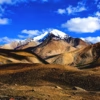
Upper Mustang is one of Nepal’s most famous rain-shadow trekking destinations and can be considered during the monsoon months. Located north of the main Himalayan barrier, the region receives considerably less rainfall than many areas farther south. The landscape is dramatically different from the lush green scenery found in other parts of Nepal, featuring dry valleys, colorful cliffs, traditional villages, monasteries, and Tibetan-influenced culture.
Upper Dolpo is another remote Himalayan destination that can provide a summer trekking opportunity. Because these regions are remote and conditions can vary, travelers should always check current weather, transportation, permits, and trail information before departure.
Winter Trekking in Nepal
Winter begins in December and continues through February, bringing cold conditions throughout the country and particularly low temperatures at high elevations. Snowfall can affect high mountain passes and trails, and some high-altitude routes may become difficult or temporarily inaccessible. Despite these challenges, winter can be a rewarding season for lower-altitude trekking.
The trails are generally quieter, and clear winter days can provide beautiful mountain scenery. Travelers who prefer peaceful trails and fewer crowds can consider trekking packages such as Ghorepani Poon Hill, Everest View Trek, Everest Cultural Trek, and selected lower-altitude Annapurna routes, depending on current conditions.
Best Winter Trekking Routes in Nepal
Lower-altitude and moderate trekking routes are generally more practical during winter than extremely high mountain passes. The Ghorepani Poon Hill Trek is a popular option because it provides spectacular Himalayan views without reaching the extreme elevations of some major Himalayan adventures.
The Everest View and Everest Cultural Trek packages can also provide an introduction to the Khumbu region while avoiding the maximum elevation of Everest Base Camp. Other lower-altitude routes around Annapurna and Langtang can also be considered. Travelers choosing a winter trek should still prepare for cold mornings and evenings and should carry suitable warm clothing and equipment.
Best Time to Trek in the Everest Region
The Everest region is one of the most famous trekking destinations in the world and offers routes ranging from cultural village walks to challenging high-altitude adventures. The Everest Base Camp Trek is generally most popular during spring and autumn, when weather and visibility are often favorable. Other options include the Everest View Trek, Everest Cultural Trek, Gokyo Valley Trek, and Everest Three High Passes Trek.
The higher the route goes, the more important weather, acclimatization, and trail conditions become. Travelers interested in an Everest trekking package should select their itinerary according to their available time, experience, physical preparation, and preferred level of adventure.
Best Time to Trek in the Annapurna Region
The Annapurna region offers one of Nepal’s most diverse selections of trekking packages. Popular routes include the Annapurna Circuit Trek, Annapurna Base Camp Trek, Mardi Himal Trek, Ghorepani Poon Hill Trek, and Khopra Trek. Spring and autumn are generally favorable for most of these routes because of the combination of good weather and mountain visibility. However, the lower-altitude routes have a broader seasonal window than high-altitude routes.
Travelers can therefore choose an Annapurna trekking package based on the duration, difficulty, maximum altitude, and type of scenery they want to experience.
Best Time to Trek the Manaslu Circuit
The Manaslu Circuit Trek is a spectacular Himalayan journey around Mount Manaslu, combining high mountain scenery with traditional villages and Tibetan-influenced culture. The trek crosses Larkya La Pass at more than 5,000 meters, making weather and snow conditions particularly important. Spring and autumn are generally the preferred trekking seasons for the Manaslu Circuit because conditions at high elevations are typically more suitable than during the monsoon or winter. Since the region is more remote than many popular trekking destinations, travelers should arrange permits, transportation, accommodation, and experienced guide services carefully.
Best Time to Trek in the Mustang Region
The Mustang region offers a unique Himalayan landscape and cultural experience. Lower Mustang is accessible through the Annapurna region and includes destinations around Jomsom, Marpha, and Muktinath, while Upper Mustang provides a more remote journey through a dry, desert-like Himalayan environment. Upper Mustang’s rain-shadow location makes it one of the most notable trekking destinations for the monsoon season. Travelers can explore ancient settlements, Buddhist monasteries, dramatic cliffs, caves, and traditional Tibetan-influenced communities.
A Mustang trekking package is therefore particularly interesting for travelers who want a different Himalayan experience from the greener landscapes of the Everest and Annapurna regions.
Best Time to Trek in the Langtang Region
The Langtang region is relatively close to Kathmandu and provides a combination of mountain scenery, forests, traditional villages, and Himalayan culture. Popular routes include the Langtang Valley Trek, Gosaikunda Trek, and Helambu Trek. Spring and autumn are generally preferred for these routes because of favorable weather and visibility. Spring brings colorful forests and rhododendron blooms, while autumn often provides clear views after the monsoon. Because some Langtang routes reach significant elevations, travelers should still prepare appropriately and consider acclimatization.
Best Time to Trek in the Kanchenjunga Region
The Kanchenjunga region is one of Nepal’s remote and spectacular trekking destinations, offering dramatic mountain landscapes and relatively isolated Himalayan communities. Treks in this region are longer and more demanding than many of Nepal’s popular short trekking packages. Spring and autumn are generally preferred because weather conditions are more suitable for long-distance trekking and high-altitude journeys. Due to the remoteness of the region, travelers should plan carefully for permits, transportation, accommodation, food, guides, and emergency considerations.
Best Time to Trek in the Dolpo Region
Dolpo is one of Nepal’s most remote Himalayan trekking destinations and is famous for its rugged landscapes, ancient Buddhist traditions, high mountain passes, and isolated settlements. Upper Dolpo lies in a rain-shadow area, which makes it particularly interesting for summer trekking compared with many other regions of Nepal. However, Dolpo treks are demanding and remote, requiring careful planning and appropriate permits. Travelers should be prepared for long walking days, high elevations, limited infrastructure, and rapidly changing mountain conditions.
Best Time for Popular Nepal Trekking Packages
Nepal offers trekking packages ranging from short Himalayan hikes to multi-week high-altitude adventures. Popular packages include the 12 Days Everest Base Camp Trek, Annapurna Circuit Trek, Manaslu Circuit Trek, Annapurna Base Camp Trek, Mardi Himal Trek, Ghorepani Poon Hill Trek, Khopra Trek, and Everest Cultural Trek. For travelers seeking greater challenges, packages such as the Everest Three High Passes Trek and other remote high-altitude routes provide more demanding experiences.
Spring and autumn are generally the principal seasons for the major high-altitude packages, while selected lower-altitude routes can be undertaken during a broader period of the year.
Best Time for Short Trekking Packages in Nepal
Short trekking packages are ideal for travelers who have limited vacation time but still want to experience the Himalayas. Routes such as Ghorepani Poon Hill, Mardi Himal, Everest View, Everest Cultural Trek, and selected Annapurna routes can provide spectacular mountain scenery without requiring several weeks on the trail. Spring and autumn are generally excellent seasons for short treks, while some lower-altitude routes can also be suitable during winter.
When selecting a short trekking package, travelers should consider the walking distance, maximum altitude, transportation time, and the amount of time available for acclimatization.
Best Time for High-Altitude Trekking Packages
High-altitude trekking requires more planning because weather, snow, altitude, and trail conditions can significantly affect the journey. Routes such as Everest Base Camp, Everest Three High Passes, Annapurna Circuit, Manaslu Circuit, Upper Dolpo, and Kanchenjunga require appropriate acclimatization and preparation. Spring and autumn are generally the main seasons for these adventures, but conditions can still change rapidly.
Trekkers should understand the risks of altitude, carry suitable clothing and equipment, maintain a sensible pace, and follow the advice of experienced mountain guides.
Best Time for Peak Climbing in Nepal
Nepal is also famous for combining trekking with Himalayan peak climbing. Popular climbing packages include Mera Peak, Island Peak, Lobuche Peak, and Pokalde Peak, among others. Peak climbing requires more preparation than ordinary trekking because climbers may encounter glaciers, snow, steep terrain, and technical sections depending on the peak. Spring and autumn are important climbing seasons, but the ideal period depends on the individual mountain and current conditions.
Travelers should arrange appropriate permits, climbing equipment, experienced climbing guides, acclimatization schedules, and contingency plans before beginning a peak-climbing expedition.
Best Time to Trek in Nepal for Beginners
Beginners should generally consider spring or autumn when planning their first Nepal trekking adventure because these seasons provide favorable conditions on many popular routes. Lower and moderate-altitude packages such as Ghorepani Poon Hill, Mardi Himal, Everest Cultural Trek, and Everest View Trek can be good options depending on the traveler’s fitness and experience.
A beginner should not choose a trek solely because it is short; maximum altitude, elevation gain, walking hours, trail conditions, and acclimatization are equally important. Starting with an appropriate itinerary allows new trekkers to enjoy the Himalayan environment while gradually developing their trekking experience.
Best Time for Experienced Trekkers
Experienced trekkers have a wider range of options, including remote regions and high-altitude passes. Routes such as Everest Three High Passes, Manaslu Circuit, Annapurna Circuit, Kanchenjunga, Makalu, Upper Dolpo, and Rolwaling can provide more challenging experiences. These treks require greater preparation because of their altitude, terrain, remoteness, and weather conditions. Even experienced trekkers should not underestimate Himalayan weather, and route selection should always consider current trail conditions and the availability of appropriate support.
Best Time to Trek in Nepal for Clear Mountain Views
Mountain visibility is one of the most important factors for many trekkers, especially photographers and travelers visiting Nepal for their first Himalayan experience. Autumn often provides excellent visibility following the monsoon, while spring can also offer beautiful mountain scenery. Clear mornings are often particularly rewarding, although mountain weather can change quickly during the day.
Routes such as Everest Base Camp, Annapurna Circuit, Annapurna Base Camp, Mardi Himal, and Poon Hill are especially popular among travelers seeking spectacular Himalayan panoramas. However, visibility is weather-dependent and cannot be guaranteed on any specific day.
Best Time to See Rhododendron Flowers While Trekking
Spring is the best season for travelers who want to experience Nepal’s famous rhododendron forests. As temperatures rise after winter, rhododendrons bloom across many Himalayan forest areas, creating colorful landscapes along trekking trails. The Annapurna region is particularly well known for its spring scenery, with routes such as Ghorepani Poon Hill, Mardi Himal, Annapurna Base Camp, and other forested trails offering opportunities to see rhododendrons. Spring trekking therefore combines mountain views with one of Nepal’s most beautiful natural displays.
Best Time to Trek in Nepal with Fewer Crowds
While the off seasons for trail hiking in the spring and fall are usually quiet, the peak months (especially October) have the added drawback of being the busiest. During the off season, the lower, warmer trail elevations may be a better choice. In the higher elevations, trails may be closed for the winter.
The busiest of the trekking routes, like the Annapurna and Everest trails, have other, more remote trails, like Manaslu and Kanchenjunga, that offer a less busy trekking route. While the popular trekking routes may have a good number of trekkers, more remote trails, like Dolpo, may offer a more isolated experience. Good judgment is required when deciding between solitude and the availability of basic services.
Nepal Trekking Packages – Choose Your Himalayan Adventure
Hill Sherpa Trekking can offer travelers a variety of Nepal trekking packages based on their available time, experience, budget, and preferred region. Travelers looking for the classic Himalayan experience can choose the Everest Base Camp Trek, while those interested in diverse landscapes and mountain culture can explore the Annapurna Circuit or Manaslu Circuit. For shorter adventures, Ghorepani Poon Hill, Mardi Himal, Khopra, and Everest Cultural Trek packages can provide excellent Himalayan experiences within a shorter itinerary.
More experienced adventurers can choose high-pass treks or peak-climbing packages. Selecting the right package should be based on the trek’s altitude, difficulty, duration, season, and current mountain conditions.
How to Choose the Right Nepal Trekking Package
When deciding on a trekking package for Nepal, it is important to reflect on your own travel objectives. Factors such as the total number of days available for travel, level of fitness, previous experience with trekking, altitude, scenery, accommodations, and the season you are travelling are all important when deciding on a trek. A local trekking company can assist you in planning and arranging a good deal of the services you will require during your trek, including transportation, permits, and guides, and provide information on your acclimatization and equipment.
Trekking Permits and Guide Requirements
Permits are necessary for several trekking routes in Nepal and for restricted and conservation areas. Different permits may include permits for conservation areas, national parks, and restricted areas, as well as other documentation for trekking. The rules for the use of a guide also vary. As the regulations for trekking can change, the permits that are required can also change. The best source for recent information on trekking permits is a local trekking agency that a traveler will use for a particular trekking package.
Safety Tips for Trekking in Nepal
Safety should always be a priority regardless of which season you choose. Trekkers should allow enough time for acclimatization, stay properly hydrated, use appropriate clothing and footwear, and pay attention to changing weather conditions. At high elevations, travelers should understand the symptoms of altitude sickness and avoid ascending too quickly.
Travel insurance that covers trekking at the planned altitude is also important. Hiring an experienced local guide can provide valuable assistance with navigation, accommodation, weather changes, altitude management, and emergency situations. Before departure, travelers should also check current weather and trail conditions for their specific route.
Is Trekking in Nepal Possible All Year Round?
Trekking in Nepal is possible throughout the year, but the suitability of individual routes changes significantly from season to season. Spring and autumn are the main seasons for many of the country’s classic high-altitude trekking packages. During monsoon, rain-shadow destinations such as Upper Mustang and Upper Dolpo can offer alternatives, while winter can be suitable for lower-altitude routes. High mountain passes and remote trails require more careful seasonal planning.
Therefore, rather than simply asking whether Nepal is open for trekking throughout the year, travelers should ask which trekking route is most suitable for the season they plan to visit.
Frequently Asked Questions About the Best Time to Trek in Nepal
What is the best month to trek in Nepal?
April and October are among the most popular months for trekking in Nepal because they generally provide favorable conditions on many major routes. However, the best month depends on the trekking region, altitude, and type of adventure.
Which season is best for Everest Base Camp Trek?
Spring and autumn are generally the most popular seasons for the Everest Base Camp Trek because they typically offer favorable weather and good mountain visibility.
Is October a good month for trekking in Nepal?
Yes. October is one of Nepal’s busiest trekking months and is generally known for favorable weather and excellent mountain views. Trekkers should expect more activity on popular trails.
Is April good for trekking in Nepal?
Yes. April is a popular spring trekking month, offering generally pleasant conditions and beautiful rhododendron scenery in many Himalayan areas.
Can I trek in Nepal during the monsoon?
Yes, but route selection is important. Many areas receive heavy rainfall, while rain-shadow regions such as Upper Mustang and Upper Dolpo can provide alternative trekking opportunities.
Is December a good time to trek in Nepal?
December can be suitable for lower-altitude trekking and travelers seeking quieter trails. High-altitude routes can be much colder and may experience snow and difficult conditions.
What is the best time for Annapurna Circuit Trek?
Spring and autumn are generally the preferred seasons for the Annapurna Circuit because of favorable conditions around the high-altitude Thorong La Pass.
What is the best time for Manaslu Circuit Trek?
Spring and autumn are generally preferred for the Manaslu Circuit because the route crosses a high mountain pass and conditions can be challenging during winter and monsoon.
Which Nepal trekking package is best for beginners?
Lower and moderate-altitude routes such as Ghorepani Poon Hill, Mardi Himal, Everest View, and Everest Cultural Trek can be considered by beginners, depending on their fitness, experience, and itinerary.
Conclusion – Best Time to Trek in Nepal
There are two main trekking seasons, spring and autumn. March to May and September to November fall within these seasons and are the best times to go trekking in Nepal. Rhododendrons are in bloom during spring and give the scenery a brilliant show of color. Autumn is known for the cleansing of the air and the skies and therefore gives a clearer view of the Himalayas.
Because of Nepal’s great range of weather conditions, trekking is possible all year. During the monsoon season, it is impossible to trek most of Nepal, but the upper regions of Mustang and Dolpo are known to be trekking destinations during this time. The same is true for winter as trekking becomes very difficult at higher elevations but is still possible at the lower regions.
When planning your trek to the Everest or Annapurna regions, it is always best to trek during the main trekking seasons. If you are planning to trek during the off-seasons, it is important to be very experienced and/or have a good understanding of what you are getting into. With the right trekking company, you will always have proper logistics and support during your Himalayan trek.