Travelling to a completely different place can be neither easy nor cheap. However, most people find it worth breaking the daily monotonous life. There is no denying how useful and how unique the memories can be from climbing the Himalayas.
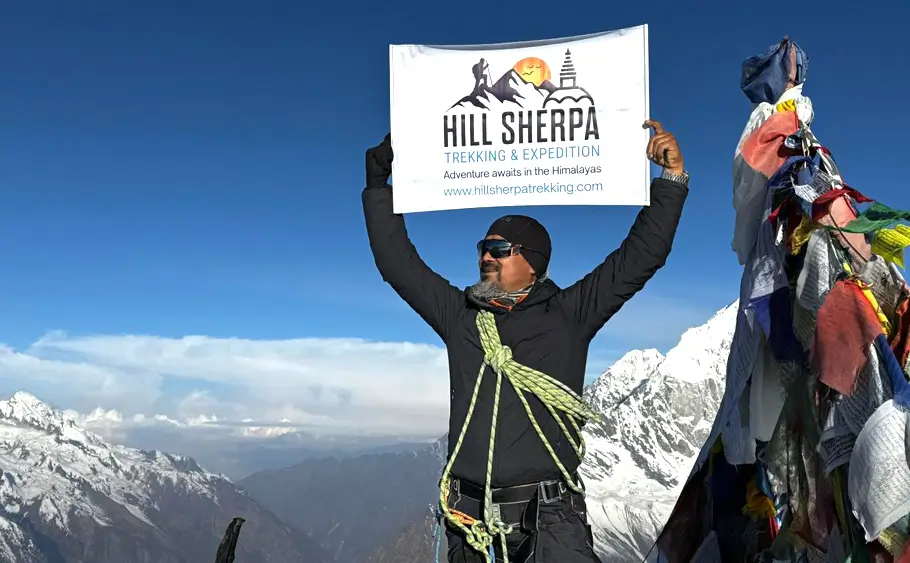
Yala Peak has a height of 5,520 meters and is comparatively the most easy one to reach from the Nepalese part of the Himalayas. However, a peak of this height in the Himalayan region can still be termed easy, but the costs can still be high. There are various elements that determine the cost of the trip. Knowing and understanding these elements makes it easy for trekkers to determine the best possible budget for a safe trip.
Transportation costs to Syabrubesi
The cost from the capital Kathmandu to Syabrubesi, the starting point of the trekking, is also one of the costs that forms a sufficient part of the total cost. People have the choice to use a local bus or a private jeep. The cost of a local bus for a round trip is around NPR 1500 and flexible, but they tend to be overcrowded and the ride can last for many hours, given the condition of the road.
A one way cost for a private jeep is between 150 and 200 dollars and they are much faster and more comfortable. One of the conditions is that a private jeep carries many people and therefore, the cost of the private jeep can greatly vary for each of the passengers. Therefore, the choice of transportation always depends on budget value and comfort.
Trekking Guide and Porter Cost
It is advised to hire a professional trekking guide and porter for the Yala Peak Climbing journey for your own safety and ease. Trekking guides make about USD 30 to 60 for their services a day. Their price depends on their experience, certifications, and ability to speak multiple languages.
Guides are important for navigation and mountain logistics, and they ensure your safety in case of emergencies. Porters carry up to 20-25 kilograms of luggage and make USd 25 to 30 a day. Each porter operates with two trekkers. Hiring staff does increase the budget a little, but greatly enhances the experience for climbers as it allows them to take a break from the physical demands of trekking.
Permit Cost for Yala Peak Climbing
Yala Peak does not require a climbing permit, which is one of the many positive aspects of climbing it. Per Nepal’s mountaineering regulations, peaks that are below 5,800 meters do not require a trekking permit. With that said, trekkers do need to get the permit for Lynn National Park for it to be possible to access this area. Climbing Yala Peak is inexpensive compared to many of the other peaks in the Himalayas, and that is due to the absence of a price permit for Yala Peak.
Langtang Valley
Yala Peak climbing includes the famous Langtang Valley trek. This makes the trip more enjoyable, combining trekking with climbing. Trekkers will hike through lush and dense forests, natural beauty, and past traditional villages and alpine landscapes. This will all be experienced before reaching Kyanjin Gompa, which is the base camp for the climb. This combination means trekkers do not need to prepare money for the Langtang Valley trek because both experiences are part of one package. It adds immense value because trekkers are getting diverse experiences within one trip.
Accommodation and Food Cost
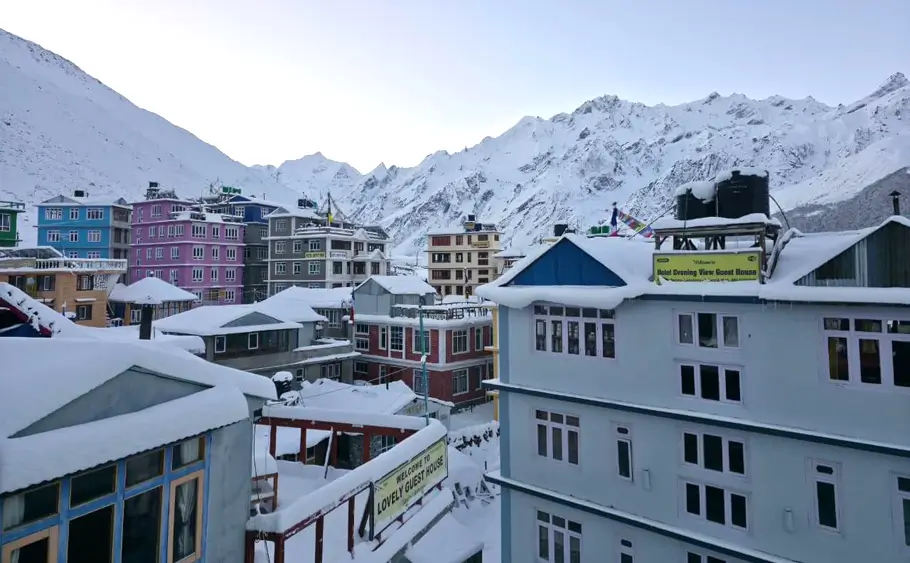
The cost of accommodation and food along the Yala Peak route is considered to be fairly inexpensive because of the common and very popular Langtang trekking trail. Trekkers will stay in tea houses. These are simple houses that provide trekkers with a small room and the cost is about $5 and the facilities are basic but comfortable. Meals cost about Usd 30 to 40 but the food costs a little more if one is trekking to a higher altitude. This may be because the transport to them is more challenging.
An example of this is Dal Bhat. This meal is very popular among trekkers because it is considered to be a very rich and energising meal. It can be found for a cost of about NPR 800 to 1000. The base camp for Yala Peak is a tented camp and the accommodation is part of a climbing package. The food at the base camp is also part of this package.
Does Group Size influence the cost of climbing Yala Peak?
The number of people does affect the overall expense of climbing Yala Peak directly. A climber who climbs alone typically pays the most since all the fixed costs, which include: guide fee, transport and logistical support are incurred individually. In these scenarios, the average package would cost between USD 1199 to 1399.
When two climbers are on a trip, it will be cheaper per individual as a lot of services are shared. In this instance, the price will tend to reduce to approximately 1099 dollars per head. When the number of trekkers grows to three or more, then the price is an even better deal, it may drop to approximately 1000 dollars per person or even lower, depending on the services offered and the degree of organization.
To sum up, a bigger team is far much cheaper on a per-capita basis, thus group travel is the most cost-effective method of having the Yala Peak expedition without sacrificing the safety and quality of service.
Guide & Crew Tips
In Nepal, tipping is not mandatory but a well-established and accepted behaviour, particularly when the trekking and climbing experience is successful. When climbing the Yala Peak, one will find that there will be two teams that will assist you in your expedition: the trekking crew, headed by a trekking guide and the climbing crew, headed by a professional climbing (Sherpa) guide. The two teams are equally important in providing you with safety, comfort and success in the summit.
This is why it is a usual practice to tip all the guides and support personnel upon trip completion as an appreciation gesture. Specifically, the climbing team is frequently provided with a summit bonus, which is typically shared between the team members, with the lead Sherpa guide being awarded a somewhat larger share because of his/her additional responsibility and experience. In addition to the climb, the Langtang region is also home to other culturally rich and scenic trails like the Tamang Heritage Trail, Gosainkunda Lake and the Helambu Trek and thus this route to the Langtang is diverse and fruitful Himalayan adventure.
How to Save Money on Yala Peak Climbing
Quality Yala Peak climbing adventures need not be expensive. Local transport costs much less than the cost of a private vehicle. Shared jeeps cut the cost of transport even more, while a touring car is great for cost-efficient group transport. For frugal travellers, the cost of extra services, like WiFi, hot showers, and battery charging, can be minimised or avoided altogether. Consider your options carefully. Though travelling without an agency is cheaper, we don’t advise it for beginners. For safety concerns, booking a package through a reliable agency is recommended, as they provide comprehensive service contracts at a more cost-effective rate.
Conclusion
Yala Peak is a helping hand to your aspirations of Himalayan climbing for the first time. For first time climbers, the cost of travelling and admiring the scenery of the Yala Peak is reasonable for both beginners and seasoned adventurers. With a strategic plan, trekkers will enjoy the cost and safety of a memorable and rewarding journey to Yala Peak.
I am the Founder and Owner of Hill Sherpa Trekking Pvt. Ltd. With more than 15 years of experience in the Himalayan tourism and mountaineering industry, I established the company with a passion for mountain adventures and a commitment to responsible tourism. Since then, I have dedicated my career to creating safe, authentic, and unforgettable trekking and climbing experiences throughout the Himalayas.